FireRescue Update
Key takeaways:
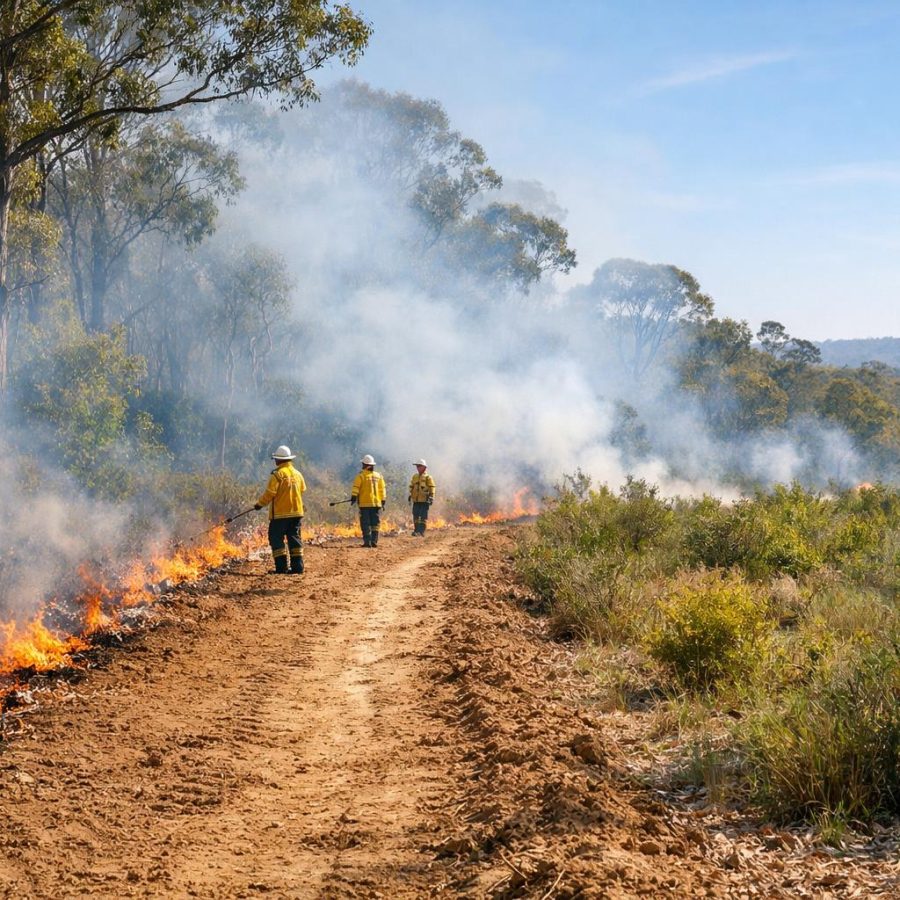
<a href="https://www.firerescue.com.au/lessons-learned-in-firefighting-improving-operations-for-future-success/”>Queensland has effectively exceeded its planned burn targets for 2024-2025, conducting 637 controlled burns over nearly one million hectares to reduce bushfire risk.
The Queensland Fire and Emergency Services (QFES) has enacted comprehensive strategic plans that prioritise prevention, preparedness, response, and recovery to bolster community resilience against bushfires.
Legislative reforms and funding through the Queensland Disaster Resilience Fund enhance the state’s capacity to mitigate bushfire impacts and support affected communities.
Background and Context
Queensland’s varied landscapes and climate conditions place it among Australian states vulnerable to bushfire events. Recognising this, the Queensland Government has adopted a multi-layered approach to bushfire management, integrating land management practices, emergency response coordination, and community engagement. The Queensland Parks and Wildlife Service (QPWS) plays a pivotal role in executing planned burns, a traditional and effective method for reducing fuel loads and lowering the severity of potential bushfires.
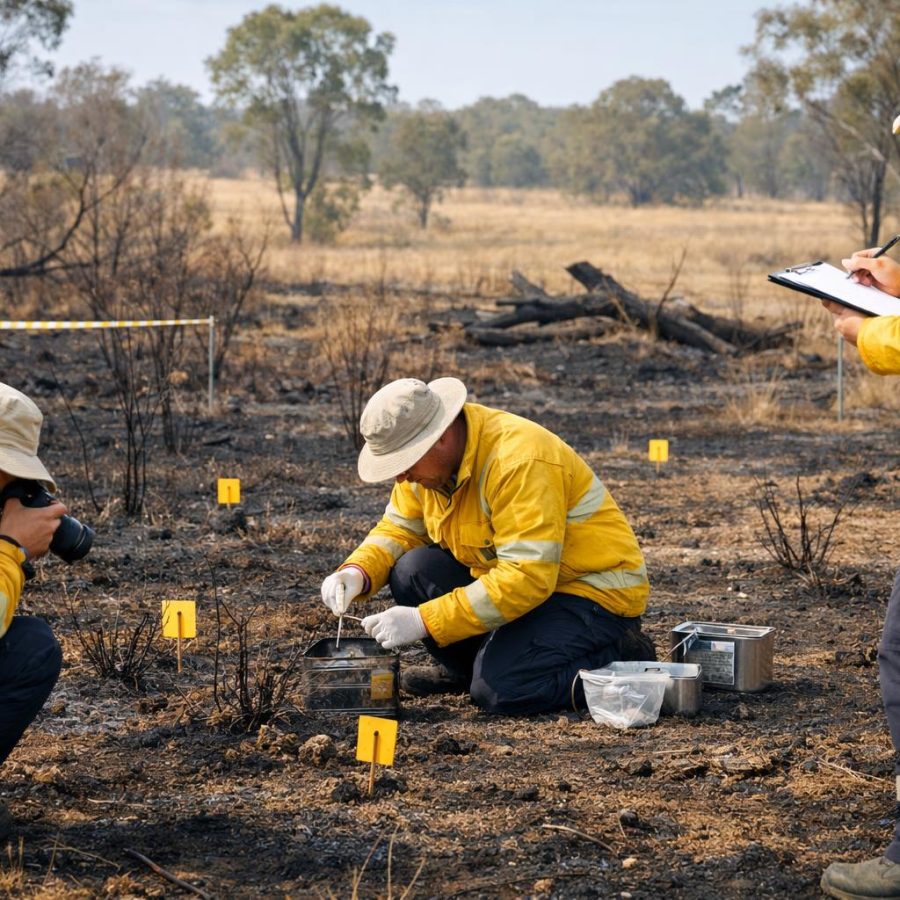
Between July 2024 and June 2025, QPWS conducted 637 planned burns, covering 968,884 hectares—surpassing their annual target by 52% (source). This proactive management is complemented by the Queensland Fire and Emergency Services’ (QFES) strategic planning and operational frameworks.
Strategic Planning and Legislative Reform
The Queensland Bushfire Plan, issued by QFES, outlines a clear vision focusing on a comprehensive four-pillar approach: prevention, preparedness, response, and recovery (source). Prevention strategies emphasise fuel management through controlled burns and community education. Preparedness includes enhancing firefighting capabilities and boosting community awareness programs.
In May 2024, the Queensland Government undertook significant legislative reforms to improve disaster, emergency, and fire service frameworks. These reforms aim to streamline operational procedures and strengthen the resilience and responsiveness of emergency services to bushfire events.
Community Resilience and Funding Initiatives
Building community resilience remains a central component of Queensland’s bushfire strategy. The Queensland Disaster Resilience Fund (QDRF), established in 2018, supports projects that enhance local preparedness and mitigation efforts. This includes funding for infrastructure upgrades, community education, and research into bushfire behaviour and impacts.
The Queensland Reconstruction Authority provides an important online resource through its Bushfire Website, offering accessible information on bushfire preparedness, response, and recovery options tailored to Queensland’s diverse communities.
Practical Implications for Queensland Communities
The scale and success of planned burns in Queensland demonstrate a practical commitment to reducing fuel loads and mitigating bushfire risks. Communities can expect ongoing maintenance of these controlled burns to minimise fire hazards near populated areas and critical infrastructure.
The QFES Strategic Plan 2022-2026 ensures that fire and emergency services remain agile and well-equipped to respond to bushfire incidents. This plan includes investing in personnel training, equipment modernisation, and technology adoption to improve early detection and rapid response capabilities.
Effective situational awareness is a cornerstone of Queensland’s bushfire response strategy. Advanced monitoring systems and real-time data sharing allow emergency services and community members to stay informed about incident developments, enabling timely evacuation decisions and resource deployment. Such capabilities reduce response times and limit damage to property and natural habitats.
Following bushfire events, coordinated clean-up and rebuild efforts are critical to community recovery. Local authorities, supported by state resources, facilitate debris removal and infrastructure repair, ensuring that affected areas return to safe and functional conditions as quickly as possible. Insurance processes are also streamlined to assist homeowners and businesses in managing damage claims efficiently, reducing financial stress during recovery phases.
Moreover, the integration of first aid training into community resilience programs equips residents with essential skills to manage minor injuries during bushfire emergencies, enhancing overall safety. Fire extinguishers are also promoted as a key household tool for immediate response to small flare-ups before emergency services arrive, reinforcing the importance of preparedness at the individual level.
Battery-powered devices, including radios and respirators, are vital components of emergency kits recommended by QFES. These tools ensure continuous communication and protection against smoke inhalation, which is a significant hazard during bushfire events. The availability of reliable power sources for such devices supports sustained relief efforts and personal safety.
Evacuation procedures are continuously refined based on lessons learned from previous fire seasons. Queensland authorities emphasise the importance of having clear evacuation routes and accessible shelters, with regular drills conducted in vulnerable communities to improve readiness. These measures are critical in minimising casualties and ensuring orderly movement during emergencies.
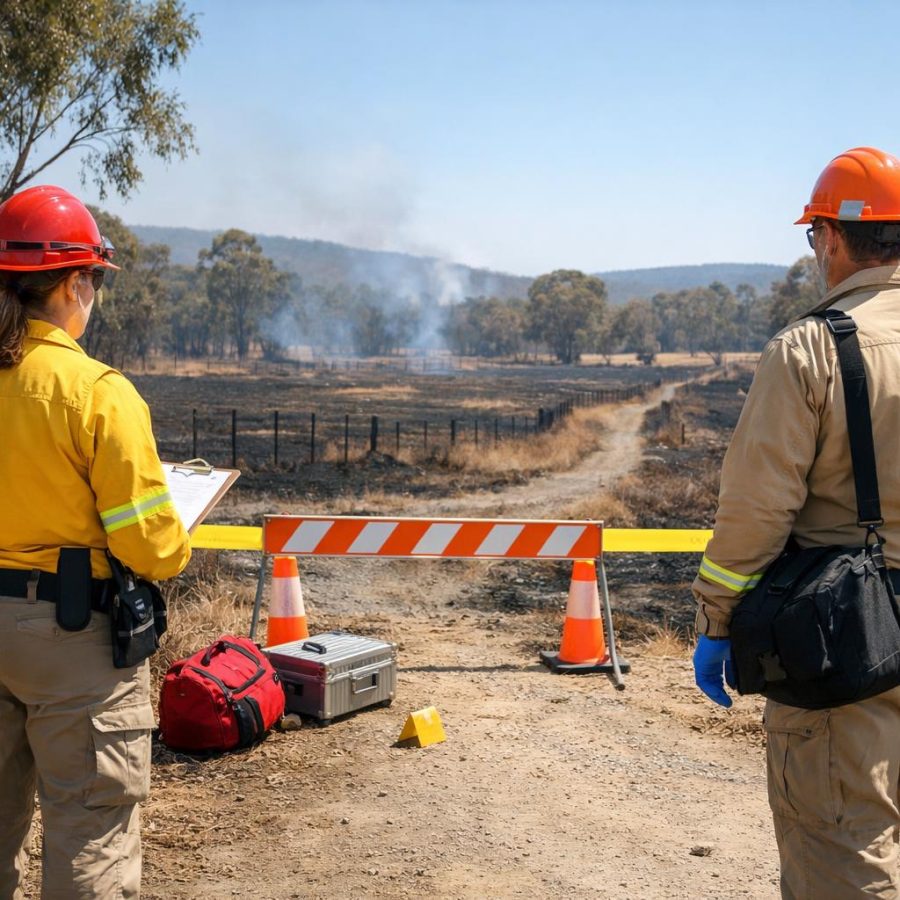
Cleanup operations post-bushfire involve not just debris removal but also environmental restoration efforts. Replanting native vegetation and soil stabilisation projects help to reduce erosion and promote the recovery of local ecosystems affected by fire. These initiatives contribute significantly to the long-term resilience and sustainability of Queensland’s natural landscapes.
What to do now
Queenslanders are encouraged to stay informed about bushfire risks through official channels such as the Queensland Reconstruction Authority’s Bushfire Website and QFES updates. Residents should prepare and regularly update personal bushfire survival plans, maintain clear property boundaries, and participate in local community resilience programs when available.
Engagement with local fire services and participation in community education initiatives enhances collective preparedness and ensures that individuals and families are better equipped to respond should a bushfire occur.
Evacuation planning forms a vital part of personal and community safety measures. Understanding evacuation routes, having emergency kits ready, and heeding official warnings reduce risks to life during bushfire incidents. Queensland Fire and Emergency Services provide clear guidance on when and how to evacuate safely, which communities are encouraged to follow diligently.
This evolving approach to bushfire management reflects Queensland’s commitment to safeguarding lives, property, and natural environments through informed, measured, and community-focused strategies.
FireRescue Training Hub
Access practical fire and emergency study support resources, downloads, checklists, audio guides, and member-only course content.
- Course library
- PDF downloads
- Audio guides
- Checklists
Study support only. Not accredited training or a replacement for workplace procedures.
About the author and safety review
Ken Walker
Former Station Officer and fire service educator
Former career firefighter with extensive career and volunteer fire service experience.
Qualifications: Associate Diploma of Applied Science in Fire Technology; Institute of Fire Engineers studies.
Author profilehttps://www.firerescue.com.au/about-us/