News & Updates
Understanding Multi-Agency Command in Extreme Events
When communities face natural disasters or other extreme events, the response effort relies heavily on coordinated actions by multiple emergency agencies. The concept of multi-agency command is central to managing complex incidents that require the expertise and resources of Fire and Rescue, Police, Ambulance services, and the State Emergency Service (SES). This article provides a detailed overview of how multi-agency command operates under extreme events within the Australian context, highlighting advanced fire research, emergency planning, and key operational considerations.
Key takeaways
Multi-agency command structures are vital for effective coordination during extreme events, ensuring clear roles and responsibilities among Fire/Rescue, Police, Ambulance, and SES. Understanding who to call in emergencies dialling ‘000’ and what to expect from each agency improves community resilience.
Advanced fire research informs operational tactics, enabling emergency services to anticipate hazards and manage resources efficiently. The collaboration embedded in multi-agency command enhances communication, planning, and response capabilities, reducing risks to both responders and the public.
Practical emergency planning must incorporate multi-agency command frameworks, ensuring that all responders work seamlessly together under high-pressure, rapidly evolving situations. This includes joint training exercises and shared information systems.
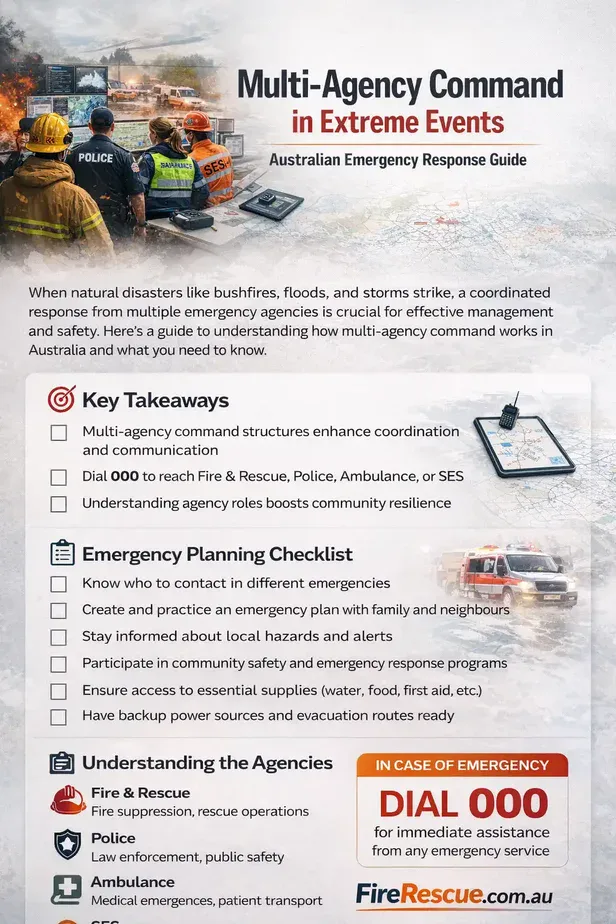
Understand how emergency agencies work together under pressure.
Explore a practical Australian guide covering coordinated response, command structure, agency roles, planning, and community-focused emergency awareness.
Background and context
Australias diverse landscape and climate expose communities to a variety of extreme events such as bushfires, floods, storms, and industrial accidents. Managing these incidents requires a multi-faceted approach, bringing together specialised skills and equipment from various agencies. The multi-agency command system was developed to provide a unified approach that avoids duplication, enhances safety, and streamlines decision-making.
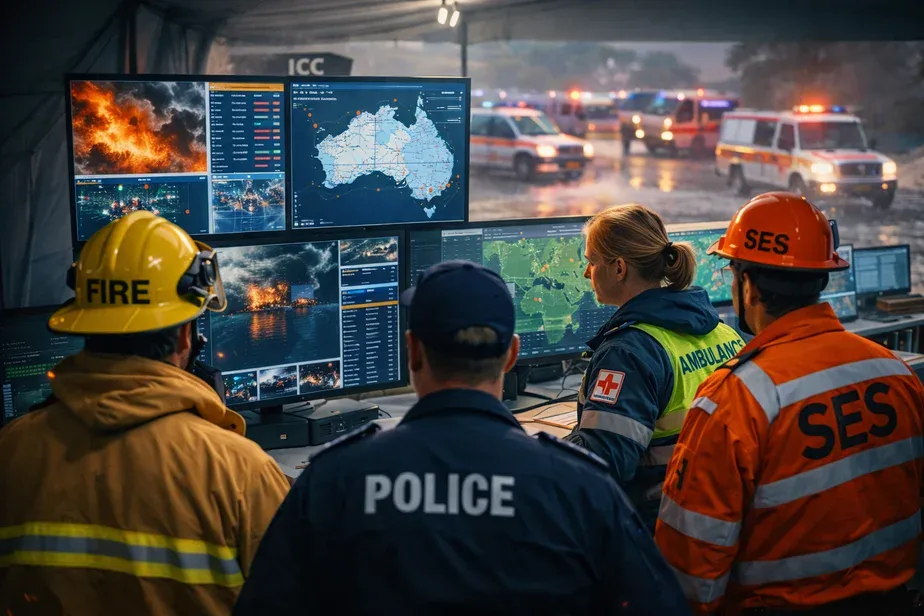
At the heart of this system is the Incident Control Centre (ICC) or similar command posts where representatives from Fire/Rescue, Police, Ambulance, and SES collaborate. Each agency contributes its expertise: Fire/Rescue focuses on fire suppression and rescue operations, Police handle law enforcement and public order, Ambulance provides medical support, and the SES specialises in flood and storm response as well as technical rescue.
The multi-agency command structure is designed to adapt to the scale and complexity of the incident. For smaller events, coordination may be streamlined with fewer agencies involved, while large-scale disasters demand a more layered command hierarchy. This scalability ensures that resources are allocated efficiently and that communication lines remain clear regardless of the incident size.
Moreover, the establishment of clear legal frameworks and memoranda of understanding between agencies supports the operational effectiveness of multi-agency command. These formal agreements outline responsibilities, resource sharing, and decision-making authority, reducing potential jurisdictional conflicts during emergencies.
The role of advanced fire research in multi-agency command
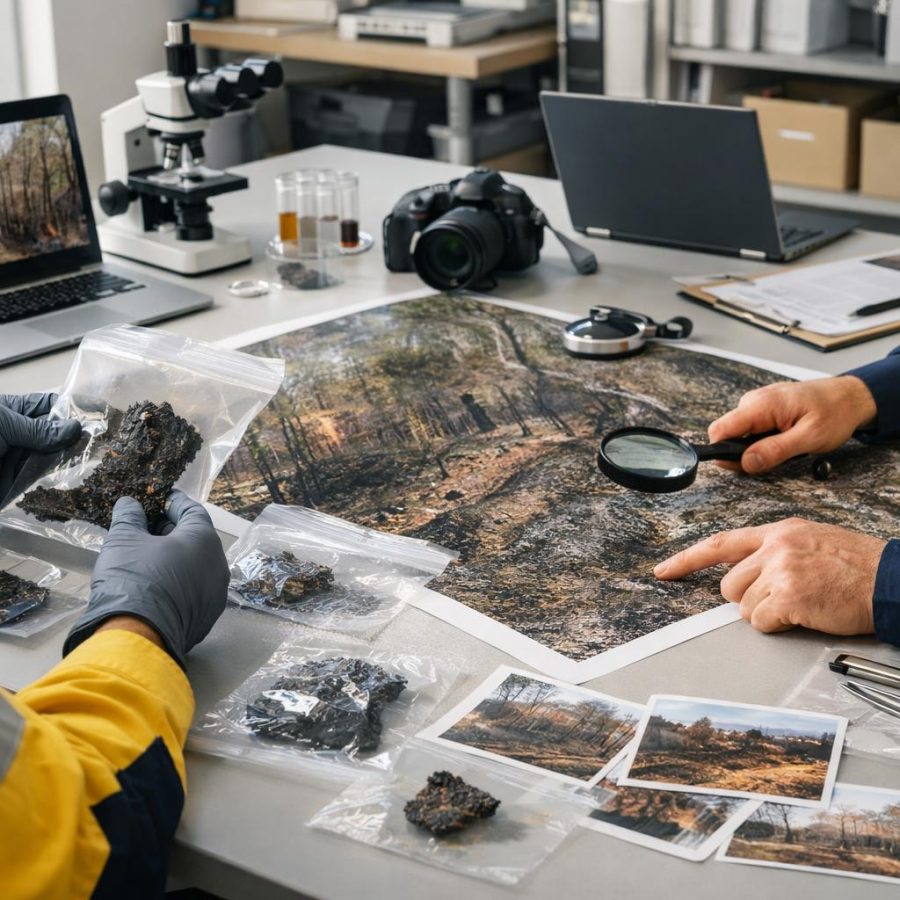
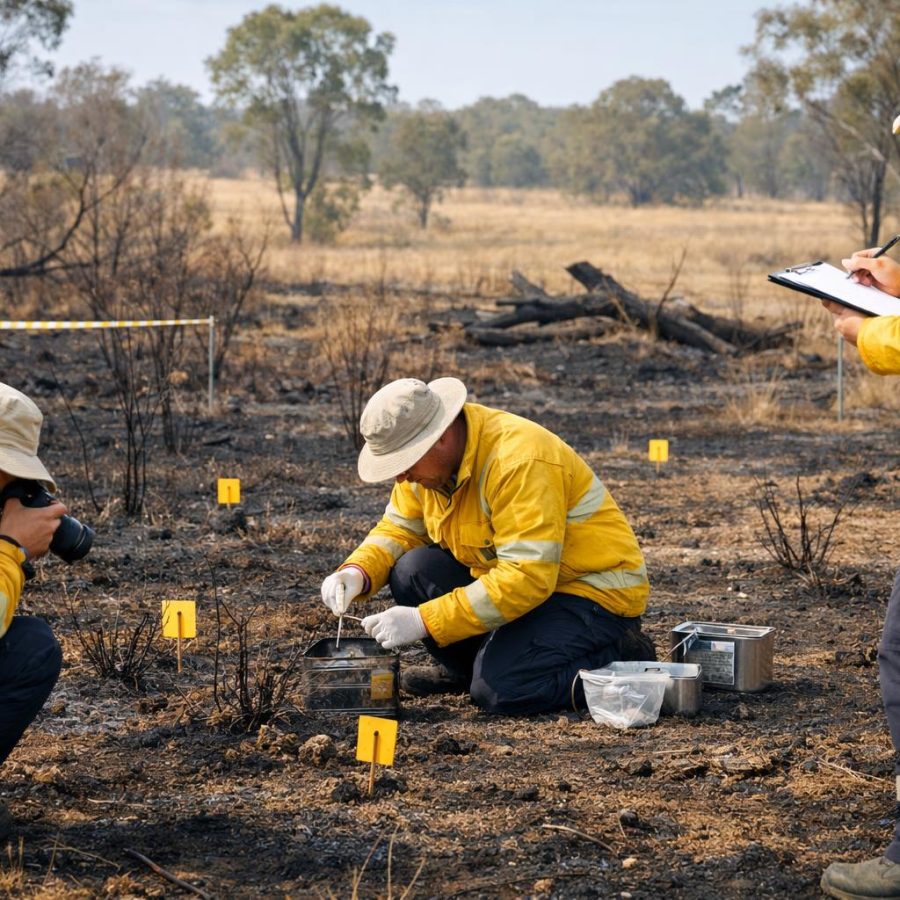
Advanced fire research plays a crucial role in shaping the strategies employed during extreme fire events. Research into fire behaviour, fuel loads, weather patterns, and terrain allows agencies to anticipate how a fire might evolve, where it will spread, and which communities are at greatest risk. This knowledge is shared within the multi-agency command to inform operational decisions.
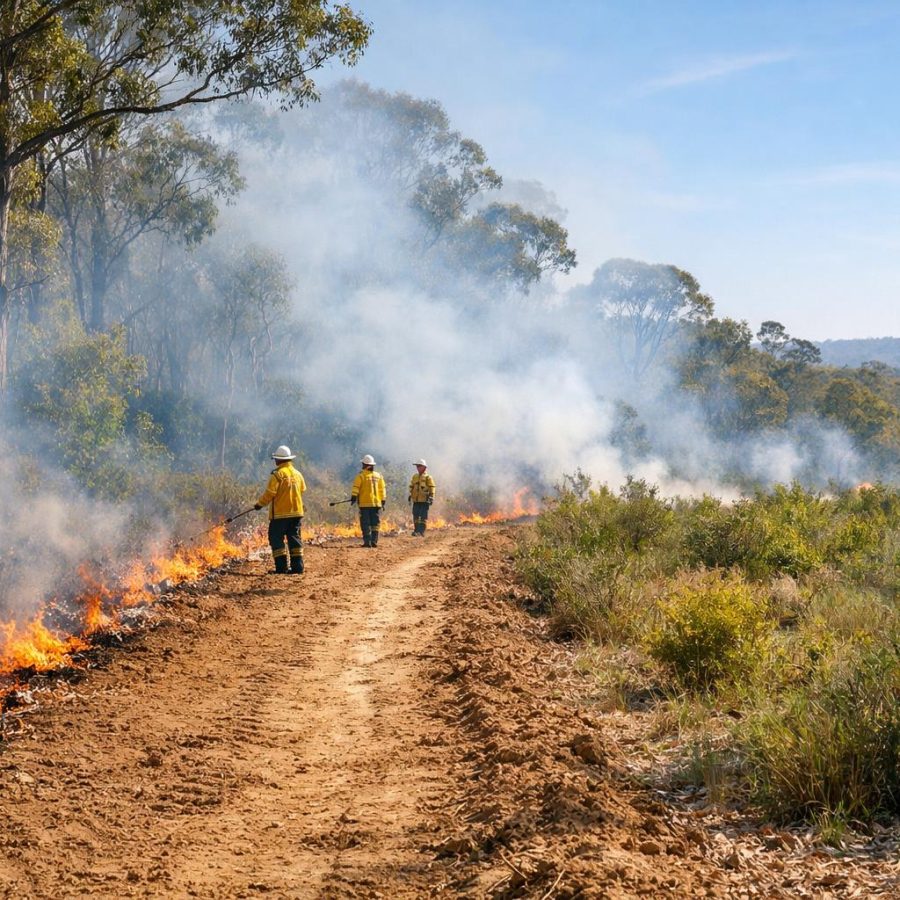
For instance, predictive modelling tools developed through fire research can help coordinate evacuation orders, allocate firefighting resources, and determine safe zones for responders. These insights also guide pre-incident planning such as controlled burns and community education initiatives that reduce hazard exposure.
In addition to predictive models, fire research contributes to the development of advanced technologies such as remote sensing, drones, and real-time fire mapping. These technologies provide commanders with up-to-date visual data, improving situational awareness and enabling more precise tactical decisions.
Integrating fire research findings across agencies enhances situational awareness and allows for a more adaptive response during evolving events. This scientific approach supports the overarching command structure by ensuring that decisions are evidence-based and risk-informed.
Emergency planning and operational coordination
Effective emergency planning is essential to making multi-agency command work in practice. Agencies must establish clear communication protocols, shared incident management systems, and defined roles before an event occurs. These preparations include joint training exercises, scenario planning, and resource sharing agreements.
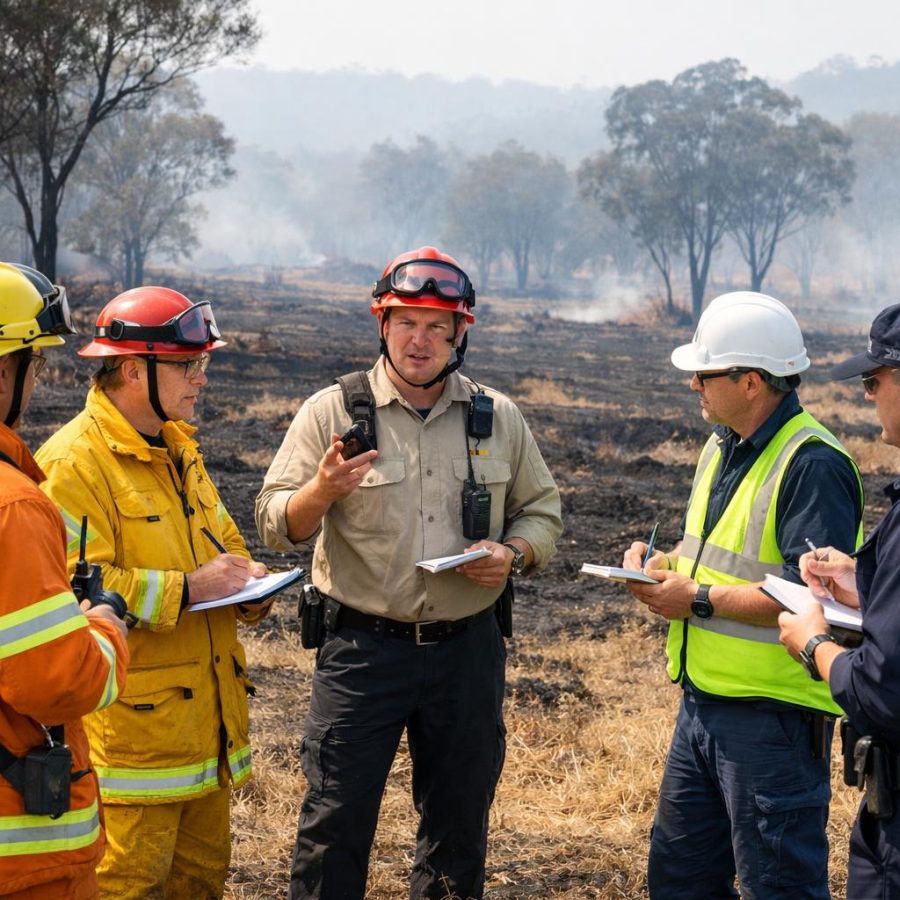
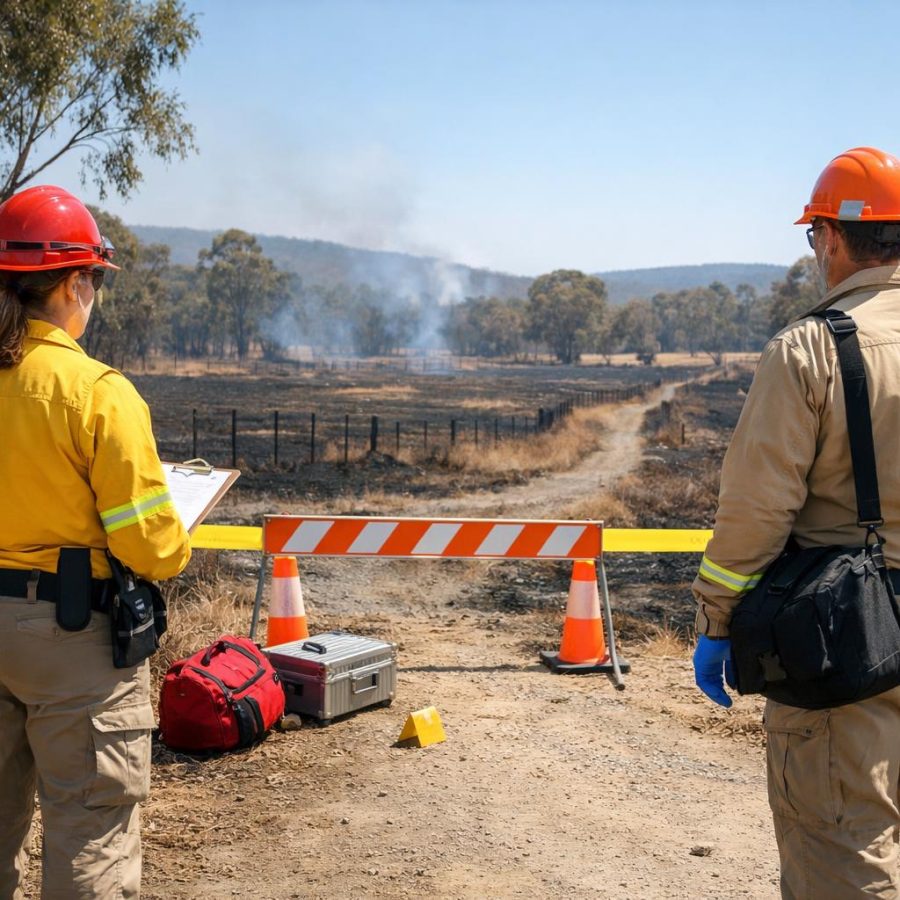
During an extreme event, the Incident Controller leads the coordination of all responding agencies, ensuring that efforts are complementary rather than conflicting. This leadership role involves setting priorities, managing information flow, and resolving operational conflicts. The Incident Controller is supported by agency commanders who manage their respective teams on the ground.
Coordination also extends beyond immediate emergency services to include local government, utility providers, and community organisations. These stakeholders contribute to recovery efforts, infrastructure restoration, and public information dissemination, highlighting the multi-dimensional nature of emergency management.
Communication channels between agencies include radio networks, emergency operations centres, and digital platforms that provide real-time updates. These tools enable rapid sharing of intelligence such as fire spread, road closures, and casualty reports. Strong inter-agency trust and cooperation underpin the effectiveness of these systems.
Who to call and the roles of each agency
In any emergency, the first step is to call 000, Australias universal emergency number. The call taker will then direct the caller to the appropriate service: Fire and Rescue, Police, Ambulance, or SES depending on the nature of the incident.
Fire and Rescue Services take charge when fire suppression or rescue operations are required. Their crews are trained to contain fires, conduct search and rescue, and provide hazardous materials response. Police undertake crowd control, traffic management, investigation, and public safety enforcement. Ambulance services focus on medical triage, treatment, and transport of injured persons. The State Emergency Service specialises in flood and storm damage response, including community warnings and technical rescues such as floodwater rescues or storm debris clearance.
Each agency also plays a critical role in community engagement and preparedness. For example, Fire and Rescue often lead public education on fire safety, Police work on crime prevention and emergency awareness, Ambulance services promote health emergencies preparedness, and SES provides training on flood and storm readiness.
The integrated response ensures that emergency calls are handled efficiently and that resources are deployed where they are most needed, minimising duplication and maximising safety outcomes.
Practical implications for communities and responders
For communities, understanding the multi-agency command approach can improve preparedness and response. Knowing to call 000 promptly and providing clear information helps emergency services mobilise quickly. Being aware of each agencys role can guide people to follow instructions from the correct authority, whether it is fire evacuation orders, police cordons, or SES flood warnings.
Communities are also encouraged to participate in local resilience programs and preparedness workshops often facilitated by these agencies. Such engagement fosters trust and ensures that residents understand evacuation routes, shelter locations, and emergency kit requirements.
For responders, working within a multi-agency command framework demands strong collaboration skills, flexibility, and ongoing training. Familiarity with shared incident management systems and communication protocols reduces confusion during high stress events. Joint exercises and after-action reviews foster continuous improvement.
Ultimately, the success of multi-agency command under extreme events depends on mutual respect, clear leadership, and a shared commitment to protecting life, property, and the environment. As Australia continues to face increasingly complex emergencies, this integrated approach remains an essential pillar of national resilience, helping to safeguard communities and support recovery efforts long after the immediate crisis has passed.
In addition to the immediate response, multi-agency command structures play a critical role in the recovery phase following extreme events. Coordinated efforts ensure that damage assessments, infrastructure repairs, and community support services are efficiently managed. Agencies collaborate to prioritise restoration of essential services such as electricity, water, and communications, which are vital for returning normalcy to affected areas.
Moreover, lessons learned from each incident feed into continuous improvement of emergency management practices. Multi-agency debriefings and shared data analysis allow agencies to refine protocols, enhance training programs, and update resource allocations. This cycle of evaluation strengthens future preparedness and helps mitigate the impacts of subsequent events.
Community involvement does not end with the cessation of the emergency. Post-event recovery initiatives often involve outreach programs to assist vulnerable groups, provide mental health support, and rebuild social networks disrupted by the disaster. Multi-agency partnerships extend to non-government organisations and local volunteers who contribute significantly to these efforts.
Ultimately, multi-agency command under extreme events exemplifies a holistic approach to emergency management, encompassing preparedness, response, and recovery. Its success hinges on the ongoing commitment of all stakeholders to work collaboratively, supported by robust research and adaptive planning.
FireRescue Training Hub
Access practical fire and emergency study support resources, downloads, checklists, audio guides, and member-only course content.
- Course library
- PDF downloads
- Audio guides
- Checklists
Study support only. Not accredited training or a replacement for workplace procedures.
About the author and safety review
Ken Walker
Former Station Officer and fire service educator
Former career firefighter with extensive career and volunteer fire service experience.
Qualifications: Associate Diploma of Applied Science in Fire Technology; Institute of Fire Engineers studies.
Author profilehttps://www.firerescue.com.au/about-us/