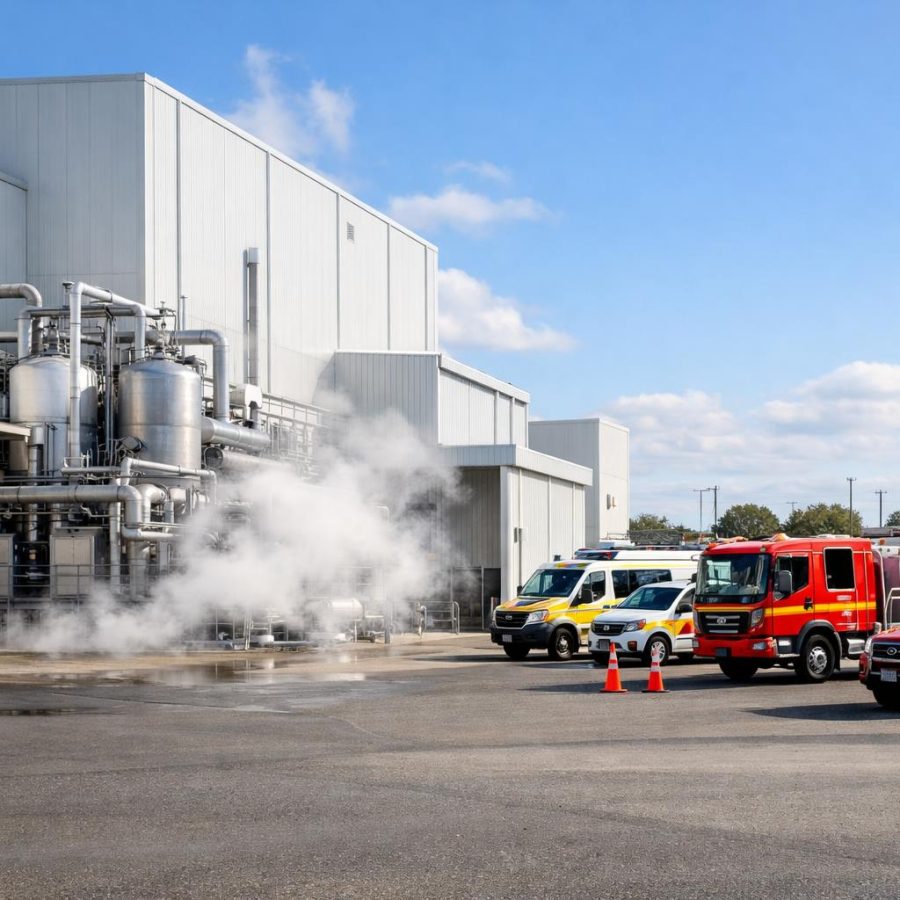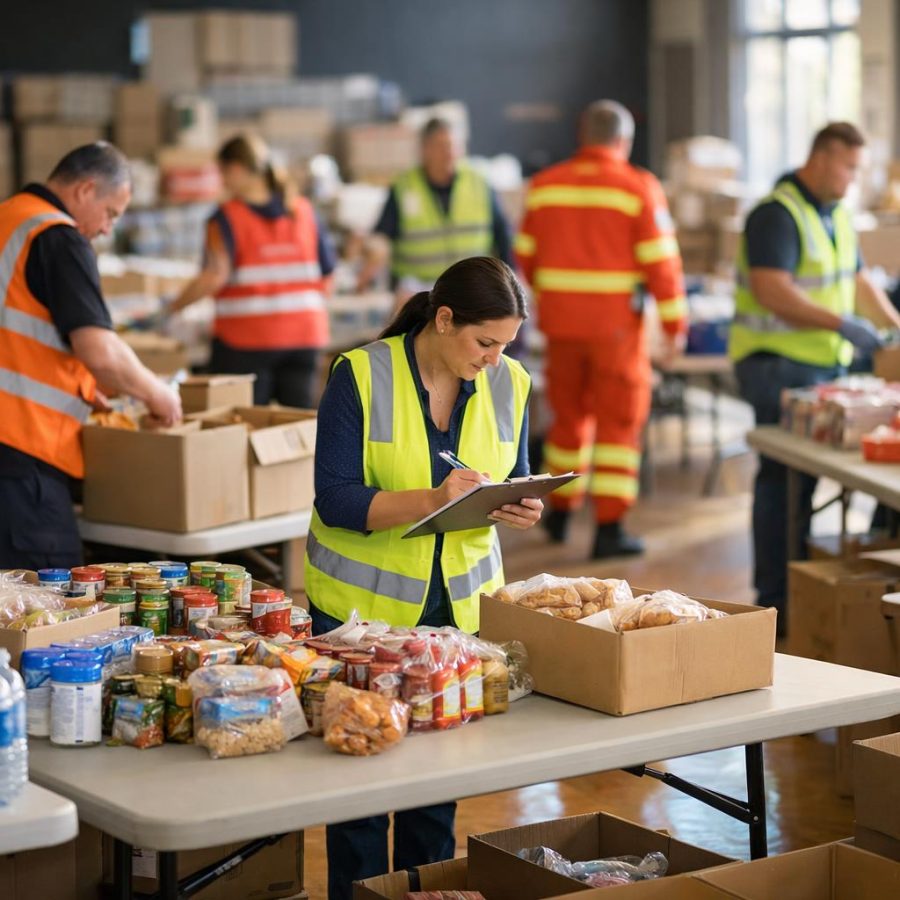
When the fire trucks leave, the recovery process often feels uncertain, exhausting and overwhelming. The safest approach is to pause, wait for permission, and take each step in order: protect people first, confirm the building is safe, then start dealing with property, services, insurers and support.
What happens when firefighters finish their work
When crews have finished extinguishing the fire, checking for hot spots and making the scene as safe as they can, the incident does not automatically become safe for occupants to return. Firefighters may still need to keep access restricted while they finish checks, hand over information, or wait for another authority to assess the building.
In Australia, the firefighter or officer in charge will usually advise whether it is safe to remain in or enter the property. If there is any doubt, people should stay out until permission is given. That instruction is not a formality. Fire can weaken floors, walls, roofs, stairs and ceilings in ways that are not obvious from outside.
Depending on the damage, other people may also become involved before anyone is allowed back inside. A council building inspector, a structural engineer, a gas or electricity provider, or another qualified professional may need to assess the property. The exact process varies by state, territory and local area, so residents should follow the directions given at the scene.
For firefighters, this is also a useful message to reinforce with residents: the end of suppression work is not the end of risk management. A calm, clear handover helps occupants understand that the next stage is assessment, not rushing back inside.
Who decides whether the building is safe
There is no single universal rule for every house fire. The person or agency with authority to approve entry depends on the circumstances, the type of building damage and local procedures. In practice, the decision may involve the officer in charge at the incident, the fire agency, police, a council officer, a building inspector, a landlord or a qualified tradesperson working within their area of responsibility.
Residents should not make the decision themselves based only on a quick look from the street. A house can appear intact while having serious damage to wiring, gas lines, roof framing, internal walls or floors. Smoke and water can also spread far beyond the area burned.
If the property is being treated as unsafe, access may be restricted until the building is inspected and any hazards are controlled. If the fire has affected neighbouring homes, fences, shared driveways or units, additional checks may also be needed before people can return.
Why re-entry should wait for permission
- Fire can leave floors, stairs and ceilings unstable.
- Electrical systems may be damaged even if lights still seem to work.
- Gas leaks, water leaks and contaminated water may be present.
- Smoke, soot and ash can irritate eyes, skin and lungs.
- Loose debris, broken glass and hot materials can still cause injury.
- Some damage is hidden behind walls, under floors or in roof spaces.
If the property is declared unsafe, that usually means no one should re-enter except authorised personnel. That can include firefighters, police, inspectors, utility workers, insurers’ representatives, or restoration contractors when they have been directed to attend and have the right safety controls in place.
The first hour after a house fire
The first hour is about people, not possessions. If anyone is injured or unaccounted for, call Triple Zero (000) immediately. If the fire has already been controlled, move to the safest available location and follow instructions from emergency services.
Once you are away from immediate danger, try to gather only what is essential. If it is safe and permitted, take mobile phones, chargers, keys, wallets, medication that has been confirmed safe, glasses, hearing aids, baby items and any urgently needed documents. Do not go back inside to search for belongings unless you have been told it is safe.
It can help to make one short list in your phone or on paper:
- who is with you
- who still needs to be contacted
- where you can stay tonight
- what medications or medical items are urgently needed
- which pets need attention
If a person is distressed, keep communication simple. Give one task at a time. A frightening event can make it hard to think clearly, and people may forget even basic details.
At this stage, do not start cleaning, turning on power, reconnecting gas, ventilating with fans, or moving damaged appliances. Those steps may create more danger before the building has been checked.
What to do within 24 hours
The first day after a house fire is usually a mix of practical calls, temporary arrangements and waiting for assessments. The order matters because safety comes before claims, cleaning and repairs.
1. Confirm the property is secure and who is responsible for it
Once emergency services hand the property back, the owner or occupier may become responsible for securing it against weather, theft and vandalism. That might mean arranging temporary boarding, locks, fencing or tarping, but only after it is safe to do so and only with approval from the relevant authority or insurer if required.
If you are a tenant, contact the landlord or property manager as soon as possible. Ask who will arrange security, emergency repairs and access for inspections. Tenants should not assume they can commission major work without discussing it first.
If you are a homeowner, speak with your insurer early and ask what they need before any clean-up or repair work begins. If you do not have insurance, contact the local council, community recovery services or support agencies to ask what assistance may be available in your area.
2. Contact your insurer or landlord promptly
The Insurance Council of Australia and insurers commonly advise people to contact their insurer as soon as reasonably possible after a loss. That call is usually one of the most important early steps. Ask what information they want, whether they need photographs before anything is moved, and whether they have preferred emergency or restoration providers.
If you rent, tell the landlord or property manager about the fire and ask them to confirm the next steps in writing if possible. Keep records of calls, messages and emails, including dates, times and names where available.
3. Check electricity, gas, water and communications
Fire can damage electricity, gas, water, telephone and internet services. Do not switch power back on, light pilot lights, or try to reconnect services yourself unless a qualified tradesperson and the relevant provider have confirmed it is safe.
Even if a service appears to be working, it may still be unsafe. A wire can be heat-damaged, a pipe can be cracked, or a meter can be compromised. Service reconnection should be handled by the relevant provider and qualified tradespeople.
| Service | What to do after a fire | Who should handle it |
|---|---|---|
| Electricity | Leave switched off until checked | Qualified electrician and electricity provider |
| Gas | Do not use or relight appliances | Gas fitter and gas provider |
| Water | Check for leaks or contamination | Plumber or water provider where needed |
| Telephone and internet | Expect outages or damaged equipment | Service provider or technician |
Never assume that one working light or one running tap means the whole system is safe. A fire can cause partial damage that does not show up straight away.
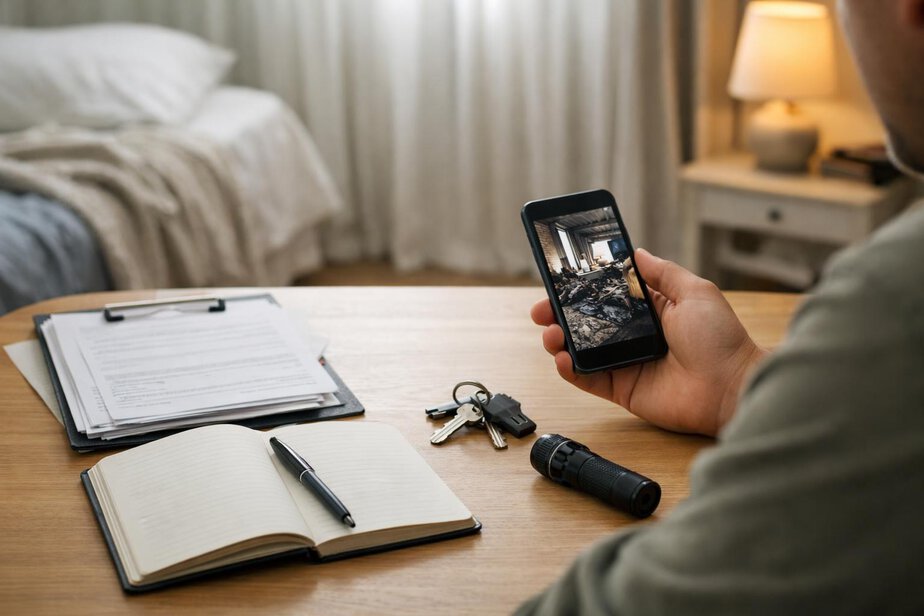
4. Photograph or video the damage if it is safe
Where it is safe to do so, photograph or video the damage before cleaning, moving or discarding items. Include wider shots of rooms and closer images of damaged items. This can help with insurance, landlord discussions and restoration planning.
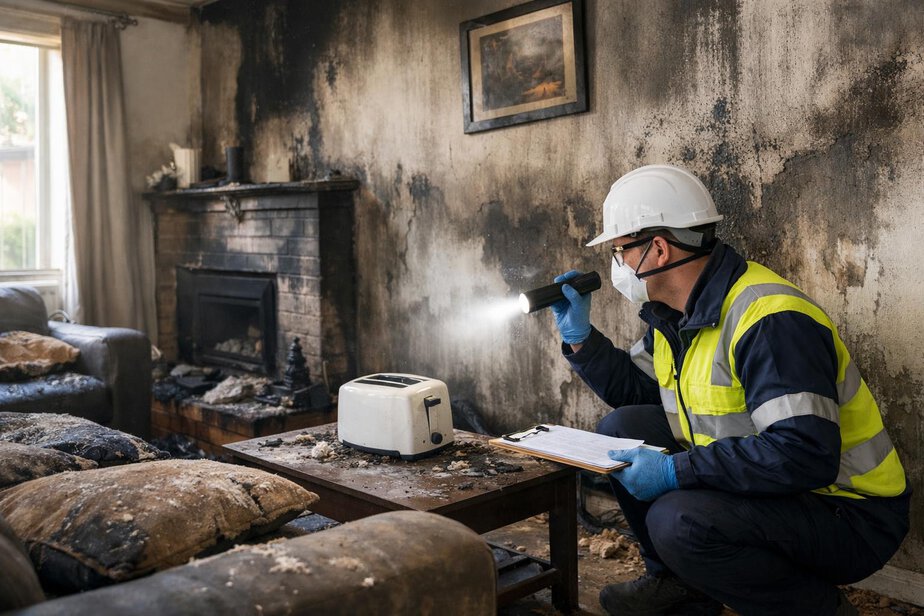
Try to avoid throwing anything away until you know whether it needs to be inspected. Smoke, soot and water damage may not be visible at first glance, and some items may look unusable but still be important evidence for a claim.
Before you re-enter the property
This checklist is for residents, tenants, homeowners and firefighters sharing recovery advice. It is not a substitute for local instructions, but it gives a practical order for the first safe return to a damaged home.
Before You Re-enter the Property
- Wait for permission from emergency services or the responsible authority.
- Check whether the building needs inspection by a council officer, building inspector or engineer.
- Confirm there are no active hazards such as smoke, gas leaks, exposed wiring or unstable floors.
- Ask whether electricity, gas and water have been isolated or declared safe.
- Wear sturdy shoes, long clothing and gloves if directed and if it is safe to enter.
- Take a phone, charger, torch and any essential medication only if it is safe to collect them.
- Do not disturb suspected asbestos or unstable building materials.
- Do not turn on appliances or use outlets until checked by a qualified person.
- Look for signs of hidden water, soot or structural damage.
- Ask whether the property must be secured before you leave again.
If anything feels uncertain during re-entry, stop and leave. A cautious exit is better than a second emergency.
The first week: hidden damage, temporary living and practical decisions
During the first week after a house fire, many people discover that the hardest part is not the visible damage. It is the hidden damage, the paperwork and the strain of living somewhere else while normal routines are interrupted.
Smoke, soot and water damage can keep spreading
Smoke and soot can reach rooms that were not directly burned. Odours may cling to textiles, soft furnishings, toys, documents and walls. Firefighting water can also soak into floors, insulation and cupboards, creating mould risk and further deterioration if it is not managed properly.
Do not assume an item is safe simply because it looks untouched. Electronics, books, clothing, mattresses and kitchenware may all need specialist advice before reuse. The same applies to family photos, important papers and sentimental items. Ask an insurer or restoration contractor how to handle items that may be salvageable.
Asbestos and unstable materials
If the property is older or contains suspect building materials, do not disturb them. Heat and impact can damage plaster, sheeting, insulation and other materials, and some homes may contain asbestos. If you suspect asbestos, leave it alone and seek advice from a qualified professional before any cleanup or demolition work begins.
Residents should never sweep, sand, scrub or tear out damaged materials without guidance. That can release fibres, dust and contaminants into the air.
Damaged lithium-ion batteries and re-ignition risk
Battery-powered devices and spare lithium-ion batteries can be dangerous after a fire, even if they do not look badly damaged. They may overheat, smoke, hiss or reignite. Follow the latest guidance from your fire agency and local authorities about storage, isolation and disposal. If a damaged battery starts smoking, heating, hissing or burning, call Triple Zero (000) immediately.
Until you have proper advice, keep damaged batteries and battery-powered devices away from living spaces, combustibles and children. Do not puncture, crush or open them.
Temporary accommodation and essential belongings
Many people will need a short-term place to stay. That might be with family or friends, in a hotel, in emergency accommodation or through another arrangement. Keep a list of what you need to function day to day, such as clothing, school uniforms, chargers, prescriptions, glasses, toiletries, baby supplies and pet food.
For people without insurance, the priorities are often the same, but the pathway may be different. Contact your local council, state recovery services, charitable agencies, community centres or housing support services to ask what help is available. Assistance varies by location and circumstance.
How the different agencies may be involved
After a house fire, several organisations may each have a separate role. Knowing who does what can reduce confusion and repeated calls.
- Firefighters: extinguish the fire, check for hot spots, control immediate hazards and advise on whether entry is safe.
- Police: may assist with scene control, access restriction, inquiries and public safety depending on the incident.
- Council: may arrange or require building inspection, environmental health advice or local recovery support.
- Utility providers: handle isolation, inspection, repair and reconnection of services they own or manage.
- Insurers: explain claim steps, evidence needs, approved emergency work and assessment processes.
- Restoration contractors: may dry, clean or stabilise the property after approval, often following insurer or owner instructions.
These roles can overlap, but they are not the same. A resident should not ask a firefighter to approve a repair job, or expect an insurer to declare the building structurally safe. Each organisation has a different responsibility.
For people sharing recovery advice, it helps to say: ask the right organisation the right question. For example, ask the utility provider about services, the council about building control, and the insurer about claim steps and temporary repairs.
What to discuss with your insurer or landlord
- Whether the property can be entered and when.
- What evidence they need before clean-up starts.
- Whether emergency temporary repairs need prior approval.
- Who is arranging security, boarding, tarping or cleaning.
- How temporary accommodation is handled in your situation.
- What to do with smoke-damaged, wet or unsalvageable items.
- How to report later problems such as odour, mould or hidden damage.
- How rent, lease obligations or access arrangements will be managed if you are a tenant.
Do not promise or assume any particular claim outcome. The insurer will assess the situation according to the policy and the information provided.
Food, medication, clothing and personal documents
After a fire, the question of what can be kept is often emotional as well as practical. Some items may be replaceable, but others carry personal or legal importance.
Food and kitchen items
Food exposed to heat, smoke, soot or contaminated water should be treated cautiously. When in doubt, leave it out and ask a qualified source for advice. Fridges and freezers may have been left without power long enough for food safety to become uncertain, even if the appliances themselves still look fine.
Cookware, plates, cutlery and benchtop appliances can also be contaminated. Some may be cleaned; others may need disposal. Ask your insurer or restoration contractor how they want these items documented before anything is removed.
Medication and health items
Medication should not be used if it may have been exposed to heat, smoke, soot or contaminated water unless you have appropriate advice. If you rely on regular medication, contact a pharmacist, doctor or health service as soon as possible for guidance on replacement or safe use. Do not guess.
Items such as glasses, hearing aids, mobility aids and medical devices may need special checking. If these are missing or damaged, speak to the relevant service provider or health professional.
Clothing and personal papers
Clothing can often retain smoke odour even when it looks clean. Separate salvageable clothing from items that are clearly contaminated or damaged, but wait for advice before deep cleaning large loads. Personal documents such as passports, birth certificates, tenancy papers, insurance records and school forms may need to be replaced if damaged.
Store any damp documents carefully. Drying them quickly and gently may help, but rough handling can make them worse. Again, take photographs before trying to sort or restore them.
Pets, family wellbeing and emotional stress
House fires affect animals and people differently, but both can be distressed by the noise, smoke, disruption and loss of familiar routines. Pets may be frightened, injured or missing after an evacuation. Check them as soon as it is safe and seek veterinary advice if they seem unwell.
Keep pet medications, food, leads, carriers and microchip details together if possible. If a pet has been exposed to smoke or water, do not assume it is fine because it is moving around normally. Small animals can hide signs of injury or stress.
For people, the emotional impact can be just as significant as the material loss. Tiredness, anxiety, poor sleep, sadness and difficulty concentrating are common after a frightening event. Some people feel numb at first and overwhelmed later. Others find decision-making harder than usual for days or weeks.
Practical support can make a big difference. Try to keep meals simple, rest where possible, and limit the number of decisions you make in one sitting. If children are involved, give age-appropriate explanations and keep routines predictable where you can.
If distress is severe, prolonged, or affecting safety and daily function, seek professional support through a doctor, counsellor or local mental health service. Recovery after a house fire is not only about the building. It is also about the people who lived there.
A simple recovery timeline
The following timeline is a general guide only. Local instructions, insurer processes and the condition of the building may change the order.
What to do immediately
- Get everyone to safety and call Triple Zero (000) for any life-threatening emergency.
- Follow instructions from firefighters, police and other emergency services.
- Do not re-enter until the building is declared safe or you are given permission.
- Collect only essential items if you are allowed to do so safely.
- Arrange somewhere temporary to stay if needed.
What to do within 24 hours
- Contact your insurer, landlord or property manager.
- Confirm how the property will be secured.
- Ask about electricity, gas, water and communications checks.
- Photograph or video damage if it is safe.
- Make a list of urgent needs, including medication, clothing, school items and pet supplies.
What to do during the first week
- Follow inspection and repair advice from qualified professionals.
- Record damaged items and keep receipts for necessary purchases.
- Check for hidden smoke, soot, odour, water damage and mould risk.
- Ask about asbestos, structural concerns and battery safety where relevant.
- Keep in touch with your insurer, landlord, council or support services.
What to discuss with your insurer or landlord
- Access to the property and any restrictions still in place.
- Emergency repairs and whether approval is needed first.
- Temporary accommodation or alternative housing options.
- How to document belongings, cleaning costs and accommodation expenses.
- Timing for inspections, repairs and return to the property.
Recovery is a process, not a single task
After a fire, it is tempting to focus only on what was lost. But the safest and most useful recovery starts with the basics: wait for clearance, make the property safe, document damage, protect services, and get the right people involved early.
For firefighters, the most helpful advice to pass on is often simple. Tell residents not to rush back inside, not to reconnect services themselves, and not to throw things away before checking with their insurer or landlord. Encourage them to take photographs, keep records and ask for help with accommodation, pets and emotional support.
For members of the public, the main message is just as clear. A house fire recovery is a step-by-step process, and the first step is always safety. Follow instructions from emergency services, qualified tradespeople, your local council and your insurer, and verify local procedures before acting on any advice that may have changed.
FireRescue Training Hub
Access practical fire and emergency study support resources, downloads, checklists, audio guides, and member-only course content.
- Course library
- PDF downloads
- Audio guides
- Checklists
Study support only. Not accredited training or a replacement for workplace procedures.
About the author and safety review
Ken Walker
Former Station Officer and fire service educator
Former career firefighter with extensive career and volunteer fire service experience.
Qualifications: Associate Diploma of Applied Science in Fire Technology; Institute of Fire Engineers studies.
Author profilehttps://www.firerescue.com.au/about-us/