How Emergency Services in the ACT Evolved — Then and Now
A concise look at the origins, key milestones, and the modern emergency response framework keeping Canberra safe today.
Early Beginnings: The Origins of Emergency Services in the ACT
The foundations of emergency response across the Canberra region were modest and community-driven. In the decades before and immediately after federation, local volunteers and small policing units provided the bulk of public safety services. These early arrangements reflected the pragmatic, community-first culture of a growing capital—neighbours helping neighbours, often with limited equipment but considerable commitment.
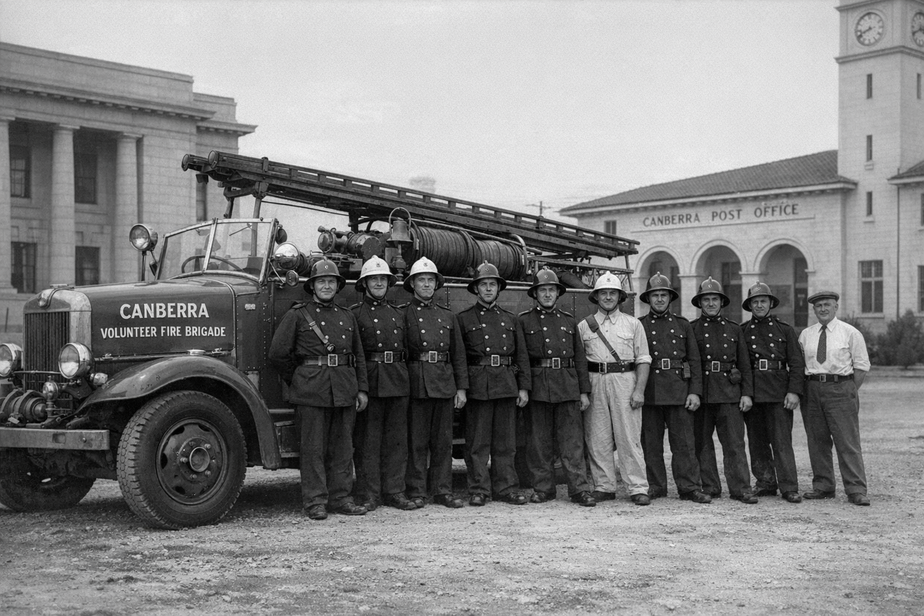
Across the early 20th century, several informal services emerged: volunteer fire brigades clustered around townships and growing suburbs, local volunteer ambulance groups managed medical evacuations, and police maintained basic law-and-order functions. As Canberra transitioned from a planned city concept into an active administrative centre, the pressures of population growth, urban development and wartime mobilisation accelerated the push towards professionalisation.
After World War II, the pattern changed significantly. Demand for consistent, reliable public safety services made ad-hoc responses insufficient. The territory’s unique governance—subject to federal oversight rather than a conventional state government—meant that structure and funding models evolved in a distinct way, often requiring coordination between Commonwealth agencies and local bodies to set standards, allocate resources and define responsibilities.
Key early themes
- Volunteerism as the dominant early model for firefighting and rescue.
- Incremental move toward paid ambulance and fire staff as the city grew.
- Federal and territorial coordination influencing governance and funding.
Major Milestones and Reforms Through the Decades
From the 1950s on, Canberra’s emergency services matured through a sequence of organisational and legislative steps. Formal ambulance services were established with trained paramedics and standard equipment. Fire services consolidated into permanent stations, and policing expanded to match the city’s economic and demographic growth.
Legislative reforms in the latter part of the 20th century clarified roles and responsibilities. These reforms were critical in shaping inter-agency cooperation, particularly with neighbouring New South Wales, where incidents occurring near jurisdictional boundaries required close collaboration. Clearer statutory roles helped streamline funding and clarified operational command during complex incidents.
High-profile incidents—large bushfires, damaging storm systems, and significant road-traffic emergencies—served as catalysts for change. After-action reviews from such events routinely pushed investment into better equipment, improved training, and stronger communications platforms. The arrival of radio dispatch transformed how incidents were triaged and attended; later, computer-aided dispatch systems and digital records further reduced response times and improved incident coordination.
“Lessons learned from severe incidents have repeatedly shifted policy: better equipment, smarter communications, and an emphasis on cross-agency training make the difference between an adequate and an excellent response.”
Notable developments
- Establishment of permanent ambulance and fire stations across key suburbs.
- Introduction of inter-jurisdictional protocols with New South Wales.
- Technology upgrades—transition from analogue radios to integrated digital dispatch.
- Formalised training and standards for volunteer and career staff.
The Modern ACT Emergency Services Landscape
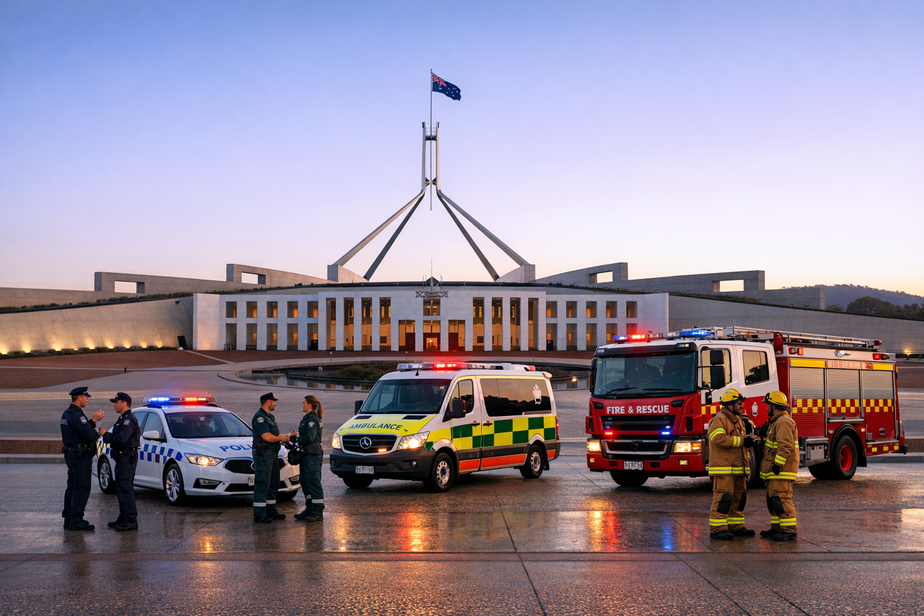
Today the ACT’s emergency ecosystem balances statutory agencies with volunteer contributions. The principal actors you will encounter are the ACT Ambulance Service, ACT Fire & Rescue, ACT Policing, and the ACT State Emergency Service (SES). These organisations operate alongside volunteer brigades, community first responders and supporting non-government groups.

The ACT Emergency Services Agency (ESA) plays a coordination role across prevention, preparedness, response and recovery. This centralized approach helps ensure consistent messaging, efficient resource allocation and joint training across hazards like bushfire, flood, storm and major incidents. Centralised emergency operations centres provide real-time situational awareness that enables multi-agency responses to scale quickly.
Volunteer organisations remain vital: the SES and volunteer fire brigades expand capacity during peak demand and are often the first on scene for localized incidents. Career staff provide sustained operational capability and specialist functions—hazmat response, technical rescue, advanced paramedics—and together these teams form a resilient, layered response model.
Systems and capabilities
- Centralised dispatch and operations rooms for multi-agency coordination.
- Specialist teams for technical rescue, hazardous materials, and medical retrieval.
- Volunteer networks integrated into surge capacity and community outreach.
- Robust training pipelines and cross-agency exercises to maintain interoperability.
Key takeaway
The modern model blends statutory authority, volunteer commitment and technology-driven coordination to deliver faster, more effective emergency responses across the territory.
Notable Recent Incidents and Lessons Learned
Recent bushfire seasons and severe storms have been the most prominent stress-tests of the ACT system. Each major incident has generated practical lessons: the importance of early warnings, the value of clear public messaging, and the need for resilient critical infrastructure that can operate through extended disruptions.
After-action reviews commonly highlight a few recurring themes. First, community preparedness significantly reduces demand on emergency services during the peak of a crisis. Second, coordinated exercises with neighbouring New South Wales agencies address jurisdictional gaps and improve resource-sharing. Third, investment in public alerting and targeted outreach to vulnerable populations ensures more equitable outcomes during emergencies.
“Preparedness is not just the responsibility of agencies — it is a shared social contract. Communities that practise and plan recover faster and reduce the burden on responders.”
Concrete outcomes from lessons learned
- Upgraded evacuation planning tied to clearer, tiered warning systems.
- Investment in sheltering protocols and temporary accommodation strategies.
- Enhanced cross-border drills that test resource staging and mutual aid arrangements.
How Preparedness and Prevention Work Today
Preparedness in the ACT is a combination of community education, targeted mitigation works and ongoing professional development. The ACT government and ESA promote household preparedness through guidance on emergency plans, evacuation kits and sign-up channels for official alerts. Practical mitigation—like prescribed burns, fuel-reduction strategies and stormwater upgrades—reduces the probability or impact of many hazards.
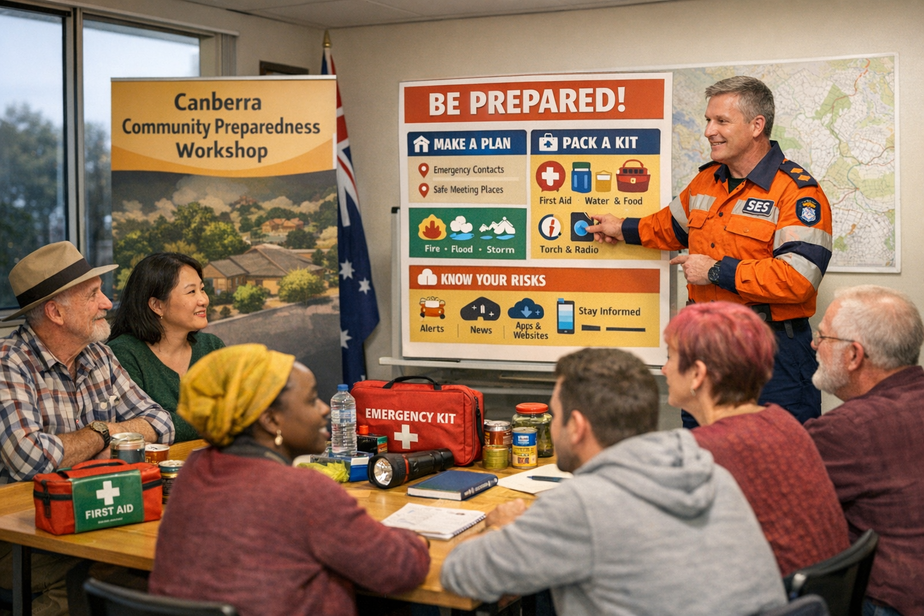
Risk mapping and climate-adaptive planning inform decisions on land use and urban design to limit long-term exposure. Meanwhile, continuous professional development ensures responders maintain contemporary incident management skills, receive mental health support, and practise interoperability techniques in simulated environments.
Programs and tools
- Household guidance and official alert channels for real-time warnings.
- Mitigation projects—prescribed burning, vegetation management, and flood infrastructure upgrades.
- Volunteer recruitment and training programs to sustain community capacity.
- Focus on responder wellbeing and post-incident recovery planning.
Actionable tip
Register for ESA alerts, maintain a simple household evacuation plan and periodically refresh your emergency kit to match seasonal risks.
How Residents Can Engage and Stay Safe
Residents play a central role in community safety. Practical steps significantly reduce risk and make emergency operations more effective when incidents occur. At household level, a clear evacuation plan and a well-stocked go-bag tailored to family needs (and pets) are essential.
Practical checklist
- Sign up for local emergency alerts and monitor official ACT ESA channels.
- Create an evacuation plan: know two escape routes and a reunion point.
- Prepare a go-bag with medications, documents, water, chargers and pet supplies.
- Participate in community information nights or join local volunteer groups.
- Know your local risks—bushfire-prone areas, flood zones—and act on mitigation advice.
Engaging with the SES or volunteer brigades through information sessions not only builds skills but also strengthens local networks that are invaluable in a crisis. Following official sources during incidents avoids confusion; social media can be useful but should be cross-checked against authoritative channels.
Resident takeaway
Prepared households and connected neighbourhoods reduce emergency impacts and help responders focus on the highest-priority tasks.
Conclusion — Where We Are and Where We’re Going
The evolution of emergency services in the ACT reflects a shift from informal, volunteer-led efforts to a mature, integrated system that leverages statutory agencies, volunteers and technology. Historical milestones—professionalisation, legislative reform and technological adoption—have culminated in a resilient, multi-layered approach to public safety.
Contemporary challenges, including climate change-driven extremes, require continued focus on preparedness, community engagement and inter-jurisdictional cooperation. The evidence from recent incidents is clear: investment in preparedness, clear public messaging, and interoperable systems saves lives and accelerates recovery.
If you live in the ACT: register for official alerts, make a household plan, and consider joining local preparedness activities. Agencies and volunteers stand ready, but the best outcomes come when communities and services work together.
Learn more at the ACT Emergency Services resources
Want to volunteer or find local events? Visit official ACT government and ESA pages for up-to-date opportunities and guidance.
FireRescue Training Hub
Access practical fire and emergency study support resources, downloads, checklists, audio guides, and member-only course content.
- Course library
- PDF downloads
- Audio guides
- Checklists
Study support only. Not accredited training or a replacement for workplace procedures.
About the author and safety review
Ken Walker
Former Station Officer and fire service educator
Former career firefighter with extensive career and volunteer fire service experience.
Qualifications: Associate Diploma of Applied Science in Fire Technology; Institute of Fire Engineers studies.
Author profilehttps://www.firerescue.com.au/about-us/