Thermal imaging for live fire assessment is increasingly vital in Australian firefighting and emergency operations. Using specialised cameras that detect heat, these devices allow responders to see through smoke and darkness, identifying hotspots and trapped persons quickly. This technology improves safety and decision-making across various roles including Fire/Rescue, State Emergency Service (SES), and Ambulance services.
By understanding how thermal imaging works and following official safety advice, responders and the public can benefit from faster, more effective fire assessments. This guide covers practical applications, key considerations, and how thermal imaging supports coordinated emergency responses nationwide.
What is Thermal Imaging in Live Fire Assessment?
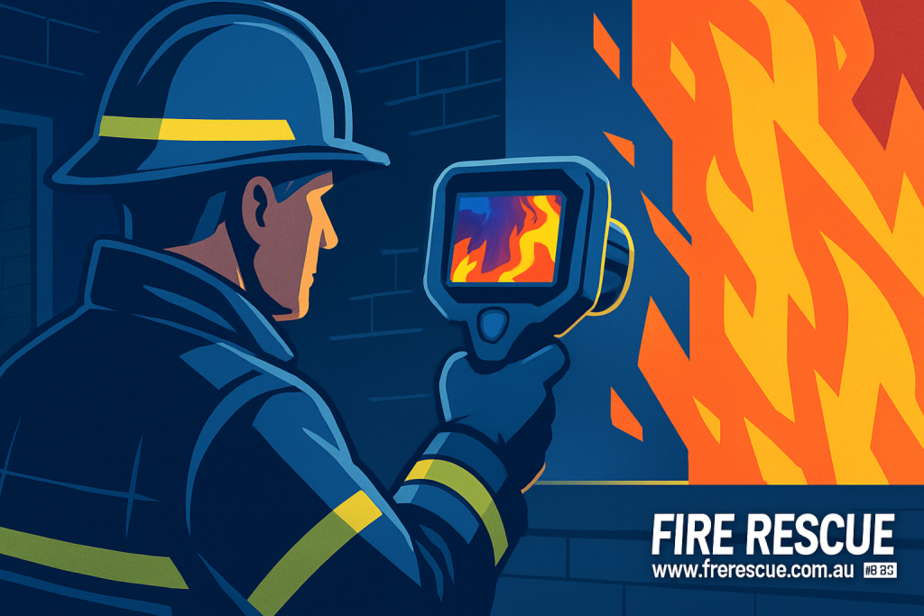
Thermal imaging cameras (TICs) detect heat signatures and convert them into visible images, highlighting temperature differences that human eyes cannot see. In live fire scenarios, these devices are essential for locating fire sources hidden behind walls, ceilings or thick smoke. They help firefighters identify hotspots that may reignite or cause structural collapse.
Unlike normal cameras, thermal imagers do not rely on light. Instead, they capture infrared radiation emitted by warm objects. This makes them invaluable for navigating dark or smoke-filled environments where visibility is near zero. Firefighters can detect victims who are unconscious or trapped by spotting their body heat.
Thermal imaging technology has evolved significantly over recent years, with improvements in resolution, battery life, and durability. Modern TICs often feature intuitive interfaces and enhanced image processing, enabling responders to quickly interpret data even under extreme stress. This evolution has made thermal imaging a standard piece of equipment in many Australian fire services.
The ability to see beyond the visible spectrum fundamentally changes how firefighters approach a blaze, providing critical information that can mean the difference between successful rescue and tragedy. Thermal imaging complements other sensory inputs, such as audible cues and tactile feedback, to form a comprehensive understanding of fireground conditions.
Common Thermal Imaging Equipment Used by Australian Fire Services
Australian Fire/Rescue units typically use handheld thermal imaging cameras designed for rugged field use. These devices are lightweight, waterproof, and heat-resistant to withstand intense conditions during firefighting. Some models also offer video recording and wireless connectivity, allowing command centres to monitor live feeds remotely.
The State Emergency Service (SES) may also use thermal imagers in search and rescue missions, especially after disasters involving fires or structural collapse. Ambulance services benefit from thermal technology to assess patient conditions, particularly in low-visibility situations or outdoor incidents at night.
In addition to handheld units, some fire services have integrated thermal imaging into drones and robotic platforms. These remote devices can access hazardous or hard-to-reach areas, transmitting thermal data back to incident commanders. This capability enhances situational awareness while minimising risks to personnel.
With ongoing technological advancements, there is a growing trend toward incorporating artificial intelligence (AI) algorithms into thermal imaging systems. These AI-powered enhancements assist in automatically identifying fire hotspots, detecting human heat signatures, and predicting fire spread patterns, thereby supporting faster and more accurate decision-making on the fireground.
Practical Applications of Thermal Imaging During Fires
Thermal imaging for live fire assessment provides multiple benefits on the frontline. Firefighters use these tools to quickly scan rooms and structures for fire locations that are not visible through smoke or flames. This speeds up fire suppression efforts by targeting critical hotspots effectively.
In search operations, the technology helps rescuers detect people trapped inside burning buildings, even if they cannot call out or are unconscious. Early detection often means the difference between life and death. Thermal imagers also reduce the risk to personnel by revealing structural weaknesses and hidden hazards before crews enter dangerous areas.
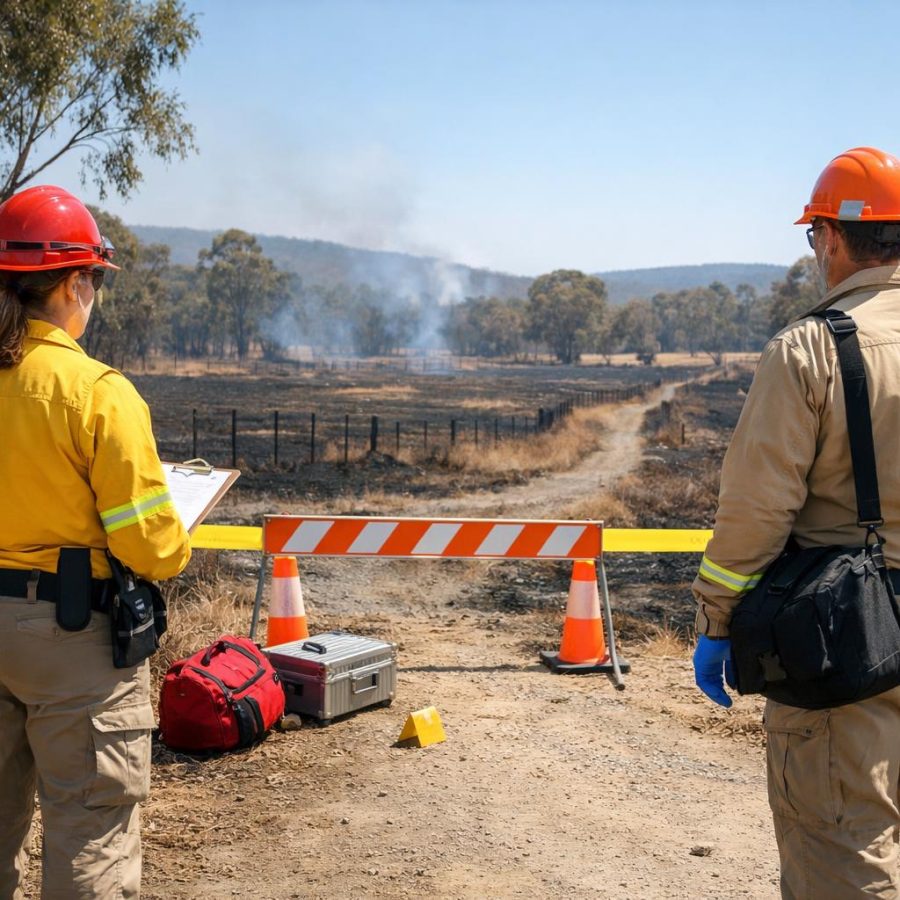
Emergency management teams use thermal imaging data to assess fire spread and monitor firefighting progress in real time. This information supports strategic decisions such as resource allocation and evacuation measures. It is particularly useful during wildfires common in Australian summers, where quick overview and situational awareness are critical.
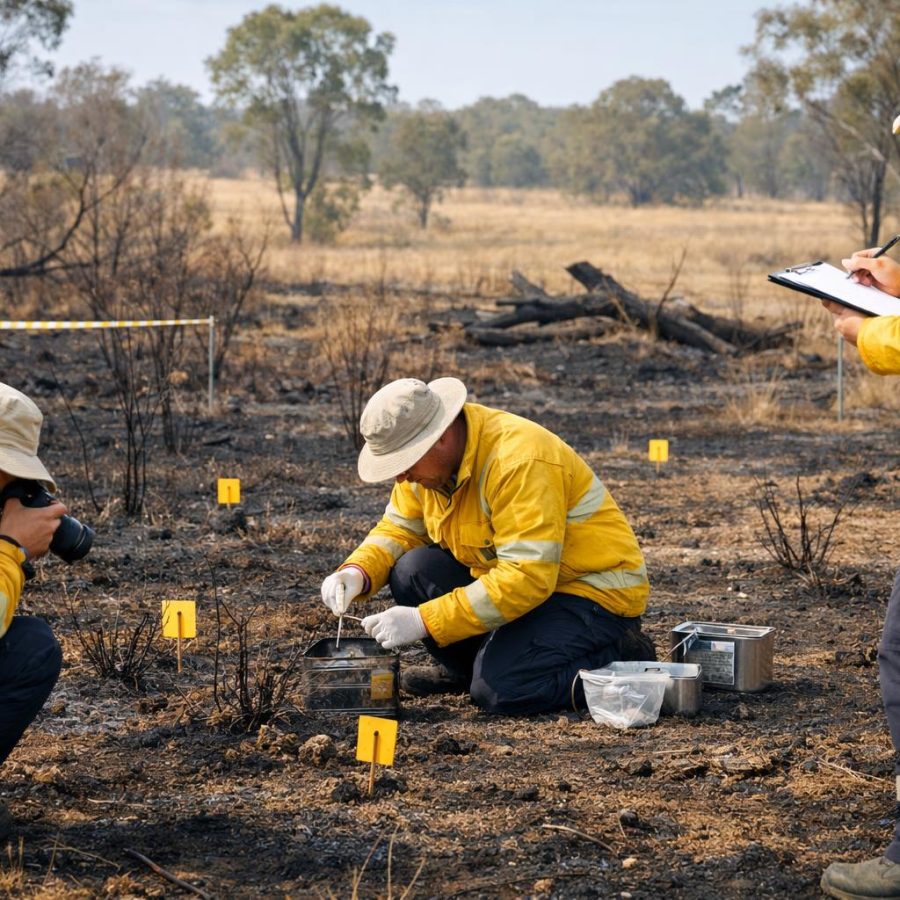
Thermal imaging also plays a crucial role during overhaul phases, when firefighters check for hidden embers and smouldering materials after the main fire is extinguished. Detecting residual heat sources early prevents rekindling and reduces the chances of fire resurgence, safeguarding property and lives.
In complex urban environments, thermal imaging supports tactical ventilation decisions by identifying heat pathways and fire location within multi-room or multi-storey buildings. This targeted approach improves airflow management, helping to control fire behaviour and reduce smoke accumulation.
Beyond immediate fire suppression, thermal imaging assists in post-incident analysis, providing valuable data for understanding fire dynamics and improving future response strategies. Fire investigators use thermal images to reconstruct fire progression and identify points of origin with greater accuracy.
Community education programs also leverage thermal imaging demonstrations to raise awareness of fire hazards and prevention techniques. By visualising fire behaviour and heat patterns, these initiatives help the public appreciate the dangers and foster safer practices at home and work.
Limitations and Challenges in Using Thermal Imaging
While thermal imaging is a powerful tool, it is not without limitations. Heat signatures can be obscured by thick walls or insulation materials, and reflective surfaces may cause inaccurate readings. Additionally, thermal cameras do not provide detailed visual information like normal cameras, so they must be used alongside other assessment methods.
Proper training is essential. Operators need to understand how to interpret thermal images correctly to avoid misjudging fire conditions. Maintenance and calibration of equipment also impact reliability. Australian emergency agencies prioritise regular training and equipment checks to maintain high standards.
Environmental factors such as rain, steam, or heavy smoke can degrade image clarity, making it more challenging to distinguish heat sources. Moreover, thermal imaging cannot detect certain hazards like toxic gases or structural instability, reinforcing the need for comprehensive scene evaluation.
Technological limitations also include battery life constraints and potential device malfunctions under extreme heat. Emergency responders must carry backup equipment and have contingency plans in place to ensure continuous operational capability during extended incidents.
Furthermore, interpreting thermal images can be complicated by overlapping heat sources or the presence of cool objects adjacent to hot areas. This complexity requires ongoing skill development and situational experience to distinguish meaningful data from background noise.
Safety Guidance When Using Thermal Imaging in Emergencies
Thermal imaging enhances safety but does not replace established firefighting protocols. Always follow instructions from your local Fire/Rescue or emergency services. Wear appropriate personal protective equipment and ensure a clear escape route is available.
If you are a member of the public, never enter a burning building, even if you believe you can assist using thermal imaging devices. Instead, call 000 immediately and await professional help. For those involved in emergency response, consider thermal imaging as one part of a broader safety strategy that includes communication, scene management, and hazard assessment.
When operating thermal imaging cameras, responders should be mindful of device limitations and avoid overreliance. Cross-check thermal data with other sensory inputs and situational cues to make balanced decisions. Maintaining situational awareness at all times is critical to managing risks effectively.
Regular debriefings and sharing of lessons learned regarding thermal imaging use help improve safety practices. Emergency services in Australia continually update protocols to incorporate advances in thermal technology and field experience.
Additionally, psychological preparedness is important. The reliance on technology in highly stressful environments can sometimes lead to cognitive overload or tunnel vision. Training programs now include scenario-based exercises to build confidence in using thermal imaging alongside traditional firefighting skills.
If You Only Do Five Things
Understand the basics of how thermal imaging detects heat and its strengths in low-visibility conditions. Use it to identify hotspots and trapped individuals quickly but verify findings with other assessments.
Ensure you receive proper training on your thermal imaging equipment, including interpreting images accurately and recognising limitations in different environments.
Keep your thermal camera well maintained and regularly calibrated to guarantee reliable performance during critical incidents.
Follow official safety protocols and agency instructions at all times when entering or assessing fire scenes. Thermal imaging supports but does not replace standard fireground procedures.
For the public, call 000 immediately in life-threatening fire emergencies and never attempt to enter dangerous areas, even if you have access to thermal imaging technology.
Who does what in Australia
Fire/Rescue services respond to fires and fire-related emergencies, using thermal imaging to assess and control live fires safely. Police manage overall scene security, traffic control, and investigations. Ambulance crews provide medical treatment and transport for injured persons. The State Emergency Service (SES) supports rescue, storm, flood, and disaster duties, often using thermal imaging in search and rescue operations.
In any emergency, call triple zero (000) to reach the right service quickly and stay informed through official local warnings and advice.
FireRescue Training Hub
Access practical fire and emergency study support resources, downloads, checklists, audio guides, and member-only course content.
- Course library
- PDF downloads
- Audio guides
- Checklists
Study support only. Not accredited training or a replacement for workplace procedures.
About the author and safety review
Ken Walker
Former Station Officer and fire service educator
Former career firefighter with extensive career and volunteer fire service experience.
Qualifications: Associate Diploma of Applied Science in Fire Technology; Institute of Fire Engineers studies.
Author profilehttps://www.firerescue.com.au/about-us/