Fire Safety Insight
Key Takeaways
AI-assisted fire prediction systems are powerful tools that analyse weather, fuel, and terrain data to forecast bushfire risks more accurately than traditional methods. These systems help emergency services plan responses and keep communities safer across Australia’s fire-prone regions.
While AI improves early warnings, it does not replace the need for public awareness and preparedness. Always follow official advice from Fire and Rescue NSW, CFA Victoria, or your local emergency agency during fire season, and call 000 for immediate threats.
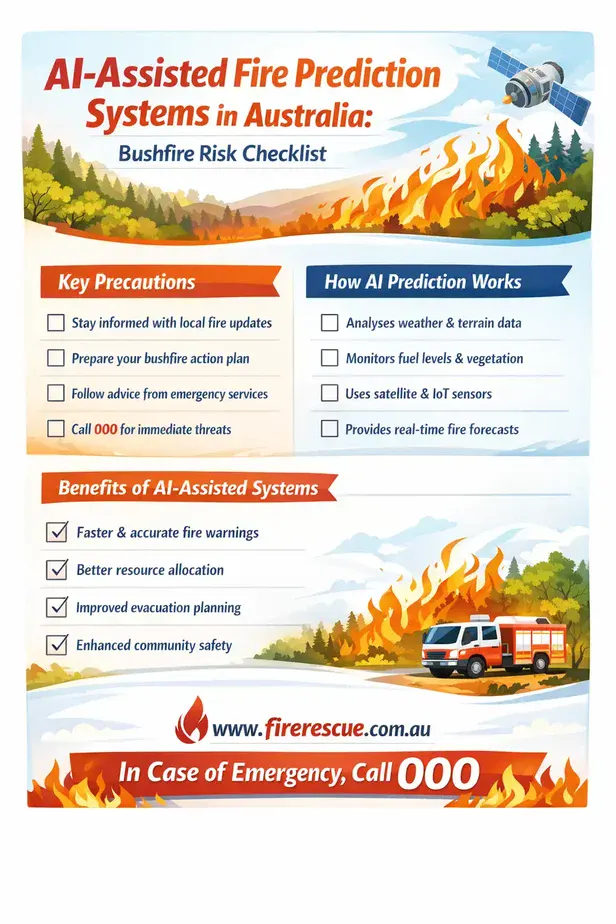
Bushfire Risk Checklist with AI Solutions
Get the practical PDF guide for clearer bushfire preparation, smarter planning, and simple actions you can review at any time.
Clean format, mobile friendly, and ready to view or save.
How AI-Assisted Fire Prediction Works
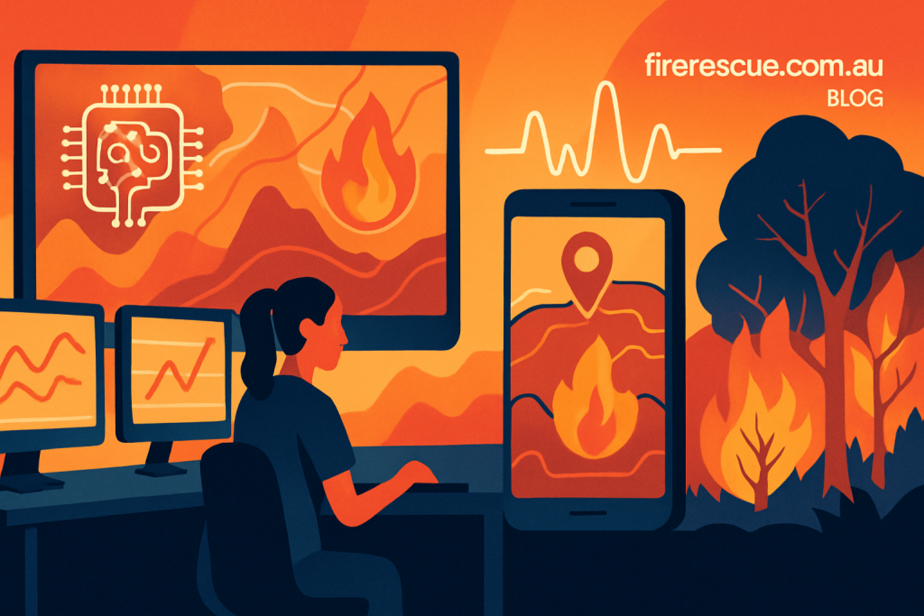
Artificial intelligence systems gather and analyse a variety of data including temperature, humidity, wind patterns, fuel moisture, and vegetation condition. By processing these inputs, AI models forecast the likelihood, location, and potential spread of bushfires. Machine learning techniques allow systems to improve predictions over time by comparing past fire events and current environmental conditions.
This approach provides more granular and timely insights than traditional fire danger ratings alone. AI-assisted fire prediction systems can identify subtle patterns that might be missed, helping emergency services prioritise resources and issue warnings well before a fire becomes severe.
Moreover, AI algorithms are capable of integrating satellite imagery and aerial reconnaissance data, enabling real-time monitoring of fire fronts and vegetation health. This dynamic data input allows the models to adjust forecasts as conditions evolve, offering continuous updates that are crucial during rapidly changing fire events.
The ability of AI to synthesise vast datasets from multiple sources, including meteorological stations, remote sensors, and historical fire records, enhances predictive accuracy. By leveraging advanced neural networks and deep learning methods, these systems can detect complex interactions between environmental factors that contribute to fire ignition and propagation.
In addition to predicting fire risks, AI models are increasingly being used to simulate fire behaviour under various hypothetical scenarios. This capability allows emergency planners to assess the potential impact of different weather conditions, fuel treatments, or suppression tactics before a fire event occurs. Such simulations help refine strategies and optimise resource deployment, ultimately improving community safety.
AI systems also incorporate data from emerging technologies such as Internet of Things (IoT) sensors placed in remote fire-prone areas. These sensors monitor microclimatic changes and ground conditions, feeding real-time information into predictive models. This granular data enhances early detection and provides more precise alerts for localised fire threats.
Benefits for Australian Emergency Services
In Australia, fire agencies such as Fire and Rescue NSW and the Country Fire Authority (CFA) in Victoria are integrating AI-assisted prediction tools into their operational planning. These systems enhance situational awareness and can improve decision-making on when and where to deploy firefighting crews and equipment.
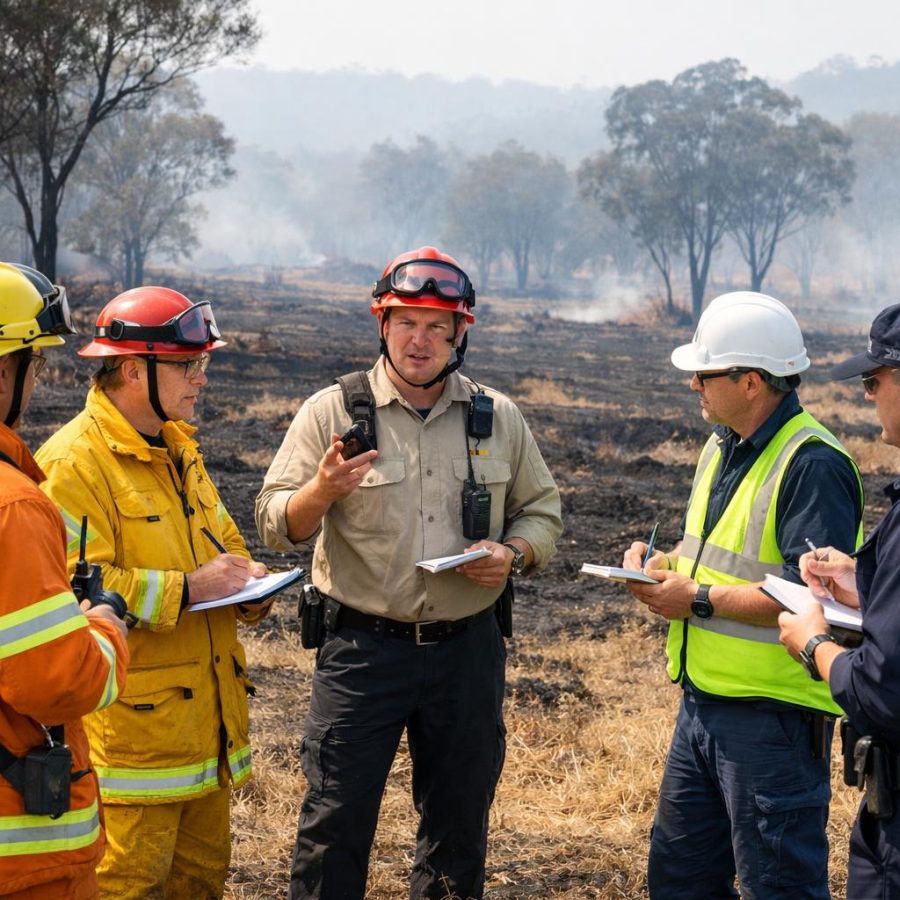
The State Emergency Service (SES) and Ambulance services also benefit from better forecasts, preparing for evacuations, road closures, and potential casualties. Police can manage traffic and coordinate community alerts with more confidence in the timing and scale of fire events.
Ultimately, AI-supported forecasts contribute to a safer, more coordinated response across all agencies, helping to reduce the impact of bushfires on lives and property.
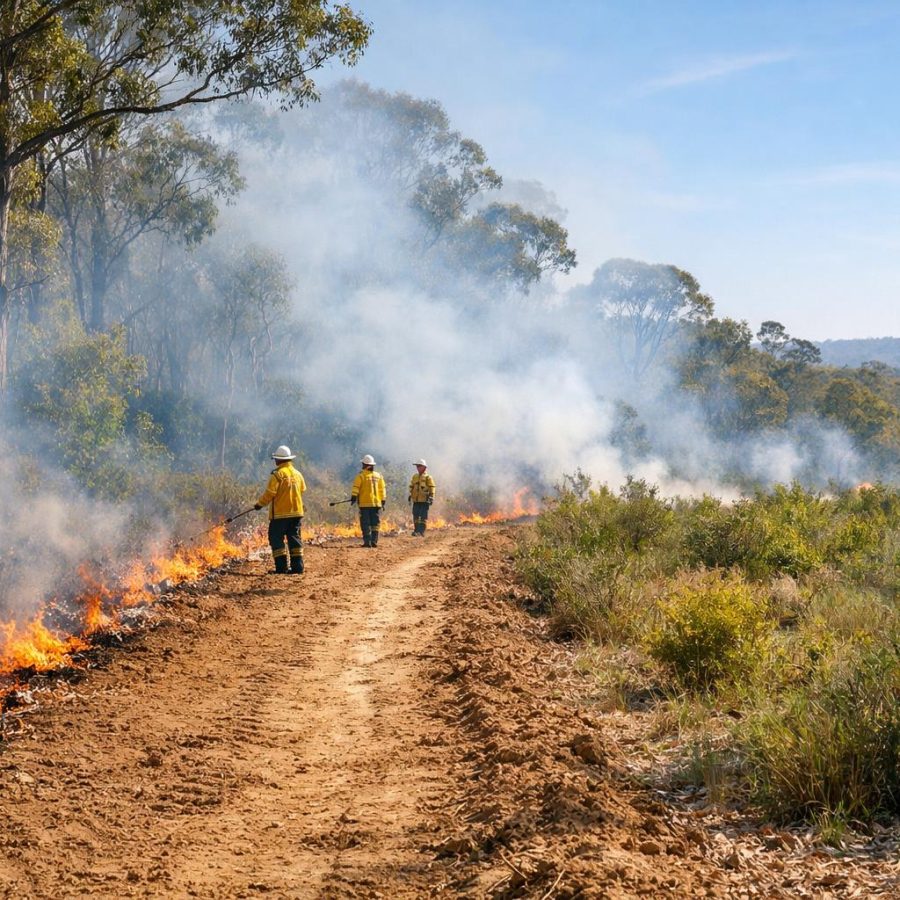
Beyond immediate operational improvements, AI systems assist in strategic planning by identifying high-risk zones before fire season. This proactive approach allows agencies to conduct controlled burns and fuel reduction activities more effectively, targeting areas where the risk is predicted to be greatest.
Additionally, AI-driven models support resource allocation by predicting fire severity and spread patterns, enabling logistics teams to pre-position firefighting apparatus and personnel. This preparedness reduces response times and improves overall firefighting effectiveness during peak fire periods.
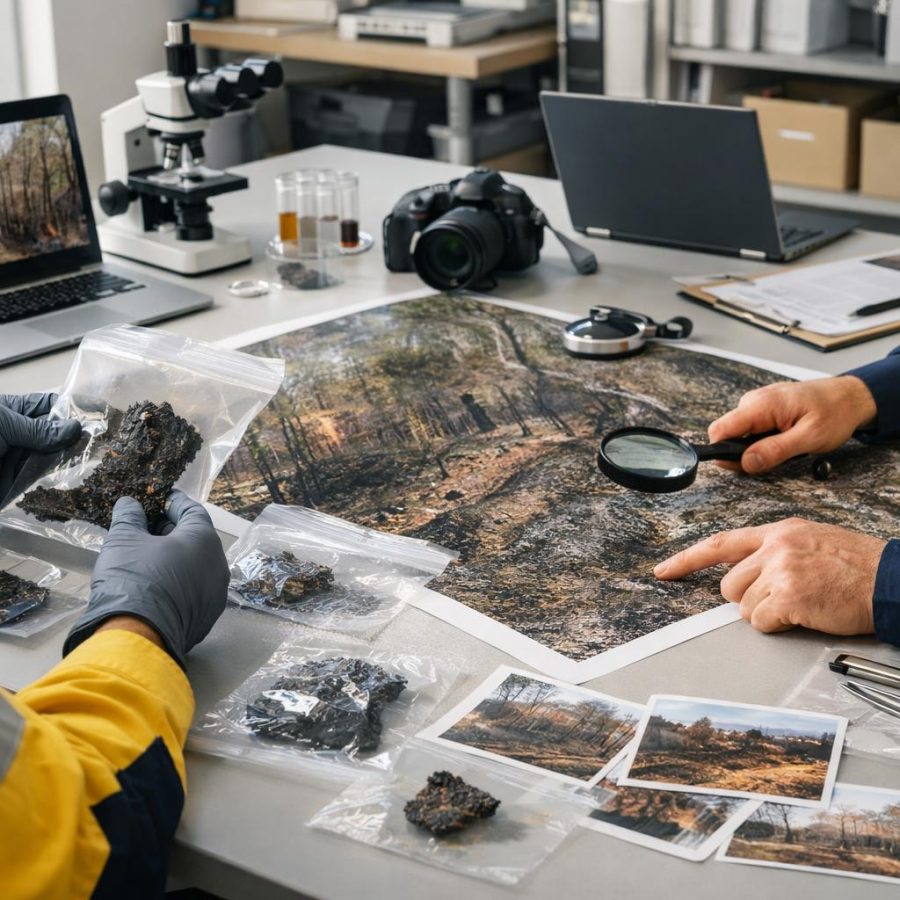
AI also aids in post-fire analysis by mapping burnt areas and assessing damage severity. These insights inform recovery efforts and help refine future fire management plans. Agencies can better understand how fires behaved and which factors influenced their spread, leading to continuous improvement in fire prevention strategies.
Furthermore, AI-powered communication <a href="https://www.firerescue.com.au/enhancing-wildfire-preparedness-in-australia-leveraging-ai-satellite-technology-and-global-collaboration/”>platforms enable faster dissemination of warnings and updates to the public and emergency personnel. Integrating AI with social media monitoring and mobile alert systems helps authorities reach affected communities swiftly, enhancing public safety and situational awareness.
Challenges and Limitations to Consider
While AI-assisted fire prediction systems represent a significant advancement, they are not without limitations. The accuracy of predictions depends heavily on the quality and coverage of data inputs. Remote or sparsely monitored areas can produce less reliable forecasts.
Natural events such as sudden wind changes or lightning strikes are still difficult to predict precisely. This means that AI tools are best used as one part of a comprehensive fire management strategy that includes human expertise, ground observations, and community engagement.
It is also important to remember that these systems support emergency agencies but do not replace the need for residents to stay informed and prepared. Local warnings and official advice remain the best guide for safety.
Furthermore, the complexity of AI models means that transparency can sometimes be limited, making it challenging for non-specialists to fully understand how certain predictions are derived. This can affect trust levels among stakeholders and the public, underscoring the need for clear communication and education about AI’s role and limitations in fire prediction.
Data privacy and cybersecurity are also concerns, as AI systems rely on interconnected networks and sensitive environmental data. Ensuring robust protection against data breaches and malicious interference is essential to maintain system integrity and public confidence.
Another challenge lies in integrating AI predictions with existing emergency response frameworks and ensuring interoperability among various agencies’ technologies. Coordination and standardisation are key to maximising the benefits of AI tools and avoiding fragmented or conflicting information during critical incidents.
Moreover, ongoing maintenance and updates of AI models require continuous investment and expertise. As environmental conditions and fire behaviours evolve with climate change, prediction systems must adapt accordingly, necessitating sustained commitment from government and research institutions.
If You Only Do Five Things
Stay informed by regularly checking updates from your local fire authority such as the NSW Rural Fire Service or CFA Victoria. Use apps or websites that integrate AI-assisted fire predictions for the latest outlook.
Prepare a bushfire survival plan well before fire season begins. Know your routes, safety zones, and have emergency supplies ready.
Follow official warnings promptly. If an AI-assisted forecast indicates elevated risk in your area, take it seriously and begin preparation early.
Keep your property clear of flammable debris and maintain vegetation to reduce fuel loads. This practical action supports firefighting efforts and can limit fire spread.
In an emergency, call 000 immediately for fire, police, or ambulance assistance. Never rely solely on technology; human response and community action save lives.
Who Does What in Australia
Fire and Rescue Services manage firefighting and rescue operations. In NSW, this includes Fire and Rescue NSW; in Victoria, the CFA; and other states have their own agencies focused on fire control.
Police handle law enforcement, traffic and crowd control, and assist with evacuation orders during emergencies to keep people safe.
Ambulance services provide medical care and transport victims during and after fire events.
State Emergency Service (SES) supports communities by helping with flood and storm damage, rescues, and assisting fire agencies during large events.
For any life-threatening emergency, always call 000 immediately.
Looking ahead, ongoing research aims to enhance AI systems with more sophisticated climate models and real-time sensor networks. These advances promise to improve accuracy even further and offer early detection of fire outbreaks, potentially saving more lives and reducing environmental damage.
Community engagement remains a vital component of fire safety, as technology alone cannot prevent all disasters. Educational programs that explain how AI predictions work and how residents can respond effectively are essential to building resilience across fire-prone regions.
By combining cutting-edge AI technology with strong community partnerships and expert fire management, Australia is better equipped to face the challenges of increasingly severe bushfire seasons.
As AI continues to evolve, its integration with other emerging technologies such as drones, autonomous firefighting vehicles, and advanced communication systems will further transform bushfire management. These innovations aim not only to predict and monitor fires but also to actively assist in suppression efforts, creating a comprehensive technological ecosystem dedicated to saving lives and protecting the environment.
FireRescue Training Hub
Access practical fire and emergency study support resources, downloads, checklists, audio guides, and member-only course content.
- Course library
- PDF downloads
- Audio guides
- Checklists
Study support only. Not accredited training or a replacement for workplace procedures.
About the author and safety review
Ken Walker
Former Station Officer and fire service educator
Former career firefighter with extensive career and volunteer fire service experience.
Qualifications: Associate Diploma of Applied Science in Fire Technology; Institute of Fire Engineers studies.
Author profilehttps://www.firerescue.com.au/about-us/