FireRescue News & Updates
Key takeaways
Paramedic decision-making in complex emergencies involves rapid assessment, prioritisation and coordination with other emergency services to save lives and reduce harm. Understanding the roles of Fire/Rescue, Police, Ambulance and the SES is critical to effective emergency response in Australia.
Clear communication, situational awareness and adaptive problem-solving underpin successful outcomes, supported by continuous training and scenario planning. Calling triple zero (000) promptly ensures the right combination of services is dispatched efficiently.
Background and context
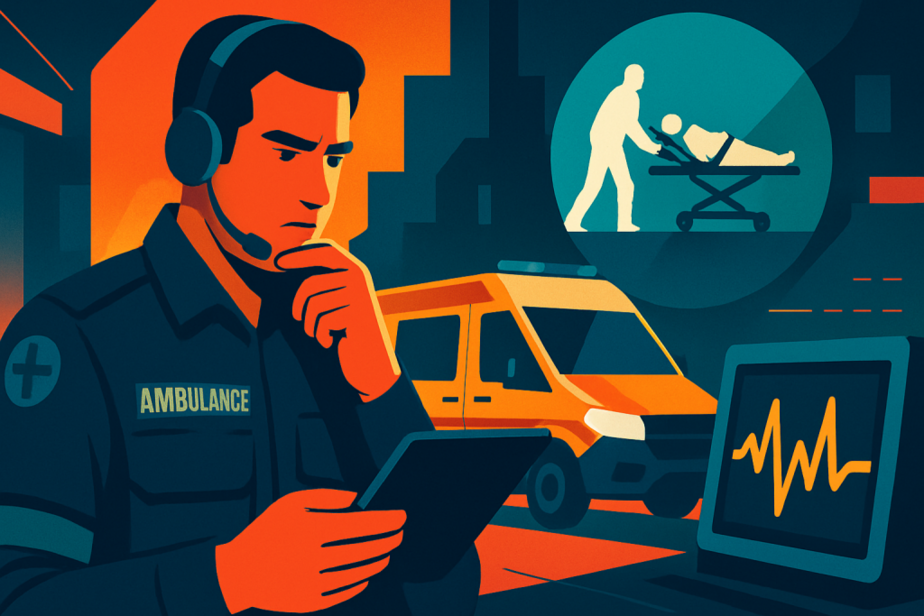
Paramedics operate on the frontline of Australia’s emergency response system, frequently encountering situations that demand swift, accurate decision-making under pressure. Complex emergencies — such as multi-casualty incidents, natural disasters, or hazardous material exposures — present unique challenges that test clinical skills alongside coordination and communication capabilities.
In these environments, paramedics must balance patient care priorities with scene safety, resource availability and evolving <a href="https://www.firerescue.com.au/australasian-inter-service-incident-management-system-aiims-in-bushfire-response/”>circumstances. Their decisions directly influence patient outcomes and the effectiveness of the broader emergency response. Understanding how paramedics make these decisions sheds light on how emergency services operate cohesively to manage crises.
Moreover, the unpredictable nature of emergencies requires paramedics to develop a keen sense of intuition, honed through experience and training, to anticipate potential complications before they arise. This foresight can be the difference between life and death, especially in rapidly deteriorating situations.
The complexity of emergencies also demands that paramedics engage in continuous critical thinking, often making decisions with incomplete information. They must weigh risks and benefits quickly, sometimes opting for unconventional solutions when standard protocols do not fit the scenario. This flexibility is crucial in dynamic environments where conditions can shift in moments.
Furthermore, paramedics carry a significant emotional burden. They often encounter traumatic scenes and must maintain composure while delivering care. Their ability to manage stress and maintain focus directly impacts their decision-making quality and, consequently, patient survival and recovery.
Core elements of paramedic decision-making
Rapid assessment and triage
When arriving on scene, paramedics employ rapid assessment techniques to determine the severity of injuries and the immediate dangers present. This initial evaluation guides triage decisions, helping to prioritise who requires urgent intervention. Complex emergencies often involve multiple patients with varying needs, so paramedics use established triage protocols to allocate limited resources effectively.
These protocols, such as the Australasian Triage Scale or Modified START (Simple Triage and Rapid Treatment), provide a structured framework to swiftly categorise patients according to the urgency of their medical needs. This ensures that those in critical condition receive immediate attention, while others with less severe injuries are managed appropriately.
In addition to physical assessment, paramedics must quickly gather contextual information, such as mechanism of injury, environmental hazards, and patient history when available. This holistic approach supports more accurate triage and anticipates complications that might not be immediately apparent.
Balancing clinical care with scene safety
Paramedics must simultaneously ensure their own safety and that of bystanders while delivering care. This involves identifying hazards such as fire, unstable structures, or aggressive individuals. Collaborating closely with Fire/Rescue and Police supports safe access and treatment. If a scene is unsafe, paramedics may delay certain interventions until risks are mitigated.
The dynamic nature of emergency scenes means that hazards can rapidly change, requiring paramedics to continuously reassess their environment and adjust their approach. For example, in a chemical spill, they must identify the substance involved to determine appropriate protective measures and treatment protocols. This vigilance protects both the responders and the patients.
Moreover, paramedics often have to make decisions about the timing of interventions, balancing the urgency of medical care against potential exposure to hazards. In some cases, this may involve performing lifesaving procedures in less-than-ideal conditions or coordinating rapid extraction with Fire/Rescue teams to move patients to safer environments before treatment.
Communication and coordination with other agencies
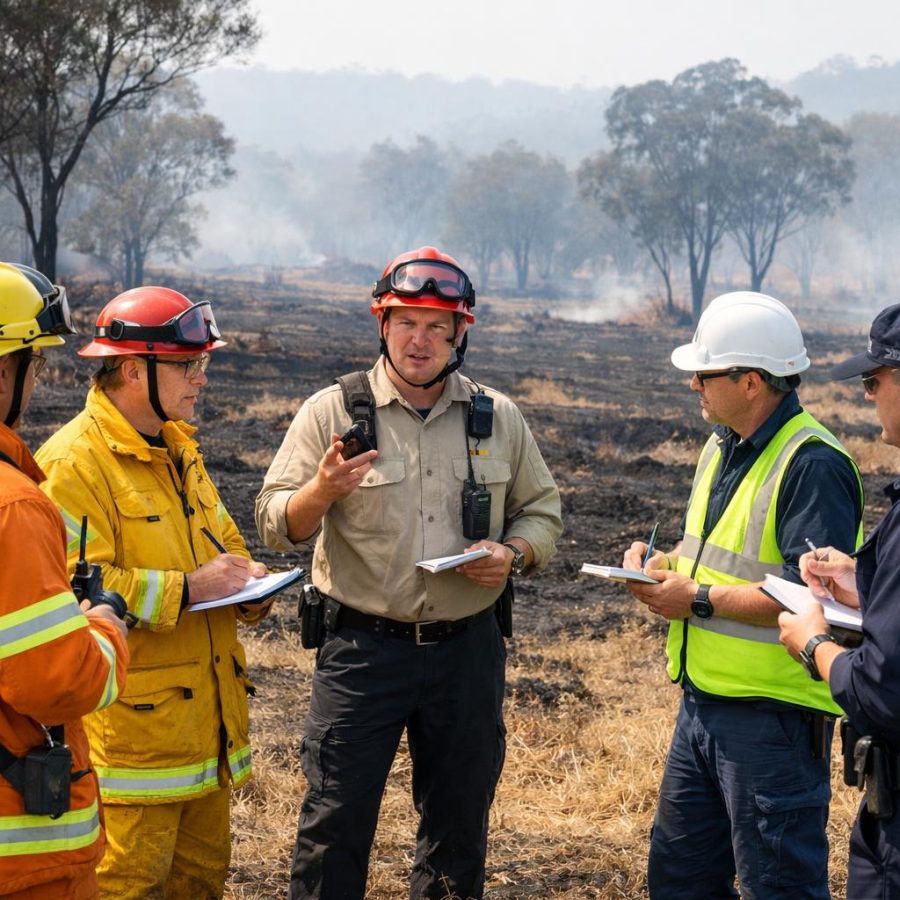
Effective communication with other emergency services is vital in complex emergencies. Paramedics liaise with Fire/Rescue teams managing fires or rescues, Police maintaining scene security and crowd control, and the State Emergency Service (SES) handling natural disaster support. Clear, timely information exchange ensures unified efforts and avoids duplication or gaps in response.
Such coordination often involves the use of shared communication platforms and incident management systems that provide real-time updates on patient status, resource availability, and scene conditions. This integrated approach enhances situational awareness and allows for flexible task allocation among agencies.
Paramedics also play a key role in briefing hospital emergency departments about incoming patients, enabling pre-arrival preparation and ensuring continuity of care. This communication loop extends the decision-making process beyond the scene and supports better clinical outcomes.
The Australian emergency services landscape
In Australia, the emergency response system is structured to ensure rapid mobilisation and clear delineation of responsibilities. When faced with an emergency, the public is advised to call triple zero (000) to access Fire/Rescue, Police or Ambulance services as needed. The call-taker will triage and dispatch appropriate agencies based on the incident details.
Ambulance paramedics focus on medical assessment, stabilisation and transport. Fire/Rescue personnel specialise in firefighting, technical rescues and hazardous material containment. Police manage law enforcement, crowd control and investigation. The SES is a volunteer-based service providing assistance during floods, storms and other natural disasters, often supporting other agencies with logistics and rescue.
Paramedics and other emergency personnel often operate side-by-side, sharing information and resources. Understanding each agency’s role facilitates smoother cooperation and optimises patient and community outcomes in complex emergencies.
The Australian model also emphasises community engagement and preparedness, recognising that informed citizens can improve overall emergency outcomes. Public education campaigns encourage understanding of when and how to call 000, as well as basic first aid knowledge that can be critical before paramedics arrive on scene.
Additionally, the Australian emergency system incorporates robust incident command structures that allow for scalable responses depending on the severity and complexity of the event. Multi-agency coordination centres facilitate strategic decision-making and resource allocation, ensuring that front-line paramedics receive the support they need.
Technological advancements have further enhanced the system, with GPS tracking of emergency vehicles, digital patient records accessible en route, and integrated communication networks enabling seamless inter-agency interaction. These tools empower paramedics to make more informed decisions quickly and adapt to changing circumstances.
Practical implications for planning and training
Paramedic training emphasises developing decision-making skills that account for uncertainty, time pressure and dynamic environments. Scenario-based exercises replicate complex emergencies to hone assessment, communication and coordination capabilities. These drills often involve multi-agency participation to reflect real-world conditions.
Ongoing professional development includes learning to use advanced clinical guidelines alongside situational judgement. Paramedics are encouraged to cultivate adaptability and resilience, recognising when to escalate concerns or seek additional resources. Effective decision-making also depends on mental health and wellbeing support to manage the stress of high-stakes work.
Training increasingly incorporates technology such as simulation software, virtual reality, and decision-support tools to expose paramedics to a wider range of scenarios in a controlled environment. These innovations help build confidence and proficiency in managing rare but critical events.
Emergency planners and policymakers can support paramedics by fostering integrated communication systems and clear protocols that define inter-agency roles. Ensuring resources are appropriately allocated and accessible during complex emergencies enhances response efficiency and patient care quality.
Furthermore, incorporating lessons learned from past incidents through after-action reviews and continuous feedback loops helps evolve training programs and operational policies. This commitment to learning strengthens the overall resilience of the emergency response system.
Mental health and peer support initiatives are increasingly recognised as essential components of paramedic training and wellbeing. Programs that address coping strategies, stress management, and post-incident counselling contribute to sustained decision-making capacity and reduce burnout.
Additionally, leadership development forms a key part of professional growth, preparing paramedics to take command roles during large-scale emergencies. Effective leadership ensures that decision-making cascades smoothly through teams, maintaining clarity and cohesion under pressure.
Conclusion
Paramedic decision-making in complex emergencies is a multifaceted process requiring rapid clinical assessment, scene safety awareness, and close inter-agency collaboration. In Australia’s emergency response system, the integration of Ambulance, Fire/Rescue, Police and SES roles ensures comprehensive and coordinated management of crises.
By understanding these decision-making dynamics and supporting paramedic training and planning, communities benefit from improved safety and more effective emergency outcomes. Calling 000 remains the critical first step for anyone witnessing or involved in emergencies, activating the professional response teams trained to handle even the most challenging situations.
Ultimately, the strength of Australia’s emergency response lies in the dedication and expertise of paramedics and their colleagues across agencies, whose decisions under pressure save lives every day. Continued investment in training, communication infrastructure, and inter-agency cooperation will ensure that this system remains robust and responsive in the face of increasingly complex emergencies.
Looking forward, emerging challenges such as climate change, population growth, and evolving urban environments will demand ongoing adaptation and innovation in paramedic decision-making. Embracing new technologies, enhancing cross-agency collaboration, and fostering community resilience will be key to maintaining high standards of emergency care in the future.
FireRescue Training Hub
Access practical fire and emergency study support resources, downloads, checklists, audio guides, and member-only course content.
- Course library
- PDF downloads
- Audio guides
- Checklists
Study support only. Not accredited training or a replacement for workplace procedures.
About the author and safety review
Ken Walker
Former Station Officer and fire service educator
Former career firefighter with extensive career and volunteer fire service experience.
Qualifications: Associate Diploma of Applied Science in Fire Technology; Institute of Fire Engineers studies.
Author profilehttps://www.firerescue.com.au/about-us/