Confined Space Safety
Confined space rescue safety systems are essential for protecting workers and responders in environments with limited entry and exit points. Understanding these systems helps reduce risks associated with hazardous atmospheres and restricted movement.
In Australia, emergency services including Fire/Rescue, Police, SES, and Ambulance play important roles in responding to confined space emergencies. Following official advice and using proper equipment can save lives during these critical situations.
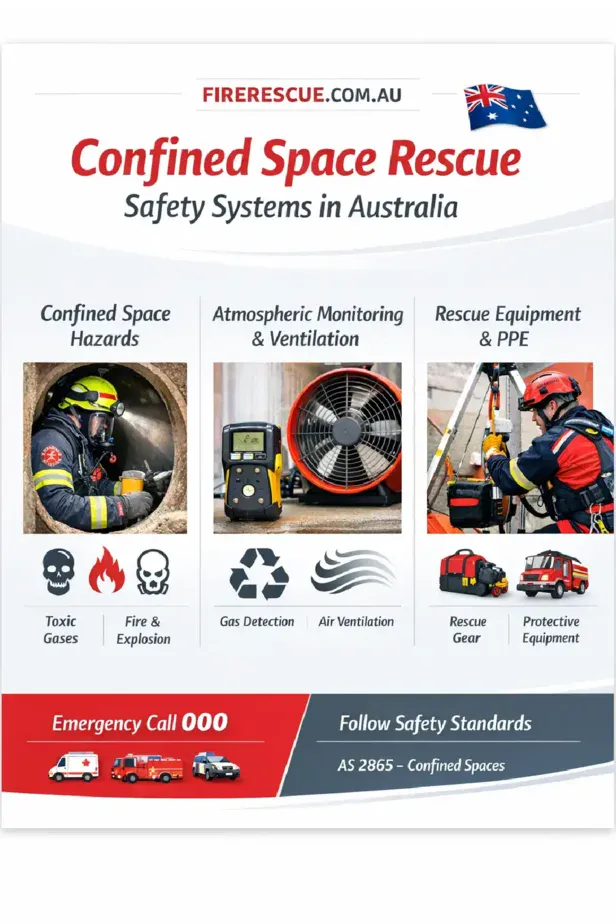
Confined Space Rescue Safety Systems in Australia
Listen to the quick professional audio guide covering confined space rescue safety systems and emergency response awareness.
Confined Space Rescue Safety Systems in Australia
A clear guide covering confined space hazards, ventilation, monitoring, rescue systems and safer response planning.
Understanding Confined Spaces and Risks
Confined spaces are areas that are not designed for continuous occupancy and have limited means of entry and exit. Examples include tanks, silos, sewers, pits, and tunnels. These spaces often contain hazardous atmospheres such as low oxygen, toxic gases, or flammable vapours. The risks include asphyxiation, poisoning, fire, explosion, and physical injury.
Because of these dangers, confined space rescue requires specialised safety systems to prevent injury and facilitate safe entry and exit for workers and rescuers. Understanding the hazards and having a strong safety culture can reduce incidents in these environments.
Additionally, confined spaces often pose unique challenges due to their physical constraints. Limited visibility, slippery surfaces, or unstable structures can increase the risk of falls, entrapment, or injury. The presence of contaminants may also have delayed effects, making continuous monitoring vital throughout the operation. Recognition of these challenges is a critical step in planning and executing safe rescue operations.
It is also important to consider the psychological strain on workers and rescuers operating within confined spaces. The claustrophobic nature of such environments can induce panic or stress, which may impair judgment or physical capability. Incorporating mental health awareness and stress management techniques into training programs helps prepare personnel to perform effectively under pressure.
Core Elements of Confined Space Rescue Safety Systems
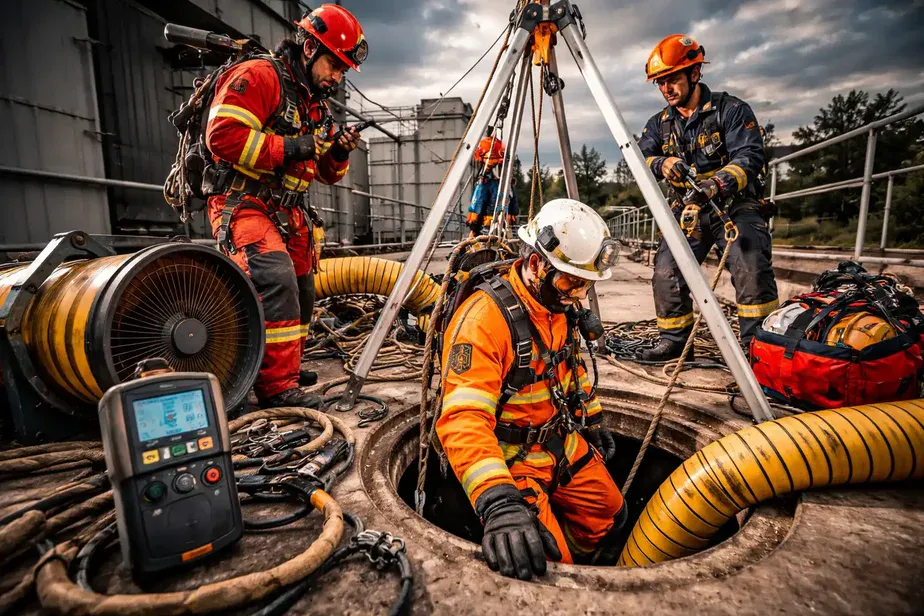
A comprehensive confined space rescue safety system includes atmospheric monitoring, ventilation, communication, personal protective equipment (PPE), and rescue equipment. These components work together to maintain a safe environment and support emergency response if incidents occur.
Atmospheric monitoring is crucial before and during entry. Instruments detect oxygen levels, flammable gases, and toxic substances. If the atmosphere is unsafe, forced ventilation systems help improve air quality by introducing fresh air and removing contaminants.
Communication equipment, such as radios or signal lines, maintains contact between workers inside the space and supervisors outside. PPE includes respirators, harnesses, and helmets to protect against environmental and physical hazards.
Rescue equipment like retrieval systems, tripod hoists, and winches enable safe extraction of personnel who may become incapacitated. Regular maintenance and training on all equipment ensure readiness at all times.
Moreover, integrating technology such as gas detection sensors linked to alarm systems can provide real-time alerts to both entrants and supervisors, enhancing situational awareness. The use of body-worn cameras and location tracking devices also contributes to effective monitoring and timely intervention during rescue operations.
The integration of advanced communications technology, including hands-free headsets and mesh network radios, allows for uninterrupted dialogue even in complex underground or obstructed environments. This ensures that any change in conditions or emergencies can be promptly communicated and acted upon without delay.
In addition, the development of modular rescue kits tailored to specific confined space scenarios has improved operational efficiency. These kits often include compact, lightweight equipment designed for rapid deployment, reducing setup time and increasing the chances of successful rescue.
Safety Procedures and Australian Standards
Australian standards outline strict procedures for confined space work and rescue operations. These include risk assessments, permit systems, continuous atmospheric monitoring, and clear emergency response plans. Organisations must comply with standards such as AS 2865 – Confined Spaces to ensure safety.
Employers should ensure workers receive thorough confined space training and that rescue teams are skilled in using safety systems. Emergency drills and coordination with local fire and rescue services improve preparedness.
In life-threatening emergencies, call 000 immediately to alert Fire/Rescue, Ambulance, or Police services. Do not attempt rescues without proper training and equipment, as untrained efforts often result in additional casualties.
Compliance with these standards not only ensures legal adherence but fosters a culture of safety that prioritises prevention. Documentation of each confined space entry, including hazard identification and control measures, forms a critical part of this compliance. Organisations are encouraged to conduct regular audits and reviews of their confined space procedures to identify areas for improvement.
Furthermore, the standards emphasise the importance of involving all stakeholders, including workers, supervisors, and safety officers, in the planning and review processes. This collaborative approach enhances risk awareness and encourages shared responsibility for safety outcomes.
The legal framework underpinning confined space work also requires employers to provide adequate resources for safety equipment, training, and emergency preparedness. Failure to comply with these requirements can lead to significant penalties and, more importantly, endanger lives.
Ventilation and Atmospheric Testing
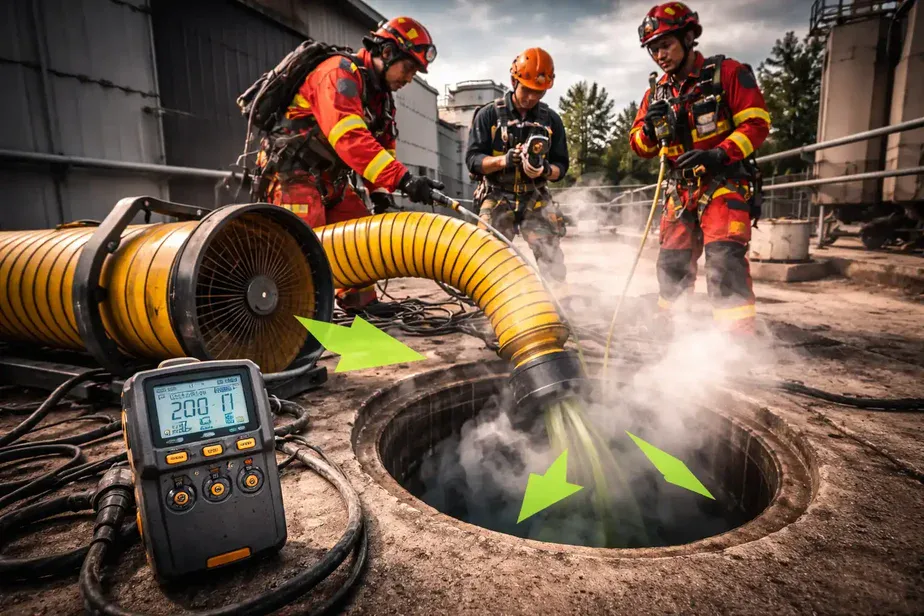
Proper ventilation reduces the risk of hazardous gases accumulating. Mechanical fans or blowers may be required to supply fresh air. Atmospheric testing should be continuous to detect any changes that could endanger workers.
Ventilation strategies must be tailored to the specific confined space, considering factors like size, shape, and the nature of contaminants. In some cases, localized extraction may be necessary to remove toxic fumes effectively. Understanding airflow dynamics helps in placing ventilation equipment optimally to maximise air exchange and reduce stagnant zones.
In addition to mechanical ventilation, natural ventilation may be utilised when conditions permit, such as open hatches or doors. However, reliance on natural airflow alone is often insufficient in enclosed or complex spaces, necessitating mechanical assistance.
Atmospheric testing devices should be calibrated regularly to ensure accuracy. Multi-gas detectors capable of simultaneously measuring oxygen, combustible gases, and toxic vapours are preferred. These devices often incorporate data logging features for record-keeping and post-operation analysis.
Training and Team Roles in Rescue Systems
Effective confined space rescue safety systems rely on trained personnel who understand their roles. Teams usually include an entry supervisor, attendant, and rescue personnel. Each role carries specific responsibilities to monitor safety, maintain communication, and perform rescues if necessary.
Regular training sessions, including simulated rescue drills, ensure teams remain competent and confident. Rescuers should be familiar with the layout of confined spaces and the function of all safety equipment.
Beyond technical skills, training emphasises decision-making under pressure and teamwork. Scenarios often include sudden changes in atmospheric conditions or medical emergencies within the confined space. Training encourages clear communication protocols and use of standardised signals to overcome challenges posed by noise or limited visibility.
Ongoing professional development is also vital, with refresher courses and updates on new technologies or regulatory changes. Cross-training with other emergency services enhances interoperability during multi-agency responses, ensuring smooth coordination and resource sharing.
Psychological preparedness is increasingly recognised in training curricula. Techniques such as scenario-based stress inoculation help personnel maintain composure and effective performance when confronted with high-risk situations.
Equipment Maintenance and Inspection
Safety systems are only effective if equipment is maintained and inspected regularly. Harnesses, ropes, and winches must be free of damage and certified safe. Atmospheric monitors require calibration to provide accurate readings.
Equipment logs and checklists help track service history and identify faults early. Organisations should assign responsibility for maintenance to trained personnel or qualified contractors.
In addition, manufacturers’ guidelines should be strictly followed for servicing schedules and replacement of components. Incident investigations often reveal that overlooked equipment faults contributed to accidents, underscoring the importance of diligent inspection regimes.
Proper storage of equipment also extends its lifespan and reliability. For example, ropes should be kept clean, dry, and protected from direct sunlight or chemicals that can degrade fibres. Atmospheric monitors must be stored in conditions that prevent sensor damage and preserve battery life.
Regular testing of rescue devices under simulated conditions verifies their functionality and familiarises teams with operational procedures. Documentation of inspections and maintenance activities supports accountability and continuous improvement.
If You Only Do Five Things
First, always conduct a thorough risk assessment before entering confined spaces. Understand the specific hazards and plan controls accordingly.
Second, ensure continuous atmospheric testing using reliable monitors to detect unsafe gases or oxygen levels.
Third, provide appropriate ventilation systems to maintain a safe breathing environment inside the space.
Fourth, never enter without proper PPE, including harnesses connected to retrieval systems, and maintain communication with a standby attendant.
Fifth, always coordinate with emergency services by calling 000 if an incident occurs. Do not attempt rescues alone unless trained and equipped to do so.
Adhering to these five critical steps can significantly reduce the risk of injury or fatality. It also ensures that any rescue efforts are executed safely and effectively, minimising additional hazards to rescuers and bystanders.
Who Does What in Australia
Fire/Rescue authorities specialise in firefighting, hazardous materials, and technical rescues including confined spaces. They have trained crews and specialised equipment to safely manage rescue operations.
Police provide scene security, traffic control, and initial emergency response. They work closely with other services to coordinate efforts during confined space incidents.
Ambulance services focus on providing medical care and transporting injured persons. Quick medical intervention can be lifesaving in confined space emergencies.
State Emergency Service (SES) supports rescue operations, including technical rescues and flood responses. They often assist Fire/Rescue with manpower and equipment during complex scenarios.
Understanding the distinct roles of these agencies helps streamline rescue operations and ensures that each aspect of the emergency is managed by the most appropriate professionals. Collaboration and communication between these services are vital for swift and effective responses to confined space incidents.
In recent years, joint training exercises have become more common among these agencies, fostering inter-agency familiarity and improving operational synergy. Such collaboration ensures that during real emergencies, each team member understands their responsibilities and can rely on mutual support.
Community education initiatives also play a role in confined space safety. Informing businesses and workers about the importance of prevention and proper emergency response helps reduce the incidence of confined space accidents nationwide.
Confined Space Rescue Safety Systems in Australia
A clear guide covering confined space hazards, ventilation, monitoring, rescue systems and safer response planning.
FireRescue Training Hub
Access practical fire and emergency study support resources, downloads, checklists, audio guides, and member-only course content.
- Course library
- PDF downloads
- Audio guides
- Checklists
Study support only. Not accredited training or a replacement for workplace procedures.
About the author and safety review
Ken Walker
Former Station Officer and fire service educator
Former career firefighter with extensive career and volunteer fire service experience.
Qualifications: Associate Diploma of Applied Science in Fire Technology; Institute of Fire Engineers studies.
Author profilehttps://www.firerescue.com.au/about-us/