FireRescue.com.au guide
Key takeaways
Urban search and rescue in collapse zones requires careful coordination and specialised skills to safely locate and extract survivors. Australian emergency services, including Fire & Rescue, Police, SES and Ambulance, play distinct but overlapping roles during these incidents. Understanding their functions and following official guidance is essential for public safety.
This guide provides practical insights on managing structural collapse scenarios, hazard awareness, the importance of rapid assessment, and effective communication. Always call 000 in life-threatening emergencies and listen for local warnings and instructions.
Understanding Urban Search and Rescue in Collapse Zones
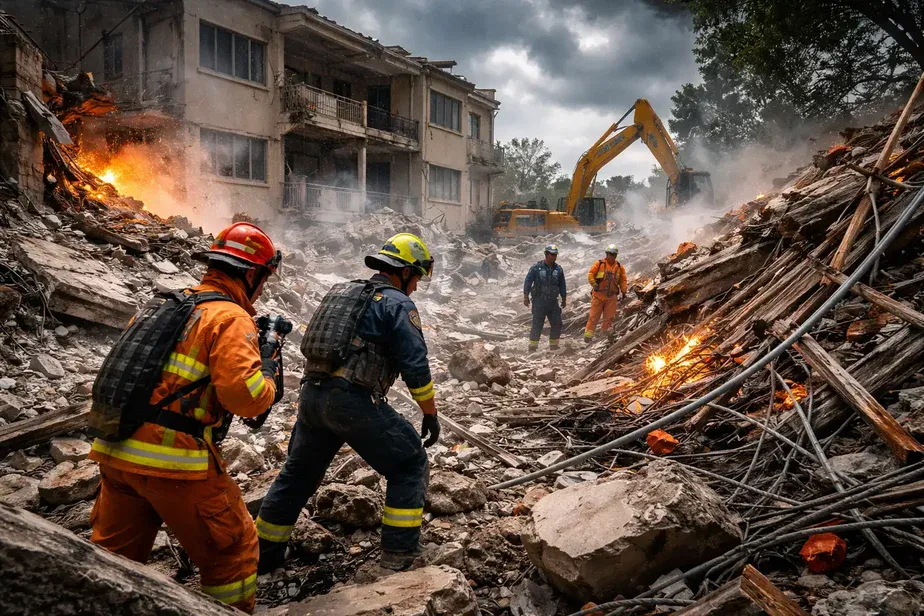
Urban search and rescue (USAR) in collapse zones involves locating, stabilising, and extracting people trapped in damaged buildings after events such as earthquakes, explosions, or severe storms. The hazards in these zones are numerous, including unstable structures, falling debris, gas leaks, and potential fires. Australian responders must balance speed with safety to save lives while protecting themselves and others.
The key to effective USAR operations lies in understanding the complexity of collapse patterns and using coordinated, research-backed techniques. Fire & Rescue NSW and similar agencies nationally have developed extensive protocols and training to manage these challenges, often working closely with the State Emergency Service (SES), police, and health services.
Beyond the immediate physical challenges, rescuers must also be prepared for psychological impacts on survivors and responders alike. Victims trapped in collapse zones often experience extreme stress and trauma, which requires responders to have training in psychological first aid and communication skills. Maintaining calm and offering reassurance can significantly improve survivor outcomes during rescue operations.
Common Causes and Risks of Structural Collapse in Australia
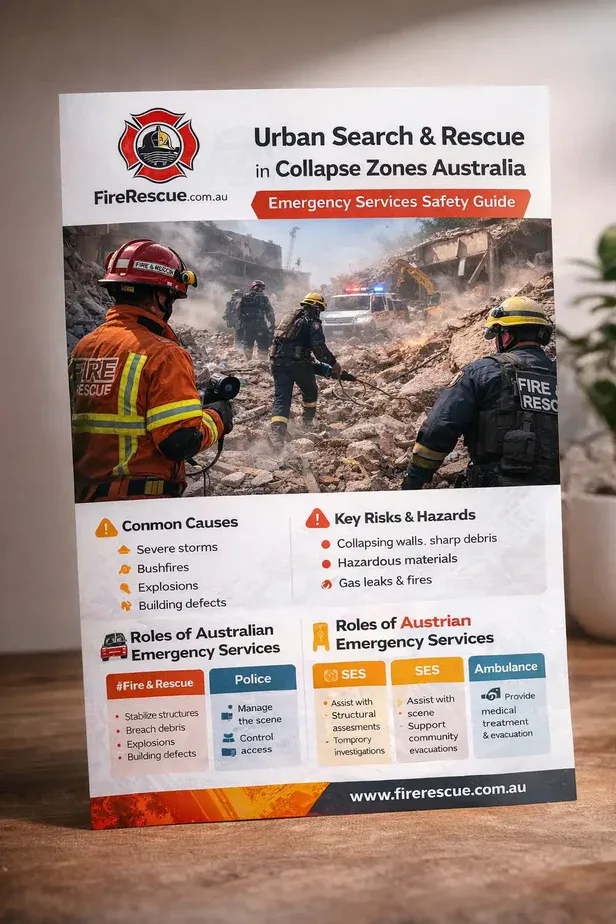
While Australia is not prone to large earthquakes compared to some regions, structural collapses can still happen due to severe storms, flooding, bushfires, explosions, or building defects. Older buildings, substandard construction, and extreme weather events increase the risk. For example, intense storms in Queensland and New South Wales have caused significant damage to buildings, leading to collapse zones.
Responders must be prepared for hazards such as sharp debris, unstable walls, hazardous materials, and secondary collapses. The presence of live electrical wiring, gas leaks, or fires further complicates rescue efforts. Safety is paramount; rushing into collapse zones without assessment can have fatal consequences.
In addition to natural causes, human factors such as construction errors, overloading of structures, and poor maintenance contribute to collapses. Infrastructure failures, including bridges and retaining walls, have also resulted in collapse zones requiring USAR intervention. Awareness of these risks helps emergency planners prioritise resources and preventative measures.
The Role of Australian Emergency Services in USAR Operations
Who does what in Australia
Fire & Rescue services are the primary agencies for urban search and rescue, focusing on stabilising structures, breaching debris, and extricating trapped persons safely. Their training includes technical rescue, hazardous materials awareness, and fire control.
Police manage the incident scene, ensuring public safety, controlling access, and supporting investigation efforts. They coordinate with other agencies to maintain order and facilitate information flow.
The State Emergency Service (SES) assists with structural assessments, temporary shoring, and supporting community evacuation efforts. Their volunteers bring valuable skills in flood and storm response, which complement USAR tasks.
Ambulance services provide critical medical care at the scene and during transport. Rapid triage and treatment of injured survivors help reduce fatalities and long-term harm.
Coordination between these agencies is facilitated through established incident command systems, ensuring that each service operates within a unified framework. Regular joint exercises and training sessions enhance interoperability and readiness. Additionally, specialist units such as bomb disposal or hazardous materials teams may be called in if the collapse involves suspicious devices or dangerous substances.
Key Phases of Urban Search and Rescue in Collapse Zones
1. Size-Up and Scene Assessment
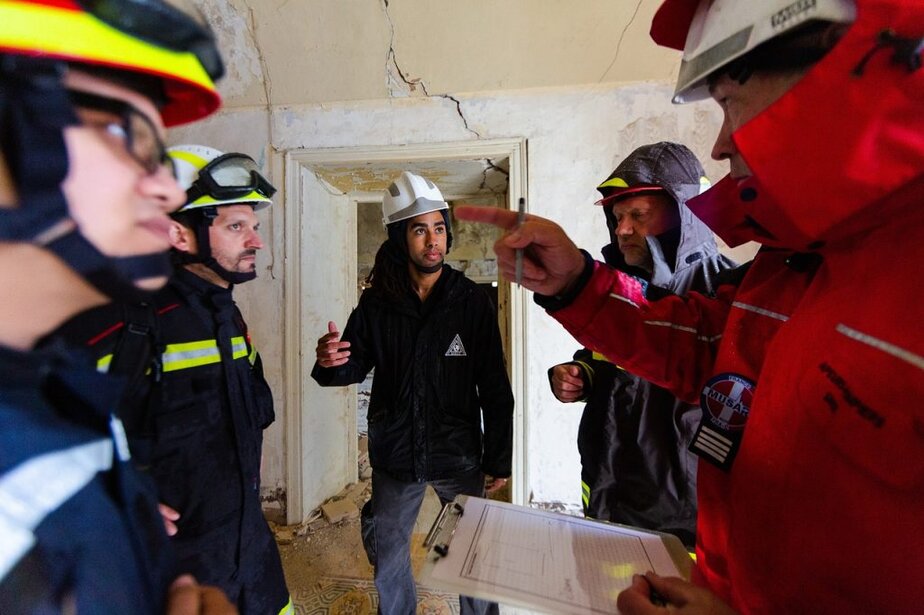
First responders perform an initial assessment to understand the extent of collapse, identify hazards, and prioritise rescue actions. This involves checking for structural instability, locating survivors using listening devices, cameras, or trained dogs, and establishing safe zones.
2. Stabilisation and Hazard Control
Before rescue teams enter the collapse zone, stabilisation efforts are critical to prevent further injury or collapse. This may include shoring up weakened structures, shutting off gas and electricity, and managing fire risks. Fire & Rescue personnel often lead these actions while coordinating with other agencies.
3. Search and Rescue Operations
Using specialised equipment and techniques, rescue crews carefully remove debris to reach trapped persons. Communication with victims, if possible, guides rescue efforts. The process is methodical to avoid destabilising the site further. Safety harnesses, helmets, and breathing apparatus may be required depending on conditions.
4. Medical Treatment and Evacuation
Once survivors are reached, paramedics provide immediate care on site and prepare patients for transport to hospitals. Ambulance services coordinate with rescue teams to ensure swift and safe transfer. Continuous monitoring and triage prioritise those in most urgent need.
Throughout these phases, communication technology plays a vital role. Radios, satellite phones, and incident management software enable teams to share real-time information, adjust strategies, and request additional resources quickly. Such tools improve efficiency and safety, particularly in complex multi-agency operations.
Safety and Preparedness Tips for the Public
For anyone living or working in areas at risk of structural collapse, such as flood-affected zones or older urban areas, personal preparedness is vital. Keep emergency kits with water, first aid supplies, and a torch. Know your evacuation routes and stay informed by listening to local news and official warnings.
Never enter a collapsed building or restricted area unless authorised and properly equipped. After a severe event, report any missing persons to emergency services immediately by calling 000. Your safety depends on following official instructions and not attempting risky rescues yourself.
Community initiatives such as neighbourhood emergency response teams and local awareness programs help build resilience. Participating in drills and workshops can enhance your ability to respond effectively during a disaster. Being mentally prepared and knowing basic survival skills are equally important as physical preparedness.
If You Only Do Five Things
First, always call Triple Zero (000) immediately if you or someone else is trapped or seriously injured in a collapse zone. Time is critical and trained responders will coordinate assistance.
Second, avoid entering unstable buildings. Even if you want to help, untrained attempts can cause further injury or collapse.
Third, listen to official advice from Fire & Rescue, SES and Police via radio, TV or online channels. Follow evacuation orders promptly.
Fourth, prepare a basic emergency kit and know where your family will meet if separated. This helps everyone stay connected and safe.
Fifth, support emergency services by keeping roads clear and avoiding unnecessary phone calls or social media sharing that might spread misinformation.
Research and Technology in USAR
Modern urban search and rescue in collapse zones uses advanced technology such as drones, ground-penetrating radar, and thermal imaging cameras to detect survivors without disturbing unstable rubble. Australian agencies continually invest in training and equipment to improve outcomes.
Research also informs best practices for structural assessment and casualty extraction, reducing risk to both victims and rescuers. Collaboration between universities, emergency services, and international partners strengthens Australia’s USAR capabilities.
Innovations such as robotic search devices and artificial intelligence algorithms are increasingly integrated into USAR operations, enabling faster identification of survivors and safer debris removal. These technologies complement the expertise of rescuers, allowing them to focus on critical tasks while minimising exposure to hazards.
Conclusion
Urban search and rescue in collapse zones is a challenging and complex task that demands specialised skills, teamwork, and adherence to safety protocols. Australian emergency services stand ready to respond efficiently when disaster strikes, but community awareness and cooperation are essential.
By understanding how USAR operations work and following official advice, individuals can better protect themselves and assist responders in saving lives. Remember, in an emergency, call 000 promptly and leave rescue to the trained professionals.
FireRescue Training Hub
Access practical fire and emergency study support resources, downloads, checklists, audio guides, and member-only course content.
- Course library
- PDF downloads
- Audio guides
- Checklists
Study support only. Not accredited training or a replacement for workplace procedures.
About the author and safety review
Ken Walker
Former Station Officer and fire service educator
Former career firefighter with extensive career and volunteer fire service experience.
Qualifications: Associate Diploma of Applied Science in Fire Technology; Institute of Fire Engineers studies.
Author profilehttps://www.firerescue.com.au/about-us/