Bushwalking Safety Essentials
Bushwalking safely in Australia means being prepared for changing weather, navigating well, and understanding local hazards like fire and wildlife.
This bushwalking safety checklist Australia guide offers simple, clear actions to help you plan, pack, and respond to emergencies. Following official advice from emergency services will keep you safe in the great outdoors.
Why a Bushwalking Safety Checklist Matters
Australia’s diverse landscapes—from the dry bush to coastal trails—present unique challenges. Bushfires, sudden weather changes, and rugged terrain can catch walkers unprepared. A safety checklist helps you cover key points that reduce risks and increase your chance of a safe, enjoyable walk.
Many bushwalkers underestimate how quickly conditions can worsen or how remote some paths are. Having a clear plan, carrying essential gear, and knowing emergency contacts are vital. Fire and Rescue NSW, local Police, SES, and Ambulance services all offer guidance tailored to the Australian environment.
Beyond the physical challenges, mental preparedness plays a crucial role in bushwalking safety. Stress and fatigue can impair judgment, so ensuring you are well-rested and mentally ready before heading out is just as important as packing the right gear. Understanding your own limits and those of your group helps in making safe decisions on the trail.
Additionally, bushwalking is not only about physical endurance but also about respecting the environment and cultural heritage of the areas you visit. Many Australian bushlands are home to Indigenous communities and sacred sites. Learning about and respecting these cultural aspects enhances your experience and helps preserve these important places for future generations.
Planning Ahead: Know Your Route and Conditions
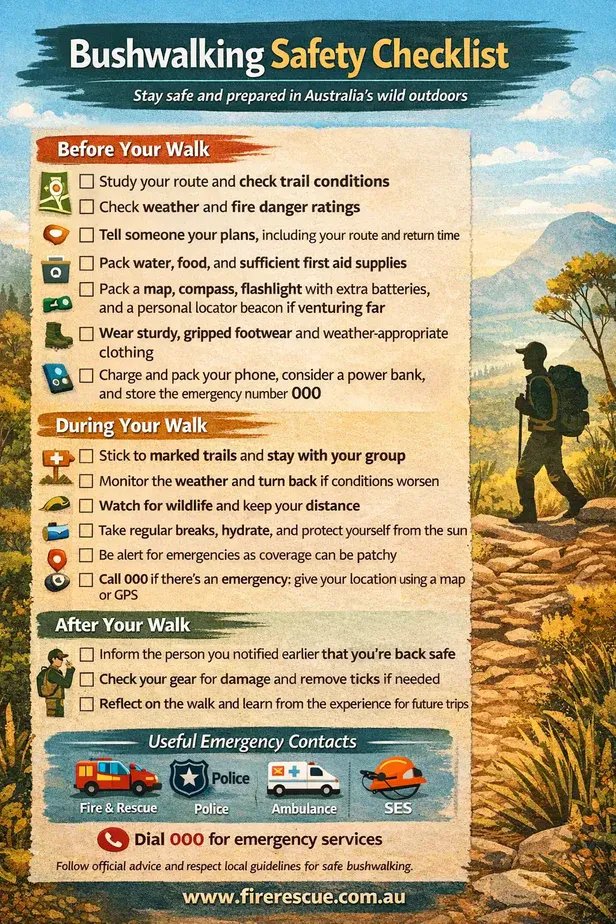
Before setting out, study maps and guides of your intended walk. Note the trail difficulty, estimated time, and key landmarks. Check recent weather forecasts and fire danger ratings on official government websites. Avoid bushwalking during extreme fire danger days or severe weather warnings.
Inform someone trustworthy of your plans, including your route and expected return time. This simple step ensures help can be alerted if you don’t return on time. Carry a fully charged mobile phone, but remember coverage can be patchy in remote areas. Consider a personal locator beacon if venturing further afield.
Additionally, researching the specific environment of your walk can prepare you for local hazards such as flood-prone areas, steep climbs, or sections known for wildlife encounters. Joining local bushwalking groups or forums can provide valuable insights and recent trail conditions from experienced walkers.
Planning also includes setting realistic expectations for your fitness level and experience. If you are new to bushwalking or tackling a challenging route, consider starting with shorter, well-marked trails and gradually building your skills. Taking a companion who is experienced can improve safety and enjoyment.
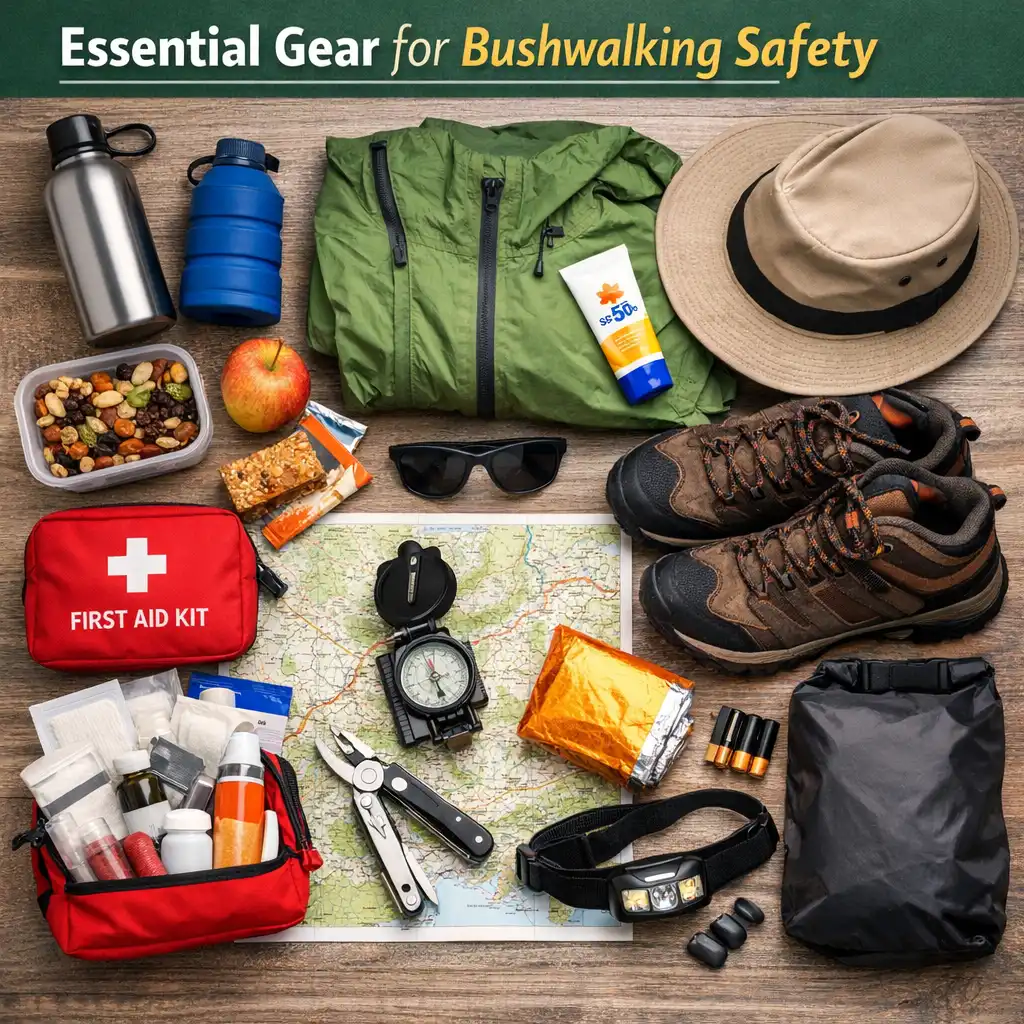
Essential Gear for Bushwalking Safety
Always pack water sufficient for the day and extra in case of delays. Carry food that provides good energy and is easy to digest. Dress in layers using lightweight, breathable fabrics and bring rain protection. Good quality footwear with grip reduces slips and ankle injuries.
A first aid kit tailored for outdoor use is a must. Include items like bandages, antiseptic wipes, blister treatment, and any personal medications. A map and compass remain reliable navigation tools, and knowing how to use them matters. Avoid relying solely on digital devices.
In addition to these basics, carrying a multi-tool or knife, a lightweight emergency blanket, and sun protection such as a hat and sunscreen significantly enhances your safety. A headlamp or torch with extra batteries is essential if your walk extends into dusk or unexpected delays occur. Waterproof bags or cases protect electronics and important documents from moisture.
Consider including insect repellent and eye protection, especially in areas where ticks, mosquitoes, or flying insects are common. These precautions help prevent bites and discomfort that can affect your focus and health. Also, carrying some duct tape or repair kits can help fix gear or footwear issues on the trail.
For longer or overnight walks, additional gear such as a tent, sleeping bag, and cooking equipment will be necessary. Always check park regulations regarding camping and fire use. Carrying a copy of any required permits and identification is also recommended.
Fire Safety Considerations
Pay close attention to fire danger ratings before and during your walk. In fire season, avoid lighting fires or smoking on trails. If you spot smoke or signs of fire, move away calmly and call emergency services immediately on 000. Knowing how to respond to bushfire conditions can save your life.
Fire safety also involves understanding how to create a safe camp if you plan an overnight stay. Choose clear areas away from dry grass and overhanging branches. Always ensure that campfires, if permitted, are completely extinguished before leaving. Carrying a small shovel or container of water for fire control is advisable.
It is important to stay informed about local fire bans and restrictions, which can vary by region and time of year. Some parks may close trails or prohibit camping during high-risk periods. Following these rules helps protect you, other visitors, and the environment.
During the Walk: Stay Aware and Prepared
Stick to marked trails and watch for signage. Keep an eye on the weather as it can change rapidly. If you feel unwell or unsure, turn back early rather than pushing on. Be alert for snakes and other wildlife; give them space and do not attempt to touch or feed animals.
Stay hydrated and take regular breaks. Keep your group together to avoid anyone becoming lost. If separated, follow pre-agreed plans to regroup. If an emergency occurs, stay calm and use your planned emergency procedures.
Maintaining situational awareness also means monitoring trail markers and your pace to ensure you stay on schedule. Using a buddy system helps everyone stay accounted for and provides immediate assistance if someone encounters difficulty. Remain respectful of the environment by minimizing impact and following Leave No Trace principles.
During your walk, be mindful of hydration cues and signs of heat exhaustion, especially in warmer months. Wearing a wide-brimmed hat and applying sunscreen regularly can prevent sunburn and heatstroke. Conversely, in cooler weather, layering clothes and keeping dry helps avoid hypothermia.
Always keep an eye out for changes in trail conditions such as fallen trees, erosion, or flooding. These can present unexpected hazards. If you encounter such obstacles, assess the risk carefully and consider turning back or finding an alternate route if safe and permitted.
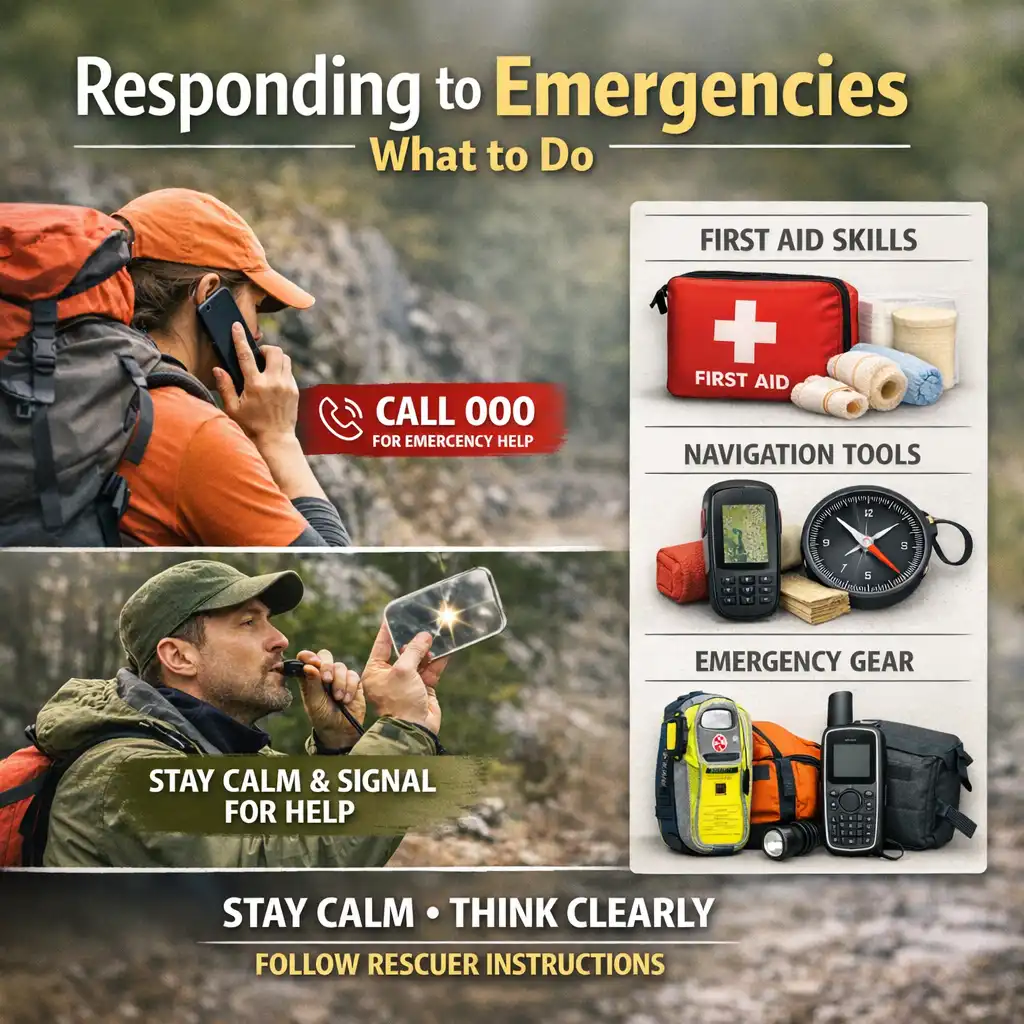
Responding to Emergencies: What to Do
If you or someone in your group is injured or in danger, call 000 immediately for emergency assistance. Give clear details about your location, condition, and the nature of the emergency. Use landmarks or GPS coordinates if possible.
If you become lost, stay where you are if safe, conserve energy, and try to make yourself visible to rescuers. Use a whistle or mirror to signal. Follow advice from emergency services about staying put or moving to safety.
It’s important to carry knowledge of basic first aid to manage injuries until professional help arrives. Knowing how to treat shock, fractures, and dehydration can make a significant difference. Also, understanding how to keep warm and sheltered in adverse weather conditions is vital during an emergency.
In addition, practicing how to use emergency equipment such as personal locator beacons, satellite phones, or signaling devices before your walk ensures you can operate them confidently under stress. Participating in basic wilderness first aid courses improves your ability to respond effectively in emergencies.
Remember that staying calm and thinking clearly during an emergency greatly enhances your chances of a positive outcome. Encouraging team members to communicate openly about how they feel and any difficulties encountered helps manage situations before they escalate.
If You Only Do Five Things
First, always tell someone your full plan and expected return time before heading out. Second, check weather and fire danger ratings on the day of your walk and cancel if conditions are unsafe. Third, carry enough water, food, and first aid supplies tailored to your walk duration and environment. Fourth, stick to marked trails and keep your group together. Finally, know how to contact emergency services—call 000 for life-threatening situations.
Who Does What in Australia
Fire and Rescue services handle fires including bushfires, as well as road crashes and rescues. They provide fire safety advice before and during fire season. Police maintain law and order, assist with search and rescue, and manage emergencies requiring public safety. Ambulance services offer medical aid and transport, critical for injuries or illnesses on walks. The State Emergency Service (SES) supports during storms, floods, and rescues in non-fire emergencies. Calling 000 connects you to the right help quickly.
Additionally, local councils and national park rangers play a supportive role by maintaining trails, providing visitor information, and enforcing safety regulations. Many parks also have dedicated volunteer groups that assist with search and rescue operations and promote safety awareness among bushwalkers.
FireRescue Training Hub
Access practical fire and emergency study support resources, downloads, checklists, audio guides, and member-only course content.
- Course library
- PDF downloads
- Audio guides
- Checklists
Study support only. Not accredited training or a replacement for workplace procedures.
About the author and safety review
Ken Walker
Former Station Officer and fire service educator
Former career firefighter with extensive career and volunteer fire service experience.
Qualifications: Associate Diploma of Applied Science in Fire Technology; Institute of Fire Engineers studies.
Author profilehttps://www.firerescue.com.au/about-us/