↑ Top
Firefighting Operations Australia — Lessons Learned and Improving
This practical guide explores how Australian agencies refine firefighting operations after each season — from prevention and preparedness to response and recovery — so lessons actually change outcomes on the fireground and at home.
Weather & Hazard Alerts
Extreme Heat
Track heatwaves via Bureau of Meteorology (BOM). Hydration, work/rest cycles, and medical checks reduce heat stress for crews and communities.
Smoke & Air Quality
Use local air quality indexes. Masks (P2/N95) for vulnerable residents; rotate crews; establish clean zones to limit smoke exposure.
Flooding After Fire
Post-burn catchments can flash-flood. Coordinate with SES for sandbagging, road closures, and rapid warnings to townships.
Prevention — Turn Lessons into Less Fire
Season-on-season, Australian firefighting operations improve when mitigation is funded early and measured. Fuel breaks around town edges, powerline vegetation works, and permit systems reduce ignition probability and slow spread. The big change in the last decade is treating prevention like a program, not a “nice-to-have”.
- Map recurring ignition points (rail corridors, recreation areas, harvest times) and verify with incident logs.
- Embed cultural burning with Traditional Owners to protect country and values while lowering risk.
- Harden assets: clear gutters, metal ember guards, fine-mesh vents, and 10–30 m defendable space around homes.
- Utilities: schedule pre-season inspections of poles, transformers, and remote switchgear accessible after storms.
Preparedness — Five-Minute Wins + Seasonal Readiness
Preparedness turns good intentions into action. For households and brigades, small steps add up: radios checked, water sources confirmed, maps laminated, PPE sized correctly. In Firefighting Operations Australia, disciplined routines are the difference on the first 30 minutes of a job.
Preparedness in 5 Minutes
- Check local warnings (app/website/radio).
- Pack meds, IDs, chargers, and pet kit.
- Clear doorways/verandahs of flammables.
- Know two routes out of town.
- Share a contact plan with family/neighbours.
Brigade/Unit Readiness
- Fit-check P2 masks and goggles for all sizes.
- Run a comms check: primary + fallback channels.
- Pre-plan water points and turn-around spots.
- Load local hazards into tablet map layers.
Advertisement
Get bushfire-ready gear from trusted Australian suppliers — pumps, hoses, PPE and storage. Fast delivery to regional areas.
Response — The First 30 Minutes Decide the Day
Most learnings in Firefighting Operations Australia come from this window: size-up, anchoring, comms clarity, and early evacuation messaging. Start small but decisive: establish LACES (Lookouts, Awareness, Comms, Escape routes, Safety zones), confirm water, and build flanks deliberately rather than outrunning the head.
- Air–ground integration: Use a single contact for tasking aircraft. Mark targets with panel/IR strobe; stay clear of drop lines.
- Public information: If threat increases, push timely warnings in plain English — “Leave now via Princes Hwy towards Sale” beats vague messages.
- Interagency staging: Police manage traffic, SES handle trees/debris, ambulance stand-by for smoke/heat illness — one shared map prevents duplication.
Recovery — Honest Debriefs & Community Care
Recovery starts while blacking-out. Capture what worked, stabilise essentials, and connect people to services. Keep the community front-and-centre: clear roads, restore power and water, and provide clean-up kits and information hubs. Log losses accurately — they drive grants and fuel treatment plans next season.
- Wellbeing: Roster breaks and peer support for crews; promote mental health services for residents.
- Proof of impact: Photos, GPS tracks, and costings now mean better prevention funding later.
- Rebuild safer: Encourage ember-resistant design, compliant clearances, and landscaping that slows flame.
How It Works — Turning Lessons into Better Seasons
Australia’s improvement cycle follows PPRR. Prevention and preparedness lock in before summer; response adapts in real time; recovery feeds the next plan. Interoperability matters — CFA, FRV, NSW RFS, QFES, DFES, Parks, Police, SES, Ambulance, and local councils all contribute different strengths.
- Collect: After-action reviews, safety observations, ICS 214 logs, drone imagery.
- Analyse: Spot patterns in comms gaps, resource conflicts, or water access.
- Act: Update SOPs, training, maps, and public messaging templates.
- Verify: Pre-season exercises and mid-season check-backs.
Roles & Coordination — Who Does What, When
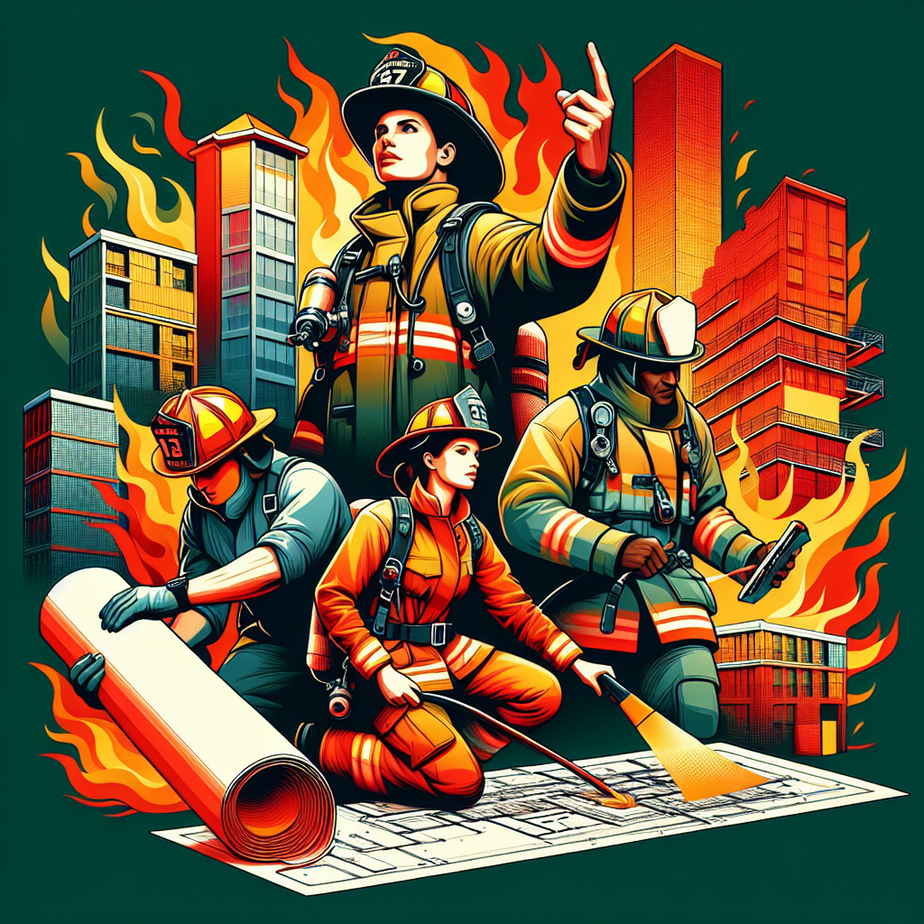
Clarity prevents radio clutter and double-handling. An Incident Controller sets intent; Operations shapes the plan; Divisional Supervisors and Sector Commanders translate tasks to crews. Police run traffic and investigations; SES leads storm/flood; Ambulance handles medical; councils support relief centres and debris.
Comms Discipline
Use call signs, short messages, repeat back critical info, switch to tac channels for long traffic.
Common Map Picture
Share a single source of truth: perimeters, water, hazards, staging, evacuation routes.
Public Messaging
Plain English, clear actions, one voice across all agencies and social channels.
Equipment & Tools — Ready, Compatible, Serviced
Lessons learned often point to simple fixes: couplings that don’t match, flat batteries, or hose loads hard to deploy on steep tracks. Standardise where possible and label everything. Build muscle memory with drills so crews can work by touch in smoke and noise.
- Service pumps, test suction, and mark priming steps on tanks.
- Carry adapters for neighbouring agencies and plantations.
- Fit heat shields, ember screens, and carry spare goggles/masks.
- Keep drone kits with spare props, filters, and landing mats.
Advertisement
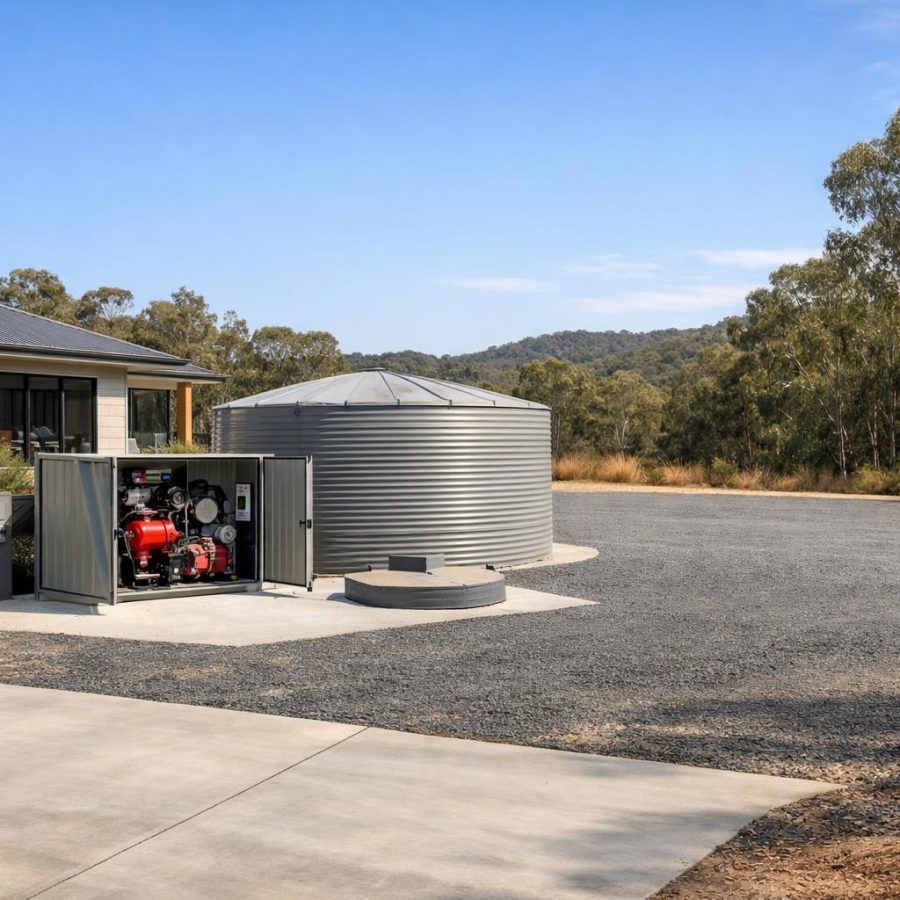
Outfit your shed with hoses, fittings, PPE and tool storage so you’re set before the wind changes.
Case Studies — What Australia Taught Us
A fast-moving fire ran out of paddocks into blue-gum. A joint CFA/FRV/Forest team used flanking, farm dams for quick refill, and police traffic control on narrow bridges. Lesson: pre-mark heavy vehicle turn-arounds and add plantation maps to crew tablets pre-season.
DFES crews faced spot-fires kilometres ahead of the head. Community alerts emphasised “leave early”. Lesson: house-by-house ember hardening pays off; neighbourhood groups clearing gutters pre-season reduced structure loss.
After a severe bushfire, catchments flash-flooded. SES led sandbagging; RFS supported traffic and spot-fires from lightning. Lesson: recovery planning must include flood and landslip risks for burned slopes, with stockpile points agreed in winter.
Checklists — Home, Business, Responders
Household
- Clear gutters; fine-mesh ember guards.
- Prepare go-bags: meds, IDs, chargers, pet needs.
- Two exit routes and a meeting point.
- Backup power/lighting and battery radio.
Business/Farm
- Protect critical IT and records offsite.
- Asset tags, insurance photos, fuel maps.
- Evacuation warden roles and drills.
- PPE cache: masks, goggles, gloves.
Responders
- Vehicle checks: pumps, water, comms.
- Map packs: hazards, water points, gates.
- Personal kit sized and labelled.
- Brief/debrief templates printed and saved.
Accessibility & Inclusion — Everyone Counts
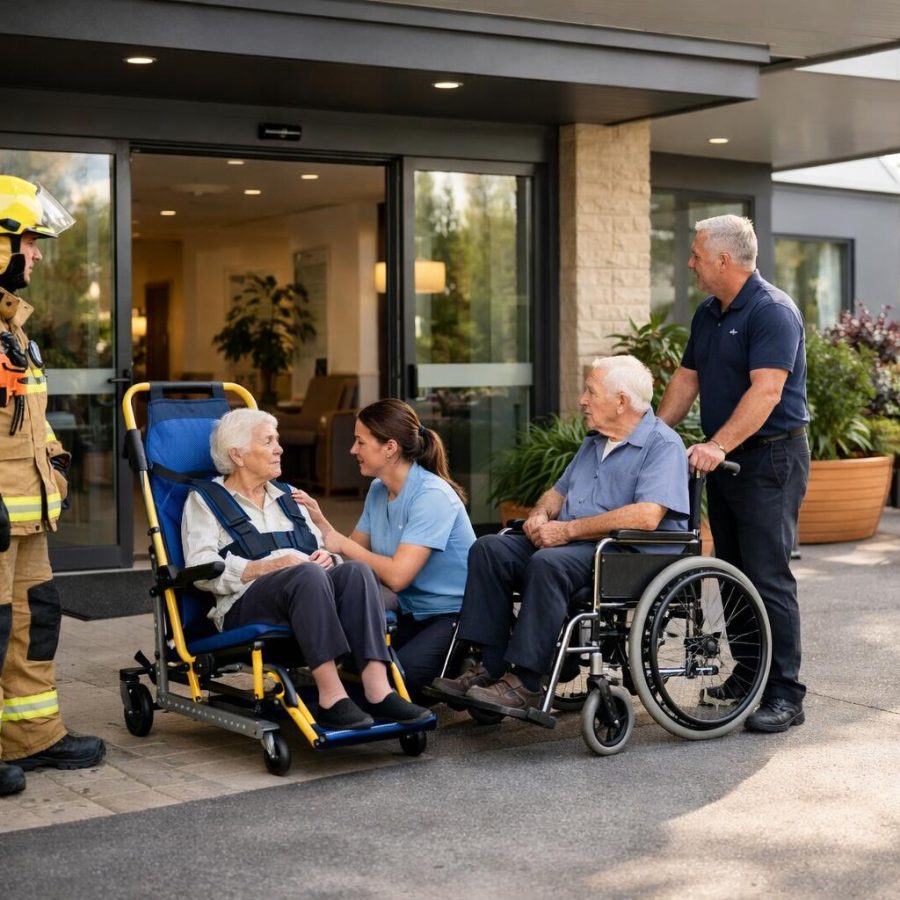
Emergency info must be readable, audible, and practical — in multiple languages where possible. Provide large-print signs at relief centres, easy-read pictograms, and Auslan interpreters for major media updates. Support people with mobility, sensory, or health needs with neighbour networks.
- Use plain English and consistent colours with high contrast.
- Provide QR codes that open the same advice in text and audio.
- Coordinate transport for early evacuation of high-needs residents.
FAQs — Straight Answers
How is “lessons learned” different to a debrief?
A debrief records the event; lessons learned change a procedure, training, or map so the next job goes better.
Which agencies usually work together?
Fire (CFA/FRV/RFS/QFES/DFES), Police, SES, Ambulance, Parks, councils, plus utilities and community groups.
What’s the best household first step?
Know your triggers to leave and two routes. Pack essentials and set phone/app alerts for your area.
Do masks help with smoke?
Yes — P2/N95 masks filter fine particles. Fit matters; combine with staying indoors and clean-air rooms.
How do crews avoid radio chaos?
Use call signs, brief first, then short transmissions. Move long chats to tac channels. Confirm tasks back.
What helps most after a fire?
Clear information, welfare checks, and clean-up gear. Accurate loss data supports grants and safer rebuilds.
How do aircraft fit in?
They support ground crews — cooling edges, spotting, and access checks. A single tasking contact avoids confusion.
Can we harden homes affordably?
Start with gutters, vents, and fine fuels. Add external sprinklers and metal fly screens as budgets allow.
Official Australian Sources
- Bureau of Meteorology (BOM) — warnings & forecasts
- CFA Victoria — advice & incidents
- NSW Rural Fire Service — fire danger ratings & alerts
- QFES Queensland — preparedness & incidents
- DFES Western Australia — bushfire & recovery info
- VIC SES — storm/flood safety & sandbagging
- Emergency WA — multi-hazard warnings
Credits
Author: FireRescue.com.au Editorial Team | Reviewer: Duty Officer (multi-agency) | Published: 29 September 2025 (AEST)
Disclaimer
Emergency education — not official advice. Always check local warnings and follow directions from authorities.
Training helps — join your local brigade/unit.
FireRescue Training Hub
Access practical fire and emergency study support resources, downloads, checklists, audio guides, and member-only course content.
- Course library
- PDF downloads
- Audio guides
- Checklists
Study support only. Not accredited training or a replacement for workplace procedures.
About the author and safety review
Ken Walker
Former Station Officer and fire service educator
Former career firefighter with extensive career and volunteer fire service experience.
Qualifications: Associate Diploma of Applied Science in Fire Technology; Institute of Fire Engineers studies.
Author profilehttps://www.firerescue.com.au/about-us/