Wildfire Readiness
Key Takeaways
Effective wildfire mitigation combines preparation of your property to resist fire and ensuring adequate hydration to reduce fire impact. Defending your home requires sensible vegetation management, structural considerations, and water access.
Hydration strategies include maintaining moisture levels in vegetation around your home and having reliable water sources during fire threats. These efforts together improve safety for occupants and first responders.
Always follow Australian standards for bushfire resilience, stay informed through official sources, and complete first aid training for emergency readiness.

Photo by TheOtherKev via Pixabay
Understanding Wildfire Risks in Australia
Australia’s dry climate and unique vegetation make it highly susceptible to wildfires, especially during the hot summer months. Wildfires can spread quickly and cause severe damage, threatening lives, homes, and ecosystems. Understanding the risks is the first step to effective mitigation. This includes knowing your local environment, weather patterns, and the specific fire danger ratings that apply in your area.
In addition to natural factors, human activity can influence wildfire risk. Maintaining clear communications with your local Country Fire Authority (CFA) or Tasmania Fire Service (TFS) is essential for timely updates and advice. These agencies play a critical role in managing wildfire threats and supporting community resilience.
Defend: Preparing Your Property to Resist Fire
Vegetation Management
The vegetation around your home can act as fuel during a wildfire. To reduce this risk, regularly clear dry leaves, twigs, and other combustible material within at least 20 metres of your house. Keep grass mowed low and remove dead plants and trees. Consider creating a defendable space by planting fire-resistant species and avoiding dense shrubbery near structures.
It’s important to understand the concept of fuel load—the amount of combustible material available to a fire. Managing fuel load effectively can greatly reduce the intensity of a wildfire near your property. This means not only clearing dry materials but also pruning trees to eliminate low-hanging branches that can act as a ladder for fire to reach the canopy.
Using gloves during vegetation management protects your hands from sharp branches and potentially irritating plants, ensuring safety as you prepare your property. Gloves designed for firefighting or heavy-duty gardening provide the durability needed for these tasks.
Structural Considerations
Building materials and design influence how well your home can withstand embers and radiant heat. Use non-combustible materials for roofing, walls, and decking when possible. Seal gaps around windows and doors to prevent ember entry. Installing metal mesh screens on vents and eaves helps stop sparks. Regularly inspect and maintain gutters, removing debris that could catch fire.
Ember attack is one of the most common ways wildfires ignite homes. Embers can travel kilometres ahead of the main fire front, lodging in small crevices or dry materials. Proper sealing and use of ember-resistant construction materials build resilience against this threat. Consider consulting with fire safety professionals or your local fire service for advice on upgrading your home’s defensive features.
Having a fire extinguisher accessible and in good working order adds a vital layer of defence. In the event of small spot fires caused by embers, a portable extinguisher can help control the blaze before it spreads. Ensure household members are trained in its correct use and maintenance.
Access and Clearance
Ensure driveways and access points are clear and wide enough to allow emergency vehicles to approach your property safely. Remove low-hanging branches and ensure the area around water tanks and firefighting equipment is accessible. Number your property clearly for easy identification during an emergency.
Clear communication channels with local fire services such as the CFA or TFS are crucial during wildfire events. Establishing reliable methods—whether via radio, mobile, or community networks—ensures you receive timely warnings and can coordinate effectively with responders. Consider investing in a two-way radio or a dedicated emergency alert device for peace of mind.
Hydrate: Maintaining Moisture to Reduce Fire Impact
Water Sources and Storage
Having an adequate water supply on your property is critical during wildfire season. Install and maintain water tanks with sufficient capacity to support firefighting or property watering. Consider pumps and hoses that can reach all areas of your property. Use rainwater harvesting to keep tanks replenished.
Reliable water access is not only important for property defense but also supports first responders if they arrive on site. Keeping hoses connected and ready, with appropriate fittings, can save valuable time in a fire emergency. Test your equipment regularly to ensure it functions properly under pressure.
Photo by TheOtherKev via Pixabay

Hydrating Surrounding Vegetation
During high fire risk periods, increase watering of lawns, plants, and garden beds near your home to keep them moist. This reduces flammability and can slow the spread of fire. Use drip irrigation or soaker hoses for efficient watering, especially during dry spells. Avoid overwatering, which can affect soil stability and plant health.
Strategically hydrating vegetation creates a natural barrier that can help prevent ember attack from igniting dry fuel. This practice complements other mitigation measures by reducing the likelihood of fire catching hold in your immediate surroundings.
Using Mulch and Ground Cover
Mulch can help retain moisture in soil and reduce weed growth, which may ignite easily. Choose fire-resistant mulching materials such as gravel or stone where possible. If organic mulch is used, keep it moist and away from building foundations and vents to minimise fire risk.
Ground covers that retain moisture also contribute to lowering the overall fuel load and improving the resilience of your garden. Regularly inspect these areas to ensure they are not drying out or accumulating debris that could become ignition points.
Emergency Preparedness and First Aid
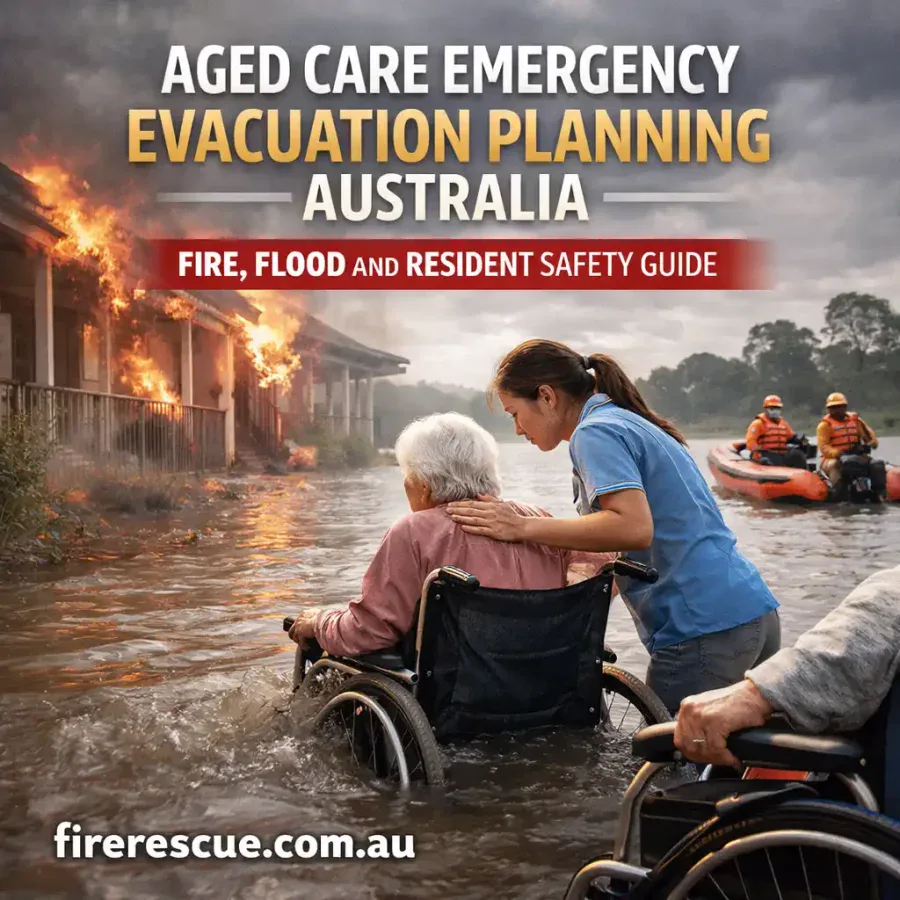
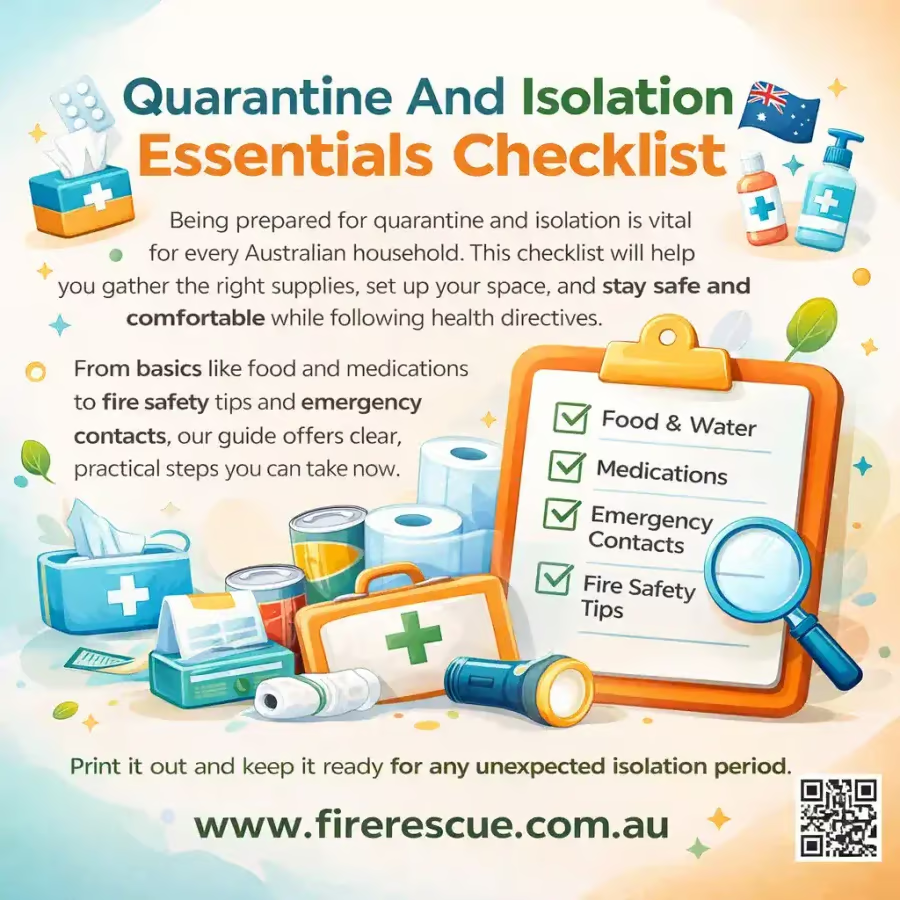
Knowing how to respond during a wildfire emergency is just as important as preparation. Prepare an emergency kit with water, food, first aid supplies, and important documents. Have a fire evacuation plan that all household members understand. Stay informed via official warnings from local fire services.
Basic first aid knowledge can save lives in emergencies. Learn how to treat burns, smoke inhalation, and dehydration. Always seek professional medical help when needed. Consider formal first aid training through recognised Australian providers to increase your confidence in managing injuries.
During wildfire threats, wearing appropriate protective gloves when handling hot or sharp objects can prevent injuries. Gloves designed for firefighting or heavy outdoor work provide resilience against burns and cuts, which is vital when assisting with property defense or assisting others.
If You Only Do Five Things
Clear dry vegetation and debris at least 20 metres around your home to reduce fuel load.
Maintain water tanks and have hoses ready to wet down your property during fire threats.
Seal gaps and use non-combustible building materials to protect your home from embers.
Keep lawns and garden beds hydrated during fire seasons to reduce ignition risk.
Have a clear evacuation plan and be trained in first aid to respond confidently in emergencies.
Final Thoughts
Wildfire mitigation is a continuous process that involves preparing your property, establishing good hydration practices, and staying informed and ready for emergencies. By following these practical steps, Australian homeowners can reduce the risk of wildfire damage and improve safety for their families and communities.
Always comply with local regulations and Australian standards related to bushfire resilience and safety. Engage with your local fire authority for advice tailored to your area, and prioritise formal training for fire safety and first aid. Together, these measures build resilience against the increasing threat of wildfires across Australia.