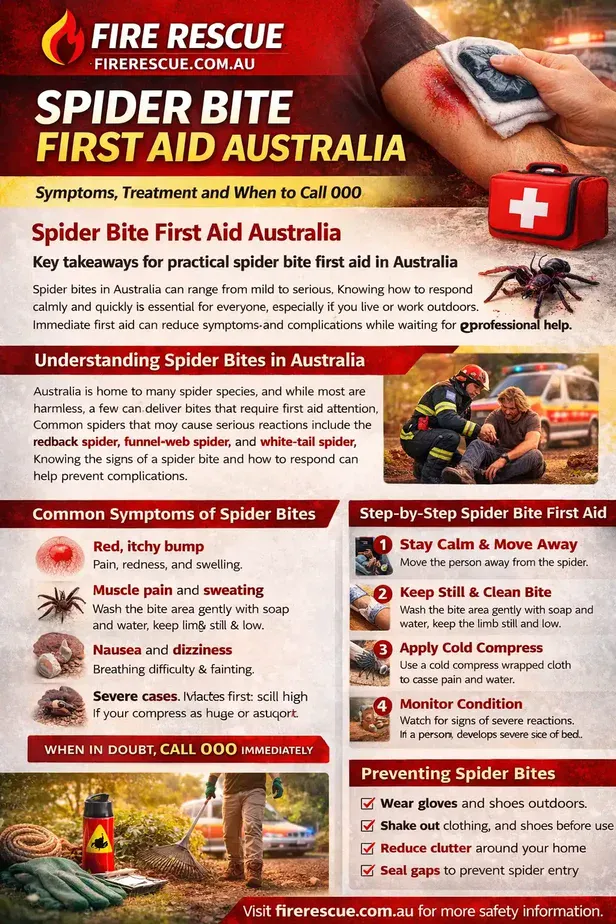
Spider Bite First Aid Australia
Key takeaways for practical spider bite first aid in Australia
Spider bites in Australia can range from mild to serious. Knowing how to respond calmly and quickly is essential for everyone, especially if you live or work outdoors. Immediate first aid can reduce symptoms and complications while waiting for professional help.
Remember to keep the affected person calm, clean the bite area gently, and seek medical advice if symptoms worsen. Calling 000 is vital in life-threatening situations or if signs of severe reaction appear. Always follow official guidance from local emergency services and fire rescue teams.
Understanding Spider Bites in Australia
Australia is home to many spider species, and while most are harmless, a few can deliver bites that require first aid attention. Common spiders that may cause serious reactions include the redback spider, funnel-web spider, and white-tail spider. Knowing the signs of a spider bite and how to respond can help prevent complications.
The redback spider is one of the most notorious venomous spiders in Australia. Its bite can cause severe pain, sweating, muscle weakness, and in rare cases, more severe systemic reactions. Funnel-web spiders are considered among the most dangerous, with venom that can affect the nervous system rapidly, leading to muscle spasms and breathing difficulties. White-tail spiders, while less dangerous, can still cause painful local reactions and sometimes lead to secondary infections if the bite area is not properly cared for.
Common Symptoms of Spider Bites
Symptoms often start with pain, redness, and swelling at the bite site. Some bites cause itching, blistering, or muscle pain. More serious spider bites, like those from funnel-web spiders, can cause sweating, nausea, difficulty breathing, and muscle spasms. If you notice any signs of a severe reaction, call 000 immediately.
In addition to localized symptoms, systemic effects may develop within minutes to hours after the bite. These can include headache, dizziness, fever, chills, and abdominal pain. Severe allergic reactions or anaphylaxis, although rare, can occur and require urgent medical attention. Understanding these symptoms helps in recognizing when to escalate care promptly.
Step-by-Step Spider Bite First Aid in Australia
Begin by moving the person away from the spider to prevent further bites. Keep the affected limb still and lower than the heart if possible. Gently wash the bite area with soap and water to reduce the risk of infection. Avoid scratching or applying irritants.
Apply a cold compress or ice pack wrapped in cloth to the bite site to ease pain and swelling. Do not apply ice directly to the skin. Monitor the person’s breathing and general condition carefully while waiting for medical help. For funnel-web spider bites, applying a pressure immobilisation bandage can slow venom spread—this is a specialised technique best learned through official first aid training.
Do not try to catch or kill the spider unless it can be done safely without risk. Identifying the spider can help medical teams provide appropriate treatment. If the bite victim experiences severe symptoms such as difficulty breathing, chest pain, faintness, or widespread swelling, call 000 immediately and follow the dispatcher’s instructions.
While waiting for medical assistance, it is important to keep the bite victim as still and calm as possible. Physical activity can increase the circulation of venom through the body, potentially worsening symptoms. Encouraging slow, steady breathing and minimal movement can help limit venom spread and reduce anxiety.
If the victim is conscious and able to swallow, offering small sips of water can help maintain hydration. Avoid giving any food, drink, or medications unless instructed by medical personnel. Documenting the time of the bite and the progression of symptoms can be useful information for healthcare providers upon arrival.
When to Seek Medical Help
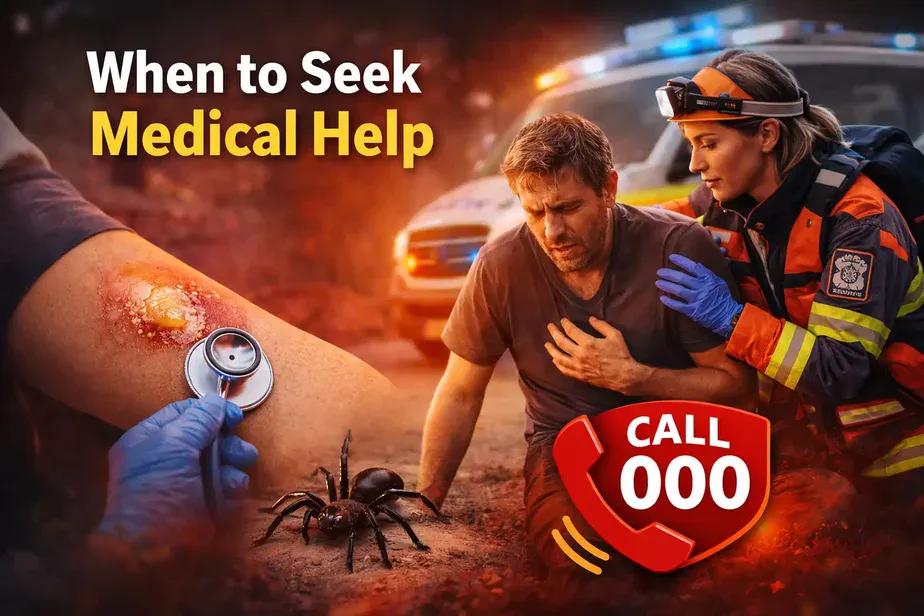
Most spider bites heal without complications, but some require urgent treatment. Always seek medical advice if you notice spreading redness, increasing pain, fever, or signs of infection. People with allergies, children, and older adults should be especially cautious.
If the bite is from a redback or funnel-web spider, or if the person develops severe symptoms such as muscle cramps, vomiting, difficulty breathing, or unconsciousness, call 000 immediately. Ambulance services are equipped to provide rapid care and transport to hospital if needed.
Medical professionals may administer antivenom for bites from redback and funnel-web spiders, which is highly effective when given promptly. Early treatment reduces the risk of serious complications and speeds recovery. In cases where antivenom is not required, supportive care including pain management and wound care will be provided.
Additionally, if the bite site shows signs of infection such as pus, increased warmth, or spreading redness, antibiotics may be prescribed. Monitoring for secondary infections is important as spider bites can sometimes break the skin barrier, allowing bacteria to enter.
Fire and Rescue’s Role in Spider Bite Situations
While Fire and Rescue teams do not provide direct medical treatment for spider bites, they often respond to emergency calls where first aid and rescue may be needed. Their trained personnel can assist in stabilising patients and coordinating with ambulance services. Fire and Rescue crews also play a vital role in public safety education, including awareness of venomous animals and how to act in emergencies.
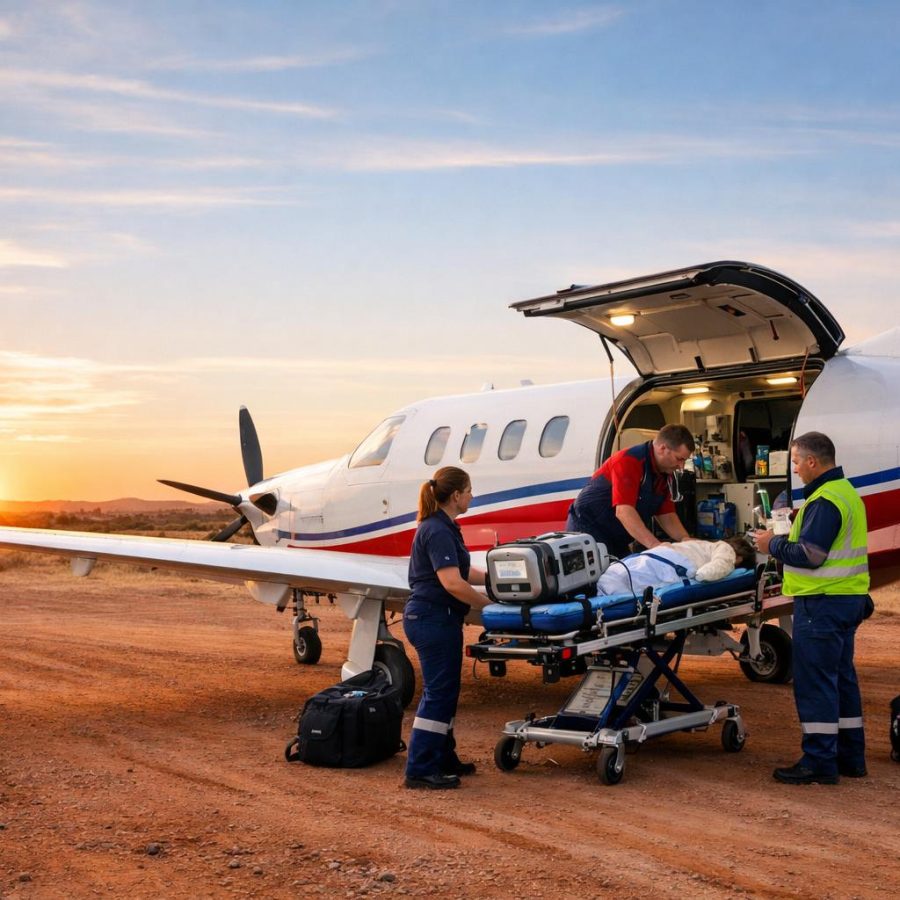
In rural or remote areas, Fire and Rescue may work alongside State Emergency Service (SES) volunteers and Police to assist in getting help to those affected by spider bites or other accidents. Their support can be critical in severe cases where transport or access is difficult.
Fire and Rescue personnel are also trained in advanced first aid and can provide immediate life-saving interventions when paramedics are delayed. Their presence on scene ensures rapid assessment and assistance, enhancing patient outcomes. They often serve as a crucial link between the incident site and healthcare providers.
If You Only Do Five Things
First, keep calm and reassure the bite victim. Panic can increase heart rate and spread venom faster. Next, clean the bite area gently but thoroughly with soap and water. Then, apply a cold compress wrapped in cloth to reduce swelling and pain. Fourth, monitor closely for any signs of severe reaction such as difficulty breathing, severe pain, or confusion. Finally, call 000 without delay if the bite looks serious or if the victim shows concerning symptoms.
Remember that acting quickly and calmly can make a significant difference in the outcome of a spider bite incident. Being prepared and informed empowers you to help effectively and potentially save a life. Taking these five steps is a practical approach that anyone can follow in an emergency.
Who Does What in Australia: Emergency Services Explained
In Australia, emergency response involves several key agencies. Fire/Rescue teams focus on fire suppression, rescue operations, and some medical assistance. Police maintain public order and assist in emergencies that require law enforcement or traffic control. Ambulance services provide medical care and transport to hospitals. The State Emergency Service (SES) supports the community with search and rescue, flood response, and other emergencies, often working alongside Fire/Rescue and Police. In any life-threatening spider bite, calling 000 connects you to all the services you may need.
Each service has specialised roles, but collaboration is key during emergencies. For example, Fire and Rescue might secure the scene and provide first aid, Police manage access and crowd control, while Ambulance paramedics deliver advanced medical treatment and transport. SES volunteers often assist in challenging environments, ensuring timely assistance reaches those in need. Understanding these roles helps you navigate the emergency system effectively.
Preventing Spider Bites in Australia
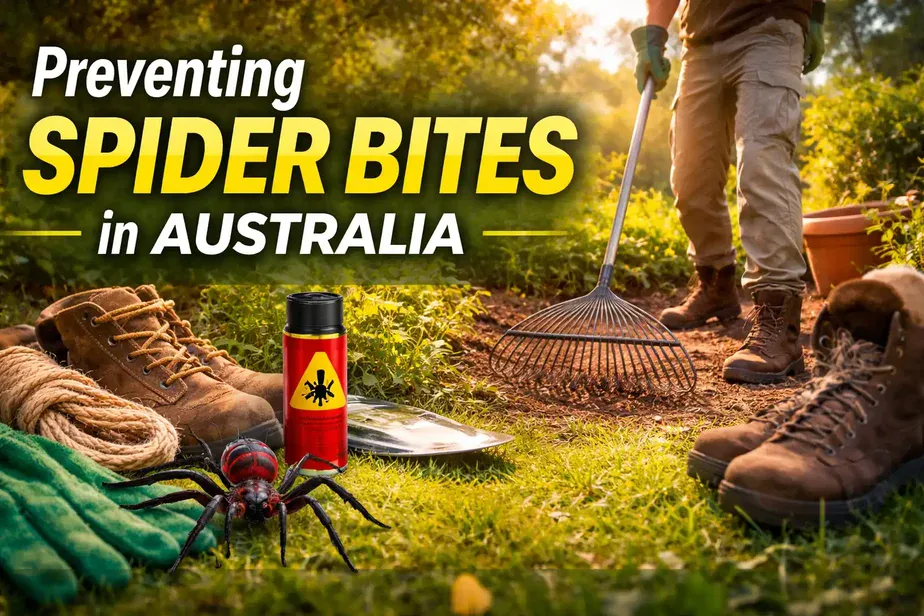
Prevention remains the best approach. Avoid leaving shoes, clothing, or towels on the ground where spiders can hide. Shake out items before use, especially if stored outside. When working in gardens or outdoor areas, wear gloves and long sleeves. Keep your home clean and seal gaps where spiders might enter. Awareness and caution reduce the chance of bites and the need for first aid.
Additionally, reducing clutter in storage areas, regularly vacuuming corners and cupboards, and using spider deterrents can limit spider presence indoors. Outdoor lighting can attract insects, which in turn attract spiders; using yellow “bug” lights may reduce this effect. Educating family members, especially children, about spider safety helps prevent accidental bites.
Final Thoughts on Spider Bite First Aid Australia
Spider bite first aid in Australia is about quick, calm action and knowing when to get help. Most bites cause minor discomfort, but some can pose serious health risks. Trust official advice from Fire/Rescue, Ambulance, and health authorities. Be prepared, stay calm, and respond safely.
Remember that knowledge is your best defence against spider bites. Familiarise yourself with local spider species, their habitats, and typical behaviours. This awareness, combined with practical first aid skills, ensures you can act confidently in an emergency. Whether at home, work, or outdoors, staying vigilant and informed protects you and those around you.
FireRescue Training Hub
Access practical fire and emergency study support resources, downloads, checklists, audio guides, and member-only course content.
- Course library
- PDF downloads
- Audio guides
- Checklists
Study support only. Not accredited training or a replacement for workplace procedures.
About the author and safety review
Ken Walker
Former Station Officer and fire service educator
Former career firefighter with extensive career and volunteer fire service experience.
Qualifications: Associate Diploma of Applied Science in Fire Technology; Institute of Fire Engineers studies.
Author profilehttps://www.firerescue.com.au/about-us/