Response Equipment Inspection: The First Step to Readiness
Emergency response equipment does not become reliable by accident. It becomes reliable because someone takes the time to inspect it, notice what is missing, identify damage, and report issues before the next job depends on it.
What this learning guide covers
This first lesson in the Bay Check Series focuses on response equipment inspection. It explains why inspections matter, what crews should be looking for, how missing parts and faulty equipment can affect operations, and why clear reporting protects both people and operational readiness.
0 of 6 sections refreshed
Readiness starts long before the call comes in
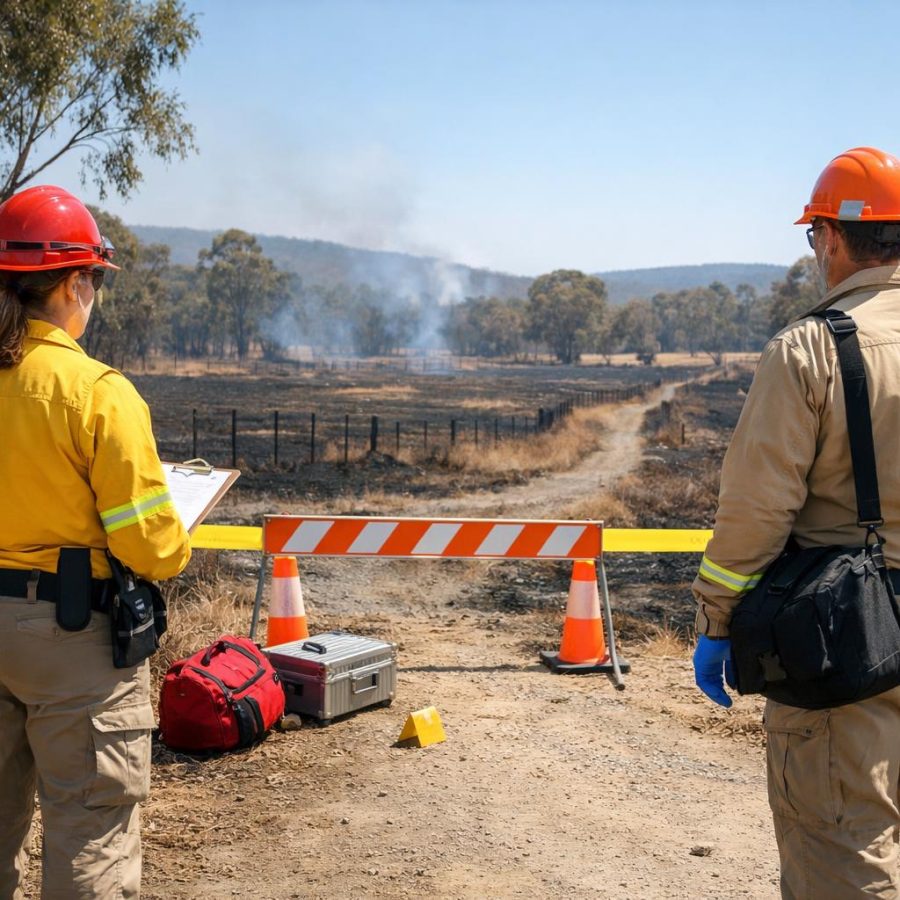
When people think about emergency response, they often picture the visible part of the job: the appliance leaving the station, crews arriving at an incident, hose lines being deployed, rescue tools being carried forward, or equipment being used under pressure. What is easier to overlook is the quiet, disciplined work that happened earlier. Someone checked the equipment. Someone noticed whether all expected parts were there. Someone identified a problem before it became a problem on the fireground, roadside, flood scene or other emergency location.
Response equipment inspection is one of the most practical safety habits in emergency work. It is not glamorous. It may not attract attention. But it strongly influences whether a crew can work smoothly when time matters. A missing adaptor, a damaged fitting, a cracked component, or equipment that has been restowed poorly can create unnecessary delay. In emergency operations, small delays can become major frustrations, and major frustrations can become safety risks.
The unit this learning series is based on begins with a very clear first requirement:response equipment must be inspected in accordance with organisational procedures.That point matters. Inspection is not simply a casual glance. It is not “that looks alright from here.” It is a deliberate check guided by the procedures, expectations and standards used by the organisation.
Good operators understand that inspection is part of readiness, not a separate chore. When equipment is checked properly, the crew builds confidence. When equipment is neglected, crews inherit uncertainty. That uncertainty may remain hidden until the moment the equipment is needed most.
The Bay Check Method: a simple inspection memory aid
Organisational procedures should always guide the real inspection process. However, it can still help to carry a simple mental pattern that keeps your attention focused. For this series, we will use a practical learning tool called theBay Check Method. It is designed as a refresher aid, helping learners remember the purpose of inspection without replacing formal workplace procedures.
Present
Is the equipment where it should be? Is the item actually present in the vehicle, locker, equipment bay, cache or storage area?
Complete
Are the required parts, fittings, attachments, accessories or components present? Has anything gone missing after previous use?
Sound
Does the equipment appear physically sound? Look for damage, cracks, leaks, wear, broken fasteners, contamination or anything unusual.
Reported
If something is wrong, has it been communicated and recorded in line with the organisation’s procedure?
This four-part method works because it mirrors the operational thinking needed during routine checks. First, you confirm that the equipment exists where it belongs. Second, you check that it is complete. Third, you examine whether it is visibly serviceable. Fourth, you take responsibility for escalating anything that is missing, faulty or damaged.
Thefirefighting-and-rescue-operations-for-australian-responders/”>importantprinciple is that inspection should move beyond simple neatness. A bay can look tidy and still hide problems. A tool can be clean and still be incomplete. A piece of equipment can be in the correct location and still be damaged. That is why disciplined inspection matters.
What should crews look for during response equipment inspection?
The exact inspection checklist will vary depending on the organisation, the role of the crew, and the type of response equipment being checked. Firefighting equipment, rescue equipment, communications equipment, portable power equipment, water delivery equipment and general operational gear may all have different inspection points. Yet the underlying purpose remains the same:identify anything that could affect safe, timely or effective use.
A good inspection asks several simple questions:
This last question is particularly useful. Imagine reaching for that same item during a real operational task. Would you trust it? Would you expect it to work as intended? Would you be comfortable handing it to another crew member? If hesitation appears in your mind, that hesitation deserves attention.
Common signs that need attention
- Missing parts, fittings or attachments
- Cracked, bent or visibly worn components
- Damaged handles, latches, catches or straps
- Leaks, residues or evidence of contamination
- Loose connections or parts that no longer seat correctly
- Equipment returned to the wrong position
- Items that appear incomplete after operational use
- Anything inconsistent with normal condition
Risky habits to avoid
- Assuming equipment is fine because it worked last time
- Checking only the obvious items and skipping the rest
- Leaving minor defects for someone else to discover
- Putting equipment away first and thinking about faults later
- Relying on memory instead of following a procedure
- Reporting a fault verbally but not recording it
- Failing to identify missing components after use
- Confusing neat storage with operational readiness
Strong inspection culture develops when people treateverycheck as meaningful. That does not mean making routine checks overly complicated. It means taking them seriously enough to notice what matters. Over time, crews become quicker and more confident because they develop familiarity with how properly prepared equipment should look, feel and sit in storage.
The item is there, but something does not look right
You are conducting a routine equipment inspection. The item is in the correct bay, but one part is missing and another section looks worn. It might still appear usable at a glance. What is the best next action?
Missing parts matter more than they first appear
The source unit makes a specific point that is worth slowing down for:missing parts must be identified and reported in accordance with organisational procedures.That requirement exists for a very practical reason. Many operational items depend on smaller components that are easy to overlook during quick pack-up or hurried restow. A missing connector, securing pin, attachment, battery, nozzle component,protectivecap or other accessory may not draw attention until the equipment is deployed.
Missing parts create two forms of risk. The first is obvious: the equipment may not function correctly. The second is more subtle: the crew may lose time trying to work out what is wrong in the middle of an operational task. That can interrupt flow, create avoidable stress, and force crews to improvise when a simple earlier inspection would have prevented the issue.
Good equipment practice means thinking in complete systems rather than isolated items. A tool is not truly ready if the support parts required for its use are absent. A hose or appliance may not be fully ready if necessary fittings are missing. A portable item may be physically present but still operationally compromised if an essential accessory has not been returned. Inspection needs to recognise that difference.
Ask this
“Is the equipment merely present, or is it complete and ready?”
Do this
Use the organisation’s inspection method to check the full item and expected components.
Report this
Any missing part that could affect readiness, compliance or safe operational use.
This is especially important after training sessions, operational jobs, maintenance activity or shared equipment use. The more movement an item experiences, the greater the chance that something can be misplaced, left behind or not returned exactly as expected. A careful post-use and shift-start culture protects the next crew from inheriting avoidable uncertainty.
Faulty or damaged equipment must be reported and recorded
A professional inspection process does not end at finding a fault. It ends when the fault has been dealt with in the way the organisation requires. The unit makes this very clear:faulty or damaged equipment is to be reported and recorded in accordance with organisational procedures.
That small word —recorded— is important. Verbal comments are useful in the moment, but they can disappear. A quick comment in passing may not reach the right person. Someone may mean to follow up, then become busy. A formal record creates traceability. It allows the fault to move from observation into an accountable process. It helps supervisors, maintenance personnel, logistics staff or operational leaders understand what has been found and what may need attention.
Clear fault reporting should be practical, not theatrical. It should identify the equipment, describe the issue accurately, and follow the proper local process. The person reporting does not need to invent a diagnosis beyond their role. They do, however, need to make the concern clear enough that the next step can be taken.
Name the equipment
Be specific. Identify the item clearly so there is no confusion.
Describe the problem
State what is missing, damaged, worn, loose, contaminated or otherwise unusual.
Follow procedure
Use the organisation’s reporting, tagging, escalation or isolation requirements where applicable.
Ensure it is recorded
Do not rely only on memory or a passing conversation.
Reporting faults properly also supports team culture. It signals that readiness is shared work. The next crew is not being left to discover the problem themselves. The equipment officer, maintenance lead, supervisor or responsible role has a clearer pathway to act. Over time, accurate reporting can also help organisations notice patterns: recurring faults, frequently lost components, or equipment that may need improved storage or training.
The inspection mindset: ready for future use
Response equipment inspection is not only about discovering what is wrong. It is also about creating confidence that what remains in service is ready for the future. This mindset matters because emergency work is often handed from one moment to the next. A crew returns from an incident. Equipment is moved, used, cleaned, restowed and then expected to be available again. If the inspection culture is weak, problems travel forward. If the inspection culture is strong, problems are found early and the next response starts from a better position.
The wider unit continues beyond inspection into testing, cleaning,maintainingand restowing equipment. But those later steps all rest on the same foundation: attention to condition. The person who learns to inspect well becomes better prepared to test well, clean carefully, maintain responsibly and return equipment to a truly ready state.
There is also a personal professionalism in this. Good emergency workers respect equipment because they understand that people may depend on it. They do not treat checks as box-ticking alone. They treat them as part of the quiet craft of emergency readiness. That craft is built on routine, consistency and care — values that have always mattered in emergency service culture and still matter as systems and equipment become more advanced.
Before finishing an inspection, ask:
- Have I checked the equipment in line with procedure?
- Have I identified missing parts?
- Have I noticed any damaged or faulty items?
- Have I reported the issue through the correct process?
- Has the issue been properly recorded where required?
- Would the next crew be better informed because I completed this check properly?
If the answer to those questions is yes, the inspection has served its real purpose. It has moved the organisation closer to readiness. It has reduced uncertainty. It has protected the next operational moment from preventable surprises.
The Equipment Inspection Flow
- Locate:Confirm the equipment is present and in the expected place.
- Check completeness:Look for missing parts, fittings or accessories.
- Inspect condition:Identify visible faults, wear, damage or contamination.
- Decide:Is it clearly ready, or does it require reporting?
- Report:Follow organisational procedure for missing, faulty or damaged equipment.
- Record:Ensure the issue is documented where required.
Quick Self-Check
1. Why is response equipment inspection important?
2. What should happen when a part is missing?
3. If equipment is faulty or damaged, what is required?
FireRescue Training Hub
Access practical fire and emergency study support resources, downloads, checklists, audio guides, and member-only course content.
- Course library
- PDF downloads
- Audio guides
- Checklists
Study support only. Not accredited training or a replacement for workplace procedures.
About the author and safety review
Ken Walker
Former Station Officer and fire service educator
Former career firefighter with extensive career and volunteer fire service experience.
Qualifications: Associate Diploma of Applied Science in Fire Technology; Institute of Fire Engineers studies.
Author profilehttps://www.firerescue.com.au/about-us/