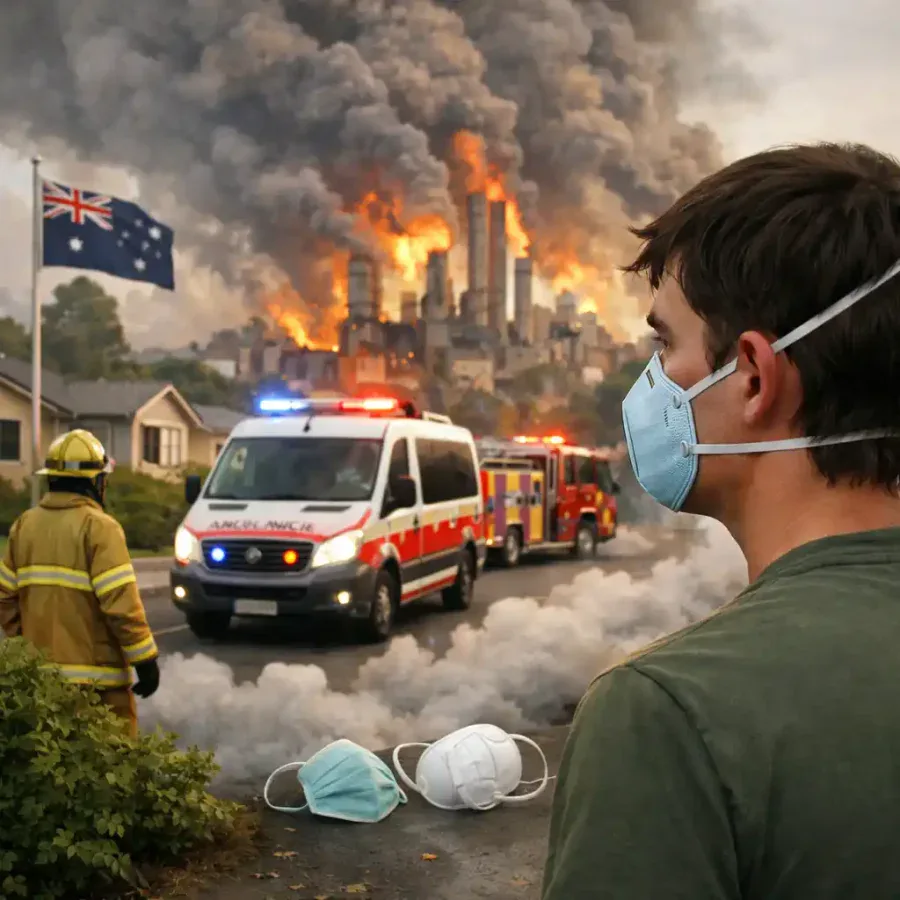
Australia’s summer months can bring a challenging combination of natural hazards, including bushfires, floods, and storms. Preparing for multi hazard seasons is essential for households to stay safe, protect property, and minimise stress when weather <a href="https://www.firerescue.com.au/understanding-the-impact-of-climate-change-on-australian-bushfires/”>conditions become extreme. By understanding these risks and taking practical steps, families can face summer with greater confidence and peace of mind.
Each year, many regions across Australia experience overlapping threats. For example, a hot, dry start to summer can lead to increased bushfire risk, followed by heavy rains that cause flooding or severe storms. Being ready for more than one hazard means thinking broadly and planning carefully — but doing so doesn’t have to be complicated or costly.
Preparedness is about small, manageable actions that build resilience so your household can respond quickly and recover faster. This guide will help you understand the realities of multi hazard seasons and offer practical advice tailored for Australian families.
Understanding the risk: what Preparing for Multi-Hazard Seasons: Fire, Flood and Storm in One Summer looks like in real life
Multi-hazard seasons mean that fire, flood, and storm risks often overlap, sometimes within days or even hours. For example, a bushfire might clear vegetation and expose soil, which increases flood risk when heavy rains follow. Similarly, storms can bring damaging winds and lightning that start fires or cause flooding from heavy downpours.
In real life, this means households can face sudden changes and multiple emergencies in one season. A family might need to evacuate due to fire one week, then protect their home against rising floodwaters the next. Being prepared for this complexity helps reduce confusion and keeps everyone safer.
Understanding your local environment and hazard history is the first step. Many councils and emergency services offer online tools and maps showing fire-prone areas, flood zones, and storm risk. Knowing your area’s specific vulnerabilities helps target your preparation effectively.
Before anything happens: simple preparation steps
Preparing for multi hazard seasons starts well before a crisis arises. Here are some straightforward steps every household can take:
- Stay informed: Register for local emergency alerts via SMS, apps, or websites.
- Make a family emergency plan: Decide how you will communicate and where to meet if separated.
- Prepare an emergency kit: Include essentials such as water, non-perishable food, first aid, torch, batteries, and important documents.
- Identify safe shelter options: Know where to evacuate to in case of fire, flood, or storm.
- Check insurance policies: Ensure your home and contents cover fire, flood, and storm damage adequately.
- Maintain your property: Clear gutters, trim trees, and remove flammable materials around the home.
These simple measures create a solid foundation for your household’s resilience throughout the summer months.
Building a home checklist around preparing for multi hazard seasons
Creating a tailored home checklist helps you cover the key areas to protect your property and loved ones. Consider the following:
- Bushfire readiness: Clear leaves and debris within 10 metres of your house, store garden equipment safely, and install fire-resistant screens or shutters if possible.
- Flood precautions: Elevate electrical appliances, install flood barriers or sandbags, and ensure stormwater drains are clear.
- Storm safety: Secure outdoor furniture, check roof and gutter conditions, and trim branches that could fall during high winds.
- Emergency supplies: Keep torches, portable chargers, bottled water, and first aid kits easily accessible.
- Important contacts: List emergency services, neighbours, local council, and utility providers.
- Vehicle readiness: Keep your car fuelled and stocked with emergency supplies in case of evacuation.
Regularly review and update this checklist as conditions change throughout the season.
What to do when warnings appear
When official warnings for fire, flood, or storm come through, it’s important to act calmly but promptly. Here’s what to keep in mind:
- Listen carefully: Follow instructions from emergency services and local authorities.
- Prepare to evacuate: Pack your emergency kit, secure your home, and arrange transport if needed.
- Inform family members: Make sure everyone knows the plan and what to do next.
- Stay updated: Use reliable sources like the Bureau of Meteorology and local emergency apps for ongoing information.
- Keep pets safe: Include their needs in your plan and emergency kit.
Responding early to warnings increases safety and prevents last-minute stress.
During the event: staying safe and staying informed
While a fire, flood, or storm is underway, safety and situational awareness are critical:
- Stay indoors or in a designated safe place: Avoid exposure to dangerous conditions.
- Keep communication lines open: Check in with family, neighbours, and emergency contacts.
- Avoid driving: Roads may be hazardous or blocked.
- Do not attempt to cross floodwaters: Even shallow water can be powerful and dangerous.
- Use battery-powered radios or phones: Stay informed if power goes out.
- Follow emergency services advice: Evacuate promptly if instructed.
Remaining calm and informed helps you make good decisions during the event.
After the event: clean-up, claims and care
Once the immediate danger has passed, the focus shifts to recovery. Here are important steps to take:
- Check for hazards: Avoid damaged structures, fallen powerlines, and contaminated water.
- Document damage: Take photos and notes to support insurance claims.
- Contact your insurer: Report damage promptly and follow their guidance.
- Seek assistance: Reach out to local support services or disaster recovery centres for help.
- Care for your health: Take time to rest, eat well, and seek medical advice if needed.
- Clean safely: Wear protective clothing and use appropriate cleaning methods.
Recovery can take time, but careful steps help your household return to normal as smoothly as possible.
Talking with family, neighbours and local services
Strong community connections strengthen resilience during multi hazard seasons. Make a point to:
- Discuss plans with your family: Make sure everyone knows roles and expectations for emergencies.
- Get to know your neighbours: Sharing information and resources can be invaluable.
- Identify vulnerable neighbours: Offer help to the elderly or those with limited mobility.
- Engage with local services: Attend community information sessions or join local emergency groups.
- Share reliable information: Help combat misinformation by passing on official advice.
Together, households and communities can better prepare for and respond to the challenges of multi hazard seasons.
Putting it all together: a practical plan for preparing for multi hazard seasons
Pulling these elements into a clear, practical plan is the key to effective preparedness:
- Review your risks: Understand your property’s vulnerability to fire, flood, and storms.
- Create and practice a family emergency plan: Include evacuation routes, meeting points, and communication methods.
- Prepare your home: Use the checklist to minimise damage potential.
- Assemble and maintain emergency supplies: Keep kits ready and easy to access.
- Stay informed year-round: Subscribe to warnings and track weather conditions.
- Build community connections: Support networks increase safety and resilience.
Preparing for multi hazard seasons means thinking ahead, staying flexible, and taking manageable steps to protect your household and community.
Tip from Kenno: Over many summers, I’ve learned that the best preparation starts with small, consistent actions. Keep a lightweight emergency bag ready in your car or near your front door. Make sure your family knows where it is and what’s inside. It’s also smart to have a list of important phone numbers on paper, just in case your phone dies or there’s no signal. And don’t forget your pets — their needs are often overlooked. Staying calm and having a practical plan can make all the difference when multiple hazards strike in quick succession.
Image from Pixabay.