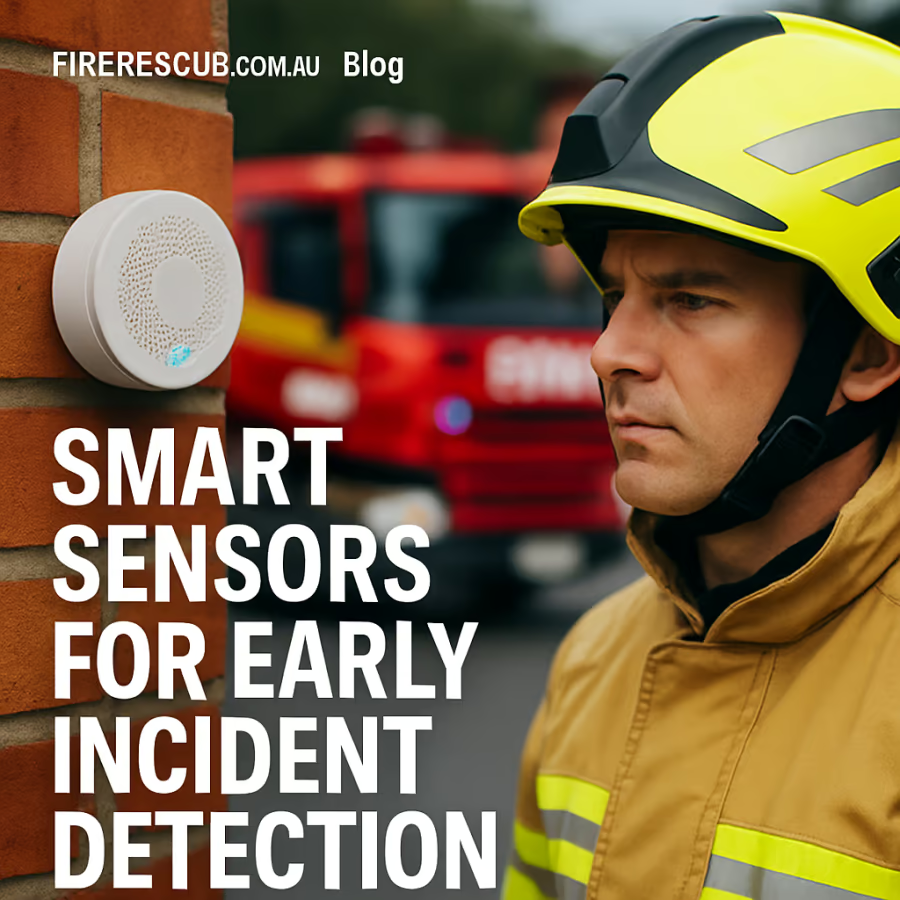
Using prescribed medical oxygen at home can help people breathe, but it also changes the fire risk in the house. Oxygen does not burn on its own, yet it can make a fire start more easily and burn faster, so families need simple, strict safety habits every day.
Why medical oxygen changes the fire risk
Medical oxygen enriches the air around the user and anything nearby. In practical terms, that means materials can ignite more easily and flames can spread faster than they would in normal air. A small spark, a cigarette ember or a hot appliance can become a much bigger danger when oxygen is present.
That is why oxygen safety is not just a matter of keeping equipment tidy. It is about controlling ignition sources, keeping the area clear, and making sure everyone in the home understands the rules.
Know the equipment: concentrators and cylinders
Home oxygen may be supplied through an oxygen concentrator, oxygen cylinders, or both. A concentrator takes in room air and delivers oxygen through tubing. A cylinder stores oxygen under pressure for use when needed, or as backup when power fails.
Both types need careful handling. Follow the doctor’s prescription, the oxygen supplier’s instructions and the equipment manual. Do not change settings, alter fittings or try to repair equipment yourself.
If something seems damaged, noisy, loose or unreliable, report it to the oxygen supplier rather than trying to fix it. Do not use sealants, tape or makeshift parts on oxygen equipment.
Safe placement and cylinder storage
Oxygen equipment should be positioned where it is stable, protected and away from heat. Keep it away from direct sunlight, hot surfaces, curtains, bedding and clutter. If a cylinder falls, it can damage valves or become a serious hazard, so secure cylinders so they cannot tip over.
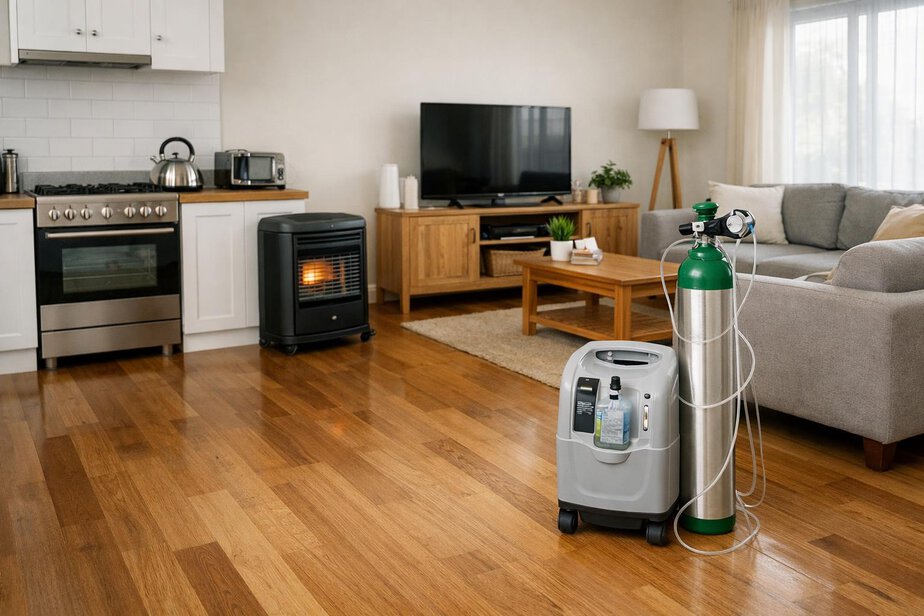
SA Health advises keeping oxygen equipment at least two metres from electrical appliances and ignition sources. Follow that advice, and follow any greater distance required by the oxygen supplier. If the supplier gives a larger safety gap, use the larger gap.
Keep cylinders uncovered and in a well-ventilated area. Do not store them in enclosed cupboards or other small spaces. A crowded storage area makes it harder to see problems and increases the chance of heat build-up.
| Safer oxygen placement | Avoid |
|---|---|
| Stable, upright, secured cylinder | Cylinder left loose or able to fall |
| Open, ventilated area | Closed cupboard or small enclosed space |
| Away from heat and sunlight | Next to windows, heaters or hot appliances |
| Clear space around equipment | Curtains, bedding or storage boxes nearby |
Smoking, vaping, candles and open flames
Smoking must never occur where medical oxygen is being used. That includes cigarettes, e-cigarettes and vaping devices. Even if oxygen is flowing through tubing and the person is not standing right next to the equipment, the risk remains serious.
FRV advises that candles and other open flames must not be used where oxygen is used in the home. That includes matches, lighters, incense, gas flames and open fires. The safest approach is simple: keep all flame sources away from the oxygen area.
If visitors smoke, they must do so well away from the oxygen user and the equipment, and only if the household rules allow it. In many homes the safest rule is no smoking anywhere inside or around the property while oxygen is in use.
Kitchen hazards, sparks and damaged equipment
Many everyday household hazards can become dangerous around oxygen. Gas cooking appliances, heaters, electrical sparks and damaged cords all deserve extra attention. Keep oxygen well away from anything that can produce heat, spark or flame.
Do not use oxygen near a gas stove, portable heater, fireplace, electric bar heater or other ignition source. Be careful with power boards, overloaded sockets and damaged plugs. If equipment has frayed cords, loose parts or signs of overheating, stop using it and report the problem.
Oxygen users and carers should also avoid activities that may create sparks nearby, such as using faulty appliances or leaving hot items unattended. Keep the area around the user tidy and uncluttered so hazards are easier to see and remove.
Oils, grease and petroleum-based products
Never use oil, grease or petroleum jelly on or near oxygen equipment. These products can be dangerous because oxygen-enriched air can make them ignite more easily. The same caution applies to other petroleum-based products unless the person’s medical team or oxygen supplier has approved them.
Ask the treating health professional or oxygen supplier which skin or nasal products are suitable. Keep the equipment area free from oily rags, household lubricants and similar items. Do not assume a product is safe just because it is common in the home.
Warning signs, alarms and escape planning
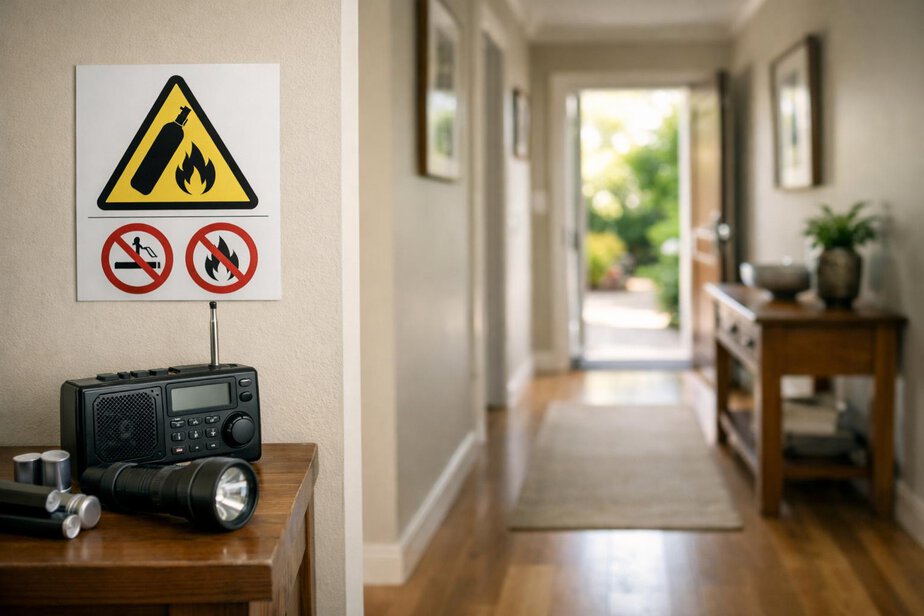
Everyone in the home should be able to recognise that oxygen is present. Display a clear warning such as “Oxygen — No Smoking — No Open Flames” so visitors, carers and emergency responders know what is in use.
Working smoke alarms are essential. Test them regularly and replace batteries when needed, according to the manufacturer’s instructions. Smoke alarms give the household the earliest possible warning if a fire starts.
The home should also have clear escape paths. Keep exits and hallways free of clutter, mobility aids where possible, and storage that slows evacuation. The plan should suit the oxygen user’s mobility, breathing needs and the layout of the home.
Household members should know at least two things: how to get out quickly, and where to meet outside. Practice the plan so it is familiar. If someone needs assistance to move, the plan should reflect that reality rather than an idealised one.
Power failures and backup planning for concentrator users
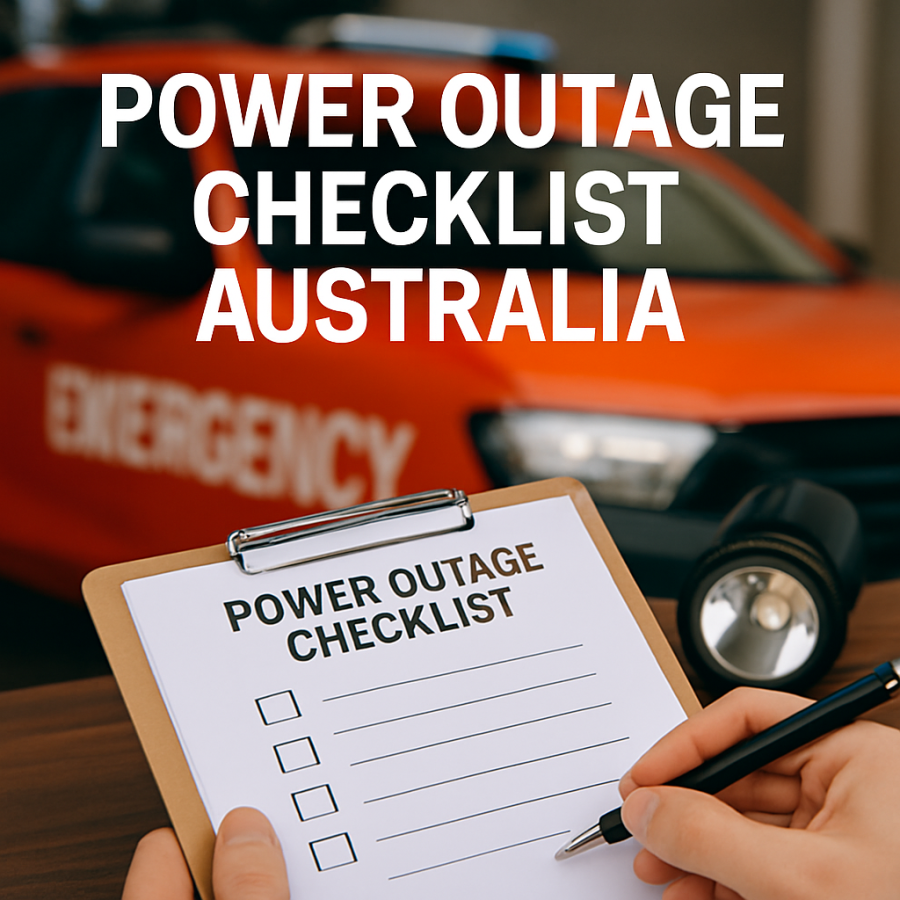
People using an oxygen concentrator need a written power-failure plan. Power cuts can happen without warning, and a working plan reduces panic and confusion.
Keep a torch, battery-operated radio, important telephone numbers and prescribed backup equipment ready. Never use candles during an outage. Candles introduce a flame into a home that may already be under stress, and that is not acceptable when oxygen is used.
An oxygen concentrator may qualify as life-support equipment. Households should ask their electricity retailer or distributor about life-support registration and outage notifications. Registration can help with planning, but it does not replace an emergency backup plan.
Make sure the backup plan is written in plain language. It should say who to call, where backup oxygen is stored, how to use it if it is prescribed, and what to do if the outage lasts longer than expected.
What carers, family members and visitors must know
Anyone who enters the home should understand the oxygen rules. That includes family members, neighbours who help out, paid carers and regular visitors. They should know where the oxygen equipment is, what must stay away from it, and how to respond if something goes wrong.
Simple house rules help:
- No smoking or vaping anywhere near the oxygen area.
- No candles, incense, matches or open flames.
- No oily or petroleum-based products near the equipment.
- Keep the area clear and do not move equipment without permission.
- Report damage, leaks, heat or unusual noise to the supplier.
If a person is helping with the oxygen user’s care, they should read the supplier instructions and understand the emergency plan. Do not assume they already know what to do.
What to do if a fire starts
If a fire starts, leave the home immediately, stay outside and call 000. In Australia, immediate life-threatening emergencies require Triple Zero (000). Do not delay evacuation to collect oxygen equipment, shoes, medicine or documents.
When you call, tell the operator that medical oxygen and cylinders are inside the home. That information helps emergency crews understand the risk and prepare the right response.
If you can do so safely on the way out, warn other people in the house. Do not go back inside once you have left. Wait for firefighters and follow their directions.
Final checks for a safer oxygen home
A safer oxygen home is built on a few consistent habits: keep flames away, secure cylinders, clear the escape paths, test smoke alarms and keep backup plans ready. Most importantly, make sure everyone in the home understands that medical oxygen changes the fire risk.
Before publication or day-to-day use, verify details with the treating health professional, oxygen supplier, equipment manufacturer and local fire service, because local procedures and product instructions can change. This article provides general fire-safety information only. Follow advice from the treating health professional, oxygen supplier, equipment manufacturer and local fire service.
FireRescue Training Hub
Access practical fire and emergency study support resources, downloads, checklists, audio guides, and member-only course content.
- Course library
- PDF downloads
- Audio guides
- Checklists
Study support only. Not accredited training or a replacement for workplace procedures.
About the author and safety review
Ken Walker
Former Station Officer and fire service educator
Former career firefighter with extensive career and volunteer fire service experience.
Qualifications: Associate Diploma of Applied Science in Fire Technology; Institute of Fire Engineers studies.
Author profilehttps://www.firerescue.com.au/about-us/