Part 3 of 4
Operate the Aerial Appliance: Safe Working Limits, Changing Conditions, Communication and Operational Control
Operating an aerial appliance safely is never just about making the equipment move. It is about keeping the appliance within safe working limits, responding to changing conditions, maintaining communication, and protecting personnel, equipment and facilities throughout the task.
Part 3 of 4 focuses on the second major element in the official course: operate appliance. This lesson follows the PDF closely by covering safe working limits, organisational procedures, manufacturers’ specifications, monitoring and adjustment, deficiencies, fire spread, onsite hazards, atmospheric conditions and communication through the chain of command.
What this part refreshes
- Operating within safe working limits
- Monitoring appliance performance and changed conditions
- Rectifying deficiencies where possible
- Maintaining communication and operational control
R + I + A + L in action
Respect safe working limits. Identify changing conditions. Adjust operations and communicate. Limit injury, damage and operational risk through controlled work.
Mark sections as refreshed
Use the buttons at the end of each section to track your review of Part 3. This is a study aid only and does not replace operational manuals, organisational procedures or approved training.
Operate within safe working limits, procedures and specifications
The first operating requirement in the official course is clear: the aerial appliance is operated within safe working limits, in accordance with organisational procedures and manufacturers’ specifications.
The operating limit is a safety boundary
Once the aerial appliance is sited and personnel are prepared, active operation begins. However, the course does not describe active operation as unrestricted equipment use. It immediately places the appliance inside safe working limits and ties operation to organisational procedures and manufacturers’ specifications. That tells us something important about the operator’s mindset. Good operation is controlled operation.
Safe working limits matter because an aerial appliance does not operate in isolation. The appliance works near people, structures, fire conditions, changing weather and supporting equipment. Therefore, the operator must stay disciplined. Respecting limits is not a slow or passive approach. Instead, it is what allows the appliance to keep contributing to the incident objective without adding unnecessary risk.
This is also where Part 3 connects strongly to the “R” in the AERIAL READY Cycle: respect safe working limits, procedures and manufacturers’ specifications. The word “respect” is useful because it reminds learners that limits are not suggestions. They define the safe operating envelope. The exact figures, system details and controls belong to the relevant appliance documentation and local organisational procedures. This refresher keeps the principle front and centre while leaving appliance-specific numbers where they belong.
Operate the appliance inside the approved limits, not at the edge of guesswork. Safe control begins with discipline.
Monitor performance and adjust when conditions change
The course requires personnel to monitor aerial appliance performance and adjust in response to changed conditions to achieve determined strategies and objectives.
Watch appliance performance
Operation does not end once the appliance begins moving or holding position. Performance must be monitored throughout the task.
Identify changed conditions
Changed conditions may come from the fireground, the atmosphere, the structure, the surface or the operational objective.
Adjust to support the strategy
The adjustment is not random. It is made so the determined strategy and objectives can still be achieved safely.
Keep control, not momentum
If conditions change, the aim is not to keep pressing on blindly. The aim is to maintain controlled, informed operation.
Changed conditions should trigger fresh thinking
Aerial appliance operations can feel stable one moment and more complex the next. Fire spread may shift. Wind strength or direction may change. A structural condition may worsen. The task priority may alter because of updated incident intelligence. The course reflects this reality by requiring continuous monitoring and adjustment rather than one-off setup thinking.
This is the “I” and “A” part of AERIAL READY. Identify changing appliance performance, hazards and atmospheric conditions. Then adjust operations, communicate and rectify deficiencies where possible. In practice, that means the operator and supporting personnel must remain alert, communicate clearly and respond in a way that keeps the appliance aligned with the operational objective and safe working practice.
The lesson here is simple but important. Do not confuse “already operating” with “finished thinking”. Active aerial appliance work demands continuous awareness.
Rectify deficiencies where possible
The performance criteria state that action is taken to rectify any deficiencies in the operation of the aerial appliance, where possible.
Deficiencies should not be ignored
The wording “where possible” is important. It recognises that not every issue can be solved immediately by the operator or crew at the point of use. However, the course still expects personnel to take action. That means deficiencies are not ignored, normalised or quietly worked around without thought. They are noticed, assessed and dealt with appropriately.
A deficiency may relate to appliance operation, a support system, communication, access around the appliance, or another factor affecting safe work. The refresher does not need to invent a list that the official document does not provide. Instead, it keeps the stronger principle in view: identify what is not working as intended, then respond according to procedures and the circumstances.
This mindset supports both safety and professionalism. A crew that notices deficiencies and acts on them is more likely to prevent a small issue from becoming a larger operational problem. It also links forward to Part 4, where fault reporting and equipment checks become part of concluding operations.
Hoping a small issue will go away
Unsafe confidence grows when crews assume a minor deficiency will not matter. Part 3 pushes the opposite habit: recognise, assess and respond.
Act early and within procedure
Take action where possible, communicate clearly and keep the operation controlled rather than improvising beyond approved practice.
Operate to prevent injury and damage
The course requires the aerial appliance to be operated in a manner that prevents injury to personnel or damage to equipment and facilities.
Protect personnel
Every movement and every operating choice should support the safety of the people working with, near or from the appliance.
Protect equipment
The appliance and its supporting equipment must be used in a way that avoids preventable damage during operations.
Protect facilities
Buildings, structures and surrounding facilities are part of the operating environment and must be considered during active control decisions.
Limiting risk is part of the operating task
Part 3 is not only about achieving reach, access or task completion. It is about achieving those outcomes while limiting harm. That is the “L” in AERIAL READY: limit injury, damage and operational risk through safe working practice. This theme runs across the whole course, but it becomes especially active during operation because that is when the appliance is directly engaged with the incident task.
The operator’s judgement matters here. Even when the objective is urgent, the method still matters. Aerial appliance operations should remain deliberate, measured and safe. Protecting personnel, equipment and facilities is not a separate side goal. It is part of doing the job properly.
“Can we do it?” is only half the question. “Can we do it safely and within procedure?” completes the decision.
Monitor fire spread, hazards and atmospheric conditions, then pass on relevant information
The performance criteria require personnel to monitor fire spread, onsite hazards and atmospheric conditions and refer relevant information to appropriate personnel.
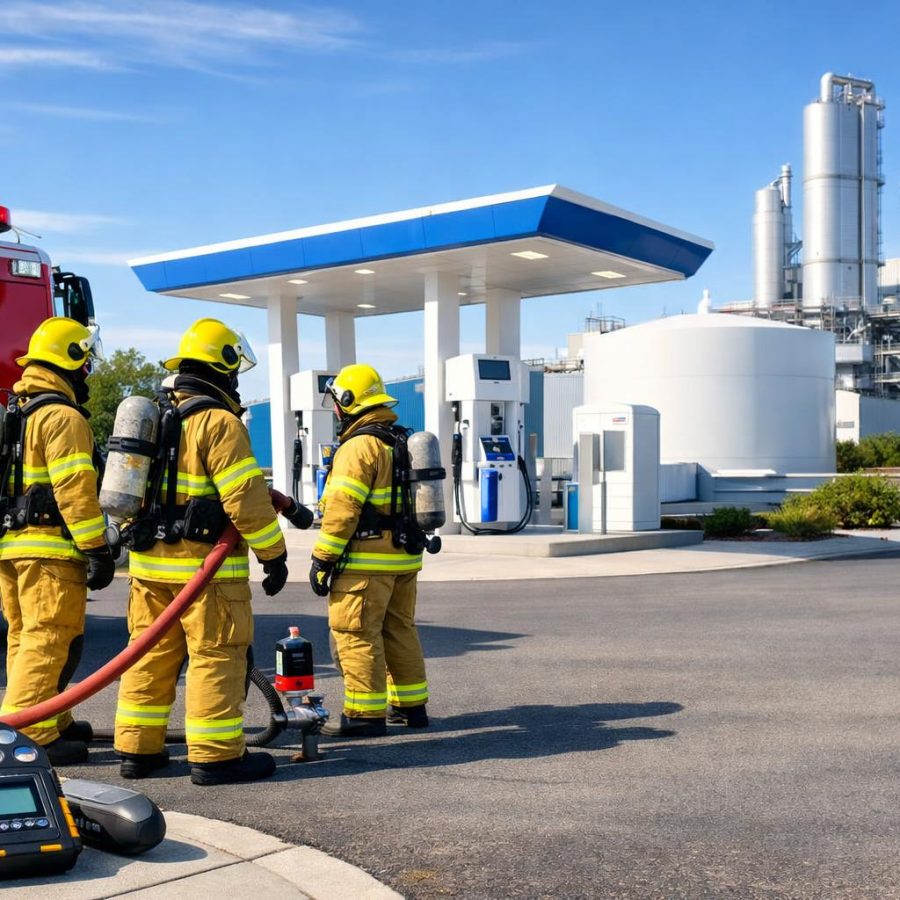
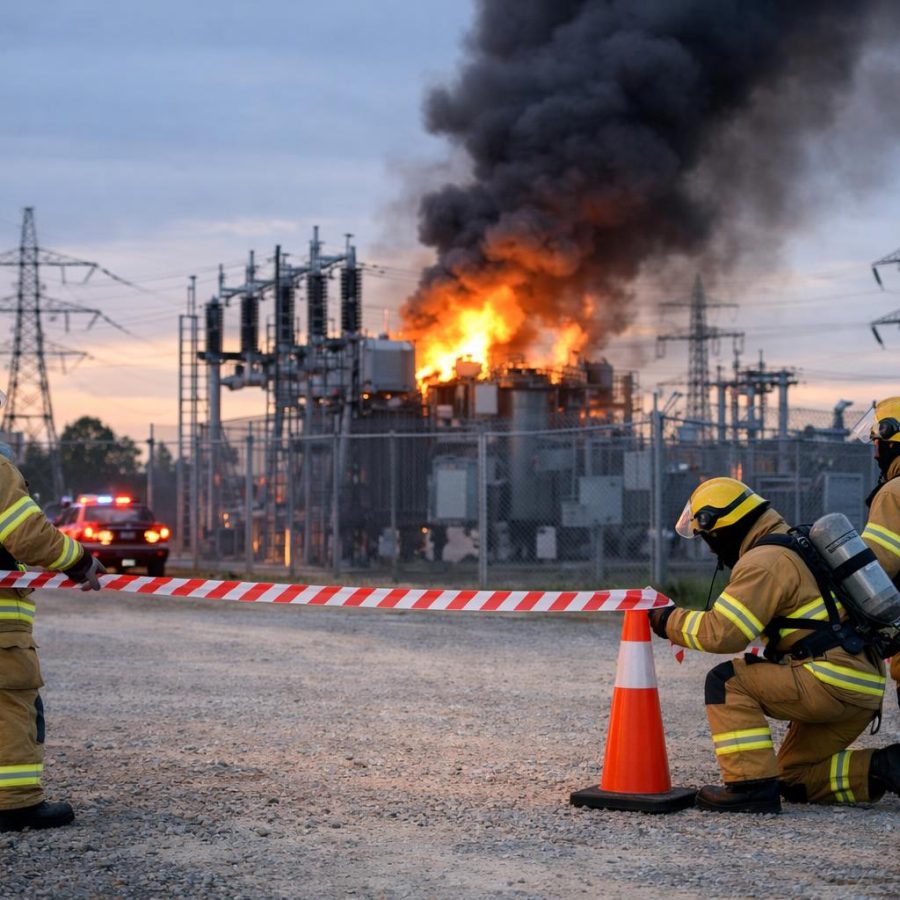
Fire spread
Fire behaviour may change the value, safety or practicality of the appliance’s current task and position.
Onsite hazards
Hazards present at the scene may develop, worsen or shift while the appliance is operating.
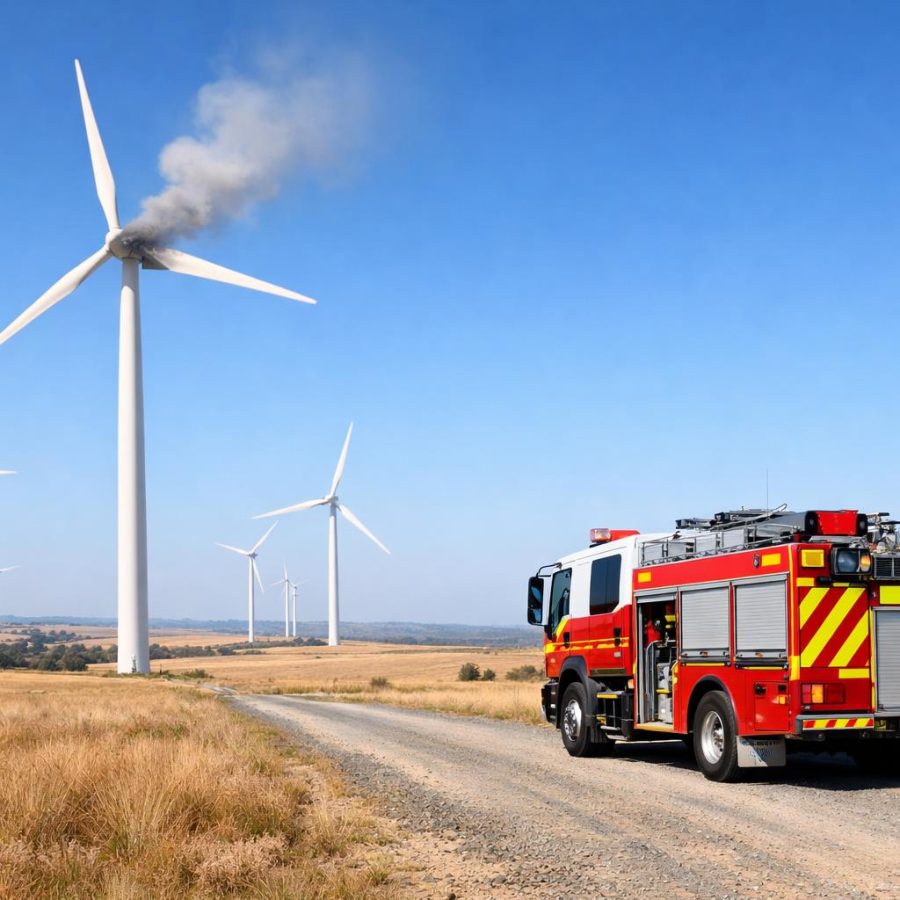
Atmospheric conditions
Wind direction and strength are specifically named in the knowledge evidence and may affect aerial operations.
Relevant information
Observations become useful only when they are communicated to the appropriate personnel through the right channels.
Observation must lead to information flow
Watching the scene is not enough on its own. The course says relevant information is referred to appropriate personnel. That phrase matters because it turns awareness into action. If the operator or crew notices a change in fire spread, a worsening hazard or a shift in atmospheric conditions, the information should move through the proper channels so it can influence decision-making.
This is especially important in multi-person, multi-task incidents where the aerial appliance is only one part of the wider operation. The appliance crew may have a valuable view of conditions. However, that value is lost if observations remain private or informal when they need to be communicated within the incident structure.
As a result, Part 3 encourages a simple professional habit: observe, assess relevance, and pass the information on. That supports safer operational control and better teamwork.
Communication and operational control keep the appliance useful
The course requires communication to be established and maintained with appropriate personnel through the chain of command. It also includes operating communication equipment and, where relevant, operating the crew basket, monitor and rescue stretcher.
Communication is a control system
In aerial appliance operations, communication is not a courtesy. It is a control function. It helps people coordinate movement, relay changes, confirm intent and keep the operation aligned with the incident objective. The official course reinforces this by naming communication methods in the knowledge evidence and requiring communication to be maintained through the chain of command.
That same mindset extends to the operation of communication equipment. If the crew basket, monitor or rescue stretcher is part of the appliance task, clear communication becomes even more important. These items are named in the performance evidence, which means they form part of the competence expectations where relevant. The refresher does not invent procedures for each item, because those details depend on the organisation and equipment. However, it does make the safe principle clear: use the equipment within approved practice, keep communication active, and support the planned strategy.
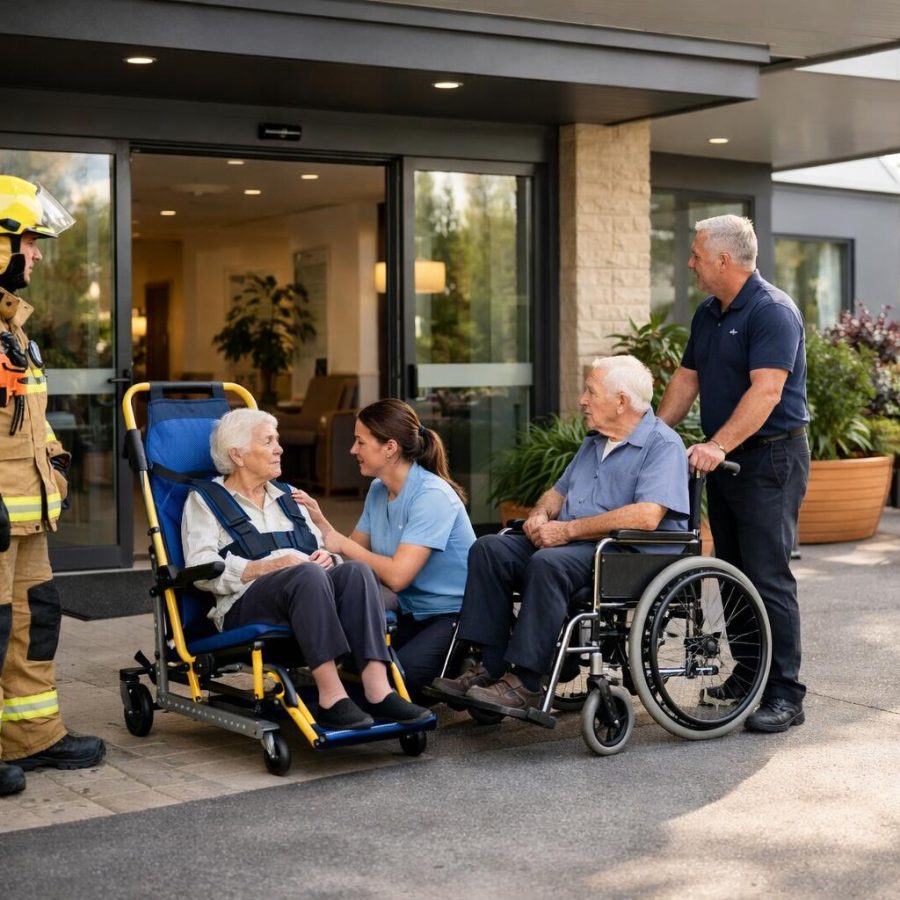
For example, a crew basket task needs clear coordination between the people operating and the people supporting. A monitor operation still requires awareness of changed conditions and the overall objective. A rescue stretcher use requires careful control, communication and safety discipline. Different tasks may vary, but the operating pattern remains the same: respect limits, monitor, adjust, communicate and protect.
- Confirm the task and intent.
- Keep communication flowing through the chain of command.
- Use communication equipment properly.
- Coordinate any crew basket, monitor or rescue stretcher activity carefully.
- Refer relevant information to appropriate personnel.
Part 3 in one sentence
Operate the aerial appliance within approved limits, monitor what is changing, correct what you can, communicate what matters and keep the whole task under safe operational control.
60-second operations refresher drill
Use these quick prompts to reinforce the operating element before moving to the scenario and quiz.
- Name the first operating rule: work within safe working limits according to procedures and manufacturers’ specifications.
- Explain why changed conditions require active monitoring and adjustment.
- State what the course expects when a deficiency is identified.
- List the three main observation areas: fire spread, onsite hazards and atmospheric conditions.
- Explain why relevant information must be passed to appropriate personnel.
- Connect Part 3 to AERIAL READY: respect limits, identify change, adjust and communicate, and limit risk.
Interactive operating scenario
Choose the best operational response for this aerial appliance scenario.
An aerial appliance is operating in support of an incident objective. During the task, wind strength increases, fire spread changes, and the crew notices the operation is becoming less stable and more complex. What is the best immediate operating response?
Knowledge check: Part 3
Choose the answer that best matches the official operating element and its supporting evidence themes.
1. What guides the aerial appliance operating limit?
2. What should happen when conditions change?
3. What does the course say about deficiencies?
4. How should communication be maintained during operations?
Safe aerial appliance operation is controlled, alert and communicative
Part 3 explained how to operate the aerial appliance within safe working limits, adjust to changed conditions, address deficiencies where possible, prevent injury and damage, monitor fireground and atmospheric changes, and maintain communication through the chain of command. The next lesson moves to concluding operations, equipment recovery, fault reporting, debriefing and the final capstone challenge.
FireRescue Training Hub
Access practical fire and emergency study support resources, downloads, checklists, audio guides, and member-only course content.
- Course library
- PDF downloads
- Audio guides
- Checklists
Study support only. Not accredited training or a replacement for workplace procedures.
About the author and safety review
Ken Walker
Former Station Officer and fire service educator
Former career firefighter with extensive career and volunteer fire service experience.
Qualifications: Associate Diploma of Applied Science in Fire Technology; Institute of Fire Engineers studies.
Author profilehttps://www.firerescue.com.au/about-us/