Emergency Technology Insight
Key takeaways
Real-time incident command data systems are transforming how Australian emergency services coordinate critical responses by delivering instant, accurate information to commanders and crews in the field.
These systems enhance situational awareness, improve resource allocation, and support safer decision-making under pressure, ultimately benefiting Fire/Rescue, Police, Ambulance, and SES operations alike.
Understanding the roles of each emergency service and the importance of calling triple zero (000) promptly remains essential, with data systems serving to complement, not replace, established protocols.
Background and context
In Australia, emergency response relies heavily on clear communication and rapid coordination between multiple agencies. Fire and Rescue services, Police, Ambulance, and the State Emergency Service (SES) each have defined roles when dealing with incidents ranging from fires and road accidents to floods and storms. The traditional command approach, relying on radio transmissions, manual logging, and verbal reports, has limitations in speed and accuracy.
Real-time incident command data systems are digital platforms designed to deliver instantaneous, geospatially referenced information to incident commanders and responders. They integrate data from various sources such as GPS tracking, weather updates, resource databases, and on-scene reports to create a live operational picture. This capability is especially critical in dynamic, high-risk incidents where decisions must be made quickly and with the best possible information.
Historically, emergency response coordination faced significant challenges due to the fragmented nature of data and communication. Each agency often operated with its own communication protocols and data management systems, which could lead to delays and misinterpretations. The advent of real-time incident command data systems is a response to these challenges, aiming to unify data streams and create a cohesive operational environment.
How real-time data systems work
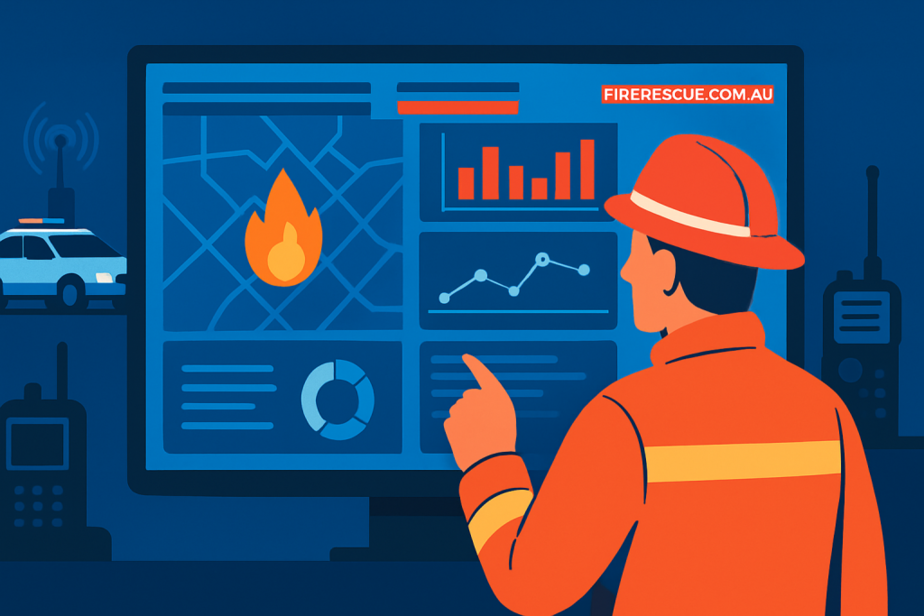
At their core, these systems collect and consolidate data from multiple inputs. Vehicles equipped with GPS transmit their locations continuously, while sensors and personnel reports feed updates about conditions like fire spread, road blockages, or victim locations. Command staff access this information on tablets or command centre screens, enabling them to track resources, assess risks, and adjust tactics as situations evolve.
Data visualization tools within these platforms often include digital maps, status dashboards, and timeline views. This helps commanders maintain situational awareness without being overwhelmed by raw data. Automated alerts can notify teams of critical changes, such as the arrival of backup units or sudden weather shifts.
The integration of mobile technology has further enhanced the accessibility of these systems. First responders on the ground can input real-time observations directly into the system through mobile devices, ensuring that command centres receive the most current information without delay. This two-way communication strengthens coordination and enables rapid adaptation to evolving scenarios.
Moreover, many systems incorporate predictive analytics to anticipate incident developments. For example, fire behaviour models can project the likely spread based on current weather and terrain data, allowing commanders to pre-position resources strategically. Such foresight is invaluable in managing fast-moving emergencies.
Integration across emergency services
Effective incident management demands collaboration across Fire/Rescue, Police, Ambulance, and SES. Real-time data systems are increasingly designed for interoperability, allowing different services to share relevant information seamlessly. For example, Fire/Rescue may relay fire perimeter updates while Ambulance services provide patient status, and Police coordinate traffic control. This shared digital environment reduces misunderstandings and duplicated efforts.
Interoperability is achieved through the adoption of common data standards and secure communication protocols. Agencies are working towards unified platforms that respect the distinct operational needs of each service while ensuring that critical information flows freely. This cooperative approach also facilitates joint training exercises, where multi-agency teams rehearse coordinated responses using the same digital tools.
The benefits of integration extend beyond operational efficiency. Shared systems improve transparency and accountability, as all actions and communications can be logged and reviewed. This is crucial for post-incident analysis and continuous improvement of emergency response strategies.
Practical implications for responders and the public
For emergency responders, real-time data systems are a force multiplier. They enable faster resource deployment, better risk assessment, and improved safety for crews working in hazardous environments. Training increasingly includes simulation exercises using these platforms to familiarise teams with their interface and capabilities.
For the public, these advancements translate to more efficient emergency services and potentially better outcomes. However, it remains vital that individuals call triple zero (000) immediately in an emergency. The dispatchers will direct the correct agency—Fire/Rescue for fires and rescues, Police for law enforcement and security issues, Ambulance for medical emergencies, and SES for disasters such as floods or storms.
While real-time data systems improve coordination behind the scenes, the initial contact point remains the same. Clear, accurate information from callers helps responders activate the right resources quickly. Members of the public should provide details such as location, nature of the incident, and any immediate dangers when calling 000.
Additionally, these systems can indirectly benefit the public by enabling authorities to issue more timely and precise warnings or evacuation notices through integrated communication channels. As real-time data feeds inform commanders of incident progression, public alert systems can be triggered to keep affected communities informed and safe.
The adoption of these technologies also supports community resilience by allowing emergency services to analyse incident data post-event, improving preparedness plans and response protocols for future emergencies. This continuous learning cycle strengthens overall public safety.
Challenges and future directions
Despite their benefits, real-time incident command data systems face challenges including interoperability between different agency technologies, data security concerns, and ensuring reliable connectivity in remote or disaster-affected areas. Ongoing investment and collaboration are required to address these hurdles.
Data security is a paramount concern as these systems handle sensitive information about incidents, personnel, and infrastructure. Agencies must implement robust cybersecurity measures to prevent unauthorized access or data breaches that could compromise operational integrity or public trust.
Connectivity issues remain a significant obstacle, particularly in rural or disaster-stricken regions where network infrastructure may be damaged or limited. Emergency services are exploring solutions such as satellite communications, mesh networks, and mobile command units equipped with advanced networking capabilities to maintain data flow under adverse conditions.
Looking ahead, advances such as artificial intelligence, drone integration, and enhanced mobile communications promise to further enhance these systems’ capabilities. AI can assist in data analysis, identifying patterns or anomalies that may elude human operators. Drones equipped with cameras and sensors can provide live aerial views and environmental data, feeding directly into command systems for richer situational awareness.
Furthermore, the integration of augmented reality (AR) is emerging as a tool for incident commanders and responders, offering overlay of critical data onto physical environments through smart glasses or heads-up displays. This can improve navigation, hazard recognition, and decision-making on the ground.
Despite technological advances, the human element remains central. Continuous training, operational drills, and strong leadership are essential to ensure responders can effectively utilise these systems. Moreover, public education campaigns must continue to emphasise the importance of clear communication when reporting emergencies, ensuring the technology complements rather than complicates response efforts.
Conclusion
Real-time incident command data systems represent a significant step forward in emergency response across Australia. By improving situational awareness, fostering interagency collaboration, and supporting timely, informed decision-making, they help save lives and protect communities. As these technologies evolve, continuous training, public education on emergency contact protocols, and investment in robust infrastructure will be key to maximising their potential.
The future of emergency management will increasingly depend on the seamless integration of technology and human expertise. Real-time data systems are not just tools but enablers of a more agile, informed, and coordinated response framework. Their ongoing development and adoption promise to enhance resilience, ensuring that Australian communities are better prepared for the challenges of tomorrow.
FireRescue Training Hub
Access practical fire and emergency study support resources, downloads, checklists, audio guides, and member-only course content.
- Course library
- PDF downloads
- Audio guides
- Checklists
Study support only. Not accredited training or a replacement for workplace procedures.
About the author and safety review
Ken Walker
Former Station Officer and fire service educator
Former career firefighter with extensive career and volunteer fire service experience.
Qualifications: Associate Diploma of Applied Science in Fire Technology; Institute of Fire Engineers studies.
Author profilehttps://www.firerescue.com.au/about-us/