Drought Preparedness
Preparing your rural property for drought is key to protecting your family, livestock and assets. This guide offers plain-English basics, immediate steps to take and printable checklists for prevention-strategies/”>Australian homes, farms and workplaces facing dry conditions.
Following official advice from local agencies and emergency services like Fire Rescue NSW, SES, Police and Ambulance is essential. Knowing what to do ahead of time can reduce stress, keep everyone safe and help you manage water and fire risks during drought.
Understanding Drought and Its Impact on Rural Properties
Drought is more than just a lack of rain. For rural properties, it means reduced pasture, lower water supplies, higher fire risk and increased pressure on household resources. These conditions can last months or even years in some areas of Australia, making preparedness vital to minimise damage and hardship.
Recognising early signs such as drying water tanks, stressed livestock or increased fire danger warnings lets you take timely action. A well-prepared property balances water use, manages vegetation, and has clear emergency plans for any situation.
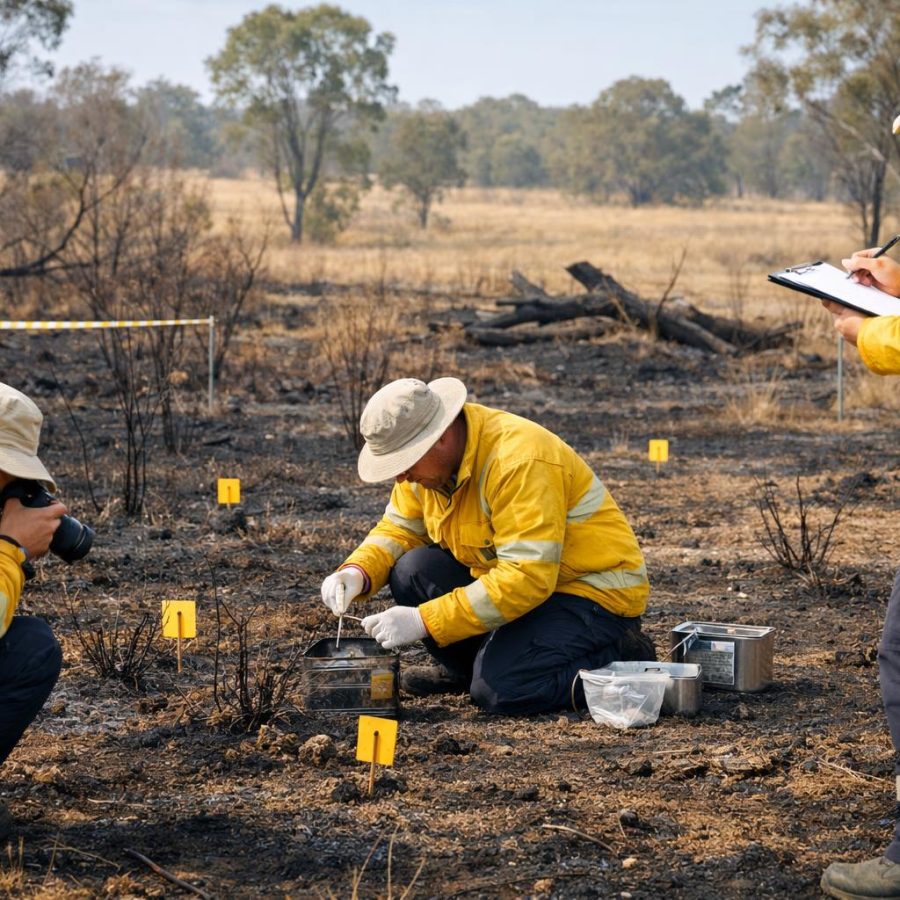
Drought’s impact extends beyond the immediate visible effects. Soil health deteriorates as moisture levels decline, leading to increased erosion and reduced fertility. This can have long-term consequences on the productivity of your land. Moreover, groundwater levels may drop significantly, affecting bore water availability and quality. Understanding these underlying effects helps in crafting a comprehensive drought response that safeguards both your current operations and future viability.
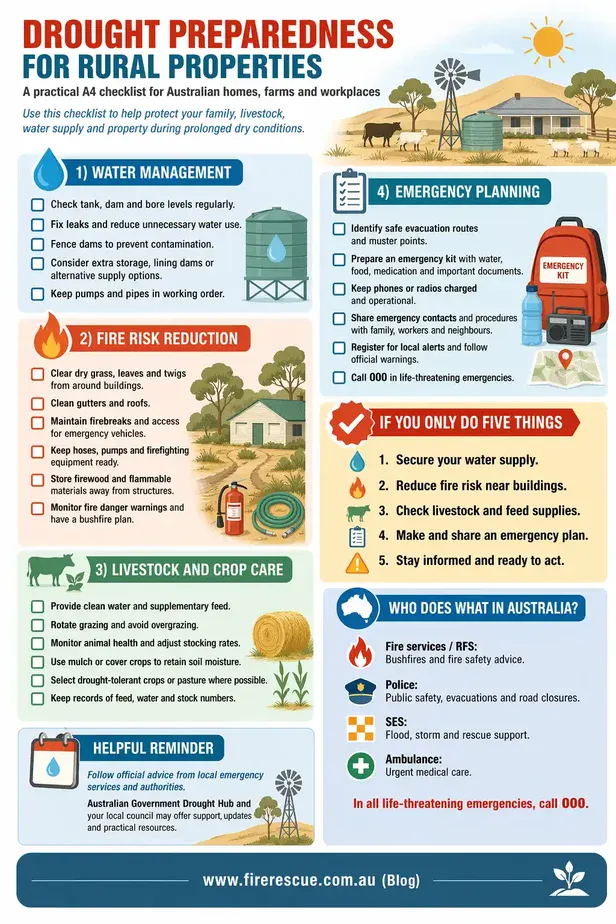
Drought Preparedness for Rural Properties
Practical Water, Fire and Livestock Resilience Framework
Get a practical, easy-to-follow guide to help rural households and farms manage water, reduce fire risk, care for livestock and plan ahead during drought.
- Water management and storage tips
- Fire risk reduction around buildings
- Livestock and crop care reminders
- Emergency planning essentials
Keep a copy handy for the home, shed or office.
Water Management: The Core of Drought Preparedness
Water is the most precious resource during drought. Start by assessing all water sources available on your property, including rainwater tanks, bore water, dams and mains supply. Make sure you measure your current water storage so you know how long it will last under reduced use.
Implement water-saving habits immediately. Limit outdoor watering, fix leaks promptly, and consider water-efficient technologies like drip irrigation. Protect water quality by fencing off dams to prevent contamination from livestock or debris.
If possible, explore alternative water sources such as community water sharing schemes or bulk water delivery. Talk with your local council or water authority about drought assistance programs that may be available in your region.
In addition to conserving water, consider investing in water storage infrastructure upgrades. Installing larger or additional tanks, or lining dams to reduce seepage, can significantly increase your water security. Harvesting rainwater during sporadic rainfall events and optimising catchment areas also contribute to long-term sustainability. Regularly inspect your pumps and pipes to maintain efficiency and prevent costly breakdowns during critical times.
Fire Risk Reduction During Drought
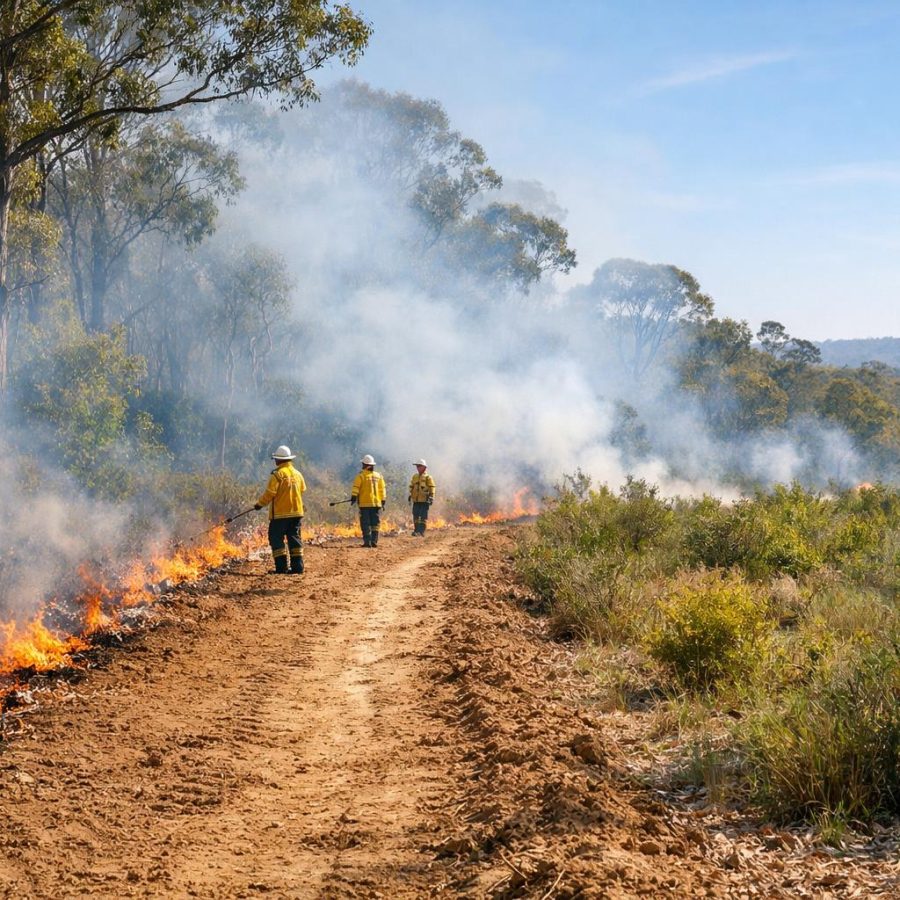
Dry conditions increase the risk of bushfire around rural properties. Reducing this risk starts with managing vegetation near homes and farm buildings. Regularly clear dry leaves, grass and twigs from gutters, roofs and outdoor areas.
Create a defendable space by trimming trees and maintaining firebreaks where possible. Store firewood and combustibles away from structures. Keep firefighting equipment, including hoses and pumps, in good working order and easily accessible.
Stay informed by monitoring warnings from the Rural Fire Service (RFS) and other agencies. Have a clear bushfire survival plan and ensure everyone on the property understands their role. If fire threatens, follow official advice and call 000 immediately for emergencies.
Beyond immediate fire risk reduction, consider the layout of your property to create natural fire barriers. Planting less flammable vegetation, such as succulents or fire-resistant species, around buildings can slow fire spread. Regularly maintain access roads and ensure they are clear for emergency vehicles. Participate in community fire preparedness groups to share knowledge and resources, fostering collective resilience during drought and fire seasons.
Livestock and Crop Care in Dry Conditions
Drought stresses animals and crops, making attentive care essential. Monitor livestock health closely, providing supplementary feed and clean water as natural pasture declines. Rotate grazing to protect fragile ground and avoid overgrazing.
For crops, evaluate irrigation needs carefully and minimise water usage without jeopardising plant survival. Employ mulching or cover crops to retain soil moisture. Keep records of stock numbers and feed supplies to plan ahead effectively.
Additional strategies include selecting drought-tolerant crop varieties and pasture species that are adapted to dry conditions. Incorporating rotational cropping and soil conservation techniques can improve resilience. For livestock, consider adjusting stocking rates to match available feed and water resources, and consult with veterinarians to prevent drought-related health issues such as dehydration and nutritional deficiencies.
Emergency Planning and Communication
Having clear emergency plans is vital for drought-affected rural properties. Identify safe evacuation routes, muster points, and contacts, including neighbours and emergency services. Prepare an emergency kit with essentials like water, food, medication, and important documents.
Make sure communication devices such as mobile phones or radios are charged and operational. Register for local alert services such as the Australian Government’s Emergency Alert system and follow social media updates from Fire Rescue, SES and Police for the latest information.
It is also important to conduct regular drills with family members and workers to ensure everyone understands emergency procedures. Establish a communication tree to quickly disseminate information during a crisis. Keep a printed copy of emergency contacts and plans in multiple locations on your property. Consider investing in satellite phones or other backup communication devices in case of mobile network failures.
If You Only Do Five Things
First, secure your water supply by checking tanks, fixing leaks and adopting water-saving habits. Second, reduce fire risk by clearing dry vegetation around buildings and maintaining firefighting equipment. Third, monitor livestock health and ensure they have enough feed and water. Fourth, develop and share a simple emergency plan with family and neighbours, including evacuation routes and emergency contacts. Fifth, stay informed by regularly checking official warnings from agencies like the Rural Fire Service and SES and be ready to act if conditions worsen.
Who Does What in Australia: Emergency Services Explained
Fire and Rescue services, often known as the Rural Fire Service (RFS) in many states, are responsible for firefighting, particularly bushfires and structure fires in rural areas. They provide advice on fire prevention and safety during drought and fire seasons.
Police support public safety, help with evacuations and manage traffic during emergencies. They also assist with crime prevention and ensure community order.
The State Emergency Service (SES) specialises in flood, storm and rescue operations. They often assist with community warnings and help during severe weather events.
Ambulance services provide urgent medical care. In all life-threatening emergencies, call 000 immediately.
Additional Resources and Support
Many Australian states offer drought relief programs and resources for rural property owners. Contact your local council or regional agricultural department for assistance with water management, animal health and financial aid. The Australian Government’s Drought Hub is a valuable online resource for planning and support.
In addition to government programs, many local agricultural groups and community organisations provide workshops, advice and peer support to help farmers and rural residents cope with drought challenges. Engaging with these networks can provide practical tips and emotional support during prolonged dry periods. Consider joining forums or attending regional meetings focused on drought preparedness and recovery.
Summary
Drought Preparedness for Rural Properties
Listen to a concise audio version of the guide covering water management, fire risk reduction, livestock care and emergency planning for rural properties.
Drought preparedness for rural properties is about early planning, managing water carefully, reducing fire risk and keeping your family and livestock safe. Stay alert to changing conditions, maintain good communication, and follow official advice from emergency services. This approach will help you face drought challenges with confidence and resilience.
By integrating these strategies into your daily routine and long-term planning, you not only protect your property and livelihood but also contribute to the broader community’s resilience. Remember, drought is a complex challenge requiring ongoing attention and adaptation, but with preparation and support, rural properties can withstand its impacts more effectively.
FireRescue Training Hub
Access practical fire and emergency study support resources, downloads, checklists, audio guides, and member-only course content.
- Course library
- PDF downloads
- Audio guides
- Checklists
Study support only. Not accredited training or a replacement for workplace procedures.
About the author and safety review
Ken Walker
Former Station Officer and fire service educator
Former career firefighter with extensive career and volunteer fire service experience.
Qualifications: Associate Diploma of Applied Science in Fire Technology; Institute of Fire Engineers studies.
Author profilehttps://www.firerescue.com.au/about-us/