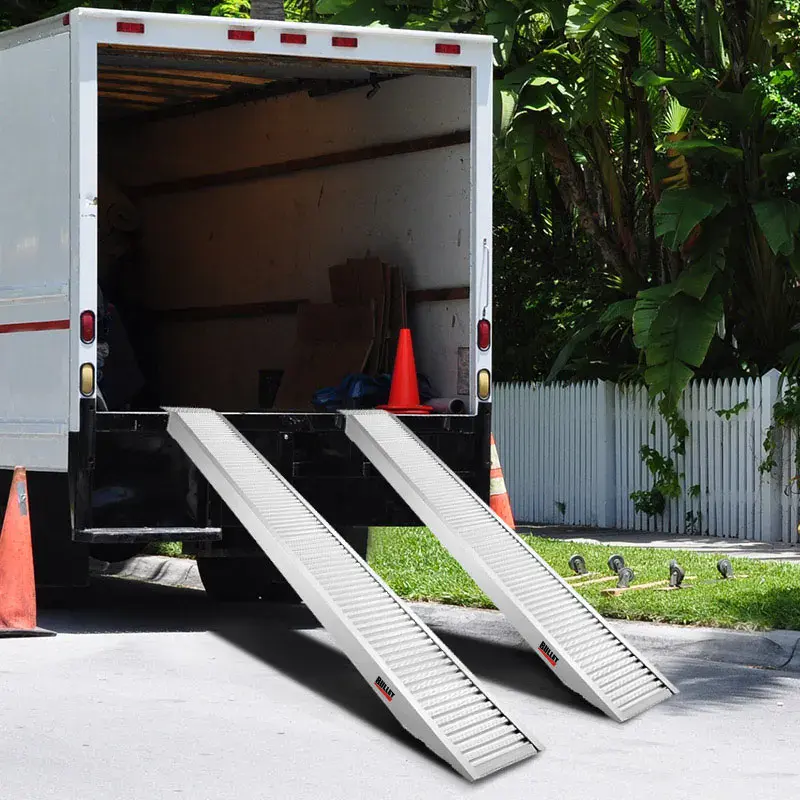
When you’re moving equipment, the weak link is often the ramp. The BULLET 3.2 m aluminium Loading Ramps for Heavy Equipment (1820 kg capacity) combine length, strength, and manageable weight so you can load gear smoothly and keep people out of harm’s way. The 3.2 m span lowers the approach angle, which matters for low-clearance mowers, bikes, and compact machinery. The 1820 kg rating (pair) gives you a generous margin for most domestic and light commercial tasks.
In this guide, we explain how these aluminium loading ramps perform in everyday Australian use, what to look for in the specs, and how to stay safe when you’re wrangling heavy gear on a wet morning in Ballarat or a dusty job site in the Pilbara.
Reviewed for Australian conditions • Suitable for utes, trailers, ride-on mowers, ATVs/UTVs, workshop moves, and emergency logistics.

Product Summary — BULLET 3.2 m Aluminium Loading Ramps (1820 kg)
- Length: 3.2 m (pair)
- Capacity: 1820 kg (pair rating)
- Material: Aircraft-grade aluminium with boxed sides
- Deck: Arched profile with open tread for grip and drainage
- Use cases: Ride-on mowers, ATVs/UTVs, motorcycles, compact equipment, generators
- Who benefits: Tradies, property owners, councils, event crews, emergency volunteers
Why it matters: longer ramps mean a gentler loading angle. That reduces spin, belly strikes, and sudden drop-offs.
How These Aluminium Loading Ramps Work
Good ramps do three things well: support, grip, and angle. The BULLET’s boxed side rails add stiffness, the open tread sheds mud and water, and the 3.2 m span keeps the slope friendly for low-clearance gear. An arched section helps smooth the transition from ground to tray so you don’t high-centre equipment at the crest.
Capacity is quoted for the pair. Always consider total rolling weight (including any attachments and fuel). If you’re near the limit, step up a class or reduce load where practical. Aluminium cuts weight versus steel, so a single person can shift and stow the ramps without a wrestling match.
“`
Key Features
- 3.2 m length: lower approach angle for safer loading.
- 1820 kg pair rating: ample capacity for domestic and light commercial gear.
- Boxed rails + arched profile: stiffness and smoother crest transition.
- Open, anti-slip deck: traction in wet or dusty conditions.
- Aluminium construction: lighter to handle; corrosion resistant.
- Hook/plate ends (model dependent): positive seating on tray or drawbar.
Set-up is straightforward: seat the ramp heads square on the tray, tie down to anchor points (not just friction), check the ground is firm, and keep a spotter clear of the line-of-travel.
BULLET 3.2 m Aluminium Loading Ramps for Heavy Equipment — 1820 kg (Pair)
Ready to upgrade your loading kit? See current stock and delivery details direct from the retailer.
Who Benefits — Real-World Australian Use
These ramps suit anyone who needs a stable, forgiving approach angle and dependable traction. Property owners can load ride-on mowers without gouging turf; tradies can move generators, compressors, or site boxes; volunteer crews can relocate small plant quickly. For motorcycle riders, the extra length reduces that nerve-wracking “last step” into the tray.
- Landholders: ride-on mowers, small tractors, spray units.
- ATV/UTV users: hunting, fencing, orchard work, trail maintenance.
- Motorcyclists: cruisers and ADV bikes benefit from the soft approach angle.
- Events/Councils: staging, bollards, barriers, portable lighting.
- Emergency volunteers: move compact gear where lifts aren’t available.
If you’re frequently above one tonne with attachments, consider a heavier class or switch to powered loading. Ramps are safest when they’re comfortably over spec for the job.

Safety Basics — Simple Steps That Prevent Drama
- Level ground: ramps must sit flat on firm, non-slip ground.
- Secure the heads: use supplied pins or lashings to anchor to tray points.
- Centre the load: align wheels with ramp centres; avoid edge loading.
- Low gear, steady throttle: no sudden inputs; keep spotters clear.
- Tyre pressure: correct PSI improves grip and steering on the ramp.
- Wet weather: clear mud; consider an extra person for hand signals.
- PPE: gloves, boots with defined tread, and eye protection on dusty days.
If the tray is high, extend the ramp base with cribbing to reduce the angle. Never exceed the rated capacity, and don’t use damaged ramps—retire bent units immediately.
Comparison — Length, Capacity, and Handling
| Ramp Type | Length | Pair Capacity | Pros | Cons |
|---|---|---|---|---|
| BULLET Aluminium (Reviewed) | 3.2 m | 1820 kg | Low angle; good traction; lighter to handle; corrosion resistant. | Higher upfront cost than short steel; care needed with tie-downs. |
| Short Aluminium | 1.8–2.4 m | 1000–1500 kg | Cheaper; easier to store. | Steeper angle; harder for low-clearance machines. |
| Steel Channel | 2.0–2.5 m | 1500–2500 kg | Strong and inexpensive. | Heavy; rust risk; slippery if smooth deck. |
| Folding Aluminium | 2.2–3.0 m | 800–1500 kg | Compact to store; light. | Lower capacities; hinge points need care. |
Buying Guide — What to Check Before You Commit
Specs are only useful if they match your job. Measure tray height, weigh your equipment (wet), and think about your worst surface: slick grass, clay, or crushed rock. Then confirm the following:
- Length vs tray height: taller trays need longer ramps to keep approach angle safe.
- Real weight: include attachments, fuel, gear boxes, and a safety margin.
- Deck design: open tread is better for mud/water; avoid smooth plate.
- Head type: ensure positive seating and the ability to pin or lash down.
- Storage: check ramp length against your canopy or trailer side rails.
- Handling: ensure one person can lift and position safely.
Ramps are lifetime tools when you avoid overloads and store them out of the weather. Consider a soft wrap or edge protectors to reduce dings in transit.

Pros and Cons
Pros
- Long 3.2 m length lowers the approach angle.
- High pair rating (1820 kg) suits varied equipment.
- Open tread improves grip and drainage.
- Aluminium is light to handle and resists corrosion.
- Arched profile smooths the tray lip transition.
Cons
- Longer ramps take more storage space on small trailers.
- Upfront cost vs short steel, though weight savings are real.
- Requires correct tie-down technique—never rely on friction alone.
Where to Buy
Check current pricing, availability, and delivery options for BULLET aluminium loading ramps 3.2 m direct from the retailer:
For bulk buys or council/event use, confirm lead times and weight limits per application.
Care & Maintenance
- Rinse off mud and salt spray; dry before storage.
- Inspect welds, rails, and deck for cracks or deformation.
- Replace damaged pins/straps immediately.
- Store out of direct weather; avoid crush points in transit.
- Keep a small brush in the ute to clear tread before wet-weather loading.
Frequently Asked Questions
Can one person handle these ramps?
Yes, aluminium keeps weight manageable. Use safe lifting technique and avoid wind-catching angles.
What about wet tyres on rainy days?
The open tread improves bite and drainage. Clear mud, wear proper boots, and use steady throttle.
Are they suitable for motorcycles?
Yes. The 3.2 m length reduces the “lip step.” Use a spotter, keep the bike in line, and consider a tie-down at the crest if pausing.
Do they bend over time?
Any ramp can deform if overloaded or used on uneven ground. Stay well under the rating and keep the heads properly seated.
Emergency Contacts (Australia)
- 000 — Police, Fire, Ambulance
- 131 444 — Police assistance (non-emergency)
- SES — 132 500 (storm and flood assistance)
- Poisons Information — 13 11 26
Quick Maintenance Tips
- Brush tread before loading in rain or clay.
- Pin or strap heads every single time.
- Inspect after any heavy or awkward load.
- Stow with padding to prevent knocks.
For Professionals
Standardise procedures: pre-use checks, tie-down method, hand signals, and stop words. Add wheel chocks for the tray, and consider a small winch for controlled pulls on heavy kit. Record ramp inspections and retire gear before failure. On slopes, build cribbing to achieve near-level geometry.