Emergency Insights
Mixed-hazard incidents present unique explosion risks that require specialised awareness and response strategies. Understanding these risks helps emergency responders mitigate harm effectively.
Key safety planning, coordinated multi-agency training, and clear communication protocols are essential to navigate the complexities of these incidents.
Emergency services roles are distinct but complementary; knowing when and how to call 000 and which agency leads response efforts is critical for public safety.
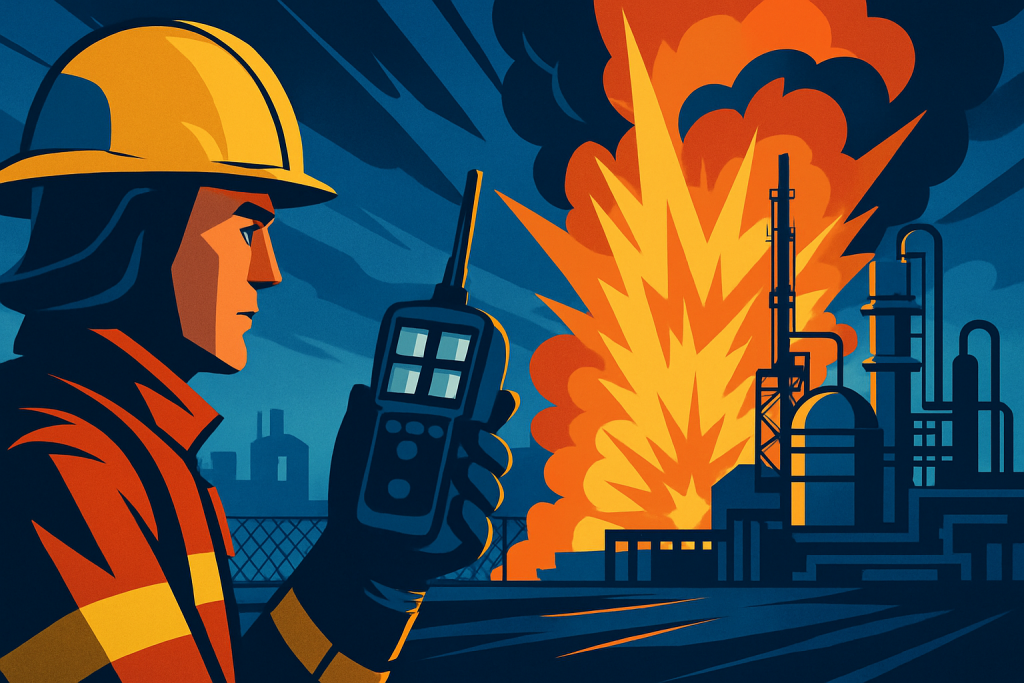
Explosion risk is a critical concern during mixed-hazard incidents where multiple types of emergencies intersect, such as chemical spills combined with fire or structural collapse scenarios. These complex emergencies pose compounded dangers to responders and the public alike.
Background and Context
Mixed-hazard incidents occur when two or more emergency situations overlap, creating a more complicated environment for risk assessment and response. For example, a australia/”>vehicle crash involving hazardous chemicals near a residential area may involve fire risk, toxic exposure, and potential explosion hazards simultaneously. The explosion risk in such contexts is not simply additive but can escalate unpredictably due to chemical interactions, confined spaces, or compromised infrastructure.
Australia’s emergency services, including Fire and Rescue, Police, Ambulance, and the State Emergency Service (SES), each have defined roles in managing these situations. Fire and Rescue typically lead efforts to control fires and mitigate explosion hazards, Police manage scene security and investigations, Ambulance provides medical care, and SES supports rescue and logistical operations. Coordination and clear communication between these agencies are vital for safety and efficiency.
Understanding Explosion Risk in Mixed-Hazard Incidents
Complex Chemical and Physical Interactions
In mixed-hazard incidents, explosion risks often stem from unexpected chemical reactions or physical conditions. For example, volatile substances may react under heat or impact, triggering fires or detonations. Confined spaces such as tunnels, underground facilities, or storage containers can amplify pressure and increase the likelihood of an explosion. Understanding the properties of involved materials and environmental factors is crucial to anticipating these risks.
Additionally, the interaction between different hazardous materials can create synergistic effects that elevate explosion potential beyond what each substance poses individually. For instance, mixing oxidisers with combustible materials can create highly unstable environments, especially if containment is breached. Awareness of such interactions is key for responders to avoid inadvertently triggering an explosion during mitigation efforts.
Triggers and Warning Signs
Warning signs of potential explosion hazards include the presence of vapours, unusual smells, hissing sounds, visible chemical leaks, or rising temperatures. Responders must be trained to recognise these signs promptly. Rapid assessment and isolation of affected zones can prevent escalation and protect both first responders and civilians.
Other subtle indicators such as changes in pressure readings, unexpected equipment malfunctions, or the sudden appearance of corrosion and discoloration on containers may also signal imminent explosion risk. Incorporating advanced detection tools like gas detectors and thermal imaging cameras enhances early warning capabilities, enabling quicker interventions.
Practical Implications for Emergency Response
Initial Call and Coordination
In any suspected mixed-hazard emergency with explosion risk, the public should immediately call 000 and provide detailed information about the incident location, visible hazards, and any injuries. Dispatchers will alert all relevant agencies. Fire and Rescue generally take command for managing explosive and fire hazards, while Police secure the scene and manage public safety. Ambulance services prepare for potential casualties, and SES assists with technical rescue and support functions.
Effective coordination begins with establishing a unified command structure that clearly defines roles and responsibilities. This structure facilitates rapid decision-making and resource allocation, ensuring that each agency’s expertise is optimally utilised. Communication channels must remain open and redundant to avoid breakdowns during critical moments.
Site Safety and Risk Management
Establishing exclusion zones and controlling access are critical early steps to reduce risk. Fire and Rescue teams use specialised equipment and protective gear to detect explosive atmospheres and manage ignition sources. Continuous monitoring of air quality and structural stability helps prevent secondary explosions or collapses. Inter-agency communication ensures all personnel are aware of evolving conditions and risks.
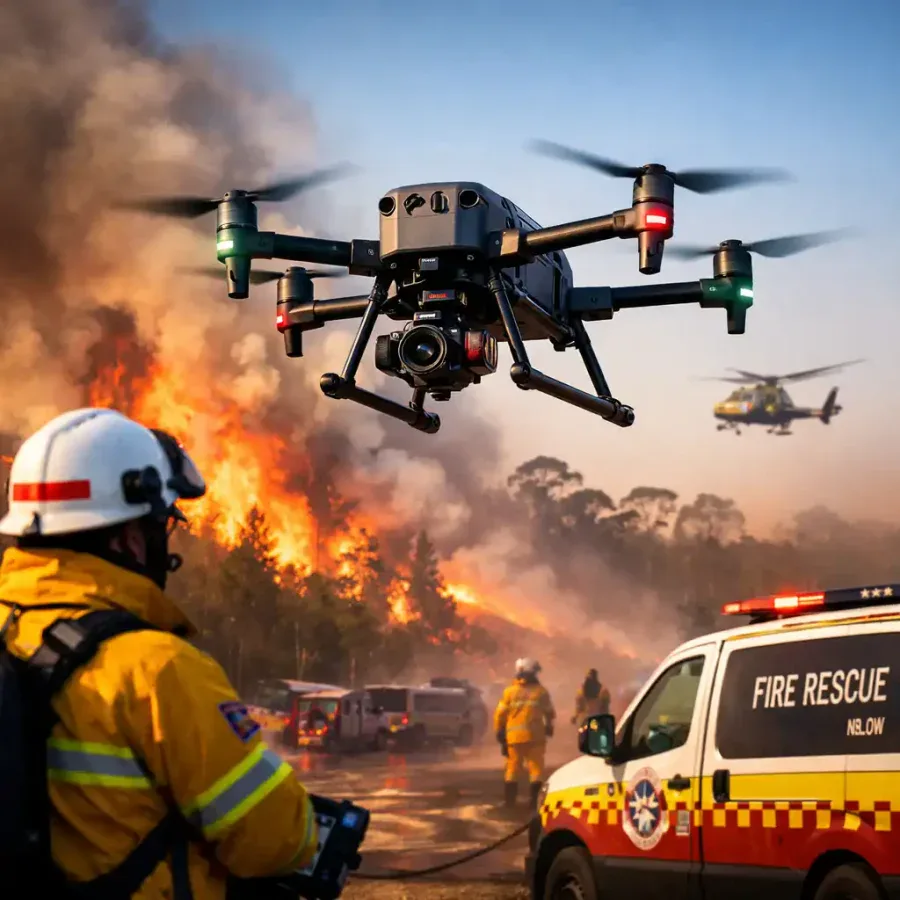
In addition to physical barriers, technological solutions such as remote sensing drones and real-time hazard mapping can significantly enhance situational awareness. These tools allow command teams to monitor hazardous zones without exposing personnel to danger. Furthermore, contingency plans for evacuation and medical triage must be established early to respond swiftly if conditions deteriorate.
Training and Preparedness
Regular multi-agency training exercises that simulate mixed-hazard incidents are vital to improving readiness. These drills help responders understand the complexities of explosion risks and test coordination, communication, and decision-making under pressure. Public education campaigns about recognising hazards and responding appropriately can also enhance community safety.
Training programs increasingly incorporate scenario-based learning and virtual reality simulations to immerse responders in realistic environments without actual risk. This approach allows personnel to practice identifying hazards, making tactical decisions, and working collaboratively across agencies. Additionally, community outreach initiatives that include workshops and informational materials empower the public to act safely and confidently during emergencies.
Looking Ahead: Enhancing Safety Through Collaboration
Managing explosion risk in mixed-hazard incidents demands ongoing collaboration among emergency services, government agencies, industry, and communities. Advancements in detection technology, risk modelling, and incident command systems are supporting safer, more effective responses. Policies that encourage information sharing and integrated planning further strengthen resilience.
Emerging technologies such as artificial intelligence and machine learning are being explored to predict hazard escalation and optimise resource deployment. These tools can analyze vast datasets from past incidents and real-time sensors to provide actionable insights for responders. Furthermore, fostering partnerships with industry experts ensures that emergency services are informed about the latest chemical hazards and safe handling practices.
For Australians, understanding these risks and trusting the expertise of Fire and Rescue, Police, Ambulance, and SES is essential. Promptly dialling 000 and providing clear information can save lives and facilitate a coordinated response. Through practical training, clear communication, and community awareness, the inherent dangers of explosion risk in mixed-hazard emergencies can be better managed to protect everyone involved.
Ultimately, the goal is to build a culture of preparedness that embraces continuous learning and adaptation. By integrating lessons from each incident and investing in robust infrastructure and technology, Australia’s emergency services can enhance their capability to respond swiftly and safely to mixed-hazard situations. This commitment not only safeguards responders but also strengthens community resilience, ensuring a safer future for all.
Beyond immediate response
Post-incident analysis plays a crucial role in understanding explosion risks within mixed-hazard events. Detailed investigations help identify root causes and inform improvements in protocols and equipment. Sharing these findings across agencies and jurisdictions fosters a collective knowledge base that benefits all emergency responders.
Moreover, community involvement in preparedness efforts extends beyond education. Local knowledge about industrial facilities, chemical storage, and infrastructure can assist emergency planners in mapping high-risk zones and developing targeted mitigation strategies. Encouraging residents and businesses to participate in risk assessments and drills enhances overall emergency readiness.
Environmental factors such as weather conditions and terrain also influence explosion risk during mixed-hazard incidents. For instance, high temperatures or strong winds can exacerbate fire spread or chemical dispersion, complicating containment efforts. Emergency services must integrate meteorological data and geographic information systems (GIS) into their operational planning to anticipate and counteract these challenges effectively.
Incorporating psychological support for responders and affected communities is another vital aspect of managing complex emergencies involving explosion risks. The traumatic nature of such events can have lasting mental health impacts. Providing access to counselling and resilience training helps maintain the wellbeing and effectiveness of emergency personnel and supports community recovery.
Finally, legislative frameworks and regulatory compliance underpin the management of explosion hazards in mixed-hazard incidents. Ensuring that industrial operations adhere to safety standards and that emergency plans align with national guidelines establishes a foundation for risk minimisation. Regular audits and updates to these regulations reflect evolving knowledge and technological advancements, reinforcing a proactive safety culture.