FireRescue Insight
Key takeaways
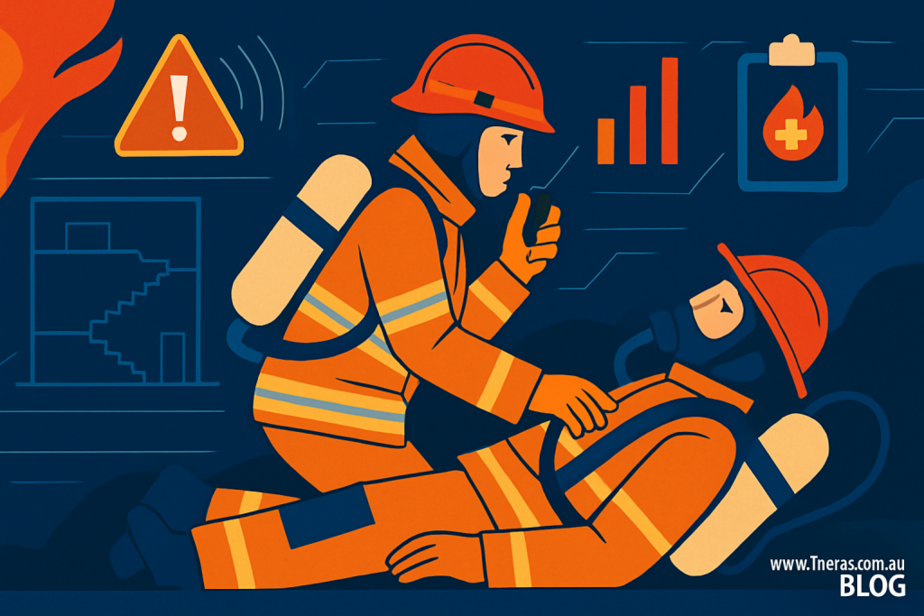
Mayday survival and rescue systems provide critical lifelines for firefighters who become trapped, disoriented, or injured during operations. They integrate personnel tracking, distress signalling and rapid response protocols to improve survival odds.
Understanding how these systems work and the roles of emergency services in Australia is essential for effective planning, training and on-scene coordination. Clear communication and quick activation of mayday alerts can save lives.
Background and context
Firefighting is inherently hazardous, especially in structural fires, wildfires and rescue situations where visibility is low and conditions rapidly evolve. Mayday survival and rescue systems have been developed to reduce the risks faced by firefighters by providing a structured framework for emergency distress signalling and personnel tracking.
In Australia, these systems are vital given the diverse and often extreme fire environments. They combine technology, procedures and training to enhance situational awareness and improve emergency response coordination. The term “mayday” is internationally recognised as a distress call indicating a firefighter or team is in immediate danger and requires urgent assistance.
The complexity of firefighting environments in Australia, ranging from dense urban settings to vast bushland, means that mayday systems must be adaptable and robust. Factors such as rapidly changing weather, unpredictable fire behaviour, and remote locations compound the risks for firefighters. These challenges underscore the importance of reliable survival and rescue systems that can function effectively under diverse and demanding conditions.
Understanding Mayday Survival Systems
Core Components
At the heart of mayday survival and rescue systems are several integrated components. First is the personnel accountability system, which tracks who is operating at the incident and their location. This is often supported by RFID tags, GPS, or radio-based tracking technology embedded in personal protective equipment or SCBA (self-contained breathing apparatus).
Second is the distress signal, activated manually by the firefighter or automatically by environmental sensors detecting sudden changes such as low air supply or lack of movement. This signal alerts incident command and rapid intervention teams (RIT) that a firefighter needs help.
Finally, communication systems ensure that the mayday alert is clearly transmitted over radio channels with priority and clarity, enabling immediate response.
These core components work in synergy to create a safety net that extends beyond traditional firefighting methods. The accountability systems not only record the presence and location of personnel but also provide incident commanders with real-time data to make informed decisions. Distress signals, whether manually triggered or automatic, serve as vital alerts that initiate rapid rescue operations. Communication channels prioritise these alerts to ensure they are not lost amid the noise and chaos of an active fireground.
Technology and Tools
Modern mayday systems often utilise a combination of radio frequency identification (RFID), inertial sensors, and GPS where coverage permits. These technologies help incident commanders pinpoint a firefighter’s location within complex or hazardous environments.
Thermal imaging cameras and building floor plan overlays integrated into command tablets can also assist in locating trapped personnel. Additionally, some systems include automated alert features tied to air cylinder pressure or motion sensors that trigger a mayday if a firefighter is incapacitated.
Despite advances, technology complements but does not replace the human element, requiring regular training in mayday procedures and rescue drills.
The integration of wearable technology has opened new frontiers for firefighter safety. For example, biometric sensors embedded in gear can monitor vital signs such as heart rate and body temperature, which may provide early warning signs of distress. When combined with environmental data, these insights can help predict when a firefighter might be at risk and trigger preventative measures before a mayday is needed.
Furthermore, advancements in communication protocols, such as digital radio systems with dedicated emergency channels, ensure that mayday alerts are received with minimal interference. These systems often include GPS mapping features that allow command staff to visualize the fireground and track personnel movements in real time, significantly improving situational awareness.
Emergency Response Roles in Australia
When a mayday is declared, clear understanding of which emergency services respond and their roles is crucial. In Australia, the triple zero (000) number is the primary emergency contact for fire, police, ambulance and State Emergency Service (SES).
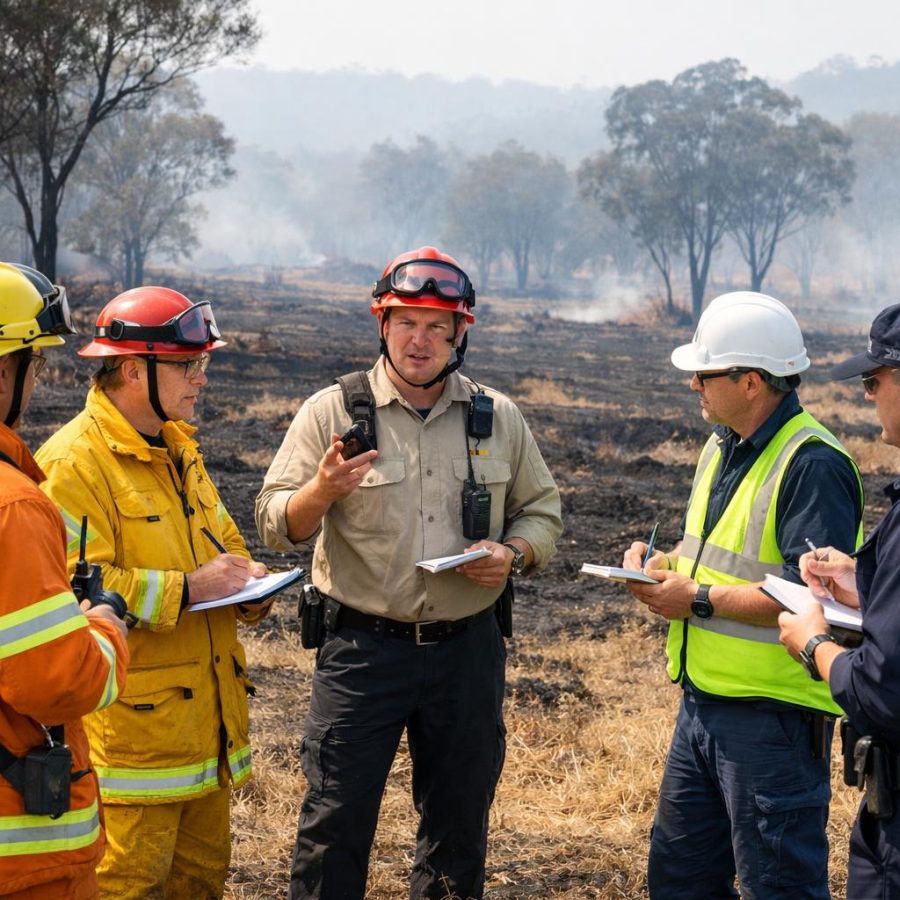
Fire/Rescue services take the lead in managing the mayday incident on-scene, deploying Rapid Intervention Teams to locate and rescue the endangered firefighter(s). They coordinate closely with incident control and use established protocols to manage personnel safety.
Police may be involved to secure the scene, manage traffic and assist with evacuation or crowd control, but generally do not conduct rescue operations inside the fireground. Ambulance services provide critical medical aid once a firefighter is found or removed from danger. SES may assist with specialist rescue capabilities or provide additional resources depending on the incident scale.
Coordination among these agencies is vital to ensure a seamless response. Joint incident management frameworks are often employed to delineate responsibilities and streamline communication. This collaborative approach helps prevent duplication of efforts and ensures that resources are deployed efficiently during high-pressure mayday situations.
Moreover, emergency services conduct joint training exercises to enhance interoperability and mutual understanding of each agency’s capabilities. These exercises simulate mayday events to test communication flows, rescue tactics, and medical interventions, preparing all responders for real incidents.
Practical Implications for Training and Planning
Effective use of mayday survival and rescue systems demands thorough and ongoing training for firefighters and command staff. This includes regular drills simulating mayday scenarios to practice rapid alert activation, communication protocols and coordinated rescue efforts.
Incident commanders should integrate mayday procedures into their operational plans, ensuring all personnel understand the triggers, actions and communications involved. Training should cover the use of tracking and alert technologies as well as manual backup procedures in case of technical failure.
For agencies, investment in compatible and reliable technology paired with clear, simple procedures is key. Collaboration between Fire/Rescue, Ambulance and SES enhances joint response effectiveness, especially in complex or large-scale emergencies.
Training programs increasingly emphasise decision-making under stress, situational awareness, and leadership skills to empower firefighters and commanders to respond effectively during mayday events. Scenario-based learning helps participants internalise procedures, improving reaction times and reducing errors when seconds matter most.
In addition, agencies are encouraged to conduct after-action reviews following mayday drills or incidents. These reviews identify strengths and areas for improvement, fostering a culture of continuous learning and safety enhancement.
Looking Ahead: Continuous Improvement
As fire environments and technology evolve, so too must mayday survival and rescue systems. Ongoing research and field feedback help refine both equipment and procedures to better protect firefighters. Advances in wearable tech, better location tracking and AI-assisted incident management show promise for the future.
However, the essential principles remain unchanged: clear communication, rapid response, and prioritising firefighter safety above all. Mayday survival systems are a critical tool in achieving these goals and fostering safer emergency response outcomes across Australia.
Looking forward, integration of artificial intelligence and machine learning could revolutionise mayday systems by providing predictive analytics, identifying potential hazards before they escalate, and optimising resource deployment during rescues. Such innovations might include automated risk assessment tools that alert commanders to deteriorating conditions affecting personnel safety.
Furthermore, expanding connectivity through next-generation communication networks like 5G may enhance real-time data transmission and improve the reliability of tracking devices in challenging environments. This could allow for more precise location tracking even within dense structures or remote bushfire zones where traditional GPS signals struggle.
Ultimately, the evolution of mayday survival and rescue systems will continue to depend on close collaboration between technology developers, emergency services, and firefighters themselves. Their frontline experience and feedback are invaluable in shaping tools and protocols that truly meet operational needs and save lives.
FireRescue Training Hub
Access practical fire and emergency study support resources, downloads, checklists, audio guides, and member-only course content.
- Course library
- PDF downloads
- Audio guides
- Checklists
Study support only. Not accredited training or a replacement for workplace procedures.
About the author and safety review
Ken Walker
Former Station Officer and fire service educator
Former career firefighter with extensive career and volunteer fire service experience.
Qualifications: Associate Diploma of Applied Science in Fire Technology; Institute of Fire Engineers studies.
Author profilehttps://www.firerescue.com.au/about-us/