Key Takeaways
Emergency responders in Australia face significant mental health challenges due to the nature of their work. Understanding these impacts helps improve support systems and resilience.
Practical strategies, including peer support, professional counselling, and self-care routines, are essential to manage stress and trauma effectively.
Understanding Mental Health Impacts on Emergency Responders
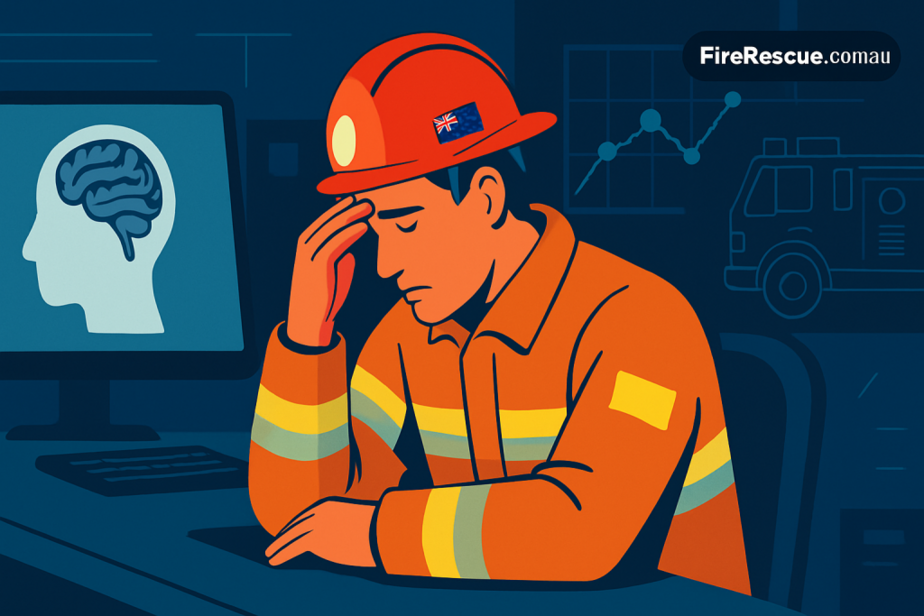
Emergency responders such as firefighters, paramedics, police officers, and State Emergency Service (SES) volunteers perform vital roles in protecting our communities. Yet, the very nature of their work exposes them to intense psychological stress. Responding to traumatic incidents, witnessing injuries, and facing life-or-death situations impact mental health deeply. These stresses can accumulate over time and lead to conditions such as post-traumatic stress disorder (PTSD), anxiety, depression, and burnout.
In Australia, the expectation is that emergency workers remain calm and effective in crisis moments. However, without proper support and understanding of mental health impacts on emergency responders, these professionals risk enduring long-term harm. Recognising these challenges is the first step to providing the right care and ensuring they can continue their essential work safely.
Beyond the immediate emotional responses
Emergency responders often face a complex interplay of factors that affect their mental wellbeing. The unpredictability of calls, exposure to human suffering, and the pressure to make split-second decisions can lead to chronic stress. Over time, this stress may manifest physically and psychologically, influencing sleep patterns, interpersonal relationships, and overall quality of life. Additionally, the culture within some emergency services can sometimes discourage open discussions about mental health, inadvertently increasing feelings of isolation among responders.
It is also important to consider the cumulative effect of repeated trauma. Unlike a one-off event, emergency responders often experience multiple traumatic incidents throughout their careers. This cumulative exposure can exacerbate symptoms and complicate recovery. Recognising the signs early and fostering an environment where mental health is prioritised can mitigate these risks and promote long-term wellbeing.
Moreover, the stigma surrounding mental health remains a significant barrier within emergency services. Many responders fear that acknowledging mental health struggles could jeopardise their careers or lead to being perceived as weak. This fear perpetuates silence and prevents early intervention. Changing this culture requires leadership commitment to openly discuss mental health, share personal stories, and implement policies that protect and support affected individuals.
Another dimension to consider is the impact of operational stress injuries, which encompass a range of psychological difficulties resulting from exposure to traumatic events. These injuries can affect not only the individual’s mental health but also their relationships and social functioning. Understanding operational stress injuries as occupational hazards can help normalise the need for mental health care and promote proactive strategies.
Furthermore, the role of family and social support cannot be overstated. Emergency responders often grapple with balancing the demands of their profession with personal life. The stress and trauma experienced at work can spill over into home life, affecting relationships and creating additional emotional burdens. Supporting families through education and resources equips them to better assist their loved ones and fosters a supportive home environment conducive to recovery.
In addition to these challenges, the dynamic nature of emergencies—ranging from natural disasters to violent incidents—requires responders to adapt rapidly, often under extreme pressure. This constant state of alertness and readiness can contribute to heightened stress levels, as the brain remains on high alert, anticipating the next critical event. This hypervigilance can be exhausting and may persist even during off-duty hours, affecting mental rest and recovery.
Emergency responders also confront moral dilemmas
Such as making decisions that may have life-altering consequences, sometimes with incomplete information. These situations can induce moral distress, which, if unresolved, accumulates and impacts mental health. Addressing moral distress through reflective practices and counselling can help responders process these complex emotions.
Moreover, the intersectionality of responders’ identities—including gender, cultural background, and socioeconomic status—can influence how mental health challenges are experienced and addressed. For example, female responders may face additional pressures related to workplace inclusion, while Indigenous responders might encounter unique cultural stressors. Tailored mental health programs that consider these diverse needs can enhance effectiveness and inclusivity.
Finally, the COVID-19 pandemic has introduced new stressors for emergency responders, including increased workloads, risks of infection, and changes in operational protocols. The prolonged nature of the pandemic has compounded fatigue and anxiety, underscoring the need for adaptive mental health supports that respond to evolving conditions.
Common Mental Health Challenges
Post-Traumatic Stress Disorder (PTSD)
Many emergency responders face repeated exposure to traumatic events. This exposure can cause PTSD, where individuals relive distressing incidents through flashbacks or nightmares. Triggers often interrupt daily life, making it hard to concentrate or rest. Early recognition and professional support can reduce its impact.
PTSD symptoms may include heightened anxiety, irritability, and emotional numbness. These symptoms can interfere with personal relationships and work performance, sometimes leading responders to withdraw from social interactions or avoid certain situations. Importantly, PTSD is not a sign of weakness but a natural response to overwhelming experiences. Treatment approaches such as cognitive behavioural therapy (CBT), eye movement desensitisation and reprocessing (EMDR), and medication have been effective in helping responders regain control over their lives.
Research indicates that timely intervention after traumatic exposure can significantly reduce the severity of PTSD symptoms. Critical incident stress debriefings and early counselling are tools that agencies use to support responders immediately following distressing events. However, these interventions must be carefully managed to avoid retraumatisation and ensure they are tailored to individual needs.
Emerging research also highlights the importance of trauma-informed care, which recognises the pervasive impact of trauma and integrates this understanding into all aspects of service delivery. Trauma-informed approaches seek to create safe environments, empower individuals, and avoid practices that may inadvertently trigger trauma responses.
Depression and Anxiety
The high-pressure environment, long shifts, and unpredictable emergencies can lead to feelings of sadness, hopelessness, and persistent worry. Depression and anxiety often go unnoticed because responders are focused on their duties, reluctant to show vulnerability. Encouraging open conversations about mental health is crucial.
Depression and anxiety can manifest subtly in emergency responders, sometimes mistaken for fatigue or stress. Symptoms may include persistent low mood, loss of interest in activities, difficulty sleeping, and feelings of restlessness. These conditions can reduce motivation and increase the risk of errors on the job. Encouraging responders to seek help early and promoting mental health literacy within agencies can improve outcomes. Training managers and team leaders to recognise these signs and respond compassionately is equally important.
Additionally, the unpredictable nature of emergency work can exacerbate anxiety, with responders sometimes experiencing anticipatory anxiety before shifts or critical incidents. This ongoing tension may lead to physical symptoms such as increased heart rate, muscle tension, or gastrointestinal issues, further impacting wellbeing. Mindfulness and relaxation techniques have shown promise in managing anxiety symptoms and improving overall emotional regulation among emergency personnel.
It is essential to understand that untreated depression and anxiety can lead to serious consequences, including increased risk of substance misuse and suicidal ideation. Emergency responders are unfortunately at higher risk for suicide compared to the general population. This highlights the urgent need for suicide prevention strategies tailored to the unique pressures these workers face.
Initiatives such as gatekeeper training, which equips colleagues to identify and respond to signs of suicide risk, are becoming more common in emergency services. Moreover, promoting a culture where seeking help is seen as a strength rather than a liability can save lives.
Burnout and Fatigue
Continuous exposure to stressful situations without adequate rest leads to physical and emotional exhaustion. Burnout reduces job performance and satisfaction, and can impact physical health. It is vital for agencies to promote work-life balance and allow time for recovery.
Burnout is characterised by feelings of cynicism, detachment from work, and a sense of ineffectiveness. Emergency responders may experience diminished empathy towards those they serve, which can affect service quality and personal fulfilment. Fatigue, both mental and physical, increases the likelihood of accidents and mistakes during critical operations. Agencies that implement shift rotations, provide access to rest facilities, and encourage regular breaks help mitigate burnout. Additionally, fostering a workplace culture that values mental health and recognises the importance of downtime is essential in maintaining a healthy workforce.
Another often overlooked aspect is moral injury, a psychological distress that arises when responders feel their actions or the situations they face contradict their moral or ethical beliefs. This can lead to profound feelings of guilt or shame, further complicating mental health challenges. Addressing moral injury requires sensitive support and open dialogue within teams.
Fatigue management strategies such as scheduling shifts to allow for adequate sleep, limiting overtime, and educating responders about the importance of rest are increasingly recognised as critical components of mental health support. Nutrition and hydration also play roles in maintaining energy and cognitive function during demanding shifts.
Moreover, organisational factors such as workload, staffing levels, and administrative demands contribute to burnout. Agencies that actively monitor these factors and involve staff in decision-making foster resilience and job satisfaction.
It is also crucial to acknowledge the impact of secondary traumatic stress, where responders are affected by indirect exposure to trauma through their work. This can accumulate silently and contribute to emotional exhaustion and burnout. Providing education on secondary traumatic stress and coping mechanisms can empower responders to manage these effects.
Long-term burnout not only affects individual health but also organisational outcomes such as staff retention and absenteeism. Investing in mental health resources and creating supportive workplace environments can reduce turnover and maintain a skilled, motivated workforce.
Practical Considerations for Emergency Responders’ Wellbeing
Responders should prioritise mental health as part of their overall safety. This means recognising early warning signs and actively seeking support when needed. Agencies like Fire and Rescue NSW, Ambulance Victoria, and the Queensland Police Service have programs to help staff manage stress.
Peer support is a valuable resource. Talking with colleagues who understand the job’s demands often provides relief and guidance. Professional counselling services, including Employee Assistance Programs (EAPs), are confidential and tailored to emergency workers’ needs.
Self-care habits are equally important. Maintaining a balanced diet, regular exercise, good sleep routines, and mindfulness practices strengthen resilience. Family and community connections offer emotional grounding beyond the workplace.
Emergency services are increasingly integrating mental health education into their training programs. This includes resilience-building workshops, stress management techniques, and psychological first aid. Such proactive measures equip responders with tools to cope before crises escalate. Moreover, leadership plays a critical role in modelling healthy behaviours and fostering an environment where mental health is openly discussed.
Technology also offers new avenues for support. Mobile apps designed for mental health tracking and meditation can be accessible tools for responders. Virtual counselling and telehealth services provide flexibility, especially in remote areas or for shift workers. However, it is important that these digital solutions complement, not replace, human connections and professional care.
Family support is another cornerstone of wellbeing. Educating families about the stresses responders face helps create understanding and reduces feelings of isolation. Support networks that include family members can improve communication and provide a safe space for responders to share their experiences.
Furthermore, creating peer-led mental health initiatives within emergency services can empower responders to take ownership of their wellbeing. These programs foster trust, reduce stigma, and encourage early help-seeking. Examples include peer support officers, mental health champions, and resilience mentors who receive specialised training to assist colleagues.
Mindfulness and relaxation programs tailored for emergency responders have gained traction as effective tools to manage acute stress and enhance emotional regulation. Techniques such as guided imagery, breathing exercises, and progressive muscle relaxation can be incorporated into daily routines or used after critical incidents.
Training in psychological first aid enables responders to support colleagues experiencing distress, creating a culture of mutual care. This approach emphasises listening without judgement, providing practical assistance, and encouraging professional help when necessary.
Incorporating physical fitness programs within agencies also contributes to mental health by reducing stress and improving mood. Group exercise sessions not only enhance physical wellbeing but also strengthen team cohesion and social support.
Finally, agencies should regularly review and update mental health policies to reflect current best practices and emerging research. Engaging responders in policy development ensures relevance and fosters a sense of ownership.
It is also beneficial for agencies to implement comprehensive wellness programs that address nutrition, sleep hygiene, and substance use education. These programs can help responders maintain their physical and mental health, reducing the risk of chronic conditions linked to stress.
Encouraging open forums and debriefing sessions after critical incidents allows responders to express emotions and share experiences in a safe environment. Such practices not only facilitate healing but also strengthen team bonds.
Moreover, leadership training on mental health awareness equips supervisors to recognise signs of distress and respond appropriately, fostering a supportive organisational culture.
Collaboration with mental health professionals to provide onsite support during high-stress periods can also enhance accessibility and reduce barriers to care.
Finally, recognising and celebrating successes, both big and small, helps maintain morale and a positive outlook among emergency responders.
If You Only Do Five Things to Support Mental Health
First, talk openly about mental health with your colleagues and managers. Normalising these conversations reduces stigma and encourages early help.
Second, know the signs of stress and trauma in yourself and others, such as changes in mood, sleep problems or withdrawal from social activities.
Third, use available professional support services early. The sooner you reach out, the better the chance of recovery.
Fourth, maintain regular self-care routines including exercise, nutrition, and rest. These basics support emotional and physical health.
Fifth, engage in peer support or mentoring. Sharing experiences builds trust and practical coping skills within your team.
Beyond these five essentials, it is beneficial to cultivate a mindset of ongoing self-reflection and adaptability. Recognising that mental health is dynamic and can fluctuate with circumstances helps responders remain vigilant. Continual learning about coping mechanisms and stress reduction can empower individuals to manage their wellbeing proactively.
Also, consider developing personalised mental health plans that include triggers, preferred coping strategies, and emergency contacts. Having a clear plan can provide reassurance during difficult times and facilitate timely intervention.
Additionally, responders should prioritise building strong social connections both within and outside of work. Establishing trusted relationships provides emotional support and buffers against the isolating effects of trauma.
Practising gratitude and focusing on positive experiences can also enhance resilience. Simple daily reflections on what went well or what one is thankful for can shift mindset and reduce stress.
Finally, responders should be encouraged to pursue hobbies and interests unrelated to work. Engaging in creative or recreational activities offers a valuable outlet for stress relief and personal fulfilment.
It is also important to acknowledge that setbacks in mental health are a normal part of recovery. Patience and persistence, along with professional guidance, can help responders regain balance and strength over time.
Encouraging a culture where mental health check-ins are routine can normalise seeking support and reduce feelings of isolation.
Who Does What in Australia
Understanding the roles of different emergency services helps clarify their unique challenges and support needs. Fire and Rescue services respond to fires, rescues, hazardous incidents and provide fire prevention education. Police enforce laws, maintain public order and support emergencies involving crime or violence. Ambulance services deliver pre-hospital medical care and transport patients during health crises. The State Emergency Service assists communities during floods, storms, and other natural disasters. Each agency faces particular mental health pressures, but all share a commitment to protecting Australians and require strong mental health support systems.
The diversity of roles means that mental health impacts can vary widely. For example, paramedics often confront medical emergencies involving children or vulnerable populations, which can be especially distressing. Police officers may face threats to their own safety or ethical dilemmas during investigations. Firefighters frequently work in physically demanding and dangerous environments, sometimes during prolonged incidents like bushfires. SES volunteers, often community members themselves, may face additional emotional strain as they assist neighbours and friends during disasters.
Recognising these nuances allows agencies to tailor mental health resources effectively. Collaboration between services enhances knowledge sharing and the development of best practices. National initiatives such as the Australian Centre for Posttraumatic Mental Health provide research, training, and support frameworks that benefit all emergency responders.
State-level programs also play a critical role. For instance, Ambulance Victoria’s Peer Support Program and Fire and Rescue NSW’s Mental Health Strategy offer specialised assistance tailored to their workforce. These programs often include confidential counselling, resilience training, and critical incident stress management.
Volunteer emergency responders face unique challenges due to often balancing their roles with other employment and family commitments. Their mental health needs may be less visible but equally important. Agencies are increasingly recognising the value of providing targeted support and flexible services to volunteers.
Furthermore, indigenous emergency responders bring additional cultural considerations to mental health support. Incorporating culturally sensitive approaches and recognising the importance of community connections can improve engagement and outcomes.
The integration of mental health initiatives across multiple agencies also facilitates a unified response to emergencies that affect responder wellbeing. Joint training sessions, shared resources, and cross-agency peer support networks help build a cohesive support system.
Moreover, recognising the mental health needs of specialised units, such as tactical police or hazardous materials teams, ensures that support is relevant to the particular stresses those roles entail.
Ongoing research into the mental health of emergency responders in Australia informs policy development and service delivery. Academic partnerships with emergency services contribute to evidence-based practices and innovative approaches.
Emergency Mental Health Resources in Australia
If you or someone you know is struggling, it is important to seek help immediately. For life-threatening emergencies, always call 000. Beyond immediate crisis, organisations such as Beyond Blue, Headspace, and Lifeline provide specialised support. Many emergency services also offer confidential mental health programs tailored to their workers.
Beyond these well-known organisations, there are numerous local and regional initiatives designed to support emergency responders. Some offer peer-led support groups, resilience training, or access to specialised trauma counsellors. Additionally, online resources and helplines are available 24/7, providing anonymity and immediate assistance when needed.
It is essential for responders to familiarise themselves with these resources before a crisis occurs. Agencies often facilitate mental health awareness sessions and encourage proactive engagement with support services. Family members and friends of emergency responders can also benefit from understanding these options, enabling them to offer informed assistance.
FireRescue.com.au encourages all responders and community members to prioritise mental health alongside physical safety. Mental health is not a separate concern but integral to the overall effectiveness and sustainability of emergency services. By fostering a culture of openness, compassion, and resilience, Australia’s emergency responders can continue their vital work with strength and wellbeing.
Innovative programs such as the Australian Defence Force’s Trauma Risk Management (TRiM) model have been adapted for emergency services to provide peer support and early intervention. These models emphasise the importance of recognising trauma reactions and promoting recovery within the team environment.
Technology-driven resources, including apps like Smiling Mind and Headspace, offer accessible mindfulness and meditation exercises tailored for high-stress occupations. These tools complement traditional counselling and provide responders with on-demand support.
National frameworks such as the National Mental Health and Wellbeing Strategy for Emergency Services recognise the need for coordinated efforts across jurisdictions to improve mental health outcomes. Continued investment in research, training, and service development is necessary to meet evolving challenges.
Additionally, specialised crisis response teams and mental health liaison officers embedded within emergency services provide immediate psychological support during critical incidents. These roles help bridge the gap between operational demands and mental health needs.
Community partnerships with mental health organisations facilitate outreach and education, extending support beyond the workplace. Such collaborations promote holistic wellbeing and resilience in responders and their families.
Furthermore, ongoing evaluation of mental health programs ensures they remain effective and responsive to changing circumstances. Feedback from responders is vital to refining these initiatives and fostering trust.
FireRescue Training Hub
Access practical fire and emergency study support resources, downloads, checklists, audio guides, and member-only course content.
- Course library
- PDF downloads
- Audio guides
- Checklists
Study support only. Not accredited training or a replacement for workplace procedures.
About the author and safety review
Ken Walker
Former Station Officer and fire service educator
Former career firefighter with extensive career and volunteer fire service experience.
Qualifications: Associate Diploma of Applied Science in Fire Technology; Institute of Fire Engineers studies.
Author profilehttps://www.firerescue.com.au/about-us/