Fire Safety Insight
Understanding large warehouse fire spread analysis is crucial for effective emergency response and fire prevention in Australian conditions. These vast spaces with complex contents require thorough study to limit damage and safeguard lives.
This guide offers clear, practical information on how fire spreads in large warehouses, the role of fire and emergency services, and how you can prepare and respond safely. Always rely on official advice and call triple zero (000) immediately in a life-threatening emergency.
Large Warehouse Fire Spread Analysis
Get the practical Australian safety guide covering warehouse fire spread risks, storage layout concerns, response priorities, and prevention basics in one easy PDF.
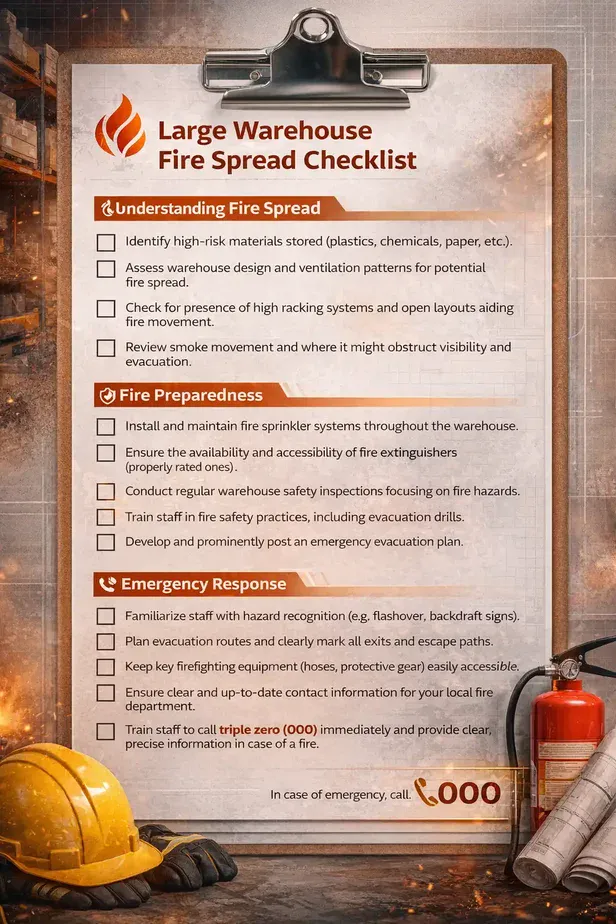
Clean, practical and easy to follow for readers who want a quick visual guide from FireRescue.com.au.
Understanding How Fire Spreads in Large Warehouses
Large warehouses present unique challenges when it comes to fire spread. These structures often store vast quantities of goods that can include highly flammable materials, and the building design combined with ventilation patterns can accelerate fire growth. Australian fire services have studied these patterns extensively to improve response tactics and reduce risk.
Fire often starts in one area but can spread rapidly through interconnected spaces. High racking systems, long aisles, and open-plan layouts mean that flames and heat can move vertically and horizontally with little obstruction. Smoke movement is another critical factor, as it can reduce visibility and complicate evacuation and firefighting efforts.
Materials stored in warehouses vary widely, from plastics and chemicals to paper and textiles. Each has different burning properties and can influence the speed and intensity of fire spread. Recognising the types of materials stored helps Fire/Rescue teams anticipate how the fire may develop and what hazards they face.
Moreover, the sheer volume of combustible material in warehouses means that fires can become very large and intense very quickly. The heat generated can cause structural elements to fail, leading to partial or complete collapse, which poses significant risks to firefighters and nearby properties. Understanding these dynamics is essential for designing effective firefighting strategies and ensuring the safety of all involved.
In addition to the physical characteristics of fire spread, it is important to consider the role of fire dynamics within warehouse environments. The interaction between heat release rates, fuel load, and ventilation can create extreme conditions such as flashover and backdraft, phenomena that greatly increase danger. Flashover occurs when the entire compartment reaches ignition temperature almost simultaneously, and backdraft happens when oxygen is suddenly introduced into a smouldering fire area, causing explosive combustion. Firefighters must be trained to recognise signs of these hazards and adjust tactics accordingly.
Key Factors Influencing Fire Spread in Warehouses
Building Design and Construction
The construction materials and design features of warehouses impact fire behaviour. Metal frames with insulated panels might resist fire longer than timber structures, but poor compartmentalisation can allow fire and smoke to travel freely. Fire-rated walls and doors, sprinkler systems, and smoke vents are important features that slow spread.
Additionally, the layout of internal partitions and the presence of fire barriers can significantly influence how fire moves through a warehouse. Well-designed compartmentation can isolate fires to smaller sections, limiting damage and allowing firefighters to control the blaze more effectively. Conversely, open-plan designs without adequate fire stops can facilitate rapid fire expansion.
The age and maintenance of warehouse buildings also play a role in fire spread. Older warehouses may lack modern fire safety features, and degradation over time can lead to vulnerabilities such as gaps in fire barriers or compromised sprinkler systems. Regular inspections and upgrades are vital to ensure buildings meet current safety standards.
Ventilation and Air Flow
Warehouses often have large roller doors and vents for airflow, which can feed oxygen to a fire and cause it to grow quickly. Wind direction and natural airflow patterns also play a role. Understanding these helps firefighters position themselves correctly and control the fire’s growth.
The stack effect, a phenomenon where warm air rises and draws in cooler air from lower levels, can also accelerate fire spread vertically inside tall warehouse structures. Firefighters must consider this when planning their attack, as it affects smoke movement and heat distribution. In some cases, controlling ventilation by closing doors or vents can help reduce oxygen supply and slow the fire.
Mechanical ventilation systems, including exhaust fans and HVAC units, can unintentionally contribute to fire spread if not properly shut down during an incident. These systems might circulate smoke and toxic gases throughout the facility, increasing hazards. Fire response plans should include procedures for isolating such systems early in firefighting operations.
Storage Layout and Contents
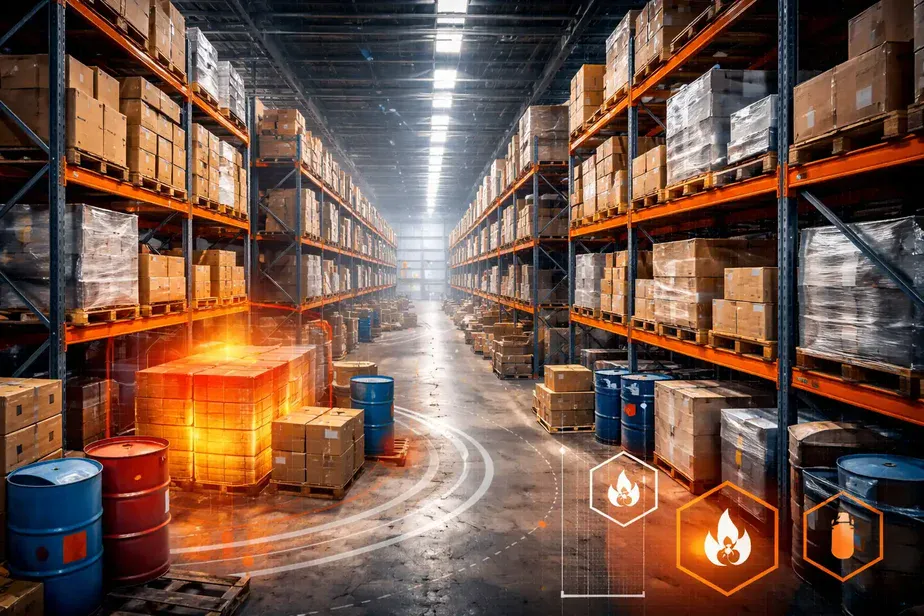
How goods are stored makes a big difference. High stacking of combustible materials can create vertical fire spread paths, while aisles and firebreaks help limit fire movement. Hazardous materials need special treatment as they can cause explosions or toxic smoke, increasing danger to responders and nearby communities.
Warehouses that store mixed goods pose additional challenges. The interaction between different materials during a fire can produce unpredictable fire behaviour and toxic byproducts. For example, plastics burning alongside chemicals may release highly toxic gases requiring specialized respiratory protection for firefighters. Proper labelling and segregation of hazardous materials are critical for safety.
Fire load density, which measures the amount of combustible material per unit area, is a key metric in assessing fire risk in warehouses. Higher fire loads increase the potential intensity and duration of fires. Warehouse managers should monitor storage density and ensure compliance with fire safety regulations to minimise risks.
Emergency Response and Firefighting in Australian Warehouses
Fire/Rescue NSW, CFA in Victoria, and other state fire services are equipped with specialised training and equipment to tackle large warehouse fires. Their approach often starts with isolating the fire to prevent spread, securing the scene, and protecting firefighters through appropriate breathing apparatus and thermal imaging cameras.
Coordination between Fire/Rescue, Police, State Emergency Service (SES), and Ambulance services is essential. The Police assist with scene control and managing access, SES helps with rescue and infrastructure support, while Ambulance services stand ready for medical treatment of any injured persons. Calling 000 is always the first step if you witness or suspect a large fire.
In addition to containment tactics, firefighting crews employ advanced technology such as drones for aerial assessment and remote thermal imaging to identify hotspots without exposing personnel to danger. These tools improve situational awareness and help allocate resources more efficiently during complex warehouse fire incidents.
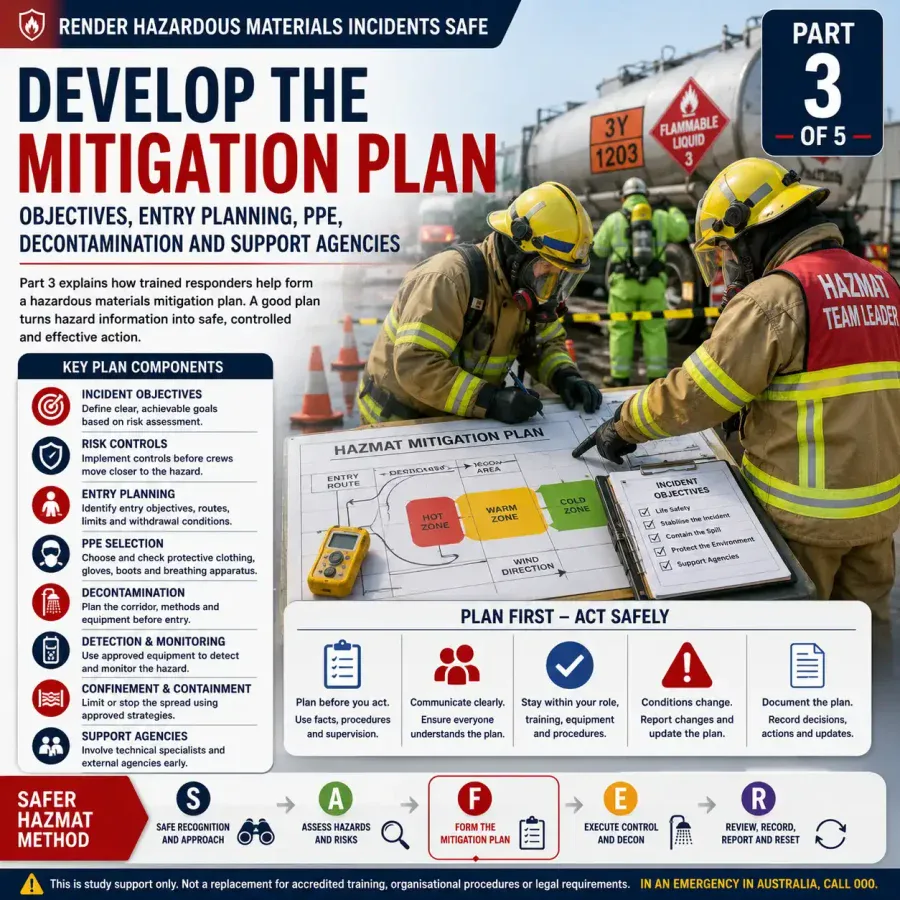
Firefighters also train extensively in hazardous materials (HAZMAT) response due to the variety of potentially dangerous substances stored in warehouses. Understanding chemical interactions and proper decontamination procedures is vital for maintaining responder safety and preventing environmental contamination.
During large warehouse fires, establishing a command structure with clear communication channels is vital for effective operations. Incident commanders coordinate multiple firefighting teams, allocate resources, and liaise with other emergency services. This organised approach helps manage the complexity of large-scale incidents and ensures safety protocols are followed.
Furthermore, contingency planning for potential fire spread to adjacent properties is an important aspect of emergency response. Fire services often deploy defensive firefighting tactics to protect neighbouring buildings and infrastructure, reducing overall community impact.
Fire Safety and Prevention Measures for Warehouses
Prevention is always better than response. Warehouse operators should comply with Australian fire safety standards, including installation of fire detection and suppression systems, proper signage, and maintaining clear access routes. Staff training on emergency procedures and regular fire drills help ensure quick and safe evacuations.
Regular inspection of electrical systems, storage practices, and housekeeping reduces ignition risks. Particular care is needed when storing flammable liquids, gases, or chemicals. Emergency plans must be updated regularly and shared with local fire authorities to promote swift and informed responses.
Additionally, adopting modern fire safety technologies such as automated sprinkler systems, fire alarm monitoring linked directly to emergency services, and fire-resistant storage containers can significantly reduce the likelihood and impact of warehouse fires. Integrating these measures into warehouse design and operation is a critical investment in safety and business continuity.
Engagement with local fire services for regular audits and training sessions can also enhance preparedness. These collaborations ensure that emergency responders are familiar with warehouse layouts and potential hazards, enabling faster and more effective interventions when fires occur.
Beyond physical measures, fostering a strong safety culture among warehouse staff is essential. Encouraging vigilance, prompt reporting of hazards, and adherence to safety protocols can prevent many fire incidents. Leadership commitment to safety initiatives further reinforces this culture and supports continuous improvement.
Emerging technologies such as integrated building management systems and AI-driven fire detection offer promising advancements in early fire detection and response automation. These innovations can provide real-time monitoring and faster alerts, potentially saving lives and reducing property loss.
If You Only Do Five Things
First, always call 000 immediately if you discover a large warehouse fire or suspect one. Time is critical and professional help must arrive fast.
Second, evacuate the area calmly and quickly, following any official warnings or instructions. Do not attempt to enter the building once fire has started.
Third, if you work in or manage warehouse facilities, ensure fire safety equipment and emergency plans are up to date and regularly practiced.
Fourth, understand the types of materials stored and inform emergency responders of any hazards early on.
Fifth, stay informed by monitoring local fire service alerts and follow their advice during emergencies.
Who Does What in Australia
Fire/Rescue services lead firefighting efforts, including large warehouse fires. They have the training, equipment, and authority to manage fire scenes and conduct rescues.
Police manage scene security, traffic control and assist in evacuations. They help keep bystanders safe and maintain order during emergencies.
Ambulance services provide emergency medical care and transport for injured persons. They work closely with fire crews to treat burns, smoke inhalation, and trauma victims.
The State Emergency Service (SES) supports with rescue operations, infrastructure protection, and assisting communities affected by disasters, including fires.
FireRescue Training Hub
Access practical fire and emergency study support resources, downloads, checklists, audio guides, and member-only course content.
- Course library
- PDF downloads
- Audio guides
- Checklists
Study support only. Not accredited training or a replacement for workplace procedures.
About the author and safety review
Ken Walker
Former Station Officer and fire service educator
Former career firefighter with extensive career and volunteer fire service experience.
Qualifications: Associate Diploma of Applied Science in Fire Technology; Institute of Fire Engineers studies.
Author profilehttps://www.firerescue.com.au/about-us/