Fire & Rescue Insights
Understanding Urban Bushfire Interface Defence Systems
Urban bushfire interface defence systems are critical for protecting communities located where urban development meets bushland. These systems combine infrastructure, planning, and emergency response strategies to reduce fire risk and enhance community safety.
Effective defence systems rely on collaboration between residents, emergency services such as Fire and Rescue NSW, Police, Ambulance, and the SES, and government agencies to deliver both preventative and reactive measures.
Understanding how these systems operate and what practical steps can be taken is vital for anyone living or working within bushfire-prone urban interfaces across Australia.
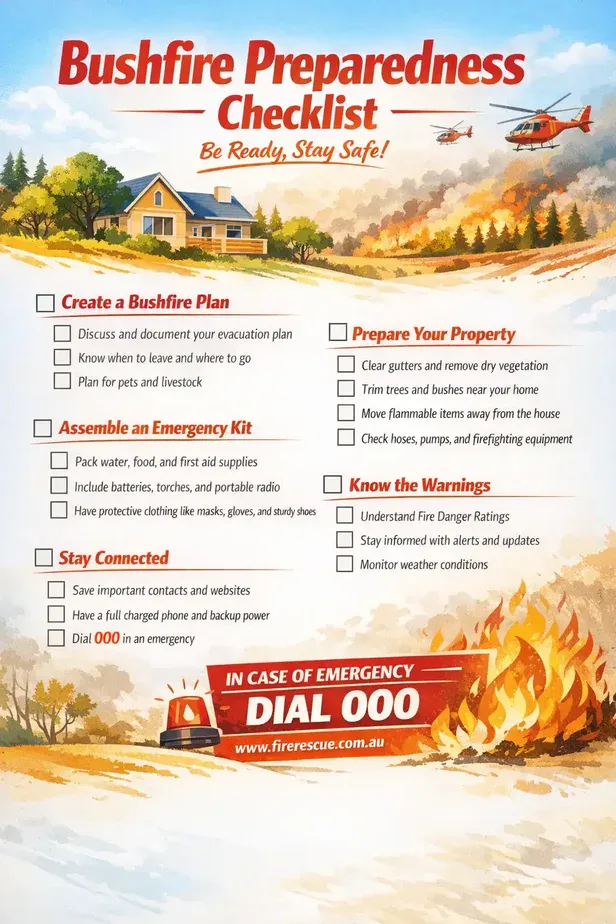
A clear, practical guide covering defence systems, community safety, emergency response roles, and real-world bushfire preparedness at the urban interface.
- Understand key defence system components
- Learn practical actions for residents and communities
- See how emergency services support urban bushfire response
Background and context
The urban bushfire interface refers to areas where residential, commercial, or other urban developments are adjacent to or intermixed with bushland or natural vegetation. These zones pose unique challenges for fire prevention and suppression due to the proximity of highly combustible natural fuel loads to human settlements.
Bushfires can spread rapidly in these interfaces, threatening property, infrastructure, and lives. Defence systems in these areas must therefore be multifaceted, incorporating physical barriers such as firebreaks, vegetation management, early warning technologies, community education, and coordinated emergency response plans.
In recent years, the increasing frequency and severity of bushfires linked to climate change have further elevated the importance of robust defence systems in urban interface zones. As urban sprawl extends into previously undeveloped bushland, the complexity of managing fire risks grows, demanding innovative approaches and stronger integration between land management and urban planning.
The challenges presented by the urban bushfire interface are compounded by the diversity of vegetation types, topography, and weather patterns across Australia. In some areas, steep slopes and dense forests can accelerate fire spread, while in others, dry grasslands and shrublands contribute to rapid ignition and flame propagation. These factors necessitate tailored defence strategies that account for local environmental conditions.
Additionally, the social dynamics within interface communities influence how effectively defence systems function. High population densities, varying levels of fire awareness, and differing capacities for preparedness all affect community resilience. Consequently, integrating social considerations into fire management planning is increasingly recognised as essential.
Key components of urban bushfire interface defence systems
Fuel management and landscaping
Managing vegetation is one of the primary strategies to reduce bushfire risk. This includes creating defensible spaces around properties by clearing flammable materials, pruning trees, and maintaining low-fuel gardens. Local councils and fire authorities often provide guidelines on vegetation management to help residents prepare their properties.
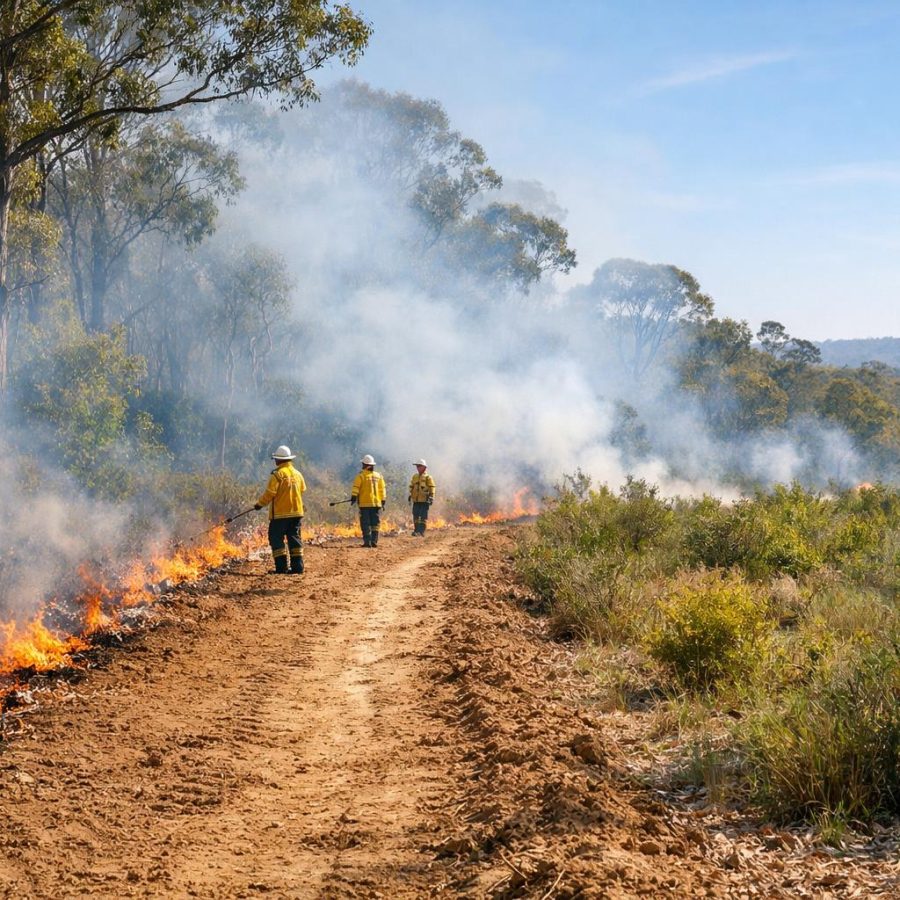
Strategic fuel reduction burns and controlled clearing in adjoining bushland areas also play an important role in limiting the intensity and spread of fires near urban areas.
Moreover, innovative landscaping techniques such as the use of fire-resistant plant species and designing gardens to minimize vertical fuel ladders can significantly reduce fire risk close to homes. These methods complement traditional fuel management by creating an additional buffer that slows fire progress.
In addition to these physical measures, ongoing maintenance and community engagement are vital. Residents must regularly inspect their properties to ensure that vegetation remains managed throughout the fire season, as regrowth and weather conditions can quickly alter fuel loads. Community-driven initiatives, such as neighbourhood fuel reduction days, foster collective responsibility and enhance overall preparedness.
Firebreaks and physical barriers
Firebreaks are cleared strips of land that act as barriers to slow or stop the progress of bushfires. These are often maintained by local fire services or land managers and are critical in urban interface zones to protect communities.
Urban planning also incorporates building setbacks, access routes for emergency vehicles, and the use of fire-resistant materials to enhance the overall resilience of defence systems.
In addition to traditional firebreaks, engineered solutions such as ember-proof screens, non-combustible fencing, and strategically designed buffer zones between bushland and urban development are becoming increasingly important. These physical barriers not only slow fire spread but also help reduce ember attack, a major cause of home ignition during bushfires.
Furthermore, modern building codes in bushfire-prone areas require homes to incorporate fire-resilient design elements, including non-flammable roofing, sealed gaps to prevent ember intrusion, and reinforced windows. These architectural considerations are critical components of urban defence systems that complement landscape and community measures.
The integration of green infrastructure, such as strategically placed wetlands and water bodies, can also serve as natural firebreaks, providing additional protection while supporting biodiversity and community amenity.
Early warning and detection technologies
Advances in technology have improved the detection and monitoring of bushfires near urban areas. These include satellite surveillance, automated fire detection cameras, and sensor networks that provide real-time information to emergency services.
Community alert systems such as SMS warnings and emergency broadcasts ensure residents receive timely notifications to take protective actions.
Emerging technologies like drone reconnaissance and artificial intelligence are also being integrated into bushfire defence strategies. Drones can rapidly assess fire behaviour and hotspots in areas difficult for ground crews to access, while AI algorithms analyze vast data streams to predict fire spread and assist in resource allocation.
Additionally, the use of Internet of Things (IoT) devices embedded in bushland areas allows for continuous environmental monitoring, including temperature, humidity, and smoke levels. These sensors can trigger early warnings before fires become visible or widespread, enabling faster mobilization of firefighting resources.
Public access to real-time fire mapping through mobile apps and online platforms empowers residents to make informed decisions about evacuation and property protection during bushfire events.
Emergency response and roles of services
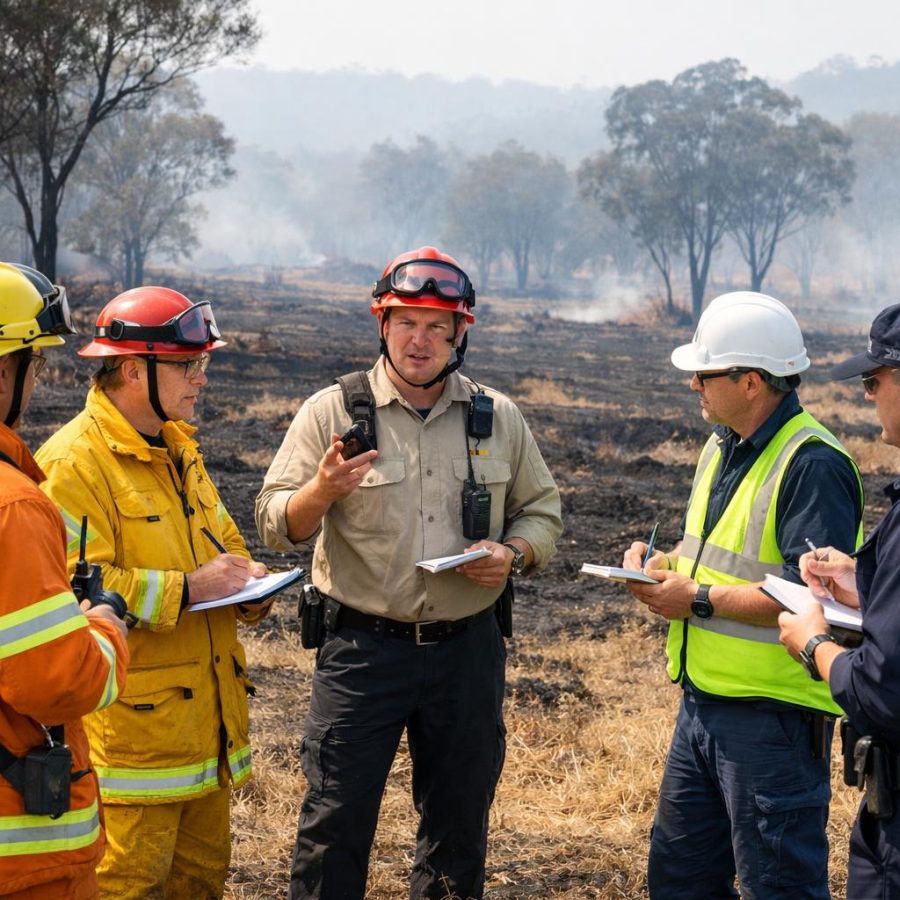
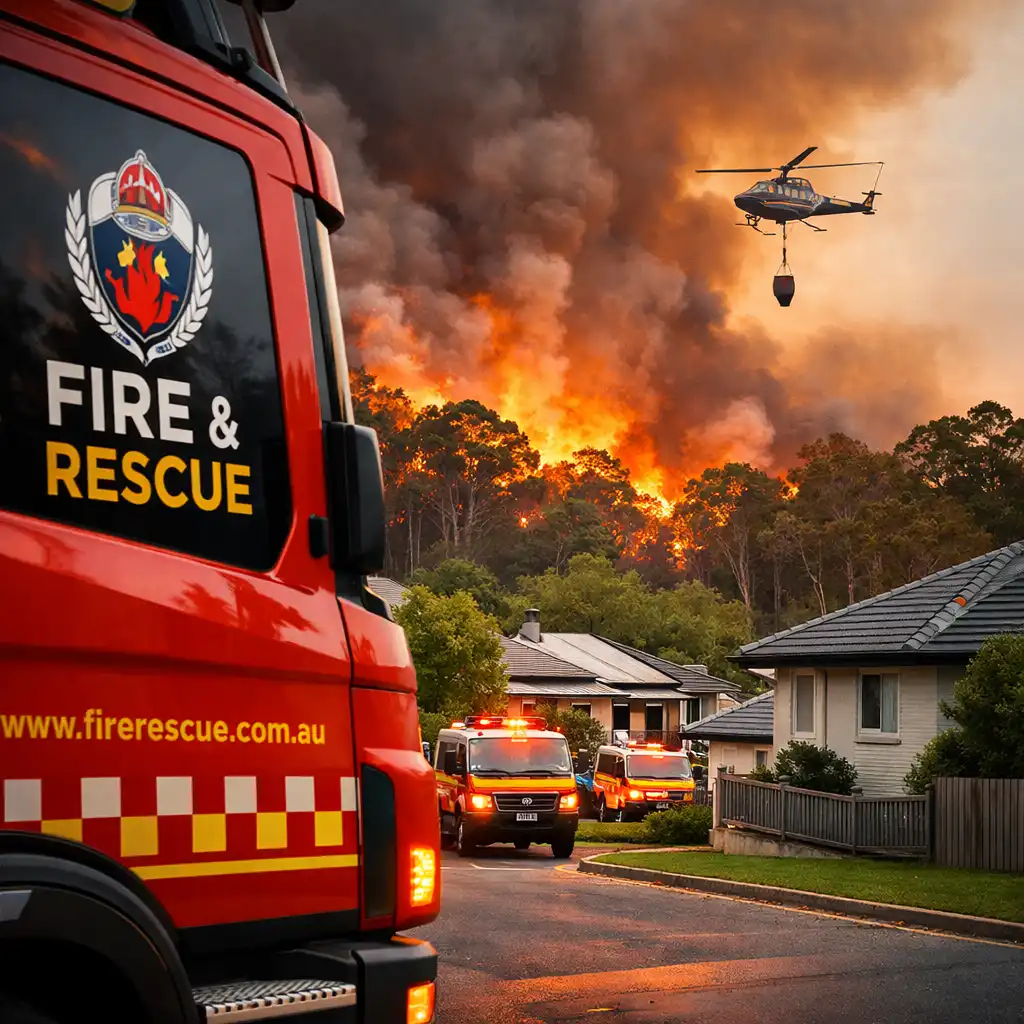
In the event of a bushfire threatening an urban interface, Fire and Rescue NSW is the lead agency responsible for fire suppression and rescue operations. Their crews are highly trained to manage complex urban and wildland fire scenarios, utilising specialised equipment and coordinated tactics.
The NSW Police support by managing traffic control, evacuations, and public order, ensuring that communities can evacuate safely and emergency routes remain clear.
Ambulance NSW provides medical support and patient transport as required, while the State Emergency Service (SES) assists with flood-related issues or structural damage caused by fire or firefighting operations.
If you find yourself at risk or witnessing a bushfire near urban areas, always call 000 immediately. Provide clear details about the location and any immediate dangers to ensure the appropriate services respond swiftly.
Coordination between these agencies is supported by comprehensive incident management systems that enable real-time communication and resource sharing. This integrated approach ensures rapid response times and efficient deployment of firefighting assets to protect lives and property.
Volunteer brigades and community emergency response teams also play vital roles, often providing valuable local knowledge and additional manpower during extended bushfire events.
Regular training exercises and inter-agency drills are conducted to improve preparedness and coordination among all emergency services. These exercises simulate various bushfire scenarios, helping teams refine communication protocols, test equipment, and identify potential gaps in response strategies.
Furthermore, community liaison officers act as a bridge between emergency services and residents, providing updates, safety advice, and support during bushfire incidents. Their role is crucial in maintaining public confidence and ensuring that vital information reaches those affected promptly.
Practical implications for residents and communities
Residents living in urban bushfire interface areas should actively engage with local fire authorities to understand specific risks in their neighbourhood. Preparing a bushfire survival plan is crucial, including knowing safe evacuation routes and having an emergency kit ready.
Community groups can work alongside fire services to promote awareness, support vulnerable neighbours, and participate in planned fuel reduction activities.
Urban planners and developers must incorporate bushfire defence principles early in design processes to reduce future risk and protect lives and property through resilient infrastructure.
Educational initiatives aimed at schools and community centres can further empower residents by increasing understanding of fire behaviour and preparedness measures. These programs foster a culture of resilience and shared responsibility, which is essential in high-risk interface zones.
Furthermore, investing in community infrastructure such as safe refuges and evacuation centres provides critical support during emergencies, particularly for vulnerable populations including the elderly, children, and those with disabilities.
It is also important for residents to maintain personal preparedness by regularly reviewing and updating their bushfire survival plans, ensuring that communication devices are charged and operational, and securing important documents and valuables in fire-resistant containers.
Community resilience is strengthened when neighbours collaborate on preparedness activities, such as sharing resources, checking on each other during fire events, and collectively advocating for improved local fire management policies.
Conclusion
Urban bushfire interface defence systems are essential for managing the unique challenges posed by living on the edge of Australia’s bushland. Through a combination of preventative measures, technological innovation, and coordinated emergency response, these systems aim to safeguard communities and reduce the impact of bushfires.
Staying informed, prepared, and connected with emergency services ensures that residents and responders can work together effectively when bushfire threats arise. Ongoing investment in research, community engagement, and infrastructure development will be crucial as climate conditions continue to evolve and urban expansion persists.
Looking forward, the integration of climate adaptation strategies into urban bushfire defence planning will become increasingly important. This includes anticipating changes in fire season length, intensity, and frequency, and adapting management approaches accordingly. Collaborative efforts between scientists, emergency services, urban planners, and communities will be key to developing resilient landscapes and infrastructures capable of withstanding future bushfire challenges.
FireRescue Training Hub
Access practical fire and emergency study support resources, downloads, checklists, audio guides, and member-only course content.
- Course library
- PDF downloads
- Audio guides
- Checklists
Study support only. Not accredited training or a replacement for workplace procedures.
About the author and safety review
Ken Walker
Former Station Officer and fire service educator
Former career firefighter with extensive career and volunteer fire service experience.
Qualifications: Associate Diploma of Applied Science in Fire Technology; Institute of Fire Engineers studies.
Author profilehttps://www.firerescue.com.au/about-us/