Fire Rescue Insights
Understanding Advanced Firefighter PPE Performance
In the demanding environments Australian firefighters face, personal protective equipment (PPE) is a critical line of defence. The performance of advanced firefighter PPE directly impacts safety, operational effectiveness and the wellbeing of those on the front line. This article explores the key elements of advanced PPE performance, providing practical guidance relevant to Australian conditions and emergency response frameworks.
Key takeaways
Advanced firefighter PPE integrates multiple layers of protection engineered to withstand extreme heat, mechanical hazards and chemical exposure. Its performance is measured not only by material standards but also by ergonomic design that supports mobility and reduces fatigue.
Ongoing maintenance, correct fit and user training are essential to maximise PPE effectiveness. Australian firefighters must also understand the roles of emergency services and coordinate appropriately when responding to incidents.
In emergencies, calling 000 remains the first step. Fire/Rescue handle fire incidents and technical rescues, Police maintain scene security and investigation, Ambulance provides medical aid, and the State Emergency Service (SES) supports with specialised rescue and recovery during natural disasters.
Audio Guide
Advanced Firefighter PPE in Australia
Listen to the guide covering protection, fit, maintenance and safety.
Background and Context
Personal protective equipment for firefighters has evolved significantly over recent decades. Modern PPE incorporates advanced textiles, thermal barriers and moisture management systems designed to protect against the intense heat and hazards encountered during fire and rescue operations. In Australia, the diverse climate and frequently rugged terrain create unique challenges requiring robust, adaptable protective gear.
Standards such as AS/NZS 4967 set benchmarks for the protective qualities of firefighter ensembles, including thermal resistance, strength and durability. However, performance is not solely about meeting minimum standards — it also involves real-world usability and the capacity to maintain protection during prolonged and complex incidents.
Firefighters operate in dynamic environments where conditions can change rapidly. The PPE must provide reliable protection while enabling dexterity and movement essential for tasks such as hose handling, search and rescue, and equipment operation. Furthermore, the integration of communication devices and breathing apparatus adds complexity to PPE design.
Key Elements of Advanced PPE Performance
Thermal Protection and Breathability
Advanced PPE uses multiple layers combining outer shells with flame-retardant and water-resistant properties, moisture barriers to prevent liquid penetration, and thermal liners that insulate against heat. The balance between thermal protection and breathability is critical. Overly insulated suits can lead to heat stress, while insufficient protection increases burn risk.
Materials such as Nomex, Kevlar and PBI are commonly used for their heat and abrasion resistance. Incorporating moisture-wicking fabrics inside the suit also helps manage sweat, reducing discomfort and maintaining core temperature control for firefighters working in Australia’s often hot and humid conditions.
Durability and Mechanical Resistance
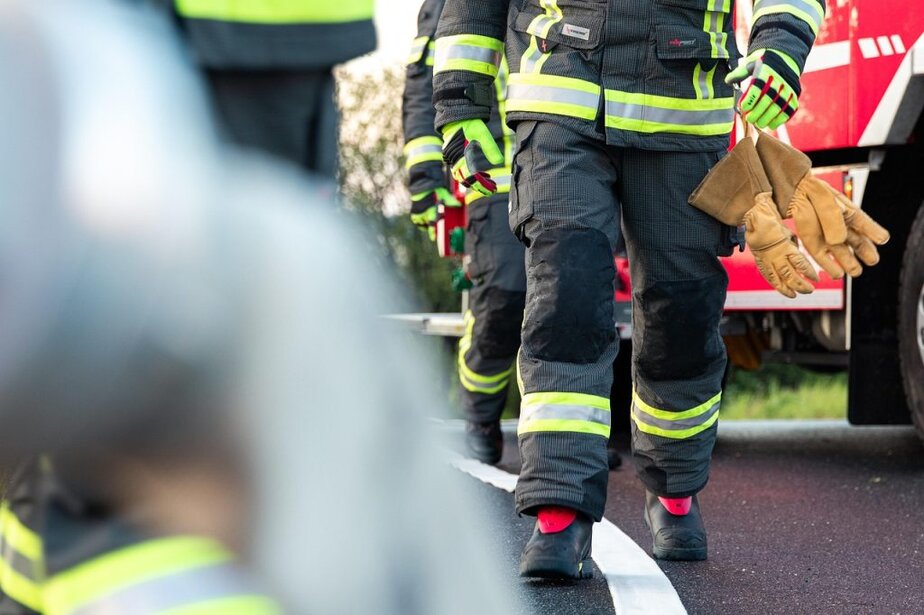
Firefighters frequently encounter sharp debris, rough surfaces and structural hazards. PPE must resist tearing, puncturing and abrasion to maintain its protective integrity. Reinforced knee pads, elbow patches and high-wear areas extend suit life and prevent failures during critical operations.
Advanced manufacturing techniques such as seamless bonding and high-strength stitching also enhance durability. These features ensure the PPE remains intact under stress, protecting firefighters from cuts, scrapes and exposure to hazardous substances.
Ergonomics and Fit
The best protective gear is ineffective if it restricts movement or causes excessive fatigue. Ergonomic design focuses on fitting the human form comfortably while allowing full range of motion. Adjustable straps, articulated joints and lightweight materials contribute to better mobility.
Proper fitting PPE also reduces the risk of snagging or entanglement, critical when operating in confined spaces or near machinery. Australian firefighters often work in conditions that demand swift, agile responses, making ergonomics a priority.
Maintenance, Training and Practical Use
Regular inspection and maintenance of PPE are vital. Damage, contamination or wear can compromise protective qualities. Fire services in Australia typically have protocols for cleaning, testing and replacing gear to ensure ongoing performance. Firefighters themselves must be trained to identify signs of degradation and understand correct donning and doffing procedures.
Training also includes familiarisation with the limitations of PPE. For example, while suits provide excellent thermal protection, they cannot permit indefinite exposure to extreme heat or toxic atmospheres. This understanding informs tactical decisions on exposure duration and the need for backup personnel.
Coordination between emergency services is essential. The Fire/Rescue teams focus on fire suppression and rescue, Police manage scene security and investigation, Ambulance services handle medical emergencies, and the SES provides support in natural disaster scenarios such as floods or storms. Knowledge of each service’s role and clear communication channels optimise outcomes during complex incidents.
Practical Implications for Australian Firefighters
For Australian firefighters, advanced PPE performance means more than just meeting standards — it entails choosing gear suited to the country’s unique challenges. This includes consideration for regional climate variations, operational environments ranging from urban to bushfire settings, and integration with breathing apparatus and communication systems commonly used by local fire agencies.
Fire stations and departments should invest in ongoing training and education to ensure PPE is used effectively. This includes drills simulating realistic conditions, emphasis on correct fitting and maintenance, and awareness of the PPE’s capabilities and limits.
In an emergency, the first action remains calling 000 for immediate assistance. Understanding the roles of Fire/Rescue, Police, Ambulance and SES ensures the right resources arrive promptly and work cohesively. When firefighters are well-equipped with high-performing PPE and supported by trained teams across agencies, Australian communities receive safer, more effective emergency responses.
In addition to material performance and ergonomic considerations, modern firefighter PPE is increasingly incorporating smart technologies to enhance safety and situational awareness. Innovations such as integrated thermal sensors can monitor ambient temperatures and alert firefighters to dangerous heat levels, while wearable biometric monitors track vital signs to detect signs of heat exhaustion or overexertion before critical thresholds are reached. These technologies represent the next frontier in PPE evolution, providing real-time data that supports decision-making and improves incident outcomes.
Furthermore, environmental sustainability is becoming a growing concern within the PPE manufacturing sector. Fire agencies in Australia are beginning to explore options for gear made from recycled or sustainably sourced materials without compromising safety standards. This approach aligns with broader public sector commitments to reduce environmental impact and encourages manufacturers to innovate in creating durable, eco-friendly protective equipment suited to the rigours of firefighting.
Cultural and psychological factors also influence PPE performance.
Comfort and user confidence in protective gear can affect how firefighters behave and perform under pressure. When PPE fits well and functions reliably, it reduces cognitive distractions, allowing responders to focus fully on their tasks. Fire services often seek firefighter input during the design and selection of PPE to ensure that the equipment meets practical needs and preferences, fostering a sense of ownership and trust.
Lastly, the integration of PPE into broader incident command systems is crucial. Firefighters rely on communication and coordination tools embedded within their gear to maintain connection with team members and command units. This integration enhances operational efficiency and safety by facilitating rapid information exchange and enabling adaptive responses to evolving situations on the ground.
Looking ahead, continuous research and development remain vital to advancing PPE performance. Collaborative efforts between fire services, manufacturers, and research institutions drive innovation in materials science, design ergonomics and smart technology integration. This commitment ensures that Australian firefighters will have access to PPE that not only meets their current needs but anticipates future challenges posed by evolving fire behaviour, climate change and urban development.
Moreover, addressing the psychological and physical health of firefighters through PPE design is gaining prominence. Features that reduce heat strain, improve ventilation and decrease weight contribute to lowering the risk of heat-related illness and musculoskeletal injuries, both common concerns in the firefighting profession. Enhanced PPE performance thus supports both immediate safety and long-term health outcomes for personnel.
Incorporating feedback loops from frontline firefighters into PPE evaluation processes also strengthens performance standards. Real-world testing and user experience data inform iterative improvements, tailoring equipment to meet the nuanced demands of Australian firefighting scenarios. This participatory approach empowers firefighters and ensures that PPE evolves in step with operational realities.
Finally, fostering a culture of PPE respect and adherence within fire services is essential. High-performing gear only delivers its full protective benefits when worn correctly and consistently. Leadership commitment to enforcing PPE protocols, combined with ongoing education and support, cultivates safe behaviours that protect firefighters and enhance overall incident management effectiveness.
Audio Guide
Advanced Firefighter PPE in Australia
Listen to the guide covering protection, fit, maintenance and safety.
FireRescue Training Hub
Access practical fire and emergency study support resources, downloads, checklists, audio guides, and member-only course content.
- Course library
- PDF downloads
- Audio guides
- Checklists
Study support only. Not accredited training or a replacement for workplace procedures.
About the author and safety review
Ken Walker
Former Station Officer and fire service educator
Former career firefighter with extensive career and volunteer fire service experience.
Qualifications: Associate Diploma of Applied Science in Fire Technology; Institute of Fire Engineers studies.
Author profilehttps://www.firerescue.com.au/about-us/