Safety First
A chemical spill at home can feel overwhelming, but staying calm and acting quickly can reduce risks. Knowing what to do helps protect you, your family, and the environment.
This guide offers practical steps, safety tips, and explains who to call in Australia if a spill happens. Following trusted advice ensures you respond safely and effectively.
Understanding Chemical Spills at Home
Household chemicals include cleaning products, garden sprays, paints, and automotive fluids. If any of these spill, they can cause harm through fumes, burns, or fire risks. Knowing the kind of chemical involved helps you decide the best action.
Australia’s homes often store substances that, if spilled, require careful handling. Always keep chemicals in their original containers with clear labels, so you can quickly identify them during emergencies.
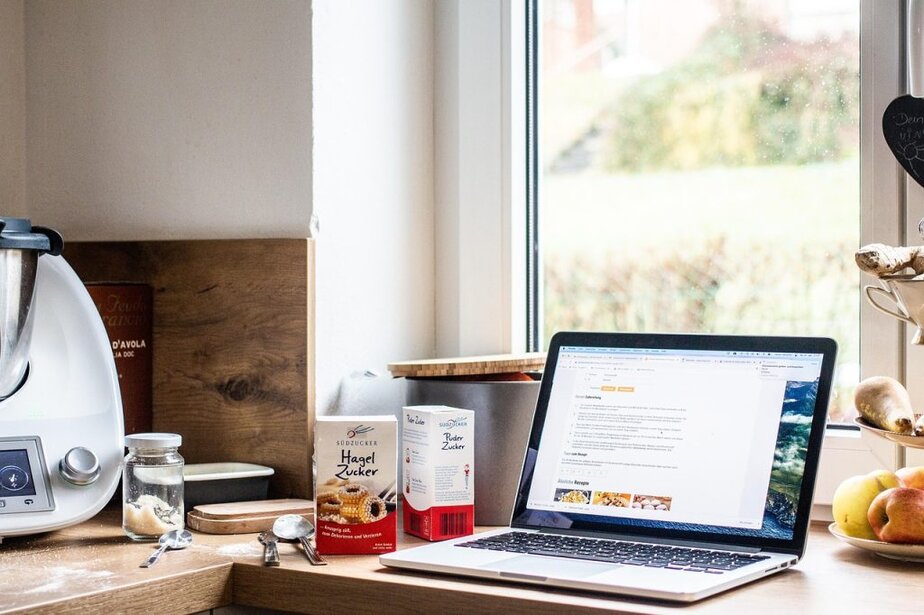
Photo by zapCulture via Pixabay
In addition to the common household chemicals, be aware that some items such as batteries, pool chemicals, and solvents also pose significant risks if spilled. These substances can react unpredictably with other materials or water, potentially causing dangerous fumes or fires. Therefore, understanding the nature of these chemicals is crucial for safe management.
It is also important to note that some chemicals degrade over time, becoming more hazardous. Regularly checking the expiry dates and condition of stored chemicals helps prevent unexpected incidents. Safe storage practices not only protect your household but also safeguard emergency responders in case of an accident.
Immediate Steps to Take if a Chemical Spill Occurs
Ensure Personal Safety First
Your safety is the top priority. Avoid touching or inhaling any spilled substance. If the spill releases fumes, open windows and doors to ventilate the area quickly but carefully. Keep children and pets away from the spill zone to prevent exposure.
If you experience symptoms such as coughing, dizziness, difficulty breathing, or skin irritation, move to fresh air immediately and seek medical advice. Do not attempt to clean the spill if you feel unwell or unsure about the chemical’s hazards.
Assess the Spill Size and Chemical Type
Small spills of household cleaners can often be managed safely with proper precautions. However, larger spills or unknown chemicals require professional help. Check the label or Safety Data Sheet (SDS) if available, to understand hazards and first aid instructions.
If you cannot identify the chemical or if it has mixed with other substances, do not attempt to clean it yourself. Some chemical reactions can produce toxic gases or cause explosions. In such cases, evacuate the area and call emergency services immediately.
Contain the Spill if Safe to Do So
Use absorbent materials such as paper towels, kitty litter, or sand to limit the spread. Do not use water unless the chemical is water-soluble and safe to dilute. Avoid spreading the chemical further or allowing it to enter drains, which can contaminate waterways.
When containing spills, wear protective gloves and eye protection if available. Avoid direct skin contact and wash hands thoroughly after handling contaminated materials. If the spill is on a porous surface like carpet or fabric, it may be difficult to remove completely, and professional cleaning might be necessary.
Cleaning Up and Disposal
After containing the spill, clean the affected area using gloves and protective gear. Dispose of all contaminated materials according to local council regulations. In Australia, many councils have hazardous waste collection days or facilities where you can safely drop off chemical waste.
Never pour chemicals down the sink or toilet unless the label explicitly states it is safe. Improper disposal can harm the environment and wildlife.
If you are unsure about disposal methods, contact your local council or waste management authority for guidance. Some chemicals require special handling and cannot be disposed of with regular household waste. Keeping these materials separate and labelled helps prevent accidental exposure during collection.
When cleaning up spills, avoid using vacuum cleaners or brooms that may spread dust and fumes. Instead, use damp cloths or mopping techniques as appropriate. Always ventilate the area well during and after cleanup to remove any lingering vapours.
Downloadable A4 Checklist
Print this and keep it somewhere visible. Tick items as you go, it helps under pressure.
When to Call Emergency Services
If the chemical spill is large, involves flammable or toxic substances, or if anyone has been exposed to fumes or skin contact causing symptoms, call 000 immediately. Fire and Rescue NSW, Queensland Fire and Emergency Services, and other state fire services are equipped to manage hazardous chemical incidents.
For non-life-threatening situations requiring advice, you can also contact the Poisons Information Centre on 13 11 26. They offer 24/7 expert guidance specific to Australia.
Remember that quick and clear communication when calling emergency services can make a significant difference. Provide details about the chemical involved, the size of the spill, any injuries, and your location. Follow instructions carefully while waiting for professional responders.
If You Only Do Five Things After a Chemical Spill at Home
First, move yourself and others away from the spill area to fresh air. Avoid breathing in fumes or touching the substance directly.
Second, identify the chemical if possible by reading the label or container to understand hazards and first aid measures.
Third, ventilate the area by opening doors and windows, provided it is safe and the chemical is not highly flammable.
Fourth, contain the spill using absorbent materials to stop it spreading, but only if you have the correct protective equipment and it is safe to do so.
Fifth, call emergency services on 000 if the spill is large, hazardous, or if someone is injured or unwell. For advice, contact the Poisons Information Centre on 13 11 26.
Preventing Chemical Spills at Home
Store chemicals securely in a cool, dry place out of reach of children and pets. Keep lids tightly closed and never mix chemicals unless instructed by the label. Regularly check containers for leaks or damage and dispose of old or unwanted chemicals safely through your local council’s hazardous waste program.
Educate household members about the risks and proper handling of chemicals to reduce accidents. Planning ahead and knowing what to do can make all the difference in an emergency.
Additionally, consider using safer alternatives to hazardous chemicals where possible, such as natural cleaning products or less toxic garden treatments. Reducing the amount of dangerous substances stored at home lowers the risk of spills and exposure.
Keep a spill kit readily available, including gloves, absorbent materials, and disposal bags, to enable quick response to minor spills. Familiarise yourself with the contents and use of this kit before an emergency occurs.
Who Does What in Australia: Emergency Services Explained
Fire and Rescue services respond to fires, chemical spills, and hazardous emergencies. They have specialised training and equipment to handle chemical incidents safely.Police maintain public safety, manage traffic, and secure incident sites but are not usually involved in chemical clean-up unless it is a criminal matter.
Ambulance services provide medical care and transport for anyone injured or affected by chemical exposure.
The State Emergency Service (SES) helps with floods, storms, and other disasters. They may assist with evacuations but do not generally manage hazardous chemical spills.
If you face a life-threatening emergency, always call 000 for immediate assistance.
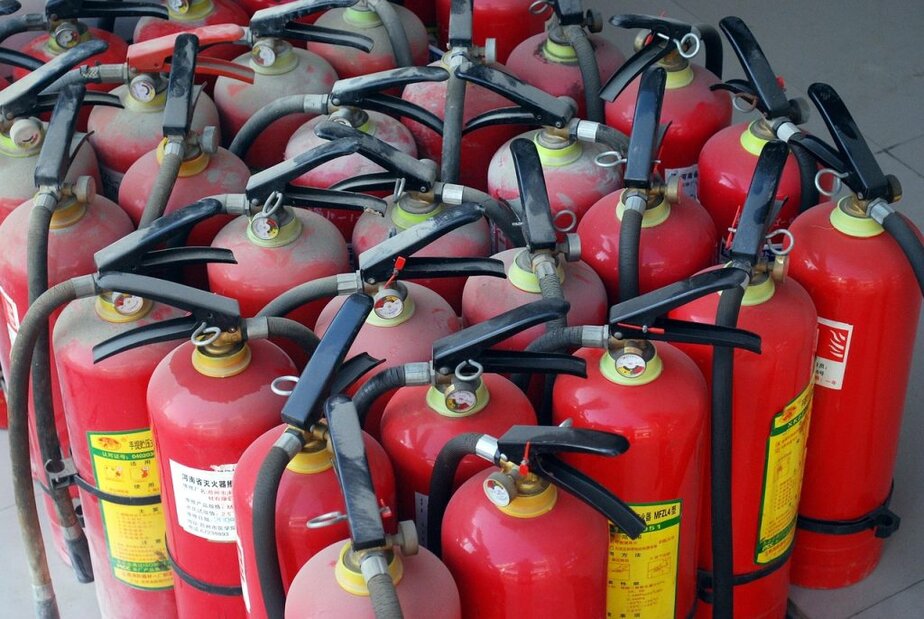
Photo by PublicDomainPictures via Pixabay
Additional Safety Tips and Resources
Always keep the number for the Poisons Information Centre (13 11 26) handy in your phone. They provide expert advice for chemical exposure and first aid in Australia.
Check your local council website for hazardous waste disposal options. Many councils offer free drop-off days for unwanted chemicals and paints.
Do not attempt to clean large or unknown chemical spills yourself. Wait for professional responders from Fire/Rescue or other authorities.
After any spill, wash hands thoroughly and remove contaminated clothing to avoid skin irritation or prolonged exposure.
Consider attending first aid courses that include chemical exposure response. Being prepared with knowledge can save lives and reduce harm in emergencies. Many community organisations and workplaces offer such training.
For more detailed information, visit official Australian government websites such as Safe Work Australia or the Australian Pesticides and Veterinary Medicines Authority (APVMA) for guidance on chemical safety and regulations.
FireRescue Training Hub
Access practical fire and emergency study support resources, downloads, checklists, audio guides, and member-only course content.
- Course library
- PDF downloads
- Audio guides
- Checklists
Study support only. Not accredited training or a replacement for workplace procedures.
About the author and safety review
Ken Walker
Former Station Officer and fire service educator
Former career firefighter with extensive career and volunteer fire service experience.
Qualifications: Associate Diploma of Applied Science in Fire Technology; Institute of Fire Engineers studies.
Author profilehttps://www.firerescue.com.au/about-us/