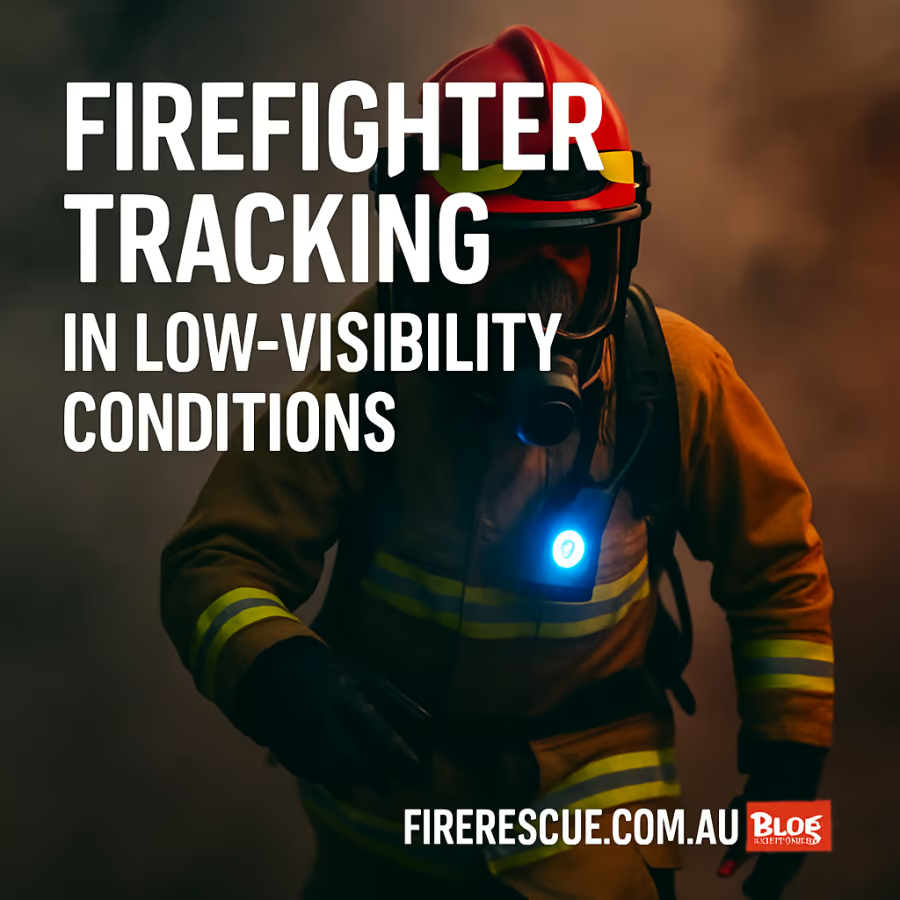
Carbon monoxide poisoning signs Australia residents should know often begin with mild symptoms but can escalate quickly. This gas is colourless, odourless, and deadly if ignored. It is essential to understand the warning signs to protect your family and home.
Simple detection, proper appliance maintenance, and prompt response are key. Follow local safety advice and take steps to prevent exposure to carbon monoxide, especially during colder months when heaters are in use.
Understanding Carbon Monoxide and Its Risks
Carbon monoxide (CO) is a toxic gas produced when fuels like gas, wood, coal, or petrol do not fully burn. In Australia, common sources include gas heaters, wood heaters, fireplaces, blocked chimneys, and car exhausts in enclosed spaces. Since CO cannot be seen or smelled, it can build up unnoticed, posing serious health risks.
Even low levels of exposure can cause symptoms, while high levels may lead to unconsciousness or death. People who are sleeping or intoxicated are at particular risk because they may not notice symptoms in time.
The danger of carbon monoxide is often underestimated because the symptoms mimic common illnesses, leading to delayed diagnosis and treatment. It is especially important for those living in rural or older homes with aging appliances to be vigilant, as these are frequently linked with higher risks of CO buildup.
In Australia’s diverse climate zones, the risk of carbon monoxide poisoning can fluctuate with seasonal changes. Cooler months increase the use of heaters and enclosed fires, which are common sources of CO. Awareness and preventive maintenance become even more critical during these periods to avoid accidental poisoning.
Furthermore, geographical factors such as homes located in valleys or areas with poor ventilation can contribute to the accumulation of this dangerous gas. Understanding your home’s specific risks and ensuring adequate airflow can significantly reduce potential CO hazards.
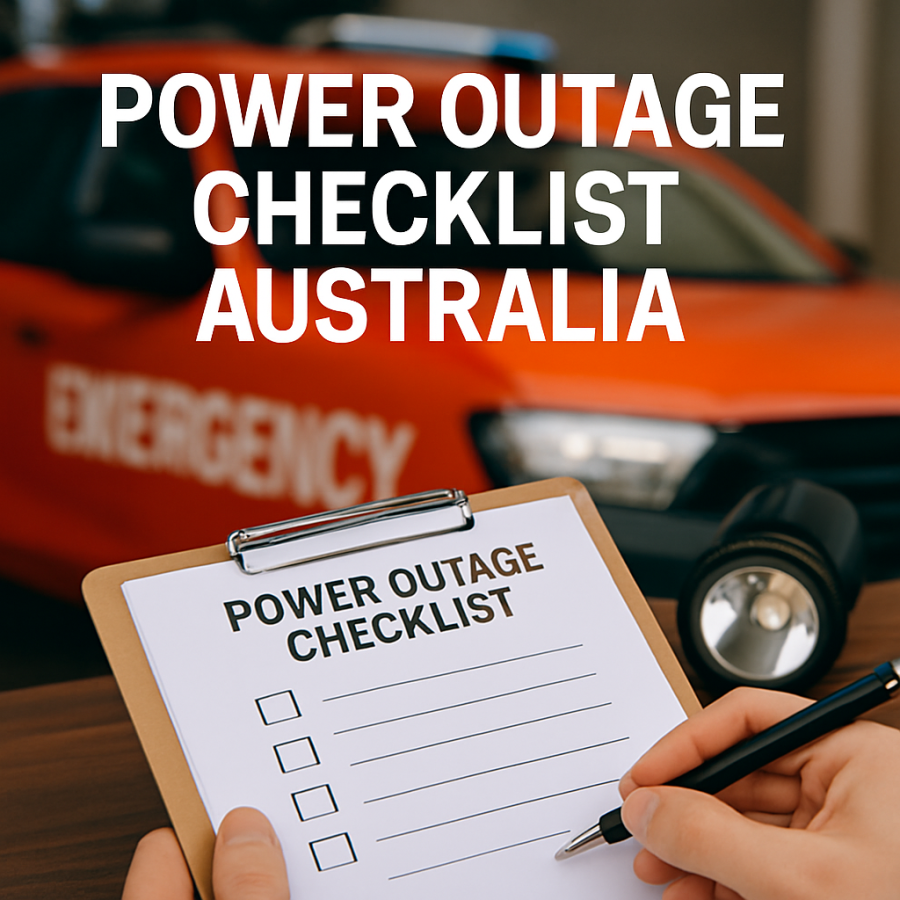
Downloadable A4 Checklist
Print this and keep it somewhere visible. Tick items as you go, it helps under pressure.
Common Carbon Monoxide Poisoning Signs Australia Residents Should Watch For
Symptoms of carbon monoxide poisoning can be confused with flu or food poisoning, making awareness critical. Early warning signs include headaches, dizziness, nausea, and fatigue. These may improve when you leave the area but worsen again when you return.
More severe signs include shortness of breath, chest pain, confusion, blurred vision, and loss of consciousness. Children, elderly people, and pets might show unusual behaviour or lethargy. If you suspect CO poisoning, act immediately and seek fresh air.
It is important to understand that symptoms often have a cyclical pattern, worsening indoors and improving outdoors. This pattern can be a key indicator that carbon monoxide is the culprit, especially if multiple household members experience similar symptoms simultaneously.
Another subtle yet significant symptom to be aware of is sudden unexplained flu-like illness affecting multiple people in the same household. This cluster of symptoms, particularly when they resolve after leaving the premises, strongly suggests possible CO exposure rather than a viral infection.
Pets can be early indicators of carbon monoxide problems as they often show signs of distress, such as excessive sleeping, vomiting, or difficulty breathing before humans notice symptoms. Paying attention to your animals’ behaviour is an additional precautionary measure.
Symptoms in Detail
Mild exposure can cause headaches that may feel dull or throbbing, dizziness, weakness, nausea, vomiting, and general tiredness. These signs often mimic other illnesses but tend to appear or worsen when indoors near fuel-burning appliances.
Severe exposure may cause confusion, difficulty concentrating, chest pain, palpitations, and fainting. In these cases, emergency medical help is essential as brain and heart damage can occur quickly.
Pregnant women are especially vulnerable as carbon monoxide can affect the developing fetus, potentially leading to serious complications. Understanding the risks and recognising early symptoms can help prevent tragic outcomes.
In addition, people with pre-existing heart or respiratory conditions may experience worsened symptoms and increased risk of severe outcomes if exposed to CO. It is vital for these individuals to be especially cautious during seasons of high carbon monoxide risk.
Long-term exposure to low levels of carbon monoxide can lead to chronic health issues such as persistent headaches, memory problems, or mood changes. These subtle impacts highlight the importance of early detection and prevention in the home environment.
How to Detect Carbon Monoxide Hazards in Your Home
Since carbon monoxide is undetectable by human senses, installing a certified CO alarm is the best precaution. Alarms should be placed near sleeping areas and fuel-burning appliances, following Australian safety standards.
Regular servicing of gas heaters, fireplaces, and chimneys by qualified technicians reduces risk. Check that vents and flues are clear and that appliances are burning fuel completely. Avoid using barbeques, generators, or petrol-powered tools inside enclosed spaces.
It is also advisable to keep an eye out for physical signs of CO leaks, such as soot buildup around appliance vents or pilot lights that frequently go out. These can be indicators of incomplete combustion, which increases carbon monoxide production.
Homeowners should also be aware that carbon monoxide alarms have different features; some include digital displays showing CO levels, while others sound louder alarms for higher concentrations. Choosing an alarm that suits your household needs can improve early detection.
Ventilation plays a crucial role in preventing CO buildup. Ensure that vents and air bricks are not blocked by furniture or plants, and consider consulting a ventilation specialist if your home is tightly sealed or energy-efficient, as these conditions can trap gases indoors.
Testing and Maintenance Tips
Test your carbon monoxide alarms monthly and replace batteries as recommended. Replace alarms every five to seven years, depending on the manufacturer’s instructions. Professional inspections should happen annually to ensure all appliances are safe.
Keep a maintenance log for appliances and alarms to track servicing dates and any repairs. This habit helps ensure nothing is overlooked and can be crucial during emergency situations or insurance claims.
In addition to professional servicing, homeowners should perform visual checks for signs of wear, corrosion, or damage on appliances and their exhaust systems. Early identification of these issues can prevent dangerous leaks of carbon monoxide.
When installing new appliances, ensure they are compliant with Australian safety regulations and are installed by licensed professionals. Improper installation is a common cause of CO leaks and can negate the safety benefits of modern equipment.
Immediate Actions If You Suspect Carbon Monoxide Poisoning
If you or anyone in your home shows symptoms of CO poisoning, act quickly. Open windows and doors to ventilate the area, turn off all fuel-burning appliances, and leave the building immediately. Call emergency services and seek medical attention without delay.
Do not re-enter the building until it has been declared safe by qualified personnel. Carbon monoxide can linger and continue to pose a risk even after symptoms have subsided.
Emergency responders may use specialised equipment to detect CO levels and ventilate the premises. It is important to cooperate fully with their instructions to ensure everyone’s safety.
If multiple people are affected, provide clear information to medical personnel about the symptoms observed and the duration of exposure. This helps in administering appropriate treatment and assessing potential long-term effects.
Remember that carbon monoxide poisoning can have delayed symptoms. Even if initial symptoms seem mild, medical evaluation is critical to rule out serious complications such as brain or heart damage.
Preventing Carbon Monoxide Poisoning in Australian Homes
Prevention is the best defence. Ensure all fuel-burning appliances are installed according to Australian standards and maintained regularly. Avoid blocking ventilation points or sealing combustion appliances in airtight rooms.
Be cautious when using portable generators or heaters indoors. Never use barbeques or petrol-powered tools inside or near windows and doors. Educate family members about carbon monoxide risks and the importance of alarms.
Additionally, consider upgrading older appliances to modern, more efficient models with built-in safety features. This investment can significantly reduce the risk of CO production and increase overall home safety.
Community awareness programs and local council initiatives often provide valuable resources and support for CO safety. Engage with these programs to stay informed of best practices and any new regulations.
It is also beneficial to advocate for broader public education campaigns on carbon monoxide risks, especially in areas with high rates of older housing stock or where fuel-burning appliances are prevalent. Public health initiatives can save lives by increasing awareness and encouraging preventive action.
Moreover, supporting policies that mandate CO alarms in rental properties and new constructions can help protect vulnerable populations who may have less control over appliance maintenance and safety measures.
If You Only Do Five Things To Stay Safe From Carbon Monoxide
First, install and maintain a certified carbon monoxide alarm near sleeping areas and appliances. Second, have all gas, wood, and other fuel-burning appliances serviced annually by licensed professionals. Third, never use barbeques, generators, or petrol-powered tools indoors or in enclosed spaces. Fourth, if you notice symptoms like headache or dizziness that improve on leaving the house, seek medical advice immediately. Finally, always follow official agency advice and local safety warnings related to carbon monoxide risks.
By taking these practical steps, you can greatly reduce the risk of carbon monoxide poisoning in your home and protect your loved ones. Stay informed and prepared, especially during the colder months when heating appliances are most used.
FireRescue Training Hub
Access practical fire and emergency study support resources, downloads, checklists, audio guides, and member-only course content.
- Course library
- PDF downloads
- Audio guides
- Checklists
Study support only. Not accredited training or a replacement for workplace procedures.
About the author and safety review
Ken Walker
Former Station Officer and fire service educator
Former career firefighter with extensive career and volunteer fire service experience.
Qualifications: Associate Diploma of Applied Science in Fire Technology; Institute of Fire Engineers studies.
Author profilehttps://www.firerescue.com.au/about-us/