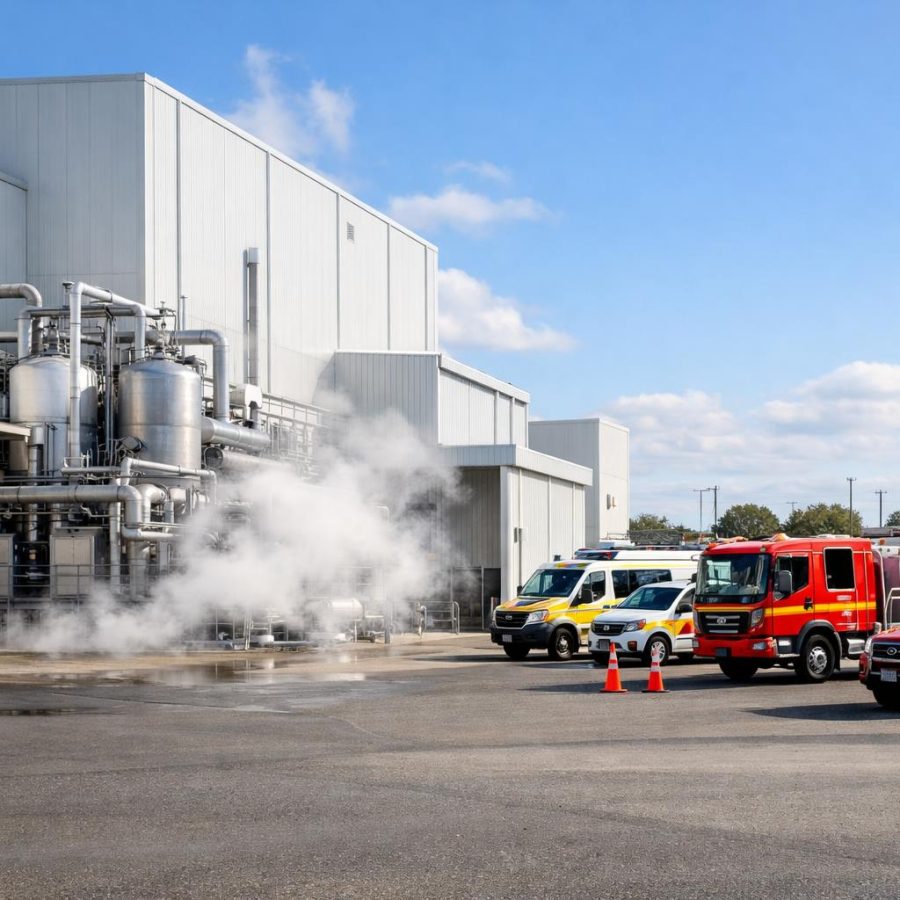
Mental Health After Disasters: Simple Supports for Families – why it matters for Australian households
Australia’s vast landscapes and varied climate bring with them natural challenges such as bushfires, floods, storms, and heatwaves. While physical safety is often the immediate focus during and after these events, the mental health after disasters cannot be overlooked. Families across the country often face emotional and psychological stress in the aftermath, which can affect wellbeing and recovery.
Recognising and supporting mental health after disasters is crucial for households to rebuild not only their homes but their sense of security and normalcy. Practical, simple steps can make a significant difference in helping families cope, heal, and stay resilient.

By understanding the impact of disasters on emotional health and adopting easy supports, Australian families can foster stronger connections and resilience during difficult times.
Understanding the risk: what Mental Health After Disasters: Simple Supports for Families looks like in real life
Disasters can trigger a wide range of emotional responses. It’s normal for adults and children alike to experience anxiety, sadness, irritability, or difficulty concentrating following an event like a flood or bushfire. These feelings may appear immediately or develop over weeks and even months.
Common signs that mental health is affected after a disaster include:
- Trouble sleeping or nightmares
- Changes in appetite or energy levels
- Withdrawal from social activities or loved ones
- Increased worry or feeling overwhelmed
- Difficulty managing daily tasks or emotions
It’s important to remember that these are natural reactions and do not indicate weakness. Families that take simple, supportive actions often find that they recover more confidently and maintain a positive outlook.
Before anything happens: simple preparation steps
Preparing ahead helps reduce stress when disaster strikes. Mental health after disasters is supported by practical readiness that involves everyone in the household.
- Know the risks: Understand what kinds of emergencies are most likely in your area by checking local council and emergency services websites.
- Create a communication plan: Agree on how your family will stay in contact and where to meet if separated.
- Discuss feelings: Talk openly with children and partners about what to expect and encourage questions to reduce fear.
- Gather essentials: Prepare an emergency kit including water, non-perishable food, medications, important documents, and comfort items like toys or books for children.
- Identify support networks: Know neighbours, friends, or community groups you can rely on.
These preparations build confidence and a sense of control, which are key to protecting mental health after disasters.
Building a home checklist around mental health after disasters
Beyond physical safety, your home can be a sanctuary for emotional wellbeing during and after a disaster. A simple checklist helps families create a supportive environment.
- Safe spaces: Designate calm areas where family members can retreat to relax or process emotions.
- Information station: Keep a folder or box with updated emergency contacts, local service numbers, and mental health resources.
- Comfort items: Stock favourite books, games, craft materials, or calming scents to ease anxiety.
- Maintain routines: Plan to keep regular meal times, sleep schedules, and daily activities as much as possible.
- Encourage expression: Have materials ready for journaling, drawing, or talking freely about feelings.
These simple touches help families feel grounded and supported when the unexpected occurs.
What to do when warnings appear
When official warnings about an approaching disaster are issued, it’s normal to feel unsettled. Taking clear, calm steps can protect both physical and mental wellbeing.
- Stay informed: Use trusted sources like the Bureau of Meteorology, local emergency services, or community alerts.
- Communicate: Check in with family members to share updates and reassure each other.
- Prepare your emergency kit: Ensure essential items are ready and easily accessible.
- Limit exposure: Avoid excessive news or social media that may increase anxiety; focus on facts and practical steps.
- Practice calming techniques: Deep breathing, mindfulness, or gentle movement can help reduce stress.
Being proactive during warnings supports mental health after disasters by fostering a sense of control and readiness.
During the event: staying safe and staying informed
During a disaster, maintaining safety is the priority, but attending to emotional needs is also important.
- Stick together: Stay close with family or household members whenever possible.
- Communicate calmly: Use clear, gentle language to reassure children and each other.
- Follow safety instructions: Listen to emergency services and act on advice promptly.
- Take breaks: If safe, pause to breathe and check in on your feelings.
- Use distractions: Simple activities like storytelling or singing can help ease tension.
Even when circumstances are challenging, these steps help maintain mental health after disasters and contribute to overall resilience.
After the event: clean-up, claims and care
Once the immediate danger has passed, the process of recovery begins. This can be overwhelming, so pacing yourself and seeking support is vital.
- Prioritise safety: Avoid hazardous areas and follow official advice on returning home.
- Take small steps: Break down tasks like clean-up or insurance claims into manageable pieces.
- Accept help: Don’t hesitate to ask neighbours, friends, or support services for assistance.
- Monitor emotional health: Watch for ongoing stress, sadness, or difficulty coping and consider professional help if needed.
- Maintain routines: Re-establishing daily habits supports a sense of normality.
Remember, recovery is not a race. Giving yourself and your family time to adjust promotes long-term wellbeing.
Talking with family, neighbours and local services
Strong social connections are one of the most effective supports for mental health after disasters. Open communication creates a network of care and understanding.
- Check in regularly: Reach out to family members and neighbours to share experiences and emotional support.
- Share information: Discuss resources, upcoming community recovery events, and available services.
- Encourage honesty: Create a space where everyone feels comfortable expressing their feelings without judgement.
- Engage local services: Use community health centres, counselling services, or support groups; many offer free or low-cost assistance.
- Be patient and compassionate: Recovery affects people differently; kindness helps everyone progress at their own pace.
These simple social supports greatly ease the mental health burden after disasters.
Putting it all together: a practical plan for mental health after disasters
Combining preparation, awareness, and supportive actions into a clear family plan empowers Australian households to manage mental health after disasters effectively.
- Create a family emergency plan: Include emotional check-ins, safety procedures, and communication strategies.
- Prepare your home emotionally and physically: Use the checklist to establish safe spaces and gather calming resources.
- Practice mental health first aid: Learn basic techniques like active listening and grounding exercises.
- Stay connected: Build and maintain relationships with neighbours and local services before any event occurs.
- Review and update: Regularly revisit your plan and supplies to keep them current and relevant.
With these steps, families create a solid foundation for coping with the inevitable challenges that disasters bring, nurturing resilience and recovery together.
Tip from Kenno: When I’ve faced emergencies with my family, keeping communication open and simple was the best support for everyone’s mental health. I always make sure we have a designated ‘quiet corner’ at home where anyone feeling overwhelmed can take a moment without distractions. Also, I remind myself and the kids that it’s okay to feel upset or scared – naming those feelings helps us move through them. Small, consistent routines like sharing a meal or a walk each day after a disaster help restore a sense of normal and calm. It’s really about kindness and patience, both with others and yourself.
Image from Pixabay.
FireRescue Training Hub
Access practical fire and emergency study support resources, downloads, checklists, audio guides, and member-only course content.
- Course library
- PDF downloads
- Audio guides
- Checklists
Study support only. Not accredited training or a replacement for workplace procedures.
About the author and safety review
Ken Walker
Former Station Officer and fire service educator
Former career firefighter with extensive career and volunteer fire service experience.
Qualifications: Associate Diploma of Applied Science in Fire Technology; Institute of Fire Engineers studies.
Author profilehttps://www.firerescue.com.au/about-us/