↑
A true Australian firefighting first-fire experience told with calm honesty. Mistakes become lessons; lessons become craft. Mentorship ties it all together so the next pager comes with steadier hands.
⏱️ Reading time: ~12 min • 📍 Australia-wide operations • 📅 Last updated: 30 September 2025 (AEST)
Prevention: stopping the next rookie’s first structure fire
Before the siren, prevention is the quiet work that saves lives. In Australia, prevention lives in building codes, smoke alarm laws, kitchen safety campaigns, and simple neighbourhood conversations. It’s FRV and CFA doing school visits; it’s Fire & Rescue NSW home checks and council burn-off permits explained properly. Our rookie learned this first: the best fire is the one that never starts.
Kitchen fires, lithium-ion batteries, garage workshops, and careless smoking remain common triggers. The station’s whiteboard hammered the two rules: keep ignition off fuel, and keep heat away from people. Add working smoke alarms, closed internal doors at night, and a rehearsed ;escape plan, and risk drops fast.
- Teach kids the “get down low and go, go, go” habit every six months.
- In rentals, test smoke alarms monthly and log it. Ask the agent for records.
- Store lithium batteries in cool, ventilated spaces; charge under supervision.
- For rural properties: mark water points, maintain defendable space, and register burn-offs properly.
Quick Contacts (AU): 000 • SES 132 500 • Poisons 13 11 26 • Lifeline 13 11 14 • Local council (after-hours) • Energy outage line (your provider).
Preparedness: five minutes to ready
Preparedness turns nerves into method. Our rookie <a href="https://www.firerescue.com.au/essential-search-and-rescue-techniques-every-firefighter-should-master/”>drilled donning BA, checked radios by call sign, and traced hose couplings blindfolded until muscle memory overruled doubt. The crew repeated size-ups out loud: “Single-storey brick veneer, smoke from alpha bravo corner, occupants possibly inside.” Every sentence shaved seconds off confusion.
Preparedness in 5 Minutes (for households and small businesses):
- Test smoke alarms and close internal doors overnight.
- Pick two exits from every room; agree on a safe meeting point outside.
- Learn the extinguisher PASS steps (Pull, Aim, Squeeze, Sweep) and when not to fight a fire.
- Know your meter box, gas isolation, and where lithium batteries live.
- Save key contacts to favourites; teach kids how to call 000.
At station level, preparedness meant checklists before the bay doors rose: thermal camera charged, halligan mated to axe, spare cylinders topped, hydrant keys where they should be. The rookie learned to say, “Ready to work,” only when they truly were.
Response: a rookie’s first structure fire — the knock
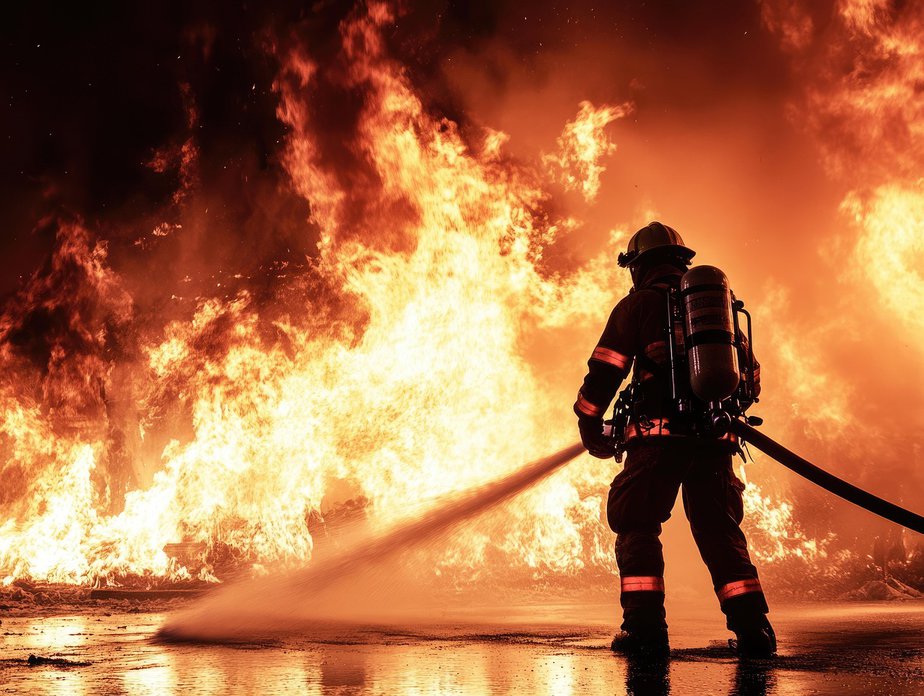
The pager cracked the quiet: a domestic structure fire, smoke issuing, persons reported. The cab smelled of rubber and adrenaline. The rookie clipped the seatbelt and repeated the address back to steady their voice. Lights painted the street runway-red; the crew parked past the address for ladder access and water supply.
Mistake one: the rookie grabbed a tool they didn’t need, leaving the thermal imaging camera behind. The officer’s look said everything. A quick swap, and they were on the line, mask sealed, voice calm. Inside was a world of murk and heat. The rookie remembered, “Left-hand search. Stay tethered. Call your corners.”
Mistake two: rushing the hose. Kinks cost flow. A senior firefighter tapped their shoulder and flaked the hose smooth without a lecture. Lesson learned in silence. The nozzle opened; the smoke shifted from thick black to lazy grey. A closed bedroom door had kept a corridor tenable — prevention proving its worth in real time.
Mistake three: radio traffic too long. The IC needed short, plain speech. The rookie reset: “Alpha team: fire knocked in bedroom, checking extension to roof, negative casualties at this stage.” Short, useful, done.
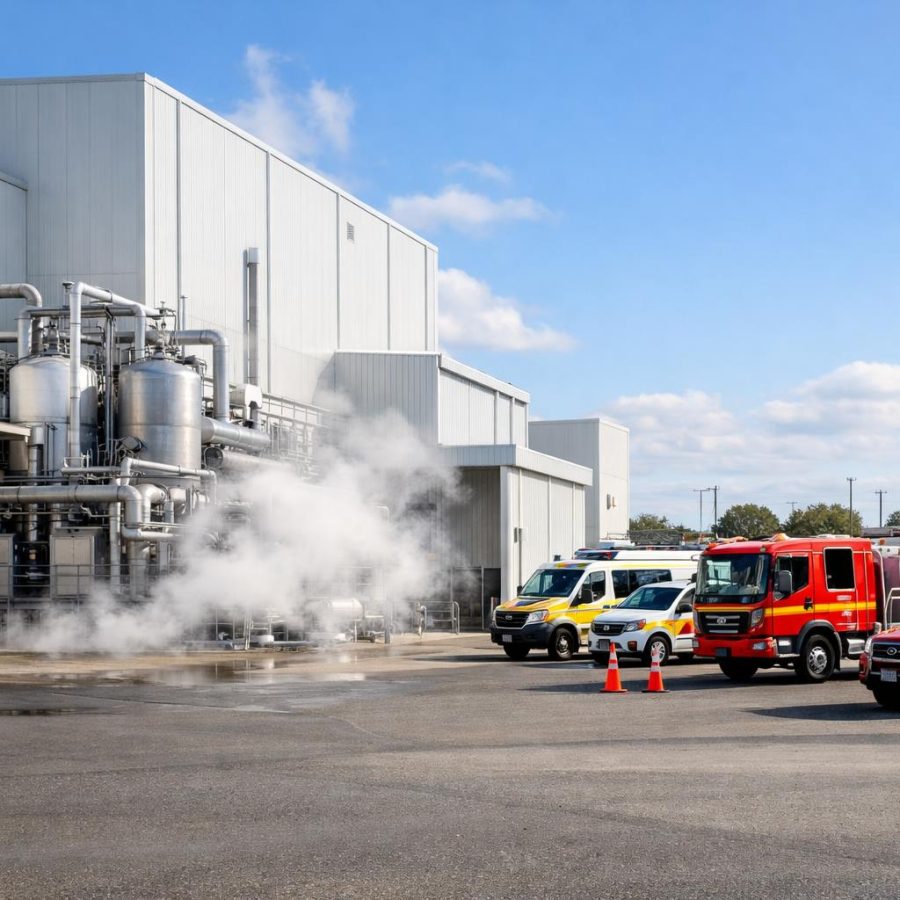
Outside, paramedics assessed a neighbour with smoke irritation. Police kept the street clear and noted dash-cam footage. The crew cooled hot spots and opened windows in a controlled sequence to avoid feeding the beast. The rookie exhaled. Not perfect. Not even close. But safe. Better next time.
⬆️ Back to top
Recovery: people, paperwork, and the quiet after
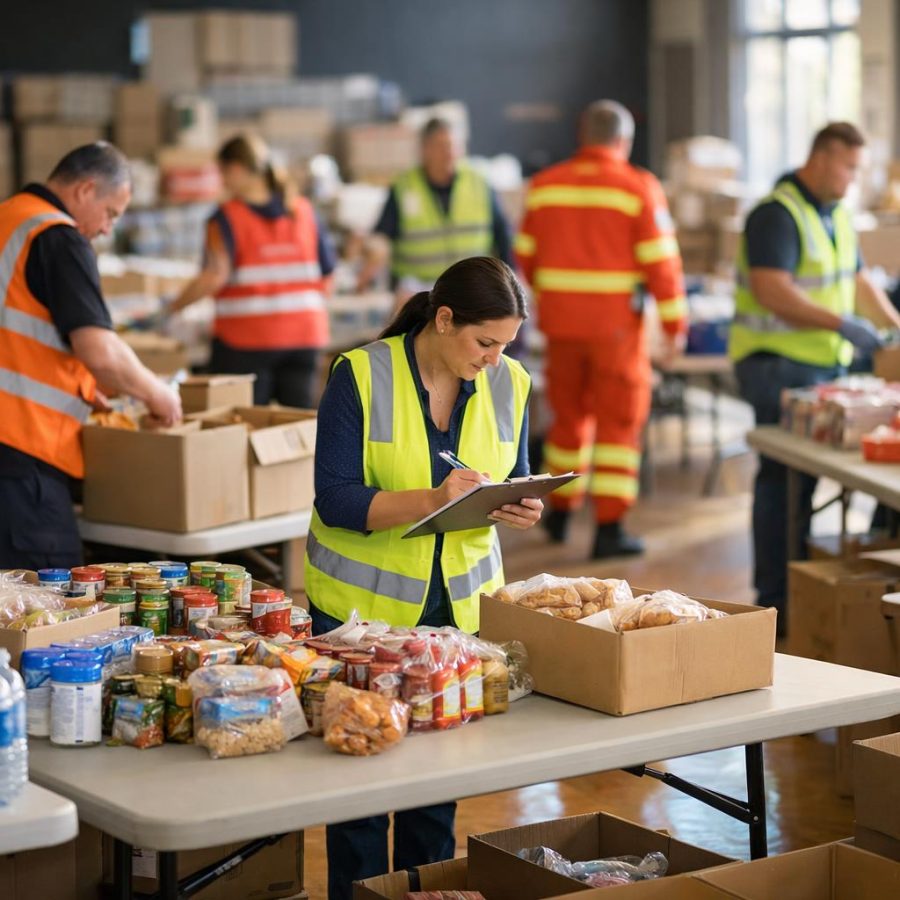
For residents, recovery begins when the flames are out but the questions start: “Is it safe to go in?” “What about pets?” “Who do we call first?” The crew walked them through insurance contacts, how to secure windows, and the importance of an electrician’s sign-off. A teddy bear came out soot-kissed but intact — a small win that matters.
For crews, recovery is rehab, debrief, and restocking. The rookie learned to clean gear properly, swap cylinders, and log exposures. The officer ran a no-blame debrief, distilling mistakes into steps. Mentorship turned the sting of error into next-time muscle memory.
How it works: from pager to pack-up
Dispatch: CAD identifies closest appliances. Crews confirm address, hazards, and hydrants. The rookie repeats the brief — brevity breeds calm.
Arrival: The officer conducts a 360° if safe. Size-up sets the tone: life safety, incident stabilisation, property conservation. The rookie fetches the right tool — and the thermal camera this time.
Interior operations: Door control, hose management, search and rescue, and targeted ventilation. Communications stay short. Safety officers watch the bigger picture.
Knockdown & overhaul: Confirm extinguishment, check voids, preserve potential evidence for investigators. Support residents with clear next steps.
Debrief & learning: What went well? What slowed us down? What will we change by next shift?
For Crew Leaders — quick ICS/Comms tips:
- Speak in objectives: “Hold the hallway. Search bedrooms one and two.”
- Use plain language; keep transmissions under 7 seconds.
- Confirm handoffs face-to-face when possible; radios for updates only.
- Rotate tasks to reduce cognitive overload on new firefighters.
 Equip your kit like a pro — pumps, hoses, PPE, lighting and more. Trusted Aussie suppliers with fast shipping.
Roles & coordination: fire, ambulance, police — one plan
A good knockdown is a team sport. Fire handles suppression and search. Paramedics stage for patient care, firefighter rehab, and smoke exposure checks. Police secure perimeters, assist with evacuations, and support investigators. Council crews can help with boarding up and debris safety. Clear comms make separate uniforms work as one unit.
- Incident Controller (IC): sets objectives, assigns tasks, monitors safety.
- Sector/Division Command: splits the scene into manageable chunks (alpha/charlie sides, roof sector, medical sector).
- Liaison: one clear voice to ambulance and police; no mixed messages.
- Welfare: water, rest, and checks — especially for new firefighters who may hide fatigue.
Equipment & tools: picking the right steel for the job
The rookie’s shopping list is deceptively short: clean PPE, a reliable mask seal, a torch you can find with eyes shut, and a pocket for wedges. On the truck, the essentials stay universal — hose lines matched to the fire load, TIC to see through smoke, ladders for egress, and a set of irons for doors that say “not today.”
- Thermal Imaging Camera (TIC): find heat in seconds; verify knockdown and check voids.
- Nozzles & hose management: smooth bore vs. fog, hose flaking, kink control.
- Ventilation kit: PPV fans, saws; always coordinated with suppression.
- Medical pack: oximeter, oxygen, burns dressings — because smoke harms even when flames don’t touch.
Scenarios: three Australian lessons from the line
1) Suburban bedroom fire — VIC
Single-storey brick veneer, smoke pulsing from eaves. Door control held the flow path while a quick interior search found the fire contained to bedding. A closed door saved the hallway. Lesson: door discipline protects escape routes and crews.
2) Granny flat electrical — NSW
Power isolated at meter; TIC used to scan cavity. Overhaul found charred cable runs inches from insulation. Lesson: never trust eyes alone — use TIC before declaring out.
3) Garage workshop — QLD
Fuel containers stacked near a benchtop charger. Ventilation delayed until water on fire. Lesson: control the air; coordinate vent with suppression to avoid growth.
Checklists: simple steps when seconds matter
Household
- Test smoke alarms; change batteries annually.
- Practice two exits per room; pick a letterbox meeting point.
- Keep exits clear; close doors before bed.
- Charge lithium batteries on non-flammable surfaces under supervision.
- Know gas/electric isolation; teach kids how to call 000.
Business
- Keep extinguishers serviced and staff trained in PASS.
- Post evacuation diagrams; run drills twice a year.
- Store flammables properly; maintain electricals and cords.
- Log lithium battery inventory and charging rules.
- Maintain current emergency contacts and after-hours access notes.
Responders
- BA test, mask fit, spare cylinder ready.
- TIC charged; torches working; wedges pocketed.
- Pre-plan hydrants and access streets on your first-due map.
- Comms brief: unit, task, location, status, needs.
- Rehab plan: water, shade, medical checks, rotation schedule.
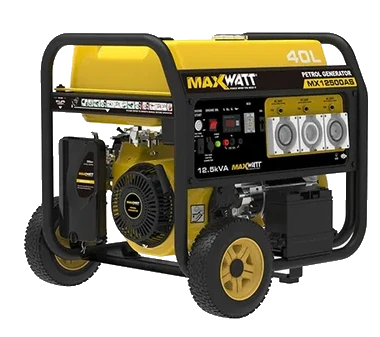 Portable power for blackouts and staging — generators, inverters, and cabling to keep lights and radios online.
Accessibility & inclusion: keeping everyone safe
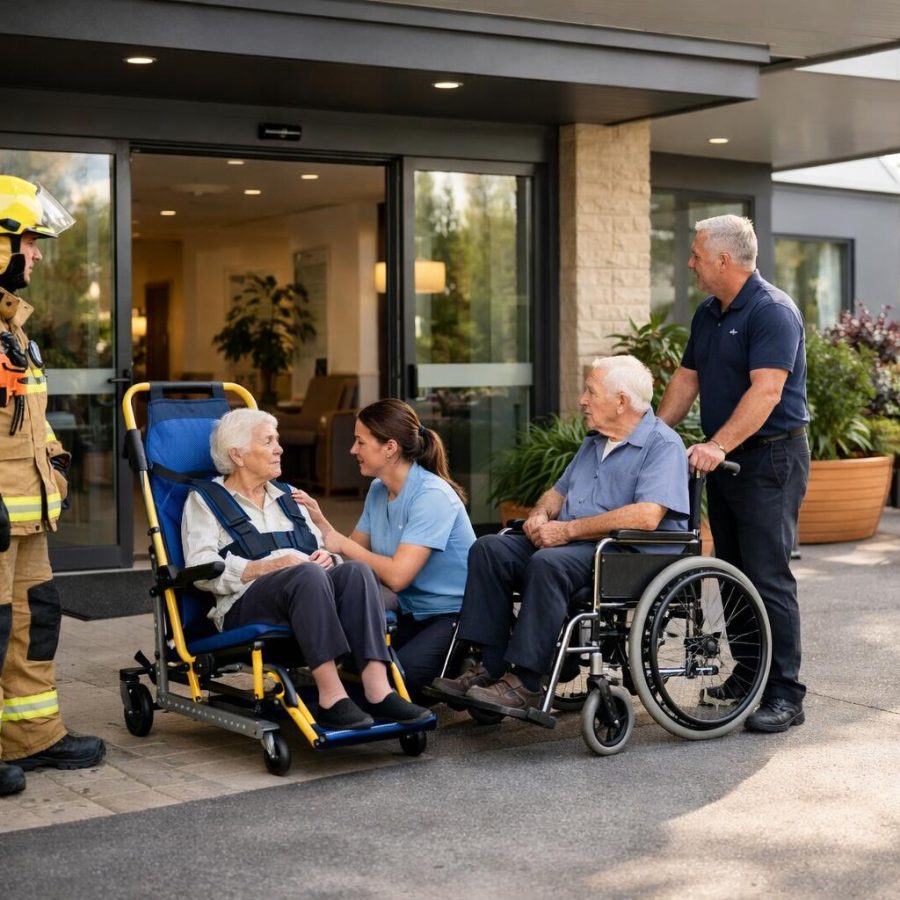
Safety is for everyone — renters, older Australians, people with disability, migrants new to Australian systems, and kids who may panic in smoke. Crews and communities can reduce harm with a few inclusive choices.
- Use plain-language fire plans with pictures and large print.
- Install visual/vibrating alarms for residents with hearing loss.
- Practice exit routes with mobility aids and service animals.
- Translate key instructions for households with limited English.
- Teach “close the door” at night — a small, life-saving habit.
FAQs: fast answers from the bay floor
What is a rookie’s first structure fire like?
Loud, hot, and fast. Training kicks in, but emotions run high. Good mentorship turns mistakes into lessons you remember forever.
Should I fight a small fire at home?
Only if you’ve called 000, have the right extinguisher, a clear exit behind you, and the fire is still small. If in doubt, get out.
Why close internal doors at night?
A closed door slows smoke and heat, buying escape time and keeping hallways survivable for you and for firefighters.
What’s the most common rookie mistake inside?
Rushing. That shows as tangled hose, long radio calls, or poor door control. Slow is smooth; smooth is fast.
How do agencies work together on scene?
Through ICS: clear objectives, sectors, and a single incident controller. Fire, ambulance, and police share updates without overlap.
What should I do after a house fire?
Secure the property, contact insurance, arrange an electrician, and photograph damage. Ask crews for recovery fact sheets.
Are lithium batteries really a house risk?
Yes when damaged, overheated, or poorly charged. Store cool, charge attended, and dispose safely via council programs.
Official resources (Australia)
- Fire Rescue Victoria (FRV)
- Country Fire Authority (CFA)
- Fire and Rescue NSW
- Queensland Fire and Emergency Services (QFES)
- State Emergency Service (SES)
- Australian Department of Health — smoke & air quality
- Product Safety Australia — lithium battery guidance
External links are provided for general guidance. Always follow directions from your local fire authority during an emergency.
FireRescue Training Hub
Access practical fire and emergency study support resources, downloads, checklists, audio guides, and member-only course content.
- Course library
- PDF downloads
- Audio guides
- Checklists
Study support only. Not accredited training or a replacement for workplace procedures.
About the author and safety review
Ken Walker
Former Station Officer and fire service educator
Former career firefighter with extensive career and volunteer fire service experience.
Qualifications: Associate Diploma of Applied Science in Fire Technology; Institute of Fire Engineers studies.
Author profilehttps://www.firerescue.com.au/about-us/