Management by objectives PDF
Management by Objectives (MBO) isn’t just for corporate boardrooms. Firefighters and emergency leaders across Australia can use it to improve safety, coordination, and results on the ground.
Reading time: ~10 minutes • Last updated: 1 October 2025 (AEST)
Prevention: Setting Clear Goals
Fire services know that prevention saves lives. MBO begins by setting clear, measurable objectives. For example, a brigade might aim to reduce house fire callouts in Ballarat by 20% over the next year. Objectives must be specific, achievable, and linked to real-world outcomes.
At the prevention stage, goals can focus on public education, inspections, and partnerships with local councils. By defining objectives early, leaders ensure that every prevention program has purpose and accountability.
Preparedness: Training and Planning with MBO
Preparedness is where MBO shines. Objectives could be “100% of crew leaders trained in updated incident command by June” or “all rural units to complete pump maintenance checks monthly.” The clarity drives both accountability and morale.
Preparedness also means community objectives. For example, engaging 500 households in Morwell to sign up for bushfire SMS alerts by summer.
Advertisement
Need rugged gear for tough conditions? Explore Australian-tested outdoor equipment built to last.
Response: Turning Objectives into Action
When the pager goes off, MBO provides a framework for prioritising tasks. Objectives in this phase might include “rescue occupants within 10 minutes of arrival” or “contain perimeter spread to 2 hectares.” These measurable goals guide decisions under pressure.
MBO doesn’t replace training or instinct—it sharpens both. By setting clear targets before crews even leave the station, leaders improve coordination during chaos.
Recovery: Measuring Success
After the flames are out, MBO helps assess performance. Did the team meet objectives? Were goals realistic? Recovery objectives might include supporting displaced families within 48 hours, or restoring community confidence through town hall meetings.
Recovery is where lessons learned are folded back into new objectives, creating a cycle of continuous improvement for fire agencies.
How MBO Works in Firefighting
MBO aligns leadership, crews, and communities under one banner: shared objectives. Step by step, it looks like this:
- Set objectives: clear, measurable, realistic.
- Communicate: ensure every firefighter and partner agency knows them.
- Measure: track performance with real data, not guesswork.
- Review: refine objectives after each operation or season.
Roles and Agency Coordination
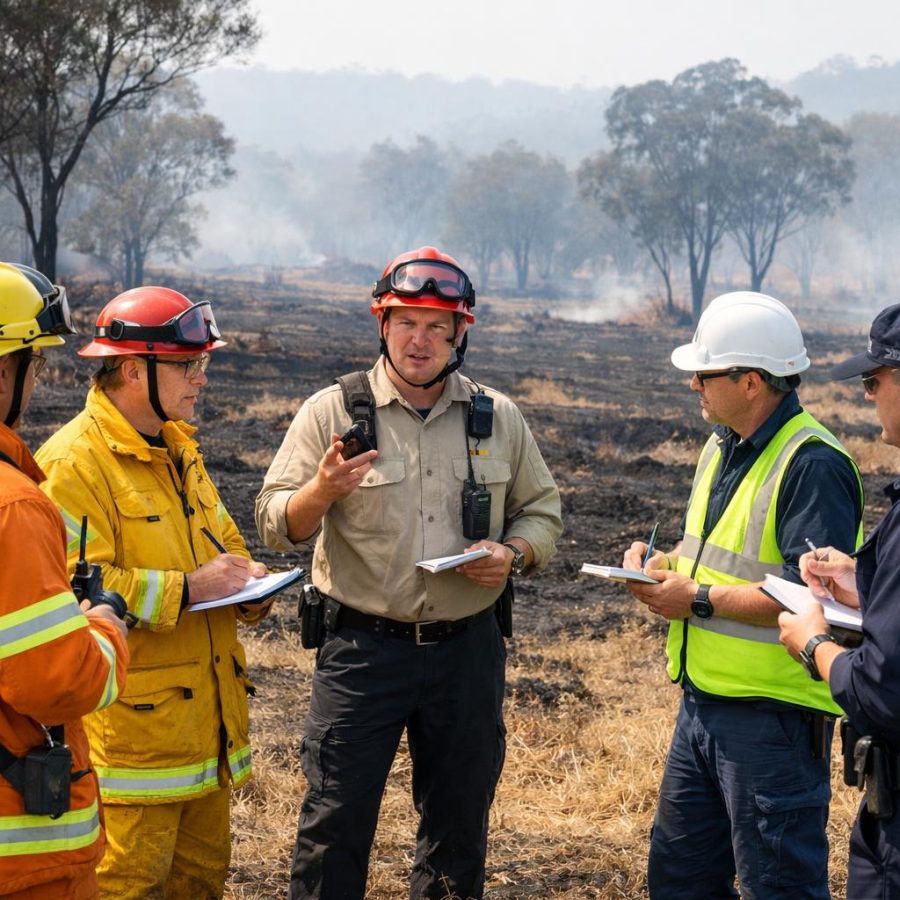
Emergency management in Australia is multi-agency. MBO strengthens coordination between CFA, SES, Victoria Police, and ambulance services. Objectives align roles, preventing duplication or confusion.
For example, while CFA contains the fire, SES objectives may focus on road clearance. Police set objectives around traffic control. MBO binds these together under a shared mission.
Equipment and Tools for MBO
MBO works best when paired with the right tools. Whiteboards in command centres, rugged tablets for crews, and shared dashboards let leaders track objectives in real time.
Even simple checklists laminated and stored on trucks can serve as an MBO tool, reminding firefighters of priorities at 3am.
Advertisement
Equip your shed or station with pro-grade tools. Durable, reliable, and ready for tough Aussie jobs.
Case Studies in Australia
Case 1: Black Saturday Recovery — MBO objectives guided recovery in Kinglake, prioritising temporary housing and counselling services within weeks of the disaster.
Cases 2: Brisbane Floods 2011 — SES set measurable objectives to clear 80% of affected streets within 10 days. Coordination across agencies improved efficiency and public trust.
Case 3: WA Bushfires — DFES used MBO to set objectives around rapid aerial support, ensuring containment lines were established within daylight hours.
Preparedness Checklists
For households, businesses, and responders, MBO can be translated into simple checklists:
- Household: fire plan, water supply, battery radio, protective clothing.
- Business: evacuation routes, staff roles, backup power, contact lists.
- Responders: gear checks, crew roles, comms tests, fuel readiness.
Preparedness in 5 Minutes: check your radio, refill water, test alarms, charge torches, and review your family plan.
Accessibility and Inclusion
MBO ensures objectives are inclusive: reaching CALD communities, older Australians, and people with disabilities. Objectives might include translating safety material into 5 languages, or ensuring evacuation centres are wheelchair accessible.
Frequently Asked Questions
Q: What is MBO in simple terms?
A: It’s setting clear goals everyone works toward.
Q: Isn’t MBO just business jargon?
A: Not when applied to emergencies—it clarifies roles and saves time.
Q: Who sets objectives in a fire?
A: Usually the incident controller, with input from crew leaders.
Q: Can households use MBO?
A: Yes. Families can set objectives like “practice evacuation twice a year.”
Q: How does it help recovery?
A: By giving clear, measurable targets for rebuilding and support.
Q: Does MBO work with volunteers?
A: Yes—clear goals motivate and guide volunteer crews too.
Official Sources
- Country Fire Authority (CFA)
- Victoria State Emergency Service
- DFES Western Australia
- Australian Government Health
Quick Contacts: 000 • SES 132 500 • Poisons 13 11 26 • Lifeline 13 11 14 • Local Council • Energy Outage Line
FireRescue Training Hub
Access practical fire and emergency study support resources, downloads, checklists, audio guides, and member-only course content.
- Course library
- PDF downloads
- Audio guides
- Checklists
Study support only. Not accredited training or a replacement for workplace procedures.
About the author and safety review
Ken Walker
Former Station Officer and fire service educator
Former career firefighter with extensive career and volunteer fire service experience.
Qualifications: Associate Diploma of Applied Science in Fire Technology; Institute of Fire Engineers studies.
Author profilehttps://www.firerescue.com.au/about-us/