Heat stress monitoring in firefighters is vital to safeguard health during intense operations. Practical use of modern tools and adherence to safety protocols reduce risks and improve outcomes.
Understanding how heat affects the body, recognising warning signs, and applying official guidance ensures better protection for frontline emergency teams and supports broader community safety.
Understanding Heat Stress in Firefighters
Firefighting is a physically demanding job that exposes personnel to extreme heat, both from fire sources and from wearing heavy protective gear. Heat stress occurs when the body struggles to cool itself, leading to increased core temperature and potential health risks. This can reduce performance, impair decision-making, and in severe cases, lead to heat illness such as heat exhaustion or heat stroke.
In Australia, with its often hot climate and bushfire seasons, monitoring heat stress is especially critical. Emergency responders must be vigilant to protect themselves and their teammates. Understanding the signs of heat stress, including dizziness, nausea, excessive sweating, or confusion, can help save lives on and off the fireground.
Beyond the immediate risks, heat stress can have cumulative effects that impact long-term health. Repeated exposure to high temperatures without adequate recovery increases the likelihood of chronic conditions such as cardiovascular strain and kidney problems. Therefore, heat stress monitoring is not only about immediate safety but also about preserving firefighters’ health over their careers.
It’s important to recognise that heat stress doesn’t just impact physical health but also mental acuity. Elevated body temperatures can lead to fatigue and decreased cognitive function, which in firefighting environments can be dangerous. Errors in judgement, slower reaction times, and impaired coordination can increase the risk of accidents on the fireground. Consequently, heat stress monitoring is integral to maintaining not only physical safety but also operational effectiveness.
Moreover, individual susceptibility to heat stress varies based on factors like age, fitness level, acclimatisation, and underlying health conditions. Fire services increasingly recognise the need for personalised approaches to monitoring and managing heat stress, allowing tailored interventions that best suit each firefighter’s needs.
How Heat Stress Monitoring Works
Technological Tools
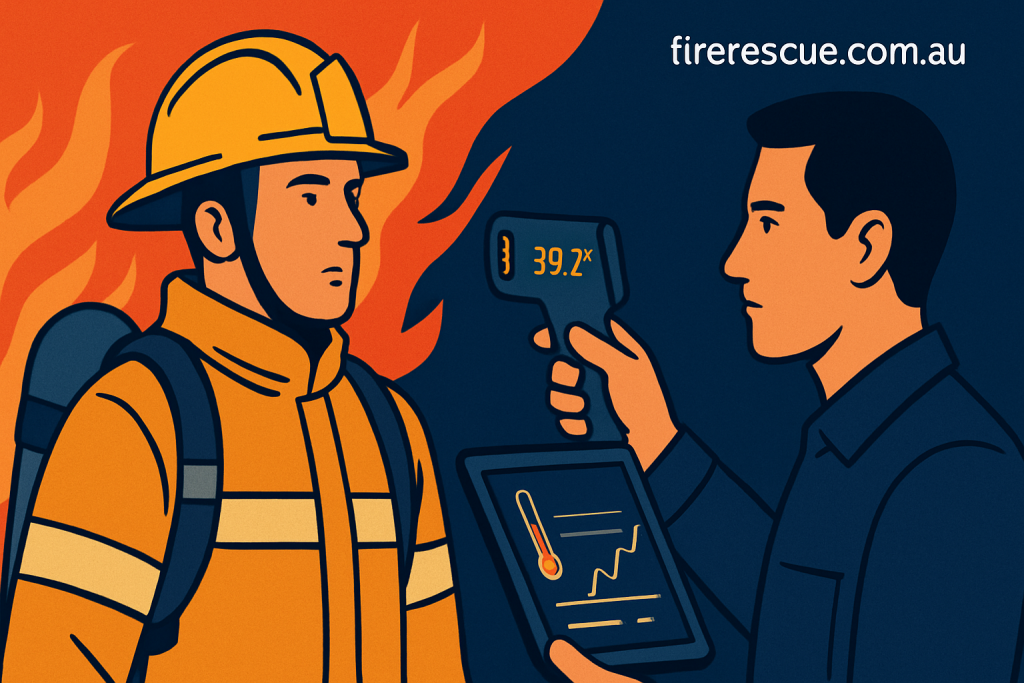
Heat stress monitoring uses wearable technology to track firefighters’ core body temperature, heart rate, and hydration levels in real time. Devices such as smart sensors embedded in helmets or vests provide command teams with live data to make informed decisions. These tools help identify who may need rest or medical attention before symptoms worsen.
Recent advances include non-invasive patches and wristbands that continuously monitor physiological signs without impeding movement. Integration with mobile apps and incident command systems allows for seamless data sharing and alerts. This level of monitoring enhances situational awareness and allows proactive management of personnel safety.
Such devices often incorporate algorithms that analyse patterns and predict when a firefighter is approaching critical heat stress thresholds, enabling preemptive action rather than reactive responses. This predictive capability is a game-changer in managing heat-related risks during dynamic fireground operations.
Environmental Assessments
Alongside individual monitoring, assessing conditions such as ambient temperature, humidity, and radiant heat contributes to understanding heat risk. This information assists in planning rotations and hydration breaks to reduce cumulative fatigue and stress.
Australian agencies often apply heat index measurements and risk matrices during large-scale fire events to allocate resources safely and efficiently. These environmental metrics help predict dangerous conditions and guide operational decisions, including when to implement additional cooling measures or modify work schedules.
Furthermore, thermal imaging cameras and drones equipped with sensors provide real-time environmental data, offering commanders a comprehensive picture of heat hotspots and potential hazards on the fireground. This technology supports dynamic risk assessments and enhances firefighter safety.
In addition, meteorological data integrated with fire behaviour models enables prediction of heat trends and risk zones, allowing pre-emptive deployment of personnel and equipment. This strategic planning reduces exposure times and optimises resource allocation in extreme heat conditions.
Practical Considerations for Fire Services
Fire and Rescue NSW, CFA in Victoria, and other state agencies have developed heat stress guidelines tailored to their operating environments. These include managing work-to-rest ratios, mandatory hydration protocols, and ensuring adequate cooling facilities at incident sites.
Supervisors play a crucial role in enforcing these measures and encouraging self-awareness among teams. Communication channels should enable quick reporting of symptoms without fear of stigma or pressure to continue working beyond safe limits.
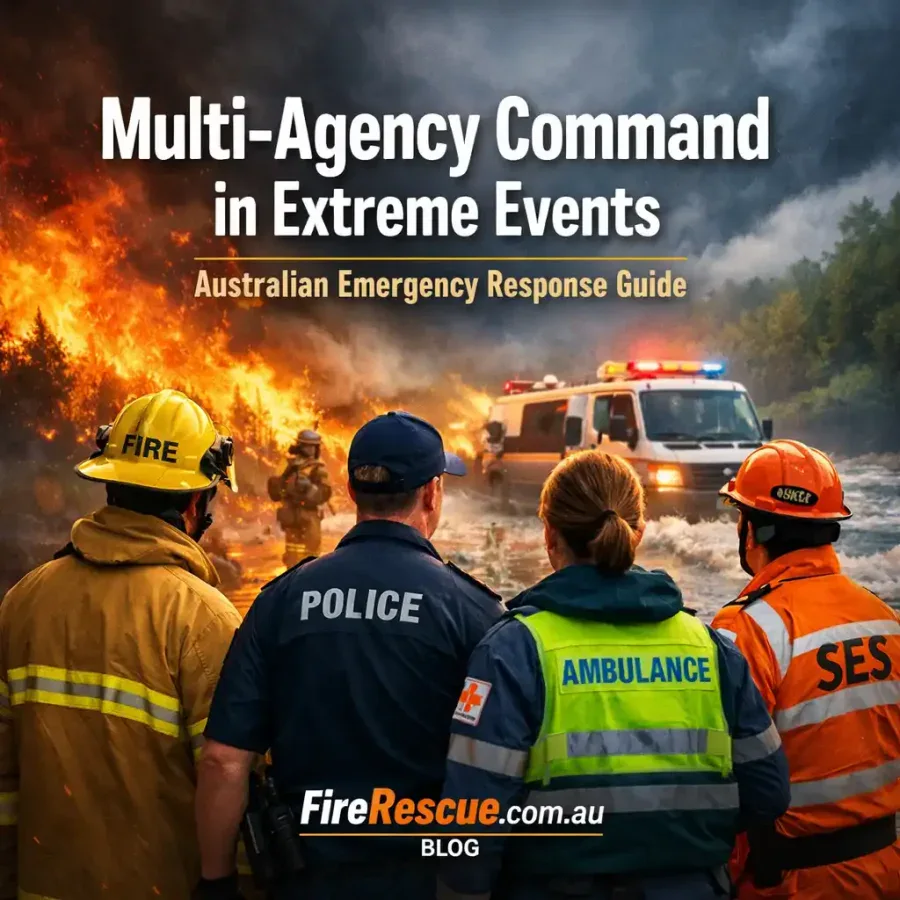
Beyond firefighting, State Emergency Service (SES) volunteers and ambulance officers often operate in extreme conditions and benefit from heat stress monitoring practices. Collaboration across agencies helps maintain consistent safety standards.
Training is another critical aspect. Fire services conduct regular heat stress awareness programs that educate personnel on recognising symptoms and using monitoring equipment effectively. These programs also cover heat acclimatisation strategies, which prepare firefighters physically and mentally for operating in high-temperature environments.
Additionally, logistics planning considers heat stress by scheduling shifts to avoid peak heat periods when possible, ensuring shade and rest areas are available, and providing cooling products such as ice vests or misting fans. These practical steps complement technological monitoring to create a holistic approach to heat management.
Mental health support is also integral to managing heat stress, as the combined physical strain and psychological pressure from operating in extreme heat can contribute to stress and fatigue. Fire services increasingly offer counselling and resilience training to help personnel cope with these challenges.
Furthermore, incorporating feedback from frontline firefighters into heat stress protocols ensures that guidelines remain practical and effective. Continuous improvement based on real-world experiences helps adapt to evolving climate conditions and operational demands.
If You Only Do Five Things
First, stay hydrated. Drinking water regularly before, during, and after shifts helps the body regulate temperature. Firefighters should carry water bottles and have access to fluids at the incident ground.
Second, recognise early symptoms of heat stress in yourself and colleagues. Feeling faint, dizzy, or nauseous means it’s time to take a break and cool down immediately.
Third, follow official agency guidance on work/rest cycles. Rotate personnel regularly to avoid prolonged heat exposure and fatigue.
Fourth, use heat stress monitoring technology where available. Trust data to help manage workloads and prevent incidents before they occur.
Fifth, call 000 in a life-threatening emergency. If someone shows signs of heat stroke or collapse, immediate medical attention is essential. Time is critical in these situations.
Implementing these five key actions consistently can significantly reduce the incidence of heat-related injuries and improve overall operational safety during emergency responses.
Who Does What in Australia
Fire/Rescue services are the frontline firefighters, trained to respond to fires, rescues, and related emergencies. They operate in urban, regional, and bushfire areas, focusing on fire suppression and community safety.
Police provide law enforcement, traffic control, and public order during emergencies. They support fire operations by securing scenes and assisting with evacuations when needed.
Ambulance services deliver medical care on scene and transport patients to hospitals. Their role includes responding to heat-related illnesses and injuries during fire or heatwave events.
State Emergency Service (SES) volunteers assist in storms, floods, and other emergencies. They also support fire agencies with logistics, rescues, and community assistance.
In any life-threatening situation, dial 000 immediately for rapid response from all essential services.
Coordination among these agencies is crucial during major incidents, with clear communication channels and defined roles to ensure efficient response and effective management of heat stress risks among all personnel involved.
Additionally, joint training exercises and interagency protocols help familiarise teams with heat stress management strategies across different services. This unified approach ensures that all responders operate under consistent safety standards, improving overall incident resilience.