FireRescue Essential
Key takeaways
An allergic reaction anaphylaxis action plan is vital for keeping people safe at home, school, work, or in the community. It sets out clear steps to recognise severe allergic reactions and respond quickly, reducing the risk of serious harm or death.
Knowing how to spot anaphylaxis, when to use an adrenaline injector, and when to call emergency services such as 000 can save lives. Australian families and workplaces should keep a printed plan accessible and review it regularly.
This guide explains how to prepare and act calmly during an allergic emergency and how Australia’s emergency services work together to support those in need.
Understanding Anaphylaxis and Allergic Reactions
An allergic reaction happens when the body’s immune system reacts to a substance that it mistakenly sees as harmful. These substances, called allergens, can include foods like nuts or shellfish, insect stings, medications, or latex. While many allergic reactions are mild, anaphylaxis is a severe, sudden life-threatening reaction that requires immediate action.
Anaphylaxis symptoms can develop quickly and include trouble breathing, swelling of the face or throat, a rapid drop in blood pressure, hives, and loss of consciousness. Time is critical. Without prompt treatment, anaphylaxis can cause death.
Because allergic reactions can escalate rapidly, having an allergic reaction anaphylaxis action plan helps everyone involved know exactly what to do. This kind of plan is a simple, clear guide that covers recognising symptoms, administering adrenaline, and calling for help.It is important to recognise that anaphylaxis can affect people differently. Some individuals may experience a rapid onset of symptoms, while others may have a more gradual progression. Understanding these variations can help responders act appropriately and avoid hesitation during an emergency.
Creating Your Allergic Reaction Anaphylaxis Action Plan
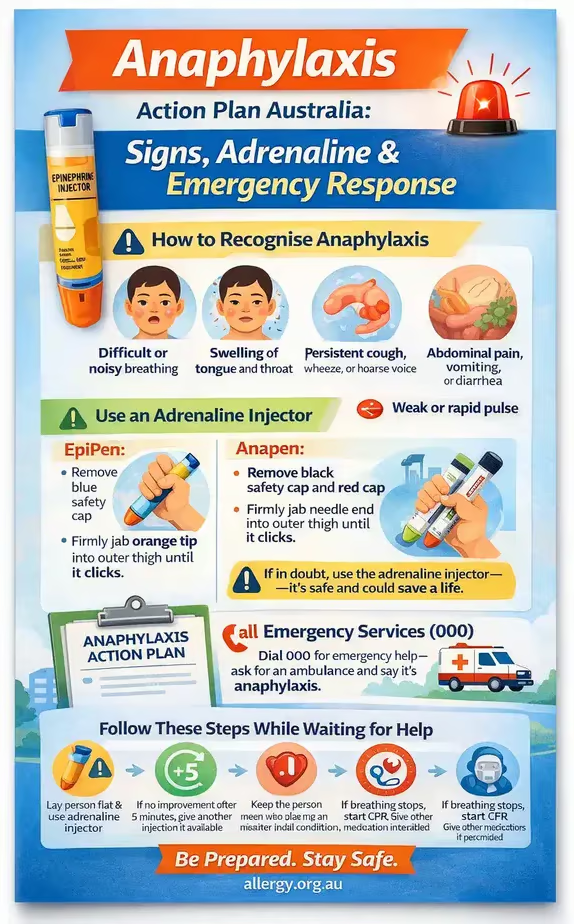
A good action plan is straightforward and easy to follow. It should list known allergens, describe typical symptoms of mild and severe reactions for the individual, and state emergency contacts. It also must include clear instructions on how and when to use an adrenaline autoinjector like an EpiPen.
It is wise to keep this plan in multiple places such as the home, workplace, school, and with caregivers. Everyone who might be caring for the person at risk should read and understand the plan. Regular training or refresher sessions can help keep confidence high in an emergency.
In Australia, the Australasian Society of Clinical Immunology and Allergy (ASCIA) provides free printable action plans tailored for children and adults. These are widely used by schools and health services. The plan includes steps for recognising symptoms, delivering adrenaline, monitoring the person, and calling 000.
When developing your plan, it’s also helpful to include information about the person’s medical history, such as other existing health conditions or medications they are taking. This information can be crucial for emergency responders to provide the best care possible.
Additionally, consider including instructions for what to do if the adrenaline autoinjector is not available or if the individual has a known allergy but has not yet experienced an anaphylactic reaction. Proactive measures can prevent emergencies and help caregivers feel prepared.
How to Act During an Anaphylaxis Emergency
Step 1: Recognise Symptoms
If someone shows signs of difficulty breathing, swelling of the face or lips, persistent cough, vomiting, or sudden weakness after exposure to a known allergen, suspect anaphylaxis immediately. Early recognition is the first lifesaving step.
Other symptoms to watch for include rapid or weak pulse, dizziness, confusion, and a sense of impending doom. Being alert to these signs can ensure faster response times.
Step 2: Use an Adrenaline Autoinjector Immediately
Inject adrenaline as soon as anaphylaxis is suspected. It is the most effective treatment to reverse symptoms. The injection should be given into the outer thigh muscle, through clothing if necessary. If symptoms don’t improve in 5 minutes, a second dose may be needed.
It is important to note that administering adrenaline is safe and should not be delayed due to fear of side effects. The benefits of prompt administration far outweigh the risks.
Step 3: Call Emergency Services on 000
Call triple zero (000) immediately after administering adrenaline. Inform the dispatcher that someone is having a severe allergic reaction and may need urgent ambulance transport. Stay on the line and follow instructions.
Providing clear and accurate information, such as the person’s age, known allergies, and current condition, helps emergency responders prepare effectively before arrival.
Step 4: Monitor Until Help Arrives
Lay the person flat and raise their legs unless breathing is difficult. Keep them calm and watch for any changes in their condition. If they lose consciousness and are not breathing normally, begin CPR if trained.
Never hesitate or delay adrenaline use. Quick action can be the difference between life and death.
It’s also advisable to note the time the adrenaline was given and inform paramedics upon their arrival. This information assists in ongoing treatment decisions.
If You Only Do Five Things
First, always keep adrenaline autoinjectors accessible and within expiry dates. Check them regularly and replace if needed. Second, educate everyone in the household or workplace to recognise anaphylaxis signs. Third, develop and display a clear allergic reaction anaphylaxis action plan where it can be easily seen by carers, family, or colleagues.
Fourth, in an emergency, use adrenaline immediately without waiting to see if symptoms get worse. Fifth, call 000 for an ambulance as soon as adrenaline is used, and never leave the person alone.
By following these five key steps, you create a safer environment and improve the chances of positive outcomes during anaphylactic emergencies.
Who Does What in Australia
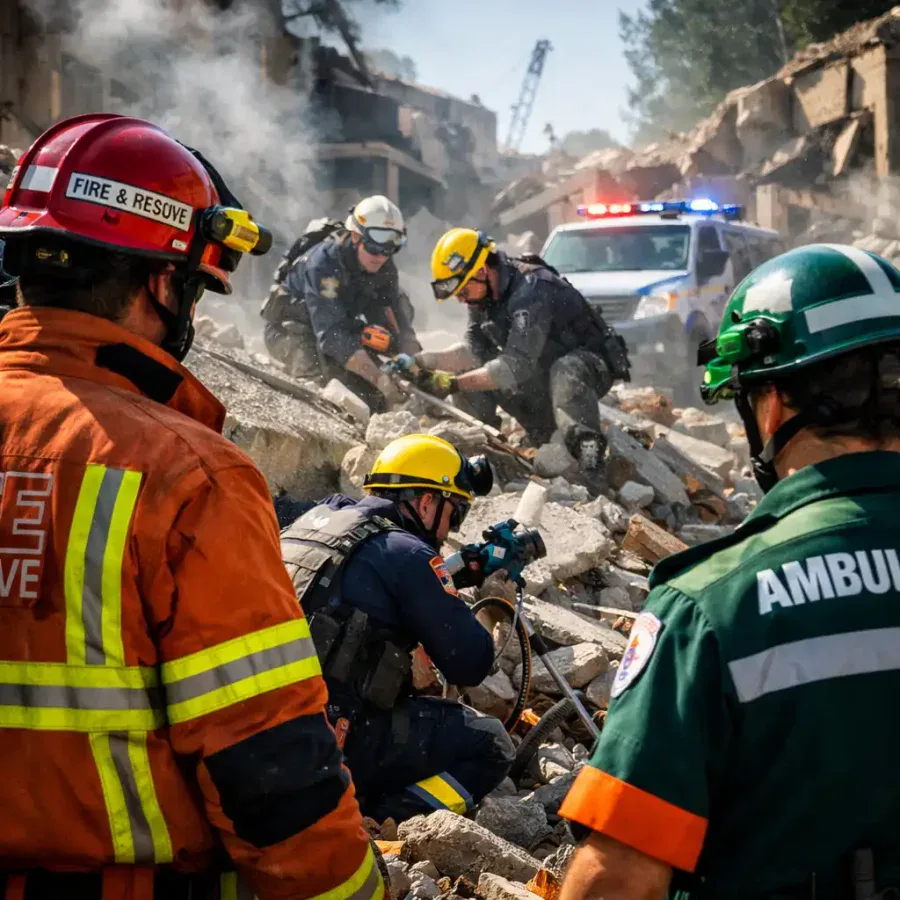
In an anaphylaxis emergency, several Australian services play vital roles. Fire and Rescue services provide essential first response and may assist in safety and rescue operations if needed. The Police assist with crowd control and support paramedics at the scene to ensure the environment remains safe.
The Ambulance service is the primary healthcare responder, providing life-saving treatment and transport to hospital. They are trained for medical emergencies including anaphylaxis. The State Emergency Service (SES) generally supports in natural disasters or infrastructure hazards but may assist during widespread emergencies.
Always call 000 in life-threatening situations. Stay calm and provide clear information about the allergic reaction and patient condition to emergency operators.
Coordination among these services ensures a comprehensive response, from initial treatment to transport and hospital care. Understanding their roles can help individuals feel more confident when seeking help during emergencies.
Additional Tips for Australian Families and Workplaces
Keep all known allergens clearly labelled or removed where possible. Schools and workplaces should have policies that support individuals with allergies, including staff trained in how to respond. Consider having regular drills or reviews of the allergic reaction anaphylaxis action plan to maintain readiness.
For those living in remote or rural areas, coordinate with local health services and emergency responders to understand the fastest way to get help. Ensure communication devices are charged and accessible.
Always follow advice from official health authorities and emergency services in your state or territory. Local alerts or warnings may affect access to emergency support during extreme weather events or fires, underscoring the importance of personal preparedness.
Furthermore, encourage open communication about allergies within communities to reduce stigma and increase awareness. This can foster supportive environments where individuals feel safe to disclose their allergies and seek help when needed.
Employers should also consider including allergy management in workplace health and safety plans. This includes providing training, ensuring easy access to emergency medication, and promoting a culture of vigilance and care.
Summary
An allergic reaction anaphylaxis action plan is a simple but essential tool that can help save lives in Australia. By understanding the signs, acting swiftly with adrenaline, calling 000, and knowing who to expect at your door, you can ensure the best possible outcome during an allergic emergency.
Regular review and clear communication of the plan at home, school, and work help everyone stay prepared. FireRescue encourages all Australians to take allergy safety seriously and follow trusted official guidelines.
Remember, preparation and knowledge are your best defence against the dangers of anaphylaxis. By being proactive and informed, you can protect yourself, your family, and your community from the potentially fatal consequences of severe allergic reactions.