SAFETY UPDATE
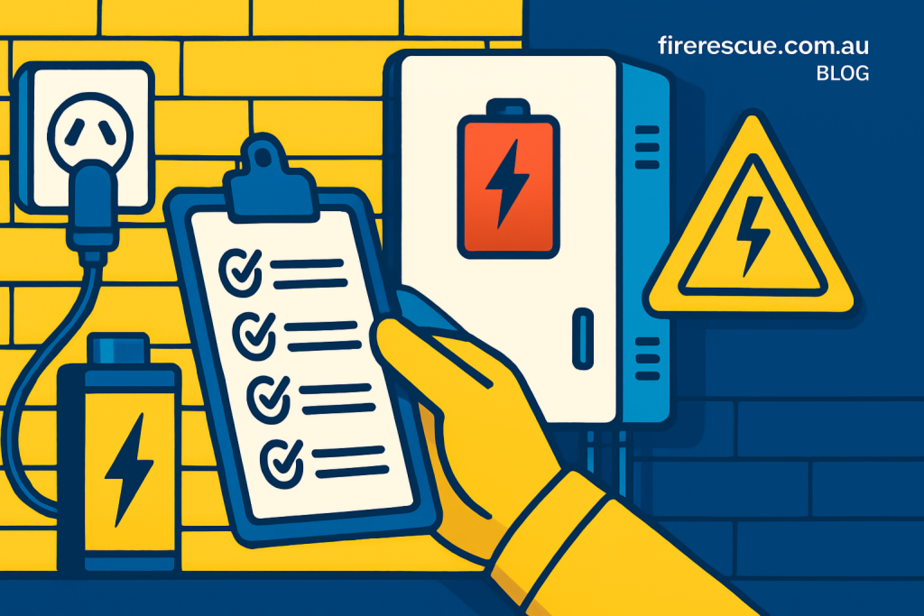
Battery Storage And Charging Safety Checklist
Batteries power everything from our mobile phones to home solar setups and electric vehicles. But without careful handling and storage, they can pose serious safety risks. This plain-English guide provides Australian homes, families and workplaces with essential do-now steps and a practical checklist for battery storage and charging safety.
Key takeaways
Proper storage and charging of batteries reduce fire and explosion risks. Use dedicated, well-ventilated, cool, and dry areas away from flammable materials. Avoid mixing old and new batteries and never charge incompatible types together.
If a battery overheats, swells, leaks or emits smoke, evacuate immediately and call 000. Fire & Rescue handle battery fires, while Police and SES focus on scene safety and evacuation. Ambulance services provide medical care if anyone is injured.
Background and context
Lithium-ion and other rechargeable batteries have revolutionised modern living, powering mobile devices, electric vehicles, power tools, and renewable energy storage. However, these batteries contain volatile chemicals and store significant energy, which under certain conditions can cause thermal runaway, leading to fires or explosions.
In Australia, fire authorities have seen an increase in battery-related incidents, often caused by improper charging, storage in unsuitable conditions, or physical damage. These incidents can be devastating, causing property damage, injury and even loss of life.
Understanding how to safely store and charge batteries, recognising early signs of trouble, and knowing who to call in an emergency are critical steps that every household and workplace should prioritise.
Plain-English safety basics for battery storage
Choose the right storage location
Select a cool, dry, and well-ventilated area for battery storage. Avoid places that can get very hot, like near heaters, radiators, or in direct sunlight, as heat accelerates degradation and increases fire risk. Do not store batteries in sealed containers where heat and gases can build up.
Keep batteries away from flammable materials
Batteries should never be stored near paper, cloth, solvents, or other combustible items. If a battery fire occurs, these materials can fuel the blaze and make it harder to control.
Prevent physical damage
Store batteries in a way that prevents them from knocking against each other or falling. Physical damage, including dents, punctures or crushing, can cause internal short circuits and increase the risk of thermal runaway.
Avoid mixing battery types and ages
Do not store or charge batteries of different chemistries, brands or ages together. Older or damaged batteries can leak or fail unexpectedly, which may impact others nearby.
Charging safety essentials
Use manufacturer-approved chargers
Always use the charger provided or recommended by the battery or device manufacturer. Avoid cheap or unapproved chargers as they may not regulate current and voltage correctly, increasing the risk of overheating.
Charge on non-flammable surfaces
Place batteries on a fire-resistant surface such as ceramic tiles or metal when charging. Avoid charging on beds, sofas, carpets or other flammable materials that can ignite if a thermal event occurs.
Never leave charging batteries unattended
Monitor batteries during charging and disconnect them once fully charged. Unattended charging increases the chance that a fault may go unnoticed until it becomes dangerous.
Recognising early warning signs
Be alert for signs that a battery may be failing or unsafe. These include excessive heat during use or charging, swelling or bulging of the battery casing, leakage of fluids, unusual smells like burning or chemical odours, and visible smoke. If you notice any of these, stop using or charging the battery immediately and move it to a safe, open area away from people and flammable materials.
What to do in an emergency
If a battery catches fire or begins to smoke, evacuate everyone from the immediate area to a safe distance. Close doors behind you if possible to slow fire spread. Call 000 immediately and inform the operator of the nature of the incident. Fire & Rescue NSW or your local fire service will attend to extinguish battery fires, which often require specialist techniques.
Police may assist with cordoning off the area and managing public safety, while the State Emergency Service (SES) can help with evacuations and securing the site if needed. Ambulance crews provide medical treatment for any injuries from smoke inhalation, burns or trauma.
Practical implications for Australian households and workplaces
For families and workers, integrating battery safety into everyday routines is vital. Regularly inspect batteries and chargers for damage, store spare batteries separately in labelled containers, and keep charging areas clear from clutter. Consider investing in smoke alarms and fire extinguishers rated for electrical fires, and ensure everyone knows basic emergency procedures.
Workplaces should have clear protocols for battery handling and charging, including staff training, risk assessments and incident response plans. Compliance with Australian Standards and local regulations helps reduce risks and liability.
As battery technology continues to evolve and become more prevalent in Australian homes and industries, staying informed about best safety practices is more important than ever. New battery chemistries and larger energy storage systems present both opportunities and challenges, making ongoing education and vigilance crucial.
Additionally, proper disposal and recycling of batteries is an essential aspect of safety and environmental responsibility. Used or damaged batteries should never be thrown in household rubbish. Instead, they should be taken to designated collection points or recycling centres to prevent environmental contamination and reduce fire risks in waste facilities.
Homeowners with solar battery storage systems should also ensure that installations comply with Australian electrical and fire safety standards. Regular maintenance checks by qualified electricians can identify potential hazards before they escalate. Moreover, understanding the specific safety features of your battery system, such as built-in thermal management and shutdown mechanisms, can help users respond appropriately to warnings or faults.
In workplaces, particularly those with large-scale battery banks or electric vehicle charging stations, risk management must include fire suppression systems designed for lithium-ion fires, personal protective equipment for staff, and clear signage indicating potential hazards. Emergency drills tailored to battery fire scenarios can improve preparedness and reduce panic in actual incidents.
Finally, fostering a culture of safety awareness around batteries involves staying up to date with recalls and safety alerts issued by manufacturers and regulators. Registering products and subscribing to relevant safety bulletins ensures timely notification of any defects or risks discovered post-sale.
By adopting these straightforward, practical safety measures and remaining vigilant, Australians can enjoy the benefits of battery-powered technology while minimising hazards to life and property. Taking the time to educate family members, colleagues and employees about battery safety can create safer environments for everyone. Remember, the key to preventing battery-related incidents lies not only in correct storage and charging but also in awareness, preparedness, and proactive response.
Expanding on the importance of battery safety, it is crucial to consider the role of emerging technologies and how they might influence risk management strategies. For instance, the rise of home energy storage systems that integrate with solar panels means that more households are managing high-capacity lithium-ion batteries on-site. This trend calls for enhanced user education on system operation, including understanding warning indicators and maintenance schedules.
Moreover, the increasing adoption of electric vehicles (EVs) introduces new challenges for charging safety, particularly in residential settings where standard power outlets may not be designed for high-current EV chargers. Ensuring that EV charging installations comply with electrical standards and are regularly inspected by qualified electricians helps mitigate risks such as electrical faults or overheating.
Community awareness campaigns and workplace safety programs can play a pivotal role in spreading knowledge about battery hazards and best practices. These initiatives might include demonstrations on proper battery handling, safe disposal methods, and emergency response drills. Engaging local fire services and safety experts in these programs can provide authoritative guidance and build public confidence.
It is also worth noting the importance of keeping batteries and charging equipment clean and free from dust or corrosion, which can interfere with electrical contacts and potentially cause malfunctions. Regular cleaning with appropriate materials and following manufacturer cleaning instructions help prolong battery life and maintain safety.
Finally, as legislation and standards evolve alongside technological advances, staying informed about new regulations is essential. Australian Standards such as AS/NZS 3000 (Electrical Installations) and guidelines issued by energy safety regulators provide frameworks for safe battery installation and operation. Consulting these resources, alongside professional advice, ensures compliance and enhances overall safety.
FireRescue Training Hub
Access practical fire and emergency study support resources, downloads, checklists, audio guides, and member-only course content.
- Course library
- PDF downloads
- Audio guides
- Checklists
Study support only. Not accredited training or a replacement for workplace procedures.
About the author and safety review
Ken Walker
Former Station Officer and fire service educator
Former career firefighter with extensive career and volunteer fire service experience.
Qualifications: Associate Diploma of Applied Science in Fire Technology; Institute of Fire Engineers studies.
Author profilehttps://www.firerescue.com.au/about-us/