SAFETY FIRST
Getting lost in the Australian bush can be a frightening experience, but knowing what to do can make all the difference. Staying calm, taking simple survival steps and alerting authorities early are key to safety. This guide covers practical actions for families, workers and anyone who ventures into remote areas.
Keep this advice handy or printed for emergencies. Follow official warnings from local Fire and Rescue, Police, SES and Ambulance services and call 000 immediately if life is at risk.
Understanding the Risks of Being Lost in the Bush
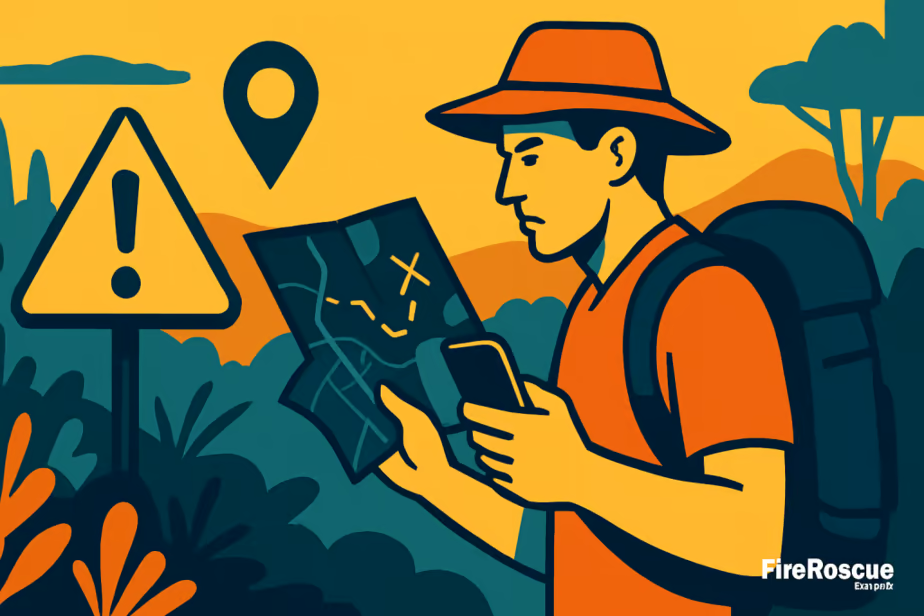
Australia’s bushland is vast and varied, ranging from dense forests to open scrub and arid regions. Getting lost can trigger dehydration, exposure to extreme weather, or injury. Wildlife encounters and the risk of bushfires add to the dangers. Awareness before and during your trip helps reduce these risks, but if lost, knowing the next steps is vital.
The Australian environment is unique in its challenges. In some areas, temperatures can fluctuate dramatically within a single day, going from scorching heat in the afternoon to near freezing at night. This can lead to heat exhaustion or hypothermia if you’re unprepared. Additionally, some parts of the bush are home to venomous snakes, spiders and insects, so caution is essential.
Why quick action matters
The longer you remain lost, the harder it becomes for search teams to find you. Emergency responders depend on timely information and a clear plan from those who get lost. Staying put rather than wandering increases your chances of rescue. Smoke, sound signals or visible markers can help rescuers spot you quicker.
It’s important to understand that search and rescue operations in Australia often cover large, remote areas with difficult terrain. The dense bush can obscure visibility, making it challenging for aerial searches. The sooner you signal your location or get in touch, the better the chances of a swift rescue.
What to Do Immediately If You Realise You Are Lost
First and foremost, stop moving and take a moment to calm your nerves. Panicking leads to poor choices and wasted energy. Try to recall landmarks or tracks you may have passed. Checking your phone for GPS signals or saved maps can help but do so sparingly to conserve battery.
Downloadable A4 Checklist
Print this and keep it somewhere visible. Tick items as you go, it helps under pressure.
If safe, stay where you are and make yourself as visible as possible by wearing bright clothing or using items that contrast with the bush. If you have a whistle, use it to make sound signals at regular intervals. Three short blasts is the international distress signal recognised by search and rescue teams.
Avoid wandering off in search of help unless you are certain of the direction to take or have the necessary navigation tools. Moving without a plan can increase your risk of injury or becoming even more lost.
Calling for help
If you have mobile phone coverage, call 000 immediately for emergencies. Provide your best estimate of your location and any injuries. If you don’t have coverage, conserve your phone battery and attempt calls occasionally from higher ground or open spaces.
If you are in a non-life-threatening situation but still lost, you can contact the local Police or State Emergency Service (SES) for assistance. SES teams are trained to assist with search and rescue in many areas of Australia.
In areas without mobile coverage, consider using a Personal Locator Beacon (PLB) or satellite communication device if you have one. These devices send distress signals directly to emergency services, greatly increasing your chances of being found quickly.
Shelter, Water, and Fire: Key Survival Priorities
Once you have alerted authorities or decided to stay put, focus on shelter and water. Australian bush can have extreme temperatures, from hot days to cold nights. Find or create a shelter using natural features like dense trees or rock overhangs to protect yourself from sun, wind, or rain.
Shelter not only protects you from weather but can also help conserve your body heat and keep insects and animals at bay. Use branches, leaves or any gear you have to insulate and shield yourself. Avoid low-lying areas that might collect cold air or be prone to flooding.
Locate water sources carefully. Natural water may be contaminated, so if you have purification tablets or can boil water safely, use them. Avoid drinking from stagnant pools. Ration your water intake but stay hydrated as best you can.
If you can safely light a fire, it serves multiple purposes. It provides warmth, a means to purify water, a signal to rescuers, and can help keep wildlife away. Always consider fire safety and local fire bans or warnings. Never leave a fire unattended and have a way to extinguish it.
Fire safety in the bush
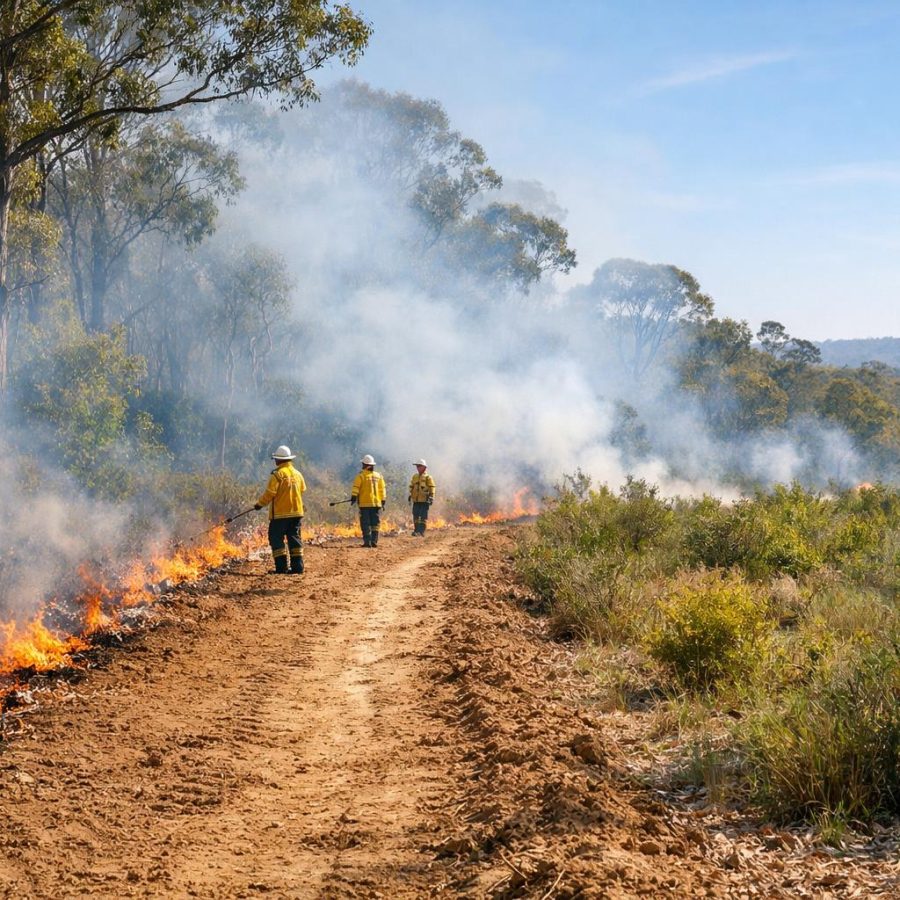
In Australia, fire conditions can change rapidly especially during the fire season. Stay informed of current bushfire warnings before heading out. If you are lost during fire danger, prioritise moving to safer open areas and follow instructions from emergency services.
If you must light a fire, choose a clear area away from dry grass, leaves or overhanging branches. Keep the fire small and manageable. Have water or soil nearby to extinguish it quickly if needed. Fire can be a lifesaver but also a hazard if not controlled.
Navigation Aids and Making Yourself Findable
If you decide to move, travel only during daylight and mark your path clearly. Use natural markers like broken branches or stacked stones to help rescuers track your movements. Avoid risky terrain such as cliffs or thick undergrowth. If you have a compass or GPS device, use it cautiously to head toward known roads or clearings.
Make noise at regular intervals and use reflective objects or bright fabrics to draw attention. If aircraft search is likely, create large ground signals visible from above by arranging logs, rocks, or digging shapes in open areas.
Remember, moving increases energy use and risk of injury. Only move if you are confident of your direction and physical ability. If you’re unsure, it is safer to stay put and wait for rescuers.
If You Only Do Five Things
First, stop and breathe. Staying calm helps you think clearly and conserve energy. Second, stay put if possible to make it easier for rescuers to find you. Third, call 000 immediately if you can and describe your situation. Fourth, find or make shelter to protect yourself from the elements. Fifth, signal your location using sound, light, or visible markers.
These simple actions dramatically improve your chances of survival and rescue. Avoid unnecessary risks and focus on maintaining your physical and mental strength.
Who Does What In Australia: Emergency Services Explained
Fire and Rescue NSW and equivalent services in other states are trained to fight fires, conduct rescues, and provide emergency medical care in bushfire and other incidents.
Police handle law enforcement, coordinate search and rescue operations, and manage the scene during emergencies.
Ambulance services provide medical care and transport to hospital for injured or sick people.
State Emergency Service (SES) supports communities during floods, storms, and assists with searches for missing persons, often working closely with Police and Fire services.
Each service plays a critical role in ensuring your safety and coordinating efforts to locate and rescue lost individuals. Understanding who to contact and what to expect can reduce anxiety during an emergency.
Preparing Before You Head Into the Bush
Prevention is always better than cure. Before venturing into bushland, inform someone of your plans including your route and expected return time. Carry a charged mobile phone, a portable charger, a detailed map, and a compass. Pack water, food, a first aid kit, and weather-appropriate clothing. Consider a personal locator beacon for remote trips.
Check local fire danger ratings and stay updated on conditions. Avoid going out when warnings are in place. Take short breaks during your walk and be mindful of your physical limits.
It is also wise to familiarise yourself with basic first aid and survival skills before your trip. Knowing how to treat minor injuries, identify edible plants, or build emergency shelters can be invaluable if you find yourself in trouble.
Always pack extra supplies than you think you need, especially water and food. Weather in the bush can be unpredictable, and delays in rescue are possible. Dress in layers and wear sturdy footwear to protect against rough terrain and insects.
Final Thoughts
Getting lost in the bush is a situation no one wants to face, but being prepared and knowing what to do ensures you can stay safe. Follow official advice, keep calm, and prioritise survival basics. Remember, services like Fire and Rescue, Police, SES and Ambulance are there to help you. Early contact and clear information will speed up your rescue and reduce risks.
Keep this guide and checklist accessible for all outdoor activities. Preparedness saves lives.
Above all, respect the Australian bush and its potential dangers. With the right knowledge and mindset, you can enjoy your time outdoors safely and confidently.
FireRescue Training Hub
Access practical fire and emergency study support resources, downloads, checklists, audio guides, and member-only course content.
- Course library
- PDF downloads
- Audio guides
- Checklists
Study support only. Not accredited training or a replacement for workplace procedures.
About the author and safety review
Ken Walker
Former Station Officer and fire service educator
Former career firefighter with extensive career and volunteer fire service experience.
Qualifications: Associate Diploma of Applied Science in Fire Technology; Institute of Fire Engineers studies.
Author profilehttps://www.firerescue.com.au/about-us/