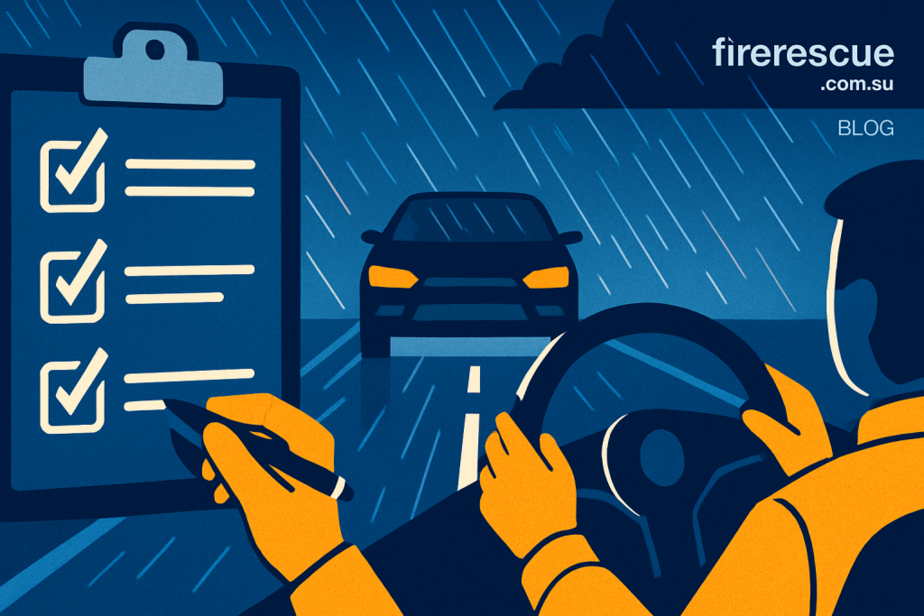
Driving in extreme rain demands extra care and preparation. This checklist helps Australian drivers stay calm and ready during heavy downpours, reducing risks on the road. Follow official advice and check local warnings before you travel.
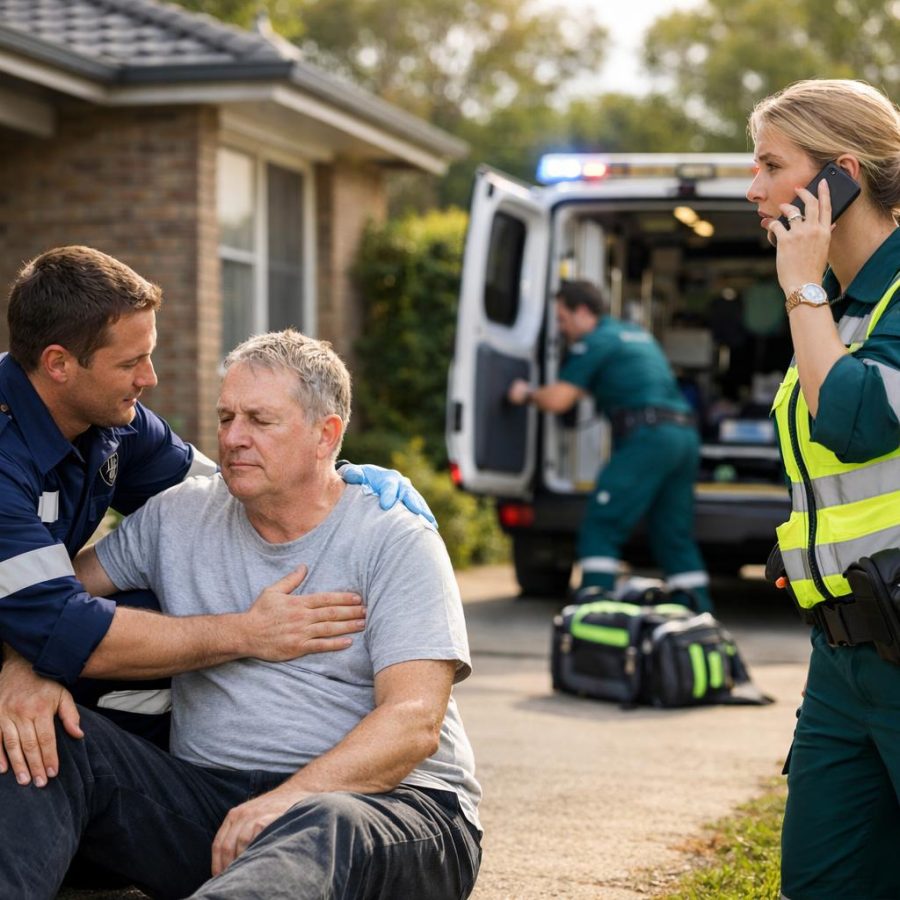
Remember, if you face life-threatening emergencies, always call 000 immediately. Services like Fire and Rescue NSW, State Emergency Service (SES), Police, and Ambulance work together to keep you safe during storms.
Understanding Extreme Rain Driving Risks
Australia’s varied climate means heavy rain can cause sudden hazards. Flooded roads, poor visibility, and slippery surfaces increase crash chances. Water can also hide dangers like debris or road damage. Driving slowly and carefully helps manage these risks and keeps you and others safe. In addition, extreme rain can lead to unexpected changes in road conditions, such as sudden pooling of water or washouts, which can catch drivers off guard. Being aware of these potential dangers and adjusting your driving accordingly is essential.
Heavy rain doesn’t just reduce visibility; it also affects the way your vehicle interacts with the road. Hydroplaning, where your tyres lose contact with the road surface due to a layer of water, can occur unexpectedly and lead to loss of control. Additionally, waterlogged soil around roadsides can cause the ground to become unstable, increasing the risk of landslides or road collapses, especially in hilly or rural areas.
Preparing Your Vehicle Before Heavy Rain
Check your tyres carefully. Worn tyres reduce grip on wet roads, increasing the chance of aquaplaning. Ensure tyre tread depth complies with Australian standards and tyre pressure is at the recommended level. Test your windscreen wipers and top up washer fluid so you can clear visibility quickly. Make sure all lights work well, especially headlights and brake lights, to see and be seen. Additionally, inspect your vehicle’s brakes and suspension system regularly, as these components are critical for safe handling in wet conditions. Clean your headlights and taillights to maximize visibility during heavy rain and fog. Keep an eye on your vehicle’s battery and electrical systems, as damp conditions can sometimes affect their performance.
Before the wet season, consider having a professional vehicle safety check to identify any potential issues that could be exacerbated by heavy rain. This includes checking brake pads, fluid levels, and the condition of your exhaust system to prevent moisture-related problems. It’s also wise to ensure your car’s air conditioning and heating systems are functioning properly to keep the windows clear of fog during rain.
Downloadable A4 Checklist
Print this and keep it somewhere visible. Tick items as you go, it helps under pressure.
Emergency kit essentials
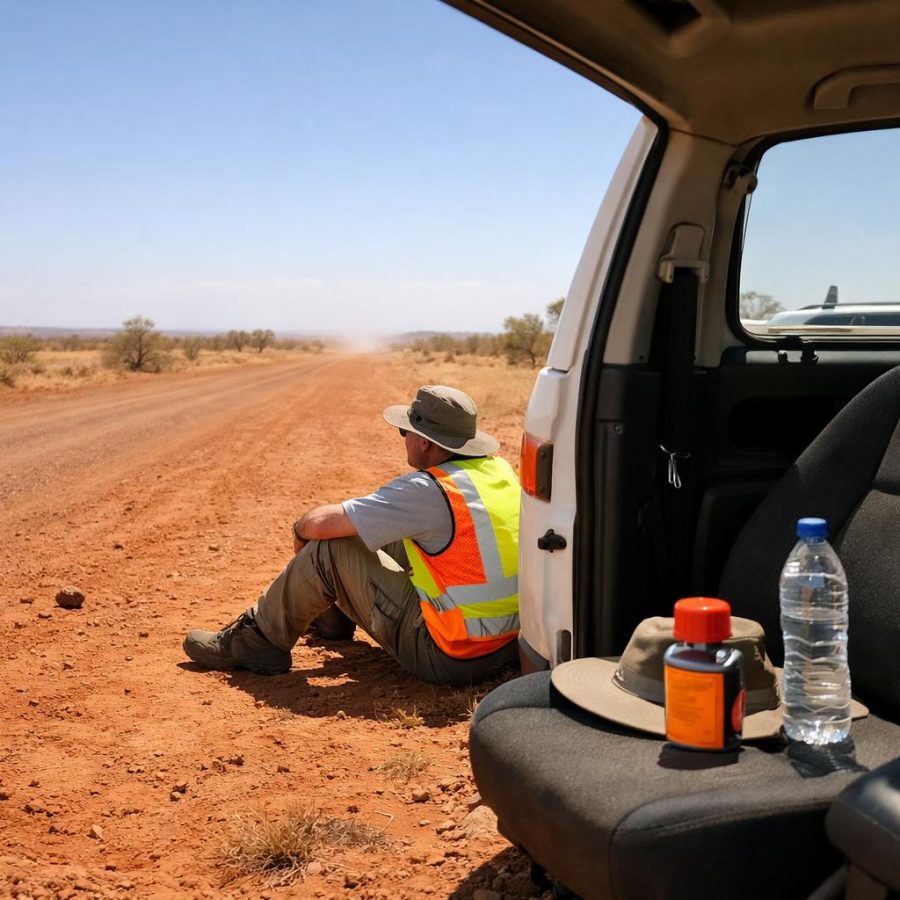
Carry a basic emergency kit including a torch, a charged mobile phone, jumper cables, and a first-aid kit. Include a raincoat, non-slip gloves, and some bottled water. In case you get stuck, these items can make a big difference while you wait for help. Consider adding a reflective vest or warning triangles to alert other drivers if you must stop on the roadside. A portable phone charger or power bank can also be invaluable if you need to call for assistance and your vehicle’s power is compromised.
Additional useful items include a small shovel and absorbent cloths to help if you need to clear mud or water from your vehicle’s path or tires. If you often travel in remote areas, a satellite phone or emergency beacon can provide extra security. Keeping a list of emergency contacts and your vehicle’s insurance and registration details in a waterproof folder can save time during a crisis.
Safe Driving Practices During Extreme Rain
Slow down and maintain a larger distance from vehicles ahead. Wet roads greatly increase stopping distances. Use low beam headlights to improve your visibility without blinding other drivers. Avoid sudden steering or braking moves; smooth control is key. Stay alert for flooded sections or debris washed onto the road, and never attempt to cross fast-flowing water. It’s also important to be mindful of larger vehicles like trucks and buses, which can create spray that further reduces visibility. When overtaking or being overtaken, exercise extra caution. Avoid using cruise control in wet conditions as it can reduce your ability to respond quickly to hazards.
When driving through heavy rain, keep your hands firmly on the wheel and anticipate the actions of other drivers who may be struggling with the conditions. Be patient and resist the urge to make risky maneuvers. If visibility drops significantly, consider pulling over safely until conditions improve. Always use your indicators well in advance to communicate your intentions clearly to other road users.
What to do if you hydroplane
If your vehicle starts to hydroplane, do not brake hard. Ease off the accelerator and steer gently in the direction you want to go. Regaining control smoothly is safer than abrupt actions. Avoid sudden turns or overcorrecting, as these can cause loss of control. If you feel your vehicle is losing traction, try to remain calm and let the tyres regain contact with the road surface naturally.
If hydroplaning occurs, once control is regained, gradually reduce your speed to prevent recurrence. Avoid driving through puddles or standing water that may be deeper than anticipated. Staying informed about road conditions and avoiding known hazardous areas during heavy rain can reduce the likelihood of hydroplaning.
Planning Your Route and Staying Informed
Before heading out, check Bureau of Meteorology updates and listen to local radio or traffic alerts. Some roads may be closed due to flooding or damage. Use navigation apps that provide real-time road conditions. Adjust your travel time to avoid the worst weather if possible. Consider alternative routes that avoid flood-prone areas or low-lying roads. Planning for extra travel time can reduce stress and allow for safer driving at reduced speeds. Inform someone of your travel plans and expected arrival time, especially when travelling through remote or hazardous areas.
Additionally, be aware of local flood evacuation routes and emergency shelters in case you need to divert unexpectedly. Keep your vehicle’s fuel tank at least half full to avoid running out of fuel if delays occur. Monitor social media channels and community alerts for the latest updates on road closures and weather conditions during your journey.
When to delay or cancel your trip
If heavy rain warnings or flood alerts are active for your area, consider postponing your journey. It is safer to wait than risk driving in dangerous conditions. Follow official advice from SES, Police, and Fire Rescue NSW. Sometimes, the best decision is to seek shelter and avoid travel altogether until conditions improve. Remember that flash floods can occur quickly, even if the rain has eased, so stay updated continuously. If you must travel, let someone know your route and check in regularly.
In cases where travel is unavoidable, prepare for longer travel times and possible detours. Avoid travelling at night when visibility is further reduced. If you encounter a flooded road, never attempt to drive through it regardless of how shallow it appears. The road beneath may be damaged or washed away, and the water’s force can sweep your vehicle away. Always seek a safer alternative route and report hazardous road conditions to local authorities.
If You Only Do Five Things
First, always check weather updates and official road condition warnings before you leave. Second, ensure your vehicle’s tyres and wipers are in good condition to handle wet roads and poor visibility. Third, reduce speed and increase following distance to allow safe stopping. Fourth, avoid driving through any water crossing where the depth or flow is uncertain. And fifth, if you feel unsafe at any time, pull over somewhere safe and wait for conditions to improve. Following these simple but vital steps can save lives and prevent accidents during extreme rain events.
Emphasising these five actions can make a significant difference in your safety and that of other road users. Preparation, caution, and responsiveness are key to navigating Australia’s extreme rain conditions successfully.
Who does what in Australia
Fire and Rescue services respond to fires, road crashes, and some flood rescues. They help protect lives and property during emergencies. Their crews are trained to deal with a wide range of situations including vehicle extrications and hazardous material incidents.
The State Emergency Service (SES) focuses on flood rescue, storm damage, and assisting with evacuations during severe weather. They coordinate community warnings and provide practical support such as sandbagging and clearing debris.
Police manage traffic safety, coordinate emergency responses, and enforce road rules during dangerous conditions. They also help with road closures and directing motorists away from hazardous areas.
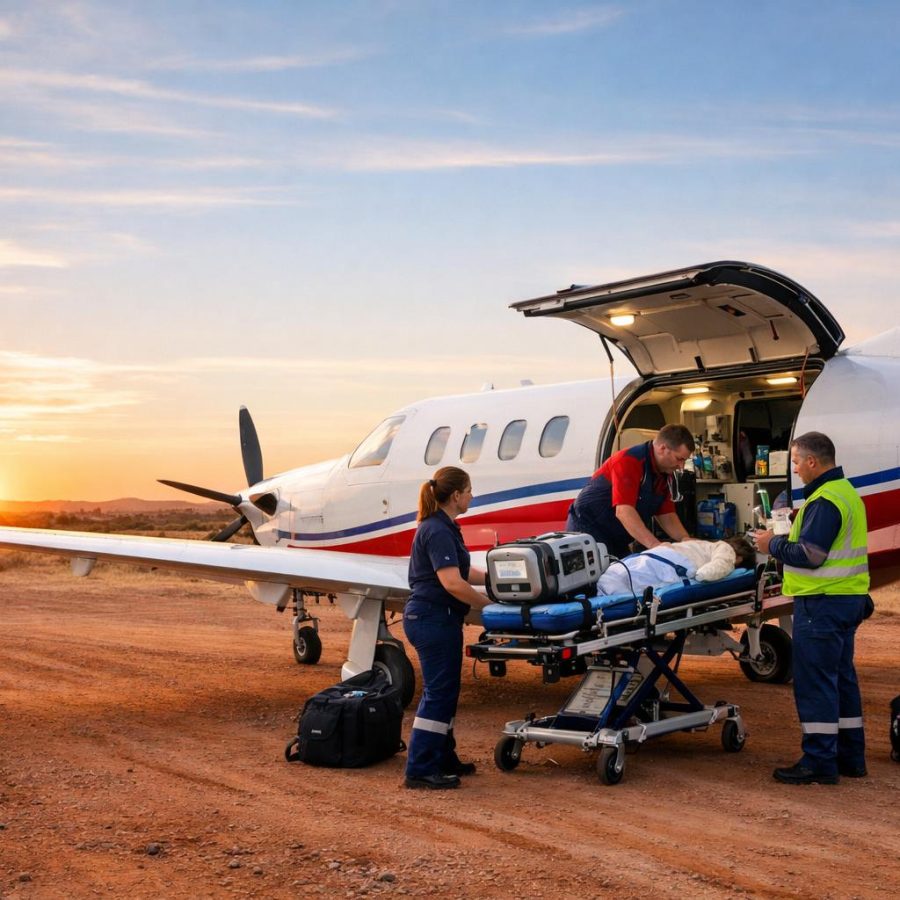
Ambulance services provide emergency medical assistance and transport to hospital when injuries occur. Paramedics are often the first medical professionals on scene during road incidents.
In any life-threatening emergency, dial 000 immediately.
FireRescue Training Hub
Access practical fire and emergency study support resources, downloads, checklists, audio guides, and member-only course content.
- Course library
- PDF downloads
- Audio guides
- Checklists
Study support only. Not accredited training or a replacement for workplace procedures.
About the author and safety review
Ken Walker
Former Station Officer and fire service educator
Former career firefighter with extensive career and volunteer fire service experience.
Qualifications: Associate Diploma of Applied Science in Fire Technology; Institute of Fire Engineers studies.
Author profilehttps://www.firerescue.com.au/about-us/