Fire Safety & Training
Key takeaways
Fire safety training in Australia is delivered through a network of specialised organisations offering tailored courses to meet diverse needs, from workplace compliance to community education.
Flexibility in delivery modes, including online and practical sessions, ensures greater accessibility, while initiatives targeting high-risk groups and young children complement workplace training.
National coordination between emergency services, training providers, and meteorological agencies supports a holistic approach to fire prevention, preparedness, and response.
Background and context
Australia’s vulnerability to fire incidents, both in urban workplaces and rural communities, underscores the importance of effective fire safety training and preparedness. National standards require workplaces to maintain fire safety compliance through accredited training, while broader public education efforts work to reduce fire-related harm across all demographics. Several organisations contribute to this landscape by delivering specialised courses, resources, and initiatives tailored to different sectors and risk profiles.
The increasing frequency and severity of bushfires in recent years have amplified public awareness of fire risks and the critical need for comprehensive fire safety strategies. This evolving landscape requires continuous adaptation of training content and delivery methods to effectively address emerging challenges. Moreover, climate change projections indicate a heightened fire danger in many regions, reinforcing the necessity for ongoing education and preparedness efforts.
Diverse training providers enhancing fire safety
DELTRA Australia: Flexible learning for workplace preparedness
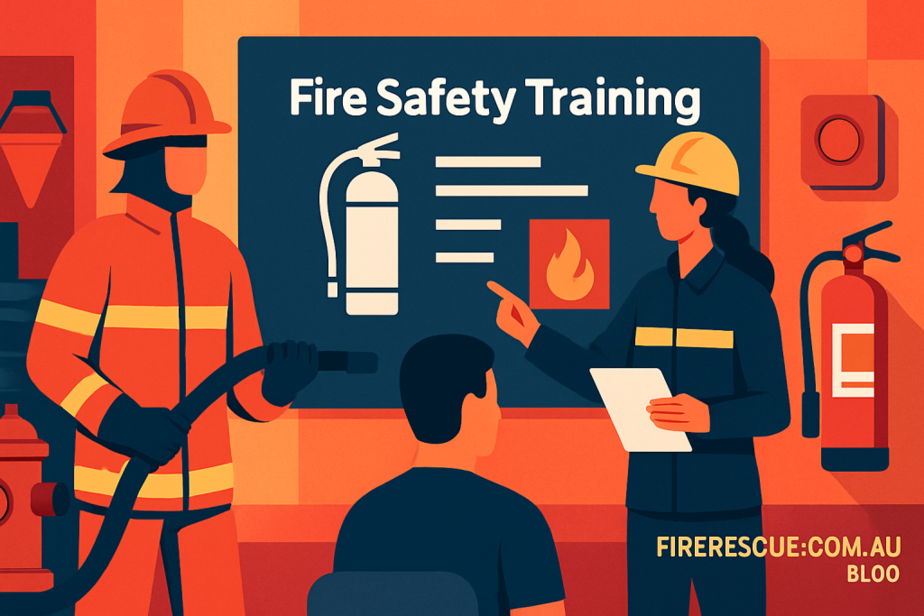
DELTRA Australia offers a comprehensive range of fire safety courses designed for workplace environments, including fire warden training and emergency response. Their blend of online and classroom training options provides accessibility and convenience for participants across the country. This flexibility ensures that organisations can tailor programs to their operational needs while maintaining compliance with national safety standards. DELTRA’s emphasis on practical skills and scenario-based learning supports effective emergency response and risk mitigation in workplaces (DELTRA Australia).
The adaptability of DELTRA’s training programs is particularly valuable for industries with varying operational schedules and workforce locations, such as mining, manufacturing, and hospitality. By incorporating real-life scenarios and risk assessments into their curriculum, DELTRA fosters critical thinking and preparedness among participants, enhancing their ability to respond calmly and effectively during fire emergencies.
Messana Group: Practical emergency management training
Specialising in emergency management, the Messana Group delivers practical training sessions that cover fire safety, evacuation planning, and crisis coordination. Operating throughout Australia and New Zealand, their courses emphasise hands-on learning and real-world application. This approach is critical for equipping emergency responders, workplace safety officers, and community leaders with the skills needed to handle complex fire incidents effectively.
Messana Group’s training incorporates the latest industry standards and technological advancements, such as the use of simulation tools and incident command systems. Their emphasis on leadership and communication during emergencies prepares participants to coordinate multi-agency responses, ensuring smooth collaboration under pressure. This is especially important in large-scale fire events where timely decision-making can save lives and property.
Fire Industry Academy: Pathways into fire protection careers
For those seeking careers in fire protection, the Fire Industry Academy provides accredited qualifications such as Certificate II and III in Fire Protection Inspection and Testing. These courses prepare individuals for roles in inspection, maintenance, and testing of fire safety systems, a crucial component of fire prevention strategies. The academy’s focus on industry-relevant competencies supports workforce development and ensures that fire protection services meet regulatory standards (Fire Industry Academy).
Beyond technical skills, the Fire Industry Academy encourages students to develop a strong understanding of fire safety legislation, risk management principles, and ethical responsibilities. This holistic approach equips graduates to contribute meaningfully to fire safety culture within their workplaces and communities. The academy also fosters partnerships with industry stakeholders to ensure training remains aligned with evolving regulatory requirements and technological innovations.
Fire Safety Australia: Nationwide course offerings
Fire Safety Australia delivers over 80 courses nationally, covering a wide spectrum of fire safety topics. Their commitment to quality training and customer service helps organisations across sectors enhance fire preparedness. By catering to different skill levels and operational contexts, Fire Safety Australia plays a key role in raising the baseline of fire safety knowledge and capability.
Their diverse curriculum includes courses on fire extinguisher use, fire alarm systems, emergency evacuation, and high-risk environment protocols. Fire Safety Australia also provides customised training packages for specific industries such as healthcare, education, and construction, recognising the unique fire risks within each sector. This sector-specific focus ensures that training is relevant and immediately applicable.
FireReady Australia: Site-specific and compliance-focused training
FireReady Australia specialises in site-specific fire safety training, emergency planning, and compliance services. Their team comprises qualified consultants and experienced emergency responders who deliver tailored programs aligned with client needs. This customised approach ensures that fire safety measures are practical, relevant, and effective within particular workplace environments.
FireReady Australia’s consultancy services extend beyond training to include fire risk assessments, emergency response plan development, and compliance audits. By integrating these services, organisations can proactively identify vulnerabilities and implement corrective actions before incidents occur. Their collaborative approach involves engaging with management and staff to embed a culture of safety throughout the organisation.
Community engagement and public education
CFA Victoria: E-learning for high-risk individuals
The Country Fire Authority (CFA) in Victoria has developed e-learning modules aimed at improving home fire safety awareness, especially for people at higher risk such as older adults or those with mobility challenges. These accessible online resources provide practical advice on fire prevention, detection, and emergency response, contributing to safer households and reduced fire incidents.
CFA’s e-learning platform also includes interactive elements such as quizzes and scenario-based exercises, which enhance engagement and knowledge retention. The organisation regularly updates content to reflect emerging risks and feedback from users, ensuring the resources remain relevant and effective. Partnerships with community groups help promote these tools to reach vulnerable populations.
Fire and Rescue NSW: Educational programs for children
Fire and Rescue NSW runs the Fire Ed program, which targets young children to reduce fire-related tragedies. The initiative focuses on age-appropriate education about fire hazards and safe behaviours, helping establish fire safety awareness from an early age. Such programs complement broader training efforts by fostering a culture of safety in the community.
The Fire Ed program employs creative teaching methods, including storytelling, role-playing, and interactive demonstrations, to engage children effectively. Schools and community centres often collaborate with Fire and Rescue NSW to facilitate workshops and events. Early education is particularly important as children can act as fire safety ambassadors within their families, spreading vital knowledge.
Meteorological support: Fire weather services
An essential element of fire safety is timely and accurate weather information. The Bureau of Meteorology provides fire weather services including warnings and danger ratings that inform fire risk assessments and preparedness activities. These meteorological inputs support emergency services and organisations in planning and response measures, helping mitigate fire impacts across Australia.
The Bureau’s fire weather forecasts incorporate data on temperature, humidity, wind speed and direction, and fuel dryness to generate comprehensive risk profiles. These forecasts are disseminated through multiple channels such as websites, mobile alerts, and media briefings to reach diverse audiences. Collaboration with fire agencies ensures that meteorological insights are integrated into operational decision-making during fire seasons.
Practical implications for organisations and individuals
Workplaces must ensure their employees participate in accredited fire safety training tailored to their operational risks. Utilising providers like DELTRA Australia or FireReady Australia can help meet compliance requirements while fostering a safety-first culture. Simultaneously, organisations should consider integrating practical emergency management training and specialised fire protection courses to build comprehensive readiness.
Beyond formal training, organisations are encouraged to conduct regular fire drills and emergency response exercises. These activities reinforce learned skills, identify potential gaps in preparedness, and promote confidence among staff. Establishing clear communication protocols and roles during emergencies further enhances organisational resilience.
For community members, engaging with public education resources such as CFA’s e-learning modules or Fire and Rescue NSW’s Fire Ed program can significantly improve fire safety awareness at home and in schools. Staying informed about fire weather warnings from the Bureau of Meteorology further supports proactive risk management.
Individuals should also undertake personal fire safety measures, including installing and maintaining smoke alarms, preparing evacuation plans, and safely storing flammable materials. Community preparedness initiatives, such as neighbourhood fireguard groups, provide opportunities to collaborate on reducing fire risks locally.
In the event of a fire emergency, Australians should remember to call 000 immediately. Fire and Rescue services respond to fire incidents and emergencies, while police provide law enforcement and traffic management, ambulance services offer medical aid, and the State Emergency Service (SES) assists with flood, storm, and rescue operations. Knowing these roles ensures appropriate and timely emergency responses.
Effective emergency response also depends on community cooperation, such as following evacuation orders promptly and providing accurate information to responders. Public awareness campaigns regularly emphasise the importance of preparedness and vigilance during fire seasons.
What to do now
Organisations should review their current fire safety training programs and explore accredited providers offering flexible delivery options. Individuals and families can benefit from accessing community education resources online to bolster home fire safety practices. Regularly monitoring fire danger ratings and warnings from the Bureau of Meteorology will help anticipate and prepare for elevated fire risks.
Engaging with local fire services and community groups can enhance knowledge sharing and support networks. Participating in workshops, volunteering opportunities, or public events promotes a collective approach to fire safety and resilience.
Being well-informed and trained is an essential step towards reducing fire-related harm and improving emergency outcomes across Australia. Through coordinated efforts involving government agencies, training providers, emergency services, and communities, Australia can continue to strengthen its fire safety culture and preparedness for years to come.
FireRescue Training Hub
Access practical fire and emergency study support resources, downloads, checklists, audio guides, and member-only course content.
- Course library
- PDF downloads
- Audio guides
- Checklists
Study support only. Not accredited training or a replacement for workplace procedures.
About the author and safety review
Ken Walker
Former Station Officer and fire service educator
Former career firefighter with extensive career and volunteer fire service experience.
Qualifications: Associate Diploma of Applied Science in Fire Technology; Institute of Fire Engineers studies.
Author profilehttps://www.firerescue.com.au/about-us/