FireRescue Insights
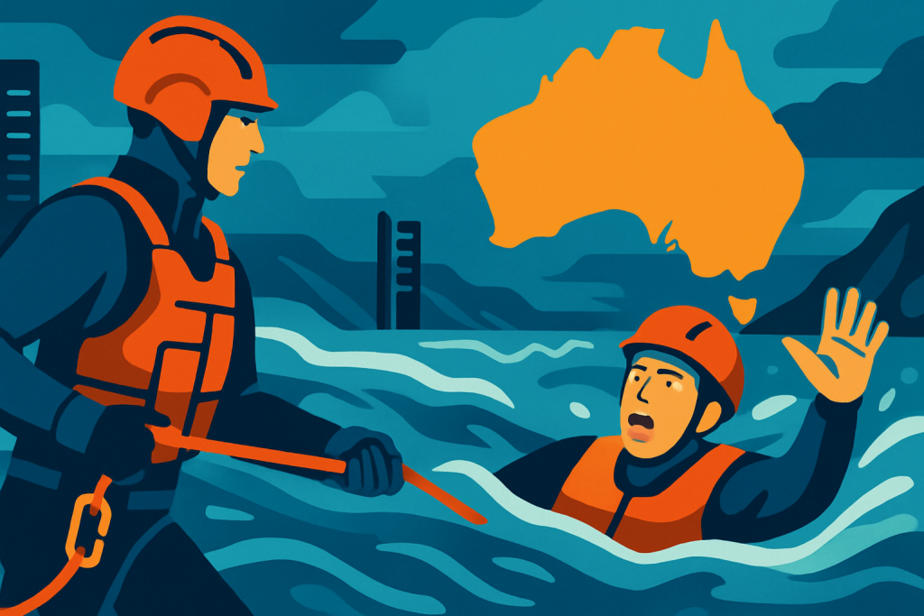
Swiftwater rescue operations are among the most challenging emergency responses, demanding careful planning and awareness. Key survivability factors include understanding water dynamics, wearing appropriate protective gear, and knowing swiftwater hazards.
In Australia, coordination between Fire/Rescue, Police, SES, and Ambulance services is vital for effective response. This article explores the factors influencing survivability during swiftwater rescue and provides practical guidance for emergency workers and the community.
Key Takeaways
Survivability in swiftwater rescues depends heavily on preparation, understanding water conditions, and using the right equipment. Training that mimics real-life conditions improves decision-making and safety.
Collaborative efforts between Australian emergency services, supported by clear communication and local knowledge, enhance rescue outcomes. Always call 000 for emergencies requiring swiftwater rescue intervention.
Understanding Swiftwater Rescue Survivability Factors
Swiftwater rescue refers to the recovery or assistance of people caught in fast-moving water hazards such as floods, rivers, or coastal currents. Survivability factors are the conditions and practices that influence if someone can survive or be safely rescued from such dangers.
Water Conditions and Hazards
The speed, depth, temperature, and debris in the water significantly affect survivability. Fast currents can sweep people away quickly, while cold water increases the risk of hypothermia. Debris such as branches or rubbish can cause injury or entrapment. Understanding river hydrology and local water behaviours is crucial for responders and anyone near floodwaters.
In addition to natural hazards, man-made structures like dams, weirs, and culverts can create dangerous hydraulic conditions. These may include recirculating currents known as “holes” that trap objects and people underwater. Awareness of these features helps rescuers plan safer approaches and avoid becoming victims themselves.
Another critical hazard is the presence of strainers—objects like fallen trees or fences that allow water to pass through but can trap a person. Strainers pose a significant entrapment risk and require careful assessment before attempting rescue. Swiftwater rescue teams must be trained to identify and manage these hazards effectively.
Protective Equipment and Training
Personal flotation devices (PFDs) are vital; they keep victims afloat and reduce drowning risks. Rescuers must wear helmets, wetsuits or dry suits, and secure footwear. Comprehensive training on swiftwater navigation, self-rescue techniques and patient handling improves chances of success and safety during operations.
An often overlooked aspect is the importance of communication equipment that functions reliably in wet conditions. Waterproof radios and signaling devices ensure teams can coordinate in complex environments. Practicing rescue drills that incorporate equipment failure scenarios prepares responders for real-life challenges.
Moreover, the integration of technology such as GPS tracking and thermal imaging cameras enhances victim location and team safety. These modern tools, combined with traditional rescue skills, create a more robust response capability in swiftwater environments.
Environmental and Situational Awareness
Knowing the weather forecast, recent rainfall, and flood warnings helps predict water conditions and potential risks. Responders must monitor rising water levels and changes in flow patterns. Applying local knowledge of waterways, including known hazards such as undercut banks or submerged structures, supports safer rescue planning.
Seasonal variations also influence rescue strategies. For example, during the Australian wet season in northern regions, water levels can rise rapidly, causing flash floods. In contrast, southern areas may experience prolonged flooding from sustained rainfall. Tailoring response plans to regional climate patterns enhances effectiveness.
Additionally, understanding tidal influences in coastal areas is essential. Swiftwater conditions near estuaries or river mouths can be affected by tides, creating complex currents that challenge rescue efforts. Responders should incorporate tidal data into their operational planning.
Roles of Australian Emergency Services in Swiftwater Rescue
In Australia, swiftwater rescues involve coordinated efforts among several agencies. Fire and Rescue NSW, along with their counterparts in other states, often lead in-water rescue and technical operations. They have specialist teams trained specifically for swiftwater environments.
The SES (State Emergency Service) supports flood response with local knowledge and helps with evacuations and initial assessments. Police assist with scene control, road closures, and public safety messaging. Ambulance services provide immediate medical care and transport for rescued persons.
Cooperation between these agencies is managed through established incident command systems, ensuring clear roles and responsibilities. Joint training exercises and communication protocols enable seamless operations during emergencies.
Community volunteers and local indigenous groups sometimes provide essential support through their intimate knowledge of the terrain and waterways, assisting responders in locating victims and hazards.
Inter-agency collaboration extends beyond immediate rescue efforts to include post-incident recovery and community education, ensuring lessons learned improve future responses and resilience.
If you or someone else is in immediate danger in flood or swiftwater conditions, call 000 without delay. Follow official warnings and instructions from these agencies to stay safe.
Swiftwater Rescue Survivability Factors
The chart highlights one of the clearest documented flood-fatality risks in Australia: entering floodwater in a vehicle.
flood fatalities
Training and Preparation for Swiftwater Rescue
Regular training in swiftwater rescue techniques is essential for emergency responders. Skills include how to approach victims safely, manage rescue equipment, and perform self-rescue to avoid becoming a casualty. Training often occurs in controlled environments simulating real conditions to build confidence and muscle memory.
Training also encompasses risk assessment and decision-making under pressure, helping responders evaluate when to enter the water and when to use alternative rescue methods such as rope systems or boats. These decisions can be life-saving.
Community education is equally important. Australians living near flood-prone rivers or coastal areas should understand the dangers of entering floodwaters and know the basics of calling for help. Public awareness campaigns from SES and Fire/Rescue NSW provide valuable information.
Many communities participate in flood preparedness programs that teach evacuation routes, emergency kit preparation, and communication plans. These initiatives reduce panic and improve survivability during swiftwater incidents.
Specialised courses for swiftwater rescue technicians include advanced skills such as underwater search techniques, high-angle rope rescue, and the use of inflatable rescue boats. These trainings are crucial for dealing with complex rescue scenarios encountered in Australia’s diverse waterways.
Furthermore, psychological preparedness and stress management are integrated into training programs to help responders maintain focus and composure during high-stress swiftwater operations.
Environmental Factors Influencing Survivability
Temperature plays a major role; cold water rapidly reduces body temperature, risking hypothermia which can impair motor skills and judgement. Floodwaters often carry contaminants and bacteria, potentially causing infections if injured.
Visibility is often limited due to murky water, making search and rescue operations more difficult and increasing risks. Rapidly changing weather conditions might also impact both victims and rescuers during a mission.
Additionally, the presence of wildlife such as snakes or insects in flood-affected areas can pose secondary threats. Rescuers must be vigilant and take precautions to avoid bites or stings that could complicate rescue efforts.
Environmental noise, like rushing water and wind, can hamper communication and victim location, so teams use specialized equipment and signals to overcome these challenges.
Furthermore, the terrain surrounding swiftwater sites can influence rescue difficulty. Steep banks, slippery rocks, and dense vegetation may hinder access and egress, requiring responders to adapt their strategies accordingly.
Floodwaters also often carry chemical pollutants from urban or agricultural runoff, posing additional health risks that rescuers must consider when planning operations and providing post-rescue care.
If You Only Do Five Things for Swiftwater Rescue Survivability
First, never enter floodwaters unless absolutely necessary and trained. The current can be deadly, and hidden hazards abound.
Second, wear a properly fitted personal flotation device whenever near swiftwater environments to improve buoyancy and reduce drowning risk.
Third, learn basic self-rescue techniques to help maintain control if swept into water, such as floating on your back with feet downstream to avoid obstacles.
Fourth, stay informed by monitoring local weather updates and flood warnings issued by the Bureau of Meteorology and SES.
Fifth, call 000 immediately in emergencies. Early notification ensures rapid arrival of trained emergency services to manage swiftwater rescue safely.
Additionally, always inform someone of your plans if you intend to be near swiftwater areas and avoid travelling alone. Having a communication device on hand and knowing your location can expedite rescue if needed.
Who Does What in Australia
Fire and Rescue services across Australian states lead technical rescues including swiftwater operations. Their teams have specialist training and equipment designed for fast-moving water emergencies.
Policing agencies manage public safety around incident scenes, coordinating traffic and crowd control to safeguard responders and the public alike.
The State Emergency Service (SES) supports with flood warnings, evacuations, damage assessments, and community education about flood safety.
Ambulance services provide crucial medical support, offering first aid and transporting injured persons to hospitals following rescue efforts.
Remember to always call 000 in life-threatening swiftwater emergencies.
Beyond emergency response, these agencies engage in ongoing public awareness campaigns, community training sessions, and infrastructure planning to reduce the impact of swiftwater hazards.
FireRescue Training Hub
Access practical fire and emergency study support resources, downloads, checklists, audio guides, and member-only course content.
- Course library
- PDF downloads
- Audio guides
- Checklists
Study support only. Not accredited training or a replacement for workplace procedures.
About the author and safety review
Ken Walker
Former Station Officer and fire service educator
Former career firefighter with extensive career and volunteer fire service experience.
Qualifications: Associate Diploma of Applied Science in Fire Technology; Institute of Fire Engineers studies.
Author profilehttps://www.firerescue.com.au/about-us/