Burns First Aid Australia
Key Takeaways
When dealing with burns, acting quickly and calmly with the correct first aid steps can reduce pain and lower the risk of complications. Always cool the burn immediately with running water and avoid applying ice or creams that can worsen the injury.
For serious burns, seek professional medical help without delay. Follow advice from recognised Australian health authorities and always stay informed about local conditions and emergency updates.
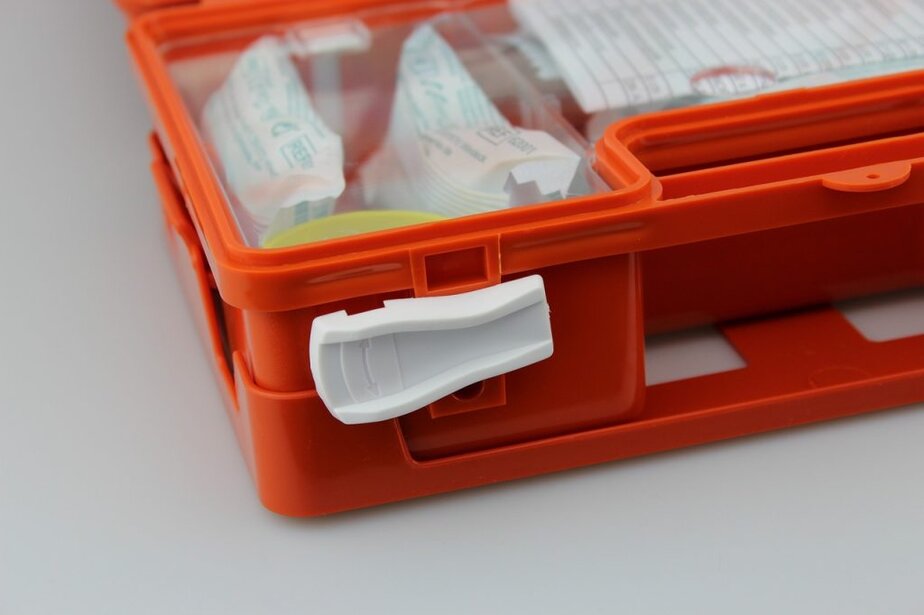
Photo by adexo_medical via Pixabay
Understanding Burns and Their Severity
Burns occur when the skin or other body tissues are damaged by heat, chemicals, electricity, or radiation. In Australia, burns can happen at home, work, or during outdoor activities under the sun. Knowing how to identify the severity of a burn is crucial for providing the right first aid response.
Burns are generally classified into three categories: first-degree, second-degree, and third-degree burns. First-degree burns affect only the outer layer of skin, causing redness and mild pain. Second-degree burns involve deeper layers, leading to blisters and more intense pain. Third-degree burns are the most severe, damaging all skin layers and possibly underlying tissues, often appearing white or charred.
Burns First Aid Australia — Quick Steps Checklist (PDF)
Print-friendly checklist • Unchecked boxes • Portrait
Beyond these three main types, it’s important to recognise that burns can vary widely in their presentation and impact. For instance, chemical burns may continue to cause damage until the chemical is thoroughly removed, and electrical burns can cause deep tissue injury that is not immediately visible. This variability underscores the necessity of careful assessment and timely intervention.
Step-by-Step Burns First Aid Australia
Immediate Cooling
The first and most important step in burns first aid Australia is to cool the burn as quickly as possible. Use cool running water for at least 20 minutes to reduce heat, pain, and swelling. Avoid using ice or very cold water, as this can cause further damage to the skin. If running water is unavailable, use a clean, cool, wet cloth to cover the burn instead.
Cooling not only alleviates pain but also helps to limit the depth of the injury by halting the burning process. It is important to begin this step as soon as possible after the burn occurs. However, be mindful not to overcool, especially in young children or the elderly, as prolonged exposure to cold water can lead to hypothermia.
Protect the Burn Area
After cooling, gently cover the burn with a sterile, non-fluffy dressing or clean cloth to protect it from infection and dirt. Do not apply creams, oils, butter, or adhesive dressings to the burn. Avoid breaking any blisters, as this increases infection risk.
Using a loose covering is important to avoid putting pressure on damaged skin and to allow for swelling. If sterile dressings are not available, a clean plastic wrap may be used carefully, especially if the burn is on a limb. This can also help reduce pain and contamination risk.
Pain Relief and Monitoring
To manage pain, you may give over-the-counter pain relief such as paracetamol or ibuprofen, following the instructions on the label. Keep the person comfortable and monitor them closely for signs of shock, such as paleness, cold skin, confusion, or shallow breathing. If these signs appear, seek emergency help immediately.
It’s also essential to keep the person hydrated, particularly if the burn covers a large area or if they have been exposed to heat for a prolonged period. Dehydration can worsen shock and delay recovery. Encourage small sips of water if the person is conscious and able to swallow safely.
When to Seek Medical Attention
Not all burns can be managed at home. You should seek medical help if the burn is larger than the size of the person’s palm, is located on the face, hands, feet, genitals, or across major joints. Burns that cause white or charred skin or deep tissue damage also require urgent medical care. Additionally, any electrical or chemical burns should be evaluated by a healthcare professional immediately.
If you are unsure about the severity of a burn or how to treat it, call health services or emergency numbers such as 000 for guidance. In rural or remote areas, consult local clinics or ambulance services promptly.
It is also critical to monitor burns for signs of infection during the healing process. Symptoms such as increased redness, swelling, pus, or fever should prompt immediate medical review. Early treatment of infections can prevent more serious complications and support better recovery outcomes.
Special Considerations for Burns First Aid Australia
Australia’s hot climate and outdoor lifestyle can increase the risk of sunburn and heat-related burns. Preventive measures include wearing protective clothing and sunscreen when outdoors. Remember that sunburn is a form of first-degree burn and should be treated with cooling and moisturising. In case of severe sunburn with blistering or fever, seek medical advice.
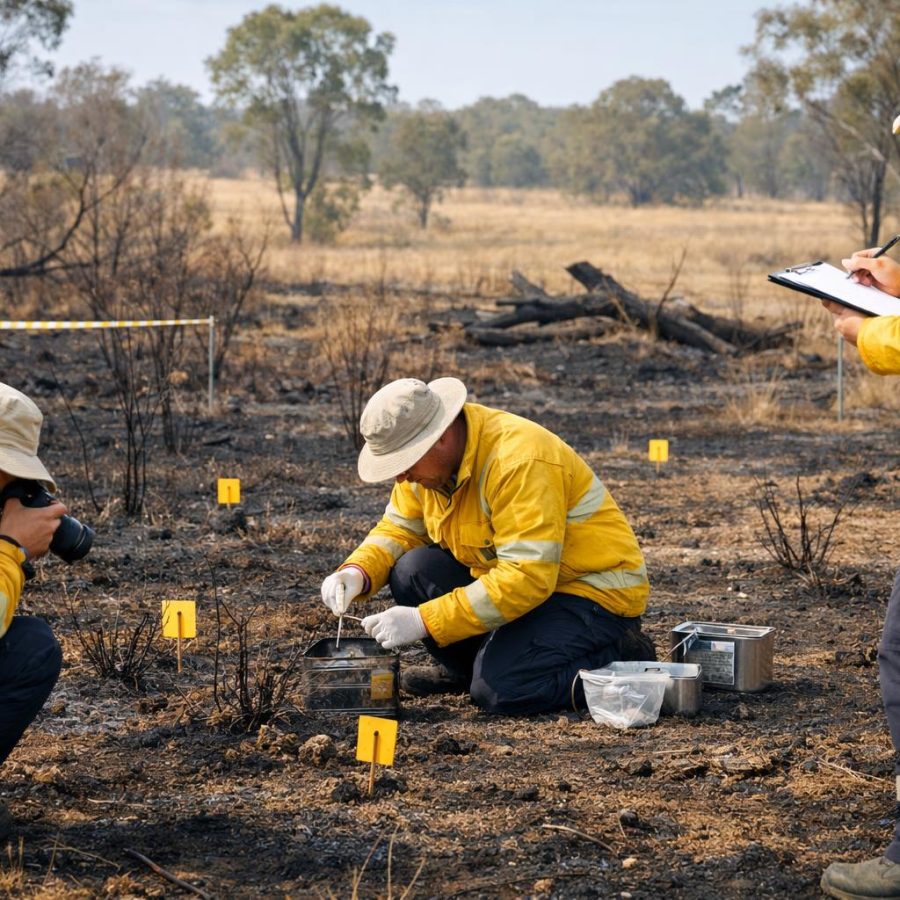
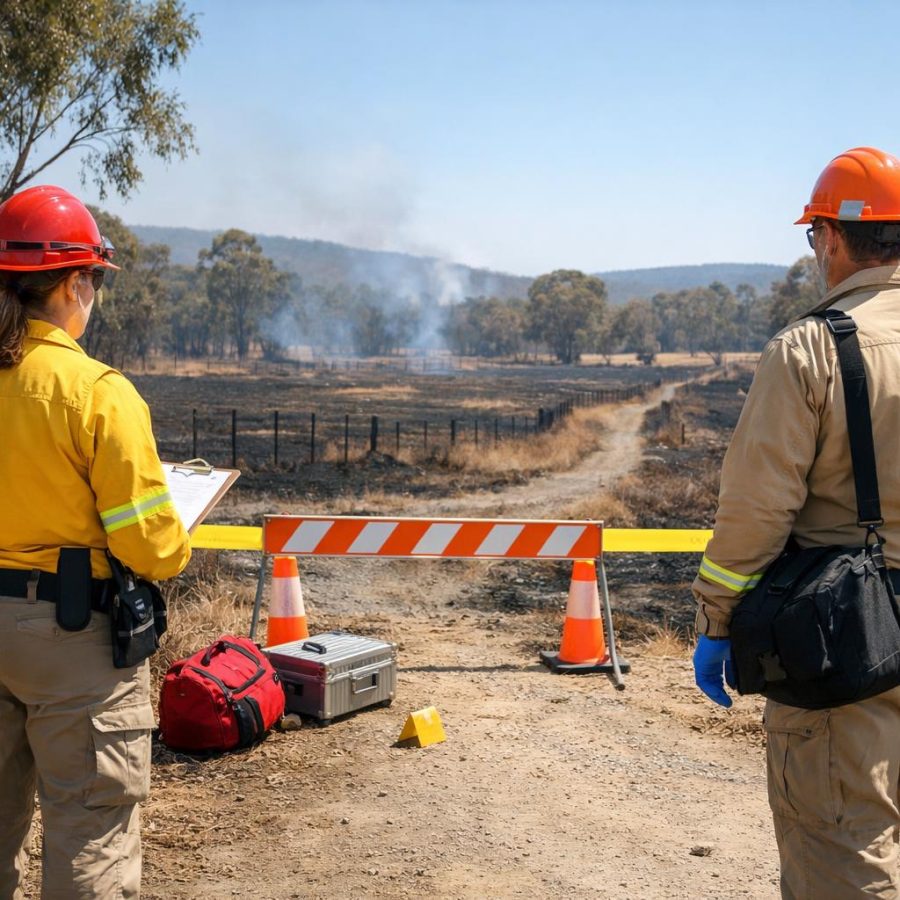
Bushfire seasons also raise the risk of burns from flames and heat. Always follow local fire bans, warnings, and evacuation instructions from emergency services. If you or someone else suffers burns during a fire event, use water to cool the injury if safe to do so and call emergency services immediately.
In addition to environmental risks, occupational hazards in Australia such as those encountered in construction, manufacturing, and agricultural industries can lead to burns. Employers and workers should be aware of safety protocols and have first aid measures in place for burns. Training in burns first aid is highly recommended for workplaces with such risks.
Photo by Queven via Pixabay
Common Mistakes to Avoid
One frequent error is applying ice directly to burns, which can worsen tissue damage. Another is using home remedies like butter or toothpaste, which may increase infection risk. Avoid popping blisters or removing burnt clothing stuck to skin, as this can cause further harm. Instead, gently cool and cover the area and seek help when needed.
It is also a mistake to delay seeking medical attention when the burn appears serious or if symptoms worsen. Some burns may initially seem minor but can develop complications over time. Prompt professional assessment ensures appropriate treatment and reduces long-term damage.
If You Only Do Five Things
First, remove the person from the source of the burn to stop further injury. Second, cool the burn under running water for 20 minutes to reduce damage. Third, protect the burn with a clean, loose dressing or cloth without applying any substances. Fourth, give pain relief as appropriate and watch for signs of shock. Fifth, call emergency services if the burn is serious or involves sensitive areas.
Following these five essential steps can make a significant difference in the outcome of burn injuries. Staying calm and acting promptly helps to ease the victim’s pain and prevent complications while waiting for professional care.
Photo by Queven via Pixabay
Final Thoughts and Resources
Knowing how to respond to burns first aid Australia helps reduce pain and the risk of complications. Always follow guidance from official sources such as St John Ambulance Australia, the Australian Red Cross, and your local health department. Staying informed about local conditions and emergency alerts ensures you are ready to act promptly and safely.
Remember, prevention is key. Take care with hot liquids, fire, chemicals, and sun exposure to avoid burns. If burns do occur, quick and correct first aid can make a significant difference.
For more detailed information and training on burns first aid, consider enrolling in certified courses offered by recognised Australian organisations. These courses provide practical skills and confidence to manage burns and other emergencies effectively.
FireRescue Training Hub
Access practical fire and emergency study support resources, downloads, checklists, audio guides, and member-only course content.
- Course library
- PDF downloads
- Audio guides
- Checklists
Study support only. Not accredited training or a replacement for workplace procedures.
About the author and safety review
Ken Walker
Former Station Officer and fire service educator
Former career firefighter with extensive career and volunteer fire service experience.
Qualifications: Associate Diploma of Applied Science in Fire Technology; Institute of Fire Engineers studies.
Author profilehttps://www.firerescue.com.au/about-us/