Fire safety and emergency water solutions
Key takeaways
Fire pumps remain critical assets in Australia’s firefighting arsenal, offering reliable water transfer and suppression under demanding conditions. From high-pressure petrol models to diesel-powered units, the market provides versatile solutions tailored to rural, commercial, and residential needs.
Recent product offerings demonstrate improved performance metrics such as flow rates exceeding 50,000 litres per hour and pressure heads up to 75 metres, ensuring effective water delivery for multiple hoses or rooftop systems. Durability and ease of use, including electric start options and corrosion resistance, are key design features.
Choosing the right fire pump depends on site-specific factors like fuel type availability, pressure requirements, and intended applications, from bushfire protection to hydrant boosting. Understanding these aspects allows property owners and emergency responders to enhance their preparedness and operational effectiveness.
Background and context
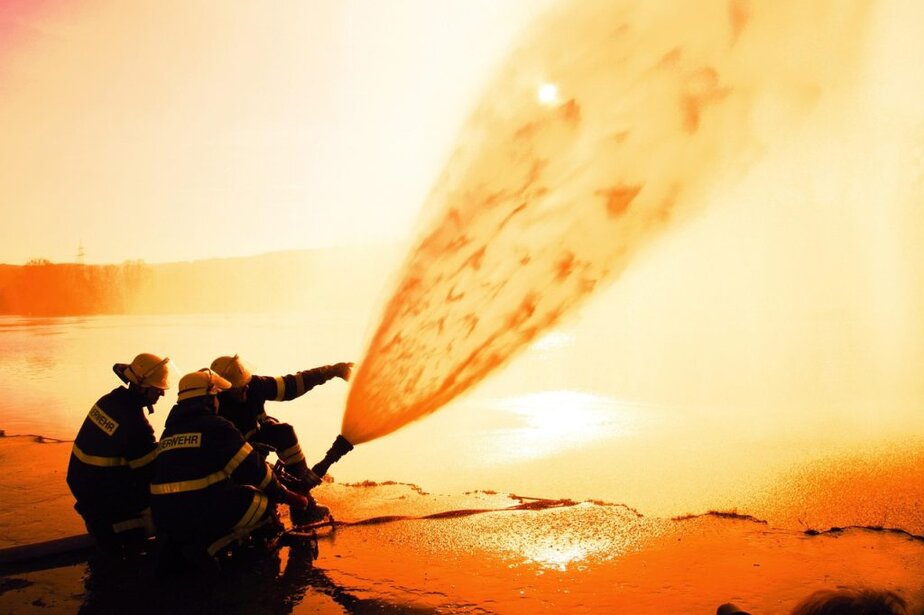
Australia’s unique fire risk landscape demands reliable firefighting infrastructure, particularly for rural and fire-prone regions. Fire pumps serve as vital equipment, enabling rapid water transfer and pressure boosting to combat bushfires and support fire suppression systems. Given the varied environments and operational needs, manufacturers have developed a range of pumps with different capacities, power sources, and durability features.
From portable petrol engines to diesel-driven models and electric pumpsets, the selection caters to everything from residential sprinkler systems to large-scale commercial hydrant boosting. This diversity ensures that fire pumps can meet stringent regulatory demands and practical challenges posed by Australia’s terrain and climate.
In addition to their firefighting roles, fire pumps are increasingly integrated into water management strategies for drought-prone regions. Their ability to transfer large volumes of water efficiently makes them valuable for irrigation, flood mitigation, and emergency water supply. The dual utility of these pumps underscores their importance beyond immediate fire emergencies, contributing to broader environmental resilience.
High-performance petrol fire pumps for rapid response
A standout example is the 3″ Fire Pump High Pressure 15HP Petrol HG30 by Predator Power Products. This pump delivers an impressive flow rate of 55,000 litres per hour combined with a pressure head of 75 metres, making it well-suited for rooftop fire suppression systems or operating multiple fire hoses simultaneously. Its petrol engine ensures portability and accessibility, important for rural homes or remote firefighting operations.
Such high flow and pressure capabilities mean that firefighters and property owners can rely on consistent water delivery over elevated distances or across complex hose layouts. The HG30 model exemplifies how Australian manufacturers are responding to the demand for robust, high-output portable pumps designed to withstand the rigours of bushfire environments. More details can be found on the Predator Power Products website.
The petrol-powered HG30 is also engineered for ease of maintenance, a crucial factor when pumps are deployed in harsh conditions. Features such as accessible engine components, durable seals, and fuel-efficient design contribute to its reliability during extended firefighting operations. This focus on maintainability ensures that users can keep the pump operational with minimal downtime, an essential consideration in emergency response scenarios.
Versatile firefighting pumps tailored to Australian conditions
Water Master offers a series of 1.5″ firefighting pumps available in both petrol and diesel variants, designed specifically for Australian conditions. These pumps feature electric start options, enhancing ease of use especially during emergency situations when quick deployment is critical. Their high-pressure pumping capabilities make them suitable for a broad range of firefighting tasks, including rural fire suppression and water transfer.
The flexibility in power options and the compact design allow these pumps to serve diverse needs without compromising on reliability or performance. Their adaptability is particularly valuable in areas where fuel availability may vary or where noise and emissions considerations influence pump choice. Further information is available at Water Master’s range of firefighting pumps.
In addition to firefighting, Water Master’s pumps are often utilised for environmental management tasks such as wetland restoration and controlled burns, where precise water delivery is essential. Their design balances performance with portability, allowing crews to move equipment swiftly across rugged terrain. This operational flexibility is a key advantage in Australia’s diverse landscapes, where firefighting efforts must often adapt to rapidly changing conditions.
Durability and high-pressure output for bushfire protection
Davey Water Australia’s Firefighter® pumps are engineered with rural property owners and bushfire-prone areas in mind. These pumps feature corrosion-resistant construction materials that ensure longevity and reliable operation in harsh outdoor environments. Their capability to deliver high pressure output supports effective firefighting efforts, especially where water access points are limited or terrain is challenging.
These pumps also serve as emergency water transfer devices, helping to move water quickly and efficiently during fire events or drought conditions. Their robust design and proven performance have made them a trusted choice for those seeking dependable bushfire mitigation tools. More details can be found on the Davey Water Australia website.
The Firefighter® series is notable for incorporating advanced seal technology and heavy-duty impellers that resist wear and tear from abrasive water sources, such as those containing sediment or debris common in rural fire fighting scenarios. This durability ensures consistent operation without frequent repairs, thereby reducing operational costs and increasing system uptime during critical periods.
Choosing the right fire pump: Practical implications
Selecting the appropriate fire pump requires consideration of multiple factors. These include the available fuel type, required flow rate, pressure head necessary for the application, and the environment in which the pump will operate. Petrol-powered pumps often offer portability and ease of refuelling in rural settings, whereas diesel engines may provide greater fuel efficiency and longer run times for sustained operations.
High-pressure pumps capable of delivering over 70 metres of head are essential for rooftop systems or situations where water must be pushed over significant vertical distances. Conversely, pumps with lower pressure but higher flow rates may be preferred for direct hose applications or rapid water transfer.
Durability features such as corrosion resistance and electric start systems contribute to operational reliability, especially during emergency scenarios where downtime is unacceptable. Considering these practical aspects ensures that fire pumps not only meet compliance standards but also provide effective support in critical moments.
Furthermore, understanding the maintenance requirements and availability of spare parts is vital when choosing a pump. In remote locations, access to service centres can be limited, so selecting models with widespread support networks and readily available components can prevent costly delays. Training for users on proper operation and routine upkeep also plays a crucial role in extending pump life and ensuring readiness when emergencies arise.
What to do now: Enhancing fire preparedness with reliable pumps
Property owners and emergency services should regularly assess their firefighting equipment to verify that fire pumps are fit for purpose and in good working order. This includes testing starting mechanisms, inspecting hoses and connections, and ensuring fuel supplies are adequate and safely stored.
Engaging with reputable suppliers who understand Australian fire conditions can help in selecting the best pump model for specific site requirements. Training and familiarisation with pump operation will also improve response times and reduce risks during actual fire events.
It is also advisable to develop a comprehensive fire management plan that incorporates the use of fire pumps alongside other firefighting assets. Coordinating with local fire authorities and community groups can facilitate shared resources and knowledge, enhancing overall preparedness. Scheduled drills involving pump deployment can identify potential weaknesses and foster confidence among users.
By prioritising maintenance and informed pump selection, communities and individuals can enhance their resilience against fire threats while ensuring water resources are efficiently managed.
FireRescue Training Hub
Access practical fire and emergency study support resources, downloads, checklists, audio guides, and member-only course content.
- Course library
- PDF downloads
- Audio guides
- Checklists
Study support only. Not accredited training or a replacement for workplace procedures.
About the author and safety review
Ken Walker
Former Station Officer and fire service educator
Former career firefighter with extensive career and volunteer fire service experience.
Qualifications: Associate Diploma of Applied Science in Fire Technology; Institute of Fire Engineers studies.
Author profilehttps://www.firerescue.com.au/about-us/