Disability-Inclusive Emergency Plans: Checklists for Carers and Families – why it matters for Australian households
Emergencies can happen anytime and without warning, and for households caring for family members with disabilities, having a well-thought-out emergency plan is especially important. A disability-inclusive emergency plan ensures that everyone’s unique needs are considered, creating a safer environment for all. In Australia’s diverse communities, these plans help make sure no one is left behind during natural disasters, power outages, or other crises.
Carers and families face extra challenges in emergencies—whether it’s mobility issues, sensory sensitivities, or communication needs. Preparing ahead means you can reduce stress, respond quickly, and protect your loved ones effectively. This guide walks you through practical checklists and steps to build confidence and resilience at home.
By focusing on disability inclusive emergency plans, Australian households can create a supportive, responsive approach that fits their unique situations. It’s about empowerment, calm preparation, and knowing you have a plan tailored to your family.
Understanding the risk: what Disability-Inclusive Emergency Plans: Checklists for Carers and Families looks like in real life
Knowing the types of emergencies that could affect your area is the first step to crafting an effective plan. Australia faces bushfires, floods, storms, and heatwaves, which can quickly become dangerous for those with disabilities. For example, a power outage during extreme heat can be life-threatening for someone reliant on electrically powered medical devices.
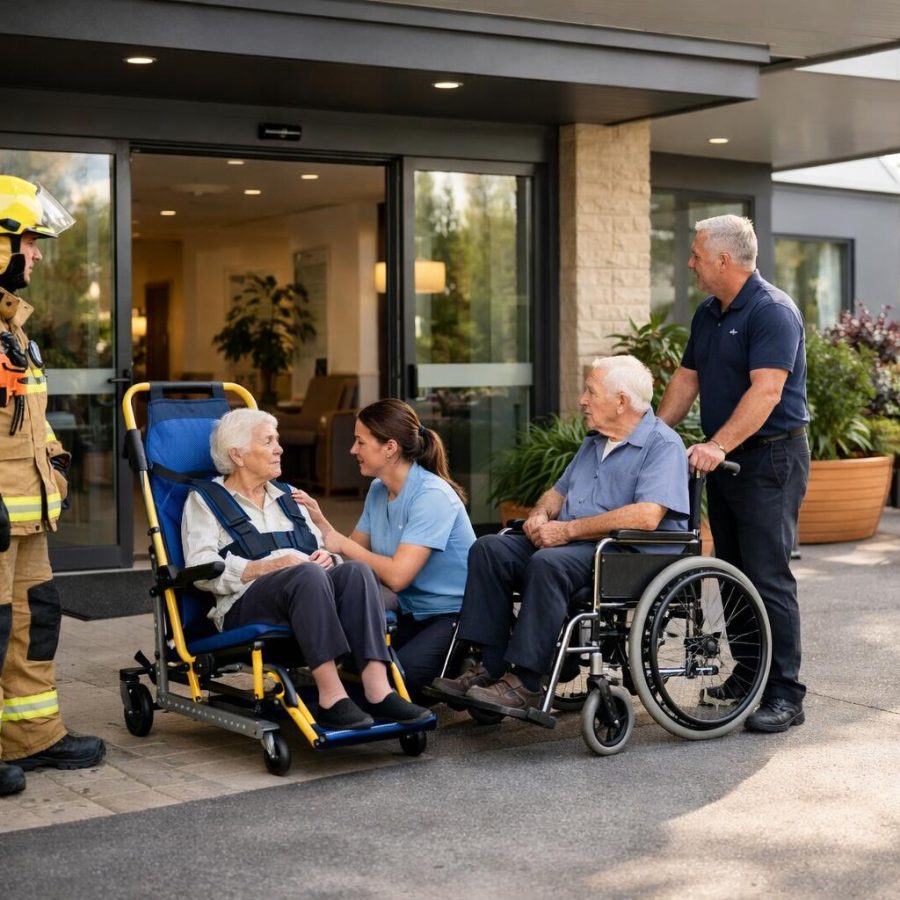
Real-life disability inclusive emergency plans involve clear communication, accessible transportation options, and designated safe spaces. They also include contingencies for support if carers are unavailable. Families who have put plans in place often report feeling more in control and less anxious when emergencies arise.
Before anything happens: simple preparation steps
Preparation doesn’t need to be complicated or expensive. Start with these straightforward actions:
- Identify specific needs: mobility aids, medications, medical equipment, communication tools.
- Gather important documents: medical records, emergency contacts, identification.
- Pack an emergency kit tailored to disability needs, including spare batteries, chargers, and comfort items.
- Establish a communication plan with carers, family, and neighbours.
- Learn about local emergency services and disability support organisations.
- Practice evacuation routes and safe places regularly.
Regularly updating these steps ensures your plan keeps pace with changing needs and circumstances.
Building a home checklist around disability inclusive emergency plans
A home checklist helps make sure nothing essential is missed. Consider the following practical points:
- Make exits and pathways clear and accessible for everyone.
- Install visual and audible alarms suitable for all household members.
- Label emergency supplies clearly and store them in easy-to-reach places.
- Maintain a list of medications, equipment serial numbers, and supplier contacts.
- Keep a backup power source or battery packs for critical devices.
- Ensure any mobility aids are in good condition and charged if powered.
- Prepare comfort items that can reduce anxiety during stressful situations.
Organising your home environment thoughtfully saves precious time when swift action is needed.
What to do when warnings appear
When emergency warnings are issued, timely action can make a significant difference. Follow these practical steps:
- Stay informed through official sources such as the Bureau of Meteorology and local emergency services.
- Alert all family members and carers promptly using your communication plan.
- Prepare to evacuate if advised, and review your transport arrangements early.
- Ensure mobility aids and medical devices are ready to go and packed if needed.
- Assist household members with sensory or communication needs to understand the situation calmly.
- Check in with neighbours who may need support or information.
Reacting calmly and deliberately helps reduce confusion and increases safety for everyone involved.
During the event: staying safe and staying informed
While the emergency is unfolding, keeping safe and informed are your priorities. Here’s how to manage this period effectively:
- Follow instructions from emergency responders carefully.
- Use your prepared safe room or evacuation site as planned.
- Keep communication devices charged and close by.
- Monitor updates through radio, smartphone alerts, or other accessible channels.
- Support each other emotionally and physically, especially those with additional needs.
- Limit exposure to stress triggers—consider quiet activities or calming techniques.
Remaining connected and calm helps everyone cope better until the event passes.
After the event: clean-up, claims and care
The aftermath of an emergency can be overwhelming, but taking systematic steps can ease recovery:
- Check for injuries and seek medical attention where needed.
- Assess home safety before re-entering damaged areas.
- Document any property damage for insurance claims, including photos and receipts.
- Contact insurers and government support services early.
- Follow up with healthcare providers about any changes in medical or support needs.
- Access local community support programs for emotional and practical assistance.
Recovery is a process—prioritise self-care and lean on your support network.
Talking with family, neighbours and local services
Collaboration plays a vital role in disability inclusive emergency plans. Open communication with those around you can save lives and increase community resilience.
- Share your emergency plan with family members and carers to ensure everyone understands their role.
- Introduce yourself to neighbours and discuss ways to assist each other during emergencies.
- Connect with local disability organisations for resources and advice.
- Register with local emergency services if you require tailored assistance.
- Encourage community involvement in awareness and preparedness activities.
Building relationships before an emergency fosters trust and practical support when it matters most.
Putting it all together: a practical plan for disability inclusive emergency plans
Creating an effective disability inclusive emergency plan means combining knowledge, preparation, and teamwork. Here’s a simple framework to guide you:
- Assess individual needs: Understand the specific requirements of your family members.
- Prepare resources: Assemble emergency kits, medications, and important documents.
- Plan for communication: Ensure everyone knows how to stay in touch and receive alerts.
- Develop evacuation strategies: Identify accessible routes and transport options.
- Practice regularly: Rehearse your plan to build familiarity and confidence.
- Engage community supports: Link with neighbours, local services, and support groups.
- Keep it updated: Review your plan periodically to reflect changes in needs or environment.
By following these steps, carers and families can feel empowered to face emergencies with greater calm and certainty.
Tip from Kenno: From my experience, one of the most underestimated parts of a disability inclusive emergency plan is regular practice and communication. It’s easy to create a great plan on paper, but unless everyone knows what to do and feels comfortable with it, stress can make things harder in an emergency. I recommend setting up small, informal drills with family or carers every few months. Keep them light and positive—think of it as a way to build confidence and spot any gaps in your plan. Also, keep an open line with neighbours; those connections can be lifesavers during tough times.
Image from Pixabay.
FireRescue Training Hub
Access practical fire and emergency study support resources, downloads, checklists, audio guides, and member-only course content.
- Course library
- PDF downloads
- Audio guides
- Checklists
Study support only. Not accredited training or a replacement for workplace procedures.
About the author and safety review
Ken Walker
Former Station Officer and fire service educator
Former career firefighter with extensive career and volunteer fire service experience.
Qualifications: Associate Diploma of Applied Science in Fire Technology; Institute of Fire Engineers studies.
Author profilehttps://www.firerescue.com.au/about-us/