Sprinkler reliability in complex structures is essential for protecting lives and property. Understanding how sprinklers function in multi-layered and varied-use buildings helps safety planners and responders prepare more effectively.
This guide covers practical points for planning, training and maintenance that boost system effectiveness. It also explains how Australian emergency services work together when sprinkler systems are involved in a fire event.
As buildings become increasingly sophisticated, integrating various uses and architectural designs, the role of sprinkler systems grows in complexity. This makes a thorough understanding of their operation and maintenance all the more critical for fire safety professionals and building managers alike.
The Challenge of Sprinkler Reliability in Complex Structures
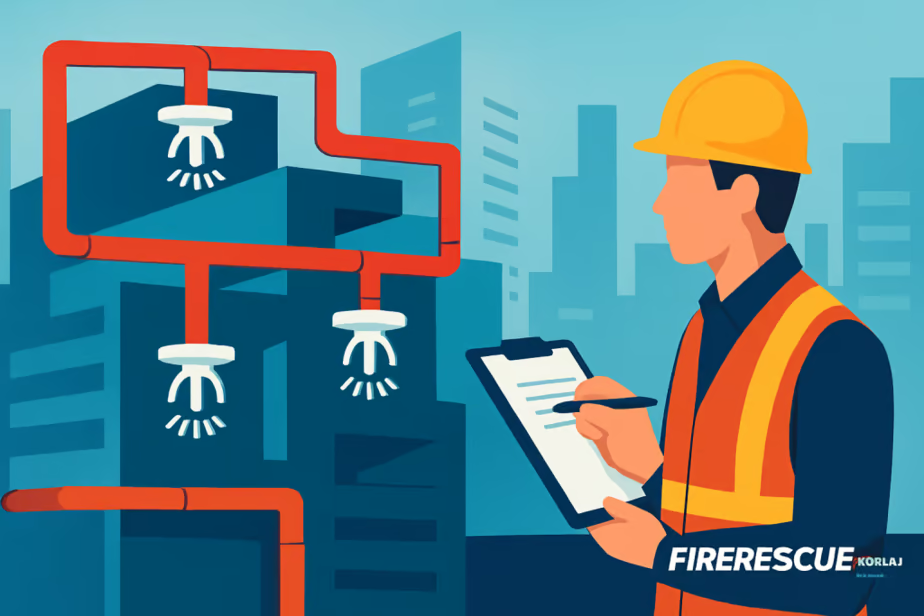
Sprinklers are a proven method of controlling and suppressing fires, but their reliability can be affected by the complexity of the building they protect. Complex structures often include multiple floors with varied layouts, mixed-use areas such as commercial spaces combined with residential or industrial sections, and unusual architectural features that can challenge sprinkler coverage.
In Australia, buildings such as shopping centres, hospitals, large apartment blocks, and heritage-listed sites frequently present these complexities. Ensuring sprinklers work as intended means addressing challenges like water supply reliability, system design suitability, and potential blockages or damage over time.
Understanding the unique needs of these environments supports the planning of effective fire suppression systems and emergency procedures tailored to the building’s specifics. For example, heritage buildings may require bespoke solutions to preserve aesthetic elements while maintaining fire safety, whereas hospitals must consider the presence of sensitive equipment and vulnerable occupants.
The integration of modern technology such as smart sensors and building management systems also influences sprinkler reliability. These innovations can provide real-time monitoring and predictive maintenance alerts, reducing downtime and improving response times in emergencies.
Moreover, the increasing adoption of green building practices and sustainable materials introduces new variables that impact sprinkler system design. Materials with different combustibility and heat release rates require tailored sprinkler response strategies to ensure adequate suppression. Fire safety engineers must continually adapt to evolving construction trends and regulations to maintain effective sprinkler performance.
Another challenge arises from the presence of large open spaces and atriums common in modern architecture. These areas can create complex airflows and heat transfer patterns, affecting how quickly sprinklers activate and how effectively water suppresses a fire. Advanced computational fluid dynamics (CFD) modelling is increasingly used to predict fire behaviour in such environments and to optimise sprinkler placement accordingly.
Sprinkler Reliability: Key Statistics
This chart highlights one of the strongest public findings: combining smoke alarms with fire sprinklers can reduce the relative risk of death in a home fire by 82%. Supporting figures are listed below.
Contained by one sprinkler
Ninety percent of home fires are contained by the operation of just one sprinkler, showing how targeted activation can control a fire early.
Lower civilian death rate
NFPA reported an 89% lower civilian death rate per 1,000 home fires where sprinklers were present compared with homes with no automatic extinguishing system.
Lower property loss
Average property loss per reported home fire was 55% lower when sprinklers were present, reinforcing the value of system reliability and maintenance.
Lower firefighter injury rate
NFPA found a 48% lower firefighter injury rate per 1,000 home fires where sprinklers were present, supporting safer operating conditions.
Modern fires spread faster
Fire and Rescue NSW says fires in modern homes can spread in less than 5 minutes, compared with around 29 minutes in older homes. Fast suppression matters.
How Sprinkler Systems Function in Complex Buildings
Modern sprinkler systems operate by detecting heat from a fire and releasing water through strategically placed heads. In complex structures, the design must account for variables such as ceiling heights, room sizes, and materials used in construction.
Systems typically fall into categories like wet pipe, dry pipe, pre-action, and deluge, each with pros and cons depending on environmental conditions. For example, dry pipe systems are used in areas prone to freezing temperatures, while pre-action systems are often installed in places where accidental water discharge would cause significant damage, such as data centres.
Ensuring reliability means close attention to system components, including valves, alarms, water supplies, and sprinkler heads. Regular maintenance and testing are critical to identify faults or wear that might impair function.
In addition, the layout of sprinkler heads requires precise engineering to overcome obstructions like suspended ceilings, large open atriums, or mezzanine levels that may disrupt water spray patterns. Computer modelling and hydraulic calculations help designers optimise coverage and water distribution.
Another factor affecting sprinkler function is the presence of fire compartments and smoke barriers within buildings. These features control fire spread but also influence how sprinkler systems are zoned and activated. Coordination between fire protection engineers and architects is vital to ensure these elements work harmoniously.
Furthermore, sprinkler systems in complex buildings often integrate with other fire safety measures such as smoke extraction systems, fire curtains, and alarm networks. This integration enables a coordinated response that enhances occupant safety and protects critical infrastructure.
Emerging technologies such as water mist systems and foam-enhanced sprinklers are also being explored for specialized applications within complex structures. These systems can provide more effective suppression with less water damage, particularly in areas containing sensitive equipment or valuable assets.
Water Supply and Pressure Considerations
Sprinkler reliability largely depends on consistent water supply with adequate pressure. Complex buildings must have dedicated water storage tanks or connections to municipal water mains designed to meet fire flow rates specified in Australian Standards.
Backup pumps and multiple water sources are often required to ensure uninterrupted supply during emergencies. Fire safety engineers coordinate with local water authorities to confirm systems meet necessary performance criteria.
Additionally, the placement and maintenance of pressure-reducing valves and flow switches are critical to maintaining system integrity. These components must be regularly tested to prevent pressure fluctuations that could impair sprinkler activation.
Innovations such as variable speed pumps and automated control systems allow for adaptive water delivery tailored to the building’s demand during an incident, enhancing both efficiency and reliability.
In some large-scale or high-rise structures, gravity-fed water supply systems are supplemented with booster pumps to maintain pressure at upper levels. Fire engineers must carefully balance these systems to avoid pressure drops or surges that could compromise sprinkler effectiveness.
Water quality is another important factor; impurities or sediment can clog sprinkler heads and piping, reducing flow rates. Regular water testing and filtration systems help maintain optimal conditions.
Planning and Training for Effective Sprinkler Use
Good planning is crucial to maximise sprinkler reliability in complex structures. Building owners and managers should engage qualified fire protection professionals during both design and ongoing maintenance stages. FireRisk assessments should include sprinkler system reviews, ensuring compliance with Australian fire safety codes.
Training staff and occupants on sprinkler system operation, fire alarms, and evacuation procedures enhances preparedness. Many Australian workplaces conduct regular fire drills in partnership with local Fire and Rescue services to familiarise everyone with emergency processes.
Emergency responders also benefit from knowing building layouts and sprinkler system details. This knowledge assists Fire and Rescue teams when entering complex structures during incidents, helping them decide how best to support or supplement existing fire suppression efforts.
Furthermore, incorporating scenario-based training that simulates sprinkler system failures or partial activations prepares teams to adapt strategies in real-time. This proactive approach can significantly improve outcomes during actual emergencies.
Collaboration with local fire services in pre-incident planning meetings ensures that responders are familiar with system zones, control panels, and shut-off points, reducing response times and increasing safety for both occupants and firefighters.
Additionally, building managers should maintain up-to-date emergency response plans that integrate sprinkler system specifics. These plans should be regularly reviewed and updated to reflect any changes in building layout, occupancy, or fire safety equipment.
Effective communication systems, including fire alarm integration with sprinkler activation notifications, are essential to alert occupants and emergency personnel promptly. Ensuring these systems are tested regularly prevents communication breakdowns during critical moments.
Maintenance Best Practices
Regular inspection and testing are fundamental to ensuring sprinkler systems perform reliably. Australian Standards such as AS 1851 outline schedules for checking components like control valves, water flow alarms, sprinkler heads, and pipework.
Cleaning sprinkler heads and replacing damaged or corroded parts can prevent failures during a fire. Record keeping of maintenance activities supports compliance and assists emergency services by providing up-to-date system information.
Beyond routine checks, predictive maintenance using sensor data and analytics can identify potential issues before they become critical. This approach minimises downtime and extends system lifespan.
Environmental factors such as dust accumulation, temperature fluctuations, and water quality also impact sprinkler reliability. Facilities in harsh environments should adopt tailored maintenance protocols to address these challenges effectively.
In addition, the impact of building modifications or renovations on sprinkler systems must not be overlooked. Any structural changes can affect sprinkler coverage and water flow, necessitating reassessment and potential system upgrades to maintain compliance and safety.
Seasonal maintenance schedules that align with weather conditions and occupancy patterns help anticipate and prevent system degradation. For example, ensuring dry pipe systems are properly drained before winter reduces freeze-related failures.
If You Only Do Five Things
Ensure your building’s sprinkler system design suits the complexity of the structure and complies with Australian Standards.
Schedule and conduct regular inspections and maintenance, documenting all work to maintain system integrity.
Train staff and occupants on sprinkler operation and fire response procedures, including evacuation drills in partnership with local Fire and Rescue services.
Coordinate with emergency services so they understand building layouts and sprinkler system features for more effective incident response.
Always follow official advice and warnings from Fire and Rescue NSW, Police, SES, and Ambulance services regarding fire safety and emergencies. In life-threatening situations, call 000 immediately.
Who Does What in Australia?
Fire and Rescue Services lead firefighting efforts and manage fire suppression systems. They also conduct fire safety inspections and public education.
Police focus on public safety, traffic control, and investigations during emergencies, supporting other agencies.
Ambulance Services provide medical care and transport for injured or affected persons at fire scenes and other incidents.
State Emergency Service (SES) assists with rescues, storm and flood response, and supports recovery after disasters.
Together, these agencies coordinate to manage complex emergencies and keep communities safe.
For any life-threatening emergency, always dial 000 immediately.