Husqvarna Wood Splitting Axe S2800 – Review, Uses, Safety & Buying Guide
Excerpt: The Husqvarna Wood Splitting Axe S2800 is a heavy-duty splitter built for big rounds and tough Aussie hardwoods. This guide explains how it works, where it shines for households and rural properties, and how firefighters and SES volunteers can use it safely around camps, chainsaw staging areas, and preparedness tasks.
On This Page
Overview
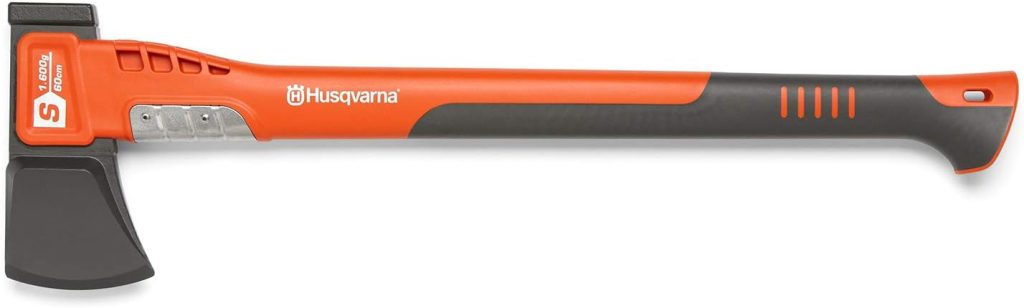
The Husqvarna Wood Splitting Axe S2800 is a purpose-built splitter designed for large rounds, knotty hardwood, and batch firewood processing. With a heavy striking head and wedge-shaped profile, it converts swing energy into powerful, clean splits. For Australian users—whether you’re prepping kindling for a wood heater, managing a rural property, or supporting bushfire preparedness around sheds and staging areas—the S2800 offers durability and predictable results.
Unlike universal felling axes, a splitting axe is optimised to force fibres apart rather than cut across them. The S2800’s momentum helps “pop” rounds apart, reducing the number of strikes needed. It excels for dense species found across Australia, such as ironbark, red gum, jarrah, and stringybark, where a light hatchet or multi-purpose axe can bounce or stick.
On the fireground or at home, the tool supports safe wood preparation for heating, camp cooking, and emergency hot-water systems. It’s equally useful for volunteers and tradies working around firewood depots, incident control centre camps, and remote worksites where controlled fires are used for warmth, morale, or crew welfare in cold conditions (subject to local restrictions).
Key Features
Heavy Splitting Head
High-mass wedge profile for maximum separation force on tough hardwood rounds and knots.
Optimised Wedge & Bevel
Geometry reduces sticking and drives fibres apart rather than slicing, reducing fatigue.
Durable Composite Handle
Shock-absorbing, weather-resistant shaft with flared grip and integrated overstrike protection.
Balanced Swing
Weight distribution supports confident, repeatable swing paths for consistent results.
Sheath & Storage
Blade cover for safe transport; hang hole for secure storage in sheds and vehicles.
How It Works
A splitting axe converts the arc of your swing into a sharp impulse at impact. The S2800’s head shape pushes timber fibres apart as the wedge penetrates. With a stable stance and a straight swing through the centre of the round, the axe transfers energy efficiently so even tough, seasoned wood yields in fewer strikes.
For best results, place the log on a chopping block at knee height, aim for existing checks (cracks), and let the tool’s mass do the work—don’t “muscle” it. Rotate the round between strikes or use a tyre on the block to hold pieces together and speed up workflow while improving safety.
In wet conditions or on soft ground, place a stable mat or board under the block to prevent sinking. Keep bystanders outside your swing arc and never split on concrete—chips can fly and the rebound is unpredictable.
Benefits & Advantages
- Efficiency: High head mass and wedge profile reduce the number of strikes per round, saving time on large woodpiles.
- Consistency: Balanced swing and non-slip grip improve accuracy—important when fatigue sets in late in the shift.
- Durability: Composite handle resists moisture and UV better than many timber shafts, ideal for sheds and utes exposed to weather.
- Versatility: Suitable for hardwood and softwood; pairs well with a maul, wedges, and a small hatchet for kindling.
- Preparedness: Supports home resilience during power outages by securing reliable firewood for heating and cooking (subject to local fire bans).
- Crew Welfare: In remote operations, split wood helps maintain safe, controllable warmth when permitted—improving morale and recovery.
Limitations & Safety Considerations
- Weight & Fatigue: The very advantage—mass—can tire users quickly. Plan breaks and rotate tasks to avoid overuse injuries.
- Not a Felling Axe: The S2800 is for splitting only. Do not use it for felling or limbing trees.
- Mis-strikes: Overstrikes can damage handles and cause loss of control. Use a block and stand close with knees slightly bent.
- Surface Hazards: Avoid concrete and stones that can chip the edge or cause dangerous ricochets.
- Storage: Keep sheathed and out of reach of children; transport secured in the vehicle, blade covered.
- PPE: Safety glasses (AS/NZS 1337.1), gloves (AS/NZS 2161), and toe-protective boots (AS/NZS 2210) are strongly recommended.
User Scenarios
Rural Household
A family in regional Victoria maintains a winter woodpile of red gum. The S2800 splits large rounds on a tyre-fixed block, creating a season’s worth of heating fuel with fewer swings.
Fire Service Staging
During a multi-day deployment (permitted area), crews establish a small, controlled warmth point for meals. The S2800 supports fast, safe splitting of pre-cut rounds under supervision and local rules.
Caravan & Camping
Travellers on private property split softwood for a portable stove. A chopping mat keeps the block stable on sandy ground and protects the edge from grit.
Maintenance & Care Guide
- Cleaning: Wipe sap and debris after use. A citrus-based cleaner removes resin without harming finishes.
- Edge Care: Use a fine file to dress nicks. Maintain a modest convex bevel—overly sharp edges are more likely to chip while splitting.
- Corrosion Control: Lightly oil the head before storage, especially in coastal or humid areas.
- Handle Check: Inspect for cracks or delamination. Replace the tool if the head becomes loose or the shaft is compromised.
- Sheath & Storage: Store sheathed, hung vertically, away from direct sun and heat sources.
- Transport: Secure in the vehicle with blade cover; never loose in the tray or cabin.
“`
- Dress minor edge rolls as soon as you spot them.
- Oil the head lightly after wet-weather use.
- Keep a dedicated file and rag in your shed kit.
- Replace damaged sheaths immediately.
“`
Comparison: Husqvarna S2800 vs Similar Axes
| Model | Best For | Handle | Feel | Notes |
|---|---|---|---|---|
| Husqvarna S2800 | Large rounds, dense hardwoods | Composite | Heavy, powerful, controlled | Excellent wedge; great for red gum & ironbark |
| Fiskars X27 | General splitting, mixed hardwood/softwood | Composite | Fast, lighter swing | Great for volume; may stick in gnarly knots |
| Hultafors HY 10 | Traditional feel, smaller batches | Hickory | Classic, more vibration | Premium steel; higher maintenance |
Emergency Contacts Quick List (Australia)
FAQs
Is the Husqvarna Wood Splitting Axe S2800 suitable for beginners?
Yes—with coaching on stance and controlled swings. Start with smaller rounds and take frequent breaks due to the tool’s mass.
What size rounds can it handle?
With proper technique, the S2800 tackles large rounds (300–450 mm+). For extreme diameters or stringy grain, combine with wedges or a splitting maul.
How does it compare to a maul?
A maul is heavier and more sledge-like; the S2800 offers a sharper wedge that often penetrates more easily. Many users keep both for flexibility.
What PPE should I wear?
Safety glasses (AS/NZS 1337.1), cut‑resistant gloves (AS/NZS 2161), toe‑protective boots (AS/NZS 2210), and long pants. Tie back hair and remove jewellery.
Can I use it during a Total Fire Ban?
Splitting wood is generally allowed, but any fire use may be restricted. Check your state’s rules and local council advisories before lighting any fire.
How do I stop the axe from sticking?
Aim for existing checks, avoid wet/freshly felled rounds, keep the bevel clean, and consider a light oil film. If it sticks, tap sideways to free it—never pull directly toward your body.
How often should I sharpen it?
Dress the edge lightly after each session and do a more thorough touch‑up every few weeks in heavy use. Maintain a durable convex profile.
Is a composite handle better than hickory?
Composite is low‑maintenance and weather‑resistant; hickory offers traditional feel and elasticity. For outdoor storage and rough weather, composite is practical.
Where to Buy in Australia
Links & Manuals
- Husqvarna S2800 product page (specs, care instructions, compatible sheaths).
- Standards Australia portal – Refer to AS/NZS 1337.1 (eye protection), AS/NZS 2161 (gloves), AS/NZS 2210 (safety footwear).
- Safe Work Australia – General guidance on manual tasks and hand tool safety.
Credits & Review Notes
This independent review draws on practical field use, safe work practices, and feedback from rural property owners and emergency service volunteers. No manufacturer approval was sought. The sponsored link above does not influence our evaluations.
- Pros: Powerful wedge, durable handle, efficient on dense hardwoods, sheath included.
- Cons: Heavier tool can fatigue smaller users; not suitable for felling or pruning; requires good swing discipline.
- Best Pairings: Steel wedges, 4–6 lb maul, kindling hatchet, chopping block with tyre retainer.