Emergency Preparedness in Australian Aged Care
Aged Care Emergency Evacuation Planning
Planning for emergencies in aged care facilities is a critical aspect of ensuring resident safety and wellbeing. This involves coordinated strategies tailored to the unique needs of older Australians, many of whom may have limited mobility or complex health conditions. Effective evacuation planning can save lives when fire, flood, or other emergencies strike.
Key elements include understanding the roles of emergency services, developing clear communication protocols, and conducting regular drills. Collaboration between aged care staff, residents, families, and emergency responders is essential for a smooth and safe evacuation process.
This article explores practical guidance and expert insights to help aged care providers across Australia prepare for emergencies effectively.
Aged Care Emergency Evacuation Planning Australia
Listen to a practical audio guide covering fire, flood and resident safety planning for aged care settings.
Background and Context
Australia’s aged care sector serves a vulnerable population that requires special consideration in emergency situations. Fires remain one of the most common threats, but floods, severe storms, and other natural disasters also pose significant risks. Facilities vary widely in size, layout, and resident needs, so tailored evacuation plans are necessary.
The Australian Government mandates that aged care providers maintain comprehensive emergency and evacuation plans under the Aged Care Quality Standards. These plans must be regularly reviewed and tested to ensure readiness. Fire and Rescue NSW, Victoria CFA, Queensland Fire and Emergency Services, and other state agencies support providers with guidance and training resources.
Beyond government mandates, the increasing frequency of climate-related disasters highlights the urgency for aged care facilities to adopt resilient emergency strategies. The sector has seen a growing emphasis on risk assessments that consider not only the physical infrastructure but also the social and psychological needs of residents during crises. This holistic approach ensures evacuation plans are not only compliant but also compassionate and effective.
Recent events such as the devastating bushfires and floods across various Australian states have underscored the critical importance of well-prepared emergency evacuation plans. These incidents have revealed gaps in communication and logistics that can be addressed through continuous refinement of procedures and investment in staff training. Furthermore, the lessons learned from these emergencies have led to innovations in evacuation planning, including the incorporation of community-based support frameworks and partnerships with local emergency response teams.

Understanding Emergency Roles and Responsibilities
Who to Call and When
In any emergency at an aged care facility, the first point of contact is Triple Zero (000). This number connects callers to Fire/Rescue, Police, and Ambulance services. Staff should be trained to provide clear information about the nature of the emergency, the facility address, and any immediate risks to residents or staff.
Fire and Rescue services are the primary responders for fire incidents, hazardous materials, and rescues. They will assess the situation and coordinate evacuation efforts if necessary. Police may assist with securing the area, managing traffic, and crowd control. Ambulance services attend to medical emergencies and assist with the transport of residents needing urgent care.
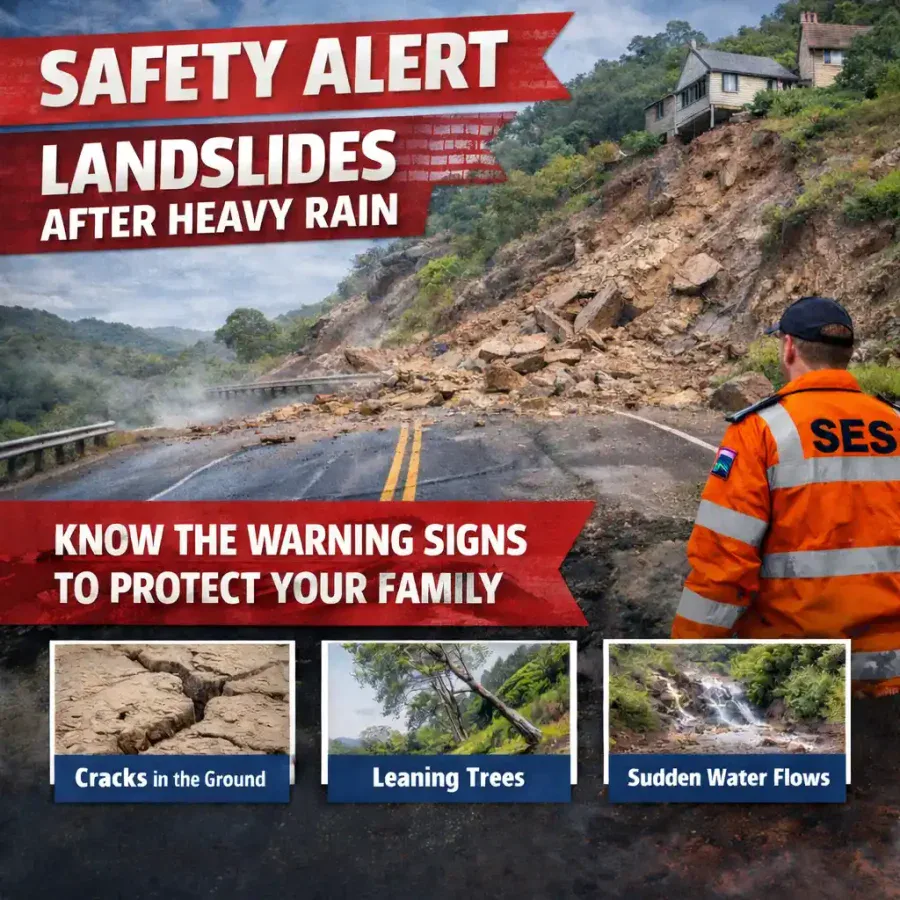
The State Emergency Service (SES) can provide support during floods, storms, and other natural disasters. They help with evacuations, temporary shelter, and logistics. Understanding the distinct roles of each service helps aged care staff coordinate effectively during crises.
It is also important for aged care providers to maintain up-to-date contact lists and establish direct communication lines with local emergency services before an incident occurs. Building these relationships enables quicker coordination and resource mobilisation. Additionally, understanding the legal responsibilities and reporting requirements during emergencies ensures compliance and supports accountability.
Moreover, aged care facilities should assign specific staff members as emergency coordinators who act as liaisons between the facility and emergency services. These coordinators are trained to manage communications, oversee evacuation procedures, and ensure that all safety protocols are followed. Their presence is vital to maintaining order and providing clear direction during high-pressure situations.

Developing Robust Evacuation Plans
An effective emergency evacuation plan is detailed, practical, and inclusive of all residents’ needs. It should identify primary and secondary evacuation routes, assembly points, and transport arrangements. The plan must address how to safely move residents with mobility challenges, cognitive impairments, or medical dependencies.
Staff roles during an emergency should be clearly defined, including who is responsible for communication, resident assistance, and liaising with emergency services. Contact information for local emergency services, community support groups, and family contacts must be up to date and easily accessible.
Training and regular drills are vital to ensure staff and residents understand the procedures and can react calmly and efficiently. Evacuation exercises should simulate realistic scenarios to test response times, communication systems, and equipment readiness.
Another crucial aspect of developing robust evacuation plans is the integration of technology. Many aged care facilities are adopting digital emergency management systems that provide real-time updates, staff alerts, and resident tracking during evacuations. Such tools enhance situational awareness and allow for quicker decision-making, particularly when managing large numbers of residents with diverse needs.
Moreover, evacuation plans must be culturally sensitive and inclusive. Australia’s aged care population is diverse, including Indigenous Australians and residents from various cultural backgrounds. Planning should respect cultural considerations, language barriers, and religious practices to ensure all residents feel supported and understood during emergencies.
In addition to physical evacuation routes and communication plans, aged care facilities are increasingly focusing on environmental design to improve safety during emergencies. This includes installing fire-resistant building materials, ensuring adequate lighting along evacuation paths, and creating safe rooms or zones where residents can be temporarily sheltered if immediate evacuation is not possible. These measures complement evacuation plans and enhance overall resilience.

Special Considerations for Residents
Older Australians in care often have complex health needs, including mobility aids, oxygen therapy, or medication regimens that must be managed during evacuations. Plans should include details on medication storage and transport, necessary medical devices, and staff trained in their use.
Communication with residents about evacuation procedures must be clear and compassionate, considering potential sensory impairments or cognitive decline. Families should also be informed about emergency plans and kept updated during incidents.
In addition to physical and medical needs, emotional wellbeing is a critical factor during emergency evacuations. Older adults may experience anxiety, confusion, or distress when faced with sudden changes or disruptions. Staff trained in psychological first aid can provide reassurance and support, helping to maintain calm and cooperation throughout the process.
Another consideration is the continuity of care after evacuation. Facilities should have arrangements for temporary accommodation that can accommodate residents’ medical and personal needs. This includes ensuring access to familiar caregivers, medical records, and essential equipment to minimise disruption and promote recovery.
It is also important to consider the individual evacuation plans for residents with dementia or other cognitive impairments. These residents may require additional support to understand instructions and may be prone to wandering. Staff should be trained in dementia care during emergencies to ensure these residents are safely guided and their unique needs are met.
Similarly, residents with sensory impairments such as hearing or vision loss need tailored communication methods. Visual alarms, tactile signage, and staff trained in alternative communication techniques can improve their safety during evacuations.
Practical Implications for Aged Care Providers
Implementing a comprehensive emergency evacuation plan requires commitment and ongoing review. Providers should work closely with local fire brigades, SES units, and health services to build strong partnerships. These relationships facilitate tailored advice, joint drills, and faster emergency response times.
Investing in infrastructure such as fire detection systems, clear signage, and physical aids for evacuation supports resident safety. Documentation of plans and training must comply with regulatory requirements and be regularly audited.
In the event of an emergency, maintaining calm and following established procedures reduces confusion and risk. Staff must be empowered to act decisively and communicate effectively with emergency services and families. Post-incident reviews help identify improvements and reinforce a culture of preparedness.
Providers are increasingly recognising the value of community engagement in emergency planning. Involving residents, families, and local community groups in preparedness activities fosters a shared understanding and collective responsibility. This inclusive approach can improve trust and cooperation during actual emergencies.
Furthermore, aged care providers should consider the challenges posed by remote or rural locations, where access to emergency services may be limited or delayed. Developing contingency plans that account for these factors, including stockpiling essential supplies and establishing alternative transport options, is critical to safeguarding residents.
It is also vital that providers regularly update their emergency plans to incorporate lessons learned from recent emergencies and changes in resident demographics. As the aged care population grows and diversifies, evacuation plans must evolve to address new challenges such as increased numbers of residents with complex medical needs or those requiring specialised equipment.
Additionally, collaboration with technology providers to implement innovative solutions like automated alert systems, electronic resident tracking, and virtual reality training modules can greatly enhance preparedness. These advancements enable more efficient resource allocation and offer immersive training experiences for staff, improving overall emergency response capabilities.
Conclusion
Aged care emergency evacuation planning is an essential safeguard that protects the lives and wellbeing of some of Australia’s most vulnerable citizens. Through detailed planning, staff training, and strong collaboration with emergency services, providers can ensure they are ready to respond effectively to fires, floods, or other crises.
By maintaining a calm, practical, and solutions-focused approach, aged care facilities contribute to safer communities and greater peace of mind for residents and their families alike.
Continued investment in emergency preparedness, embracing innovation, and fostering a culture of resilience will be key to navigating the challenges of future emergencies. Ultimately, the commitment to safeguarding older Australians through robust evacuation planning reflects the values of care, respect, and community that underpin the aged care sector.