INSIGHT
Large Warehouse Fire Spread Analysis
Large warehouse fires pose unique challenges to firefighters and emergency services across Australia. Understanding the mechanisms behind fire spread in these vast industrial spaces is essential to improve response strategies, minimise damage, and protect lives.
Key Takeaways
Large warehouse fires can spread rapidly due to open floor plans, high ceilings, and combustible storage materials, demanding specialised firefighting tactics and coordination.
Effective fire spread analysis involves understanding heat transfer, ventilation effects, and structural features to anticipate fire behaviour and risks.
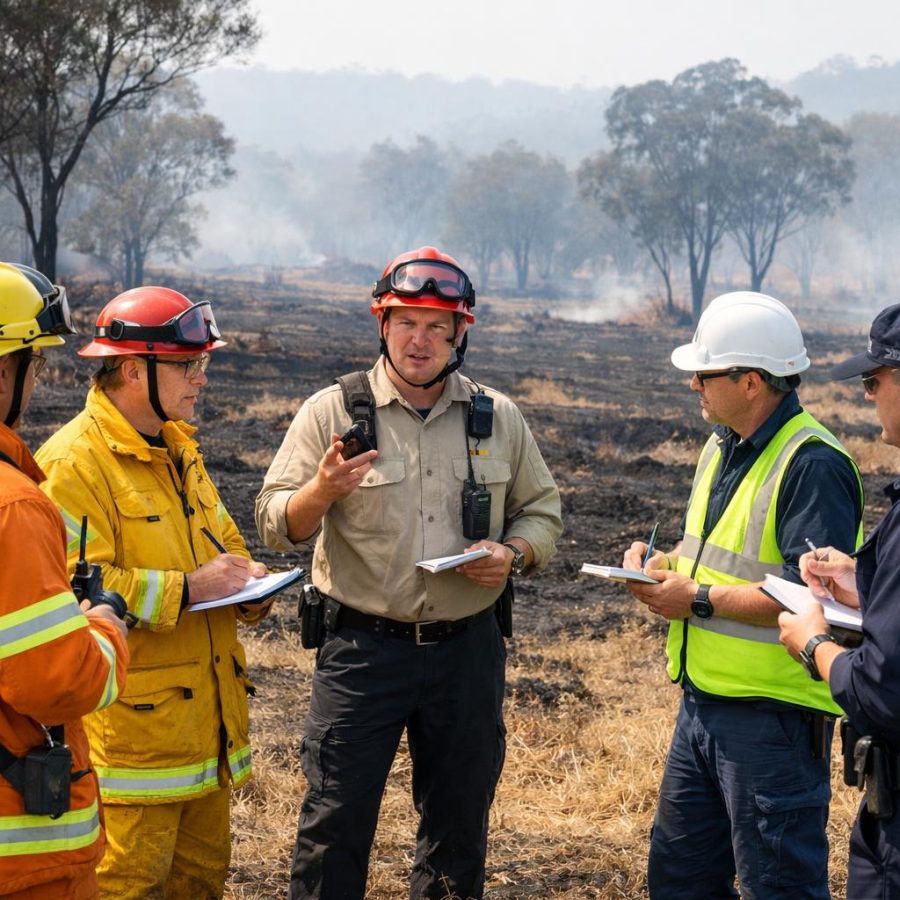
In Australia, emergency response roles are clearly defined: Fire and Rescue manage fire suppression, Police coordinate scene security and investigation, Ambulance provides medical aid, and SES supports with logistics and evacuation when needed.
Background and Context
Warehouses in Australia often store large volumes of goods, sometimes including flammable or combustible materials. The structural design typically features expansive floor areas with high ceilings, metal or concrete frames, and limited internal fire compartments. This combination can facilitate a rapid and extensive fire spread once ignition occurs.
Understanding the interplay between building design, stored materials, and environmental factors such as ventilation is crucial for assessing fire dynamics. This knowledge assists fire services in both preventing and responding effectively to warehouse fires.
Fire Spread Mechanisms in Large Warehouses
Open Plan Layout and Ventilation Effects
Warehouses often have minimal internal walls or barriers, allowing fire and smoke to move unhindered across large areas. This open plan layout can accelerate fire growth, especially when combined with natural or mechanical ventilation that supplies oxygen and drives heat and smoke movement.
Ventilation openings such as roller doors, vents, and skylights can create draft effects. These can either help contain the fire if used strategically or worsen spread by feeding the fire oxygen. Understanding these airflow patterns is critical for incident commanders when planning fire attack and ventilation tactics.
Heat Transfer and Combustible Materials
Fire spreads through conduction, convection, and radiation. In warehouses, radiant heat can ignite nearby combustible goods without direct flame contact, causing spot fires to develop rapidly across storage racks. Convection currents carry hot gases and embers upwards and across the building, spreading fire through suspended dust or airborne particles.
The type and arrangement of stored materials greatly influence fire behaviour. Pallets, cardboard boxes, plastics, and chemicals can burn intensely and produce toxic smoke, complicating firefighting efforts and requiring tailored suppression agents.
Furthermore, the height at which goods are stacked can significantly affect fire dynamics. High stacking creates vertical channels that facilitate rapid flame spread upwards, often leading to full involvement of storage racks if not promptly controlled. This vertical fire spread challenges firefighters, as it can compromise structural stability and increase the risk of collapse.
Additionally, the presence of flammable liquids or hazardous materials within warehouses requires special consideration. These substances can accelerate fire growth, produce explosive atmospheres, and emit highly toxic gases. Firefighters must be equipped with appropriate protective gear and suppression agents, such as foam or dry chemicals, to safely manage these risks.
Another critical factor influencing fire spread is the warehouse’s roofing and ceiling construction. Lightweight metal roofing, common in many warehouses, can rapidly heat up and transfer heat to structural members, potentially leading to early failure. Skylights and translucent panels, while providing natural lighting, may also act as weak points where fire can penetrate or heat can escape, altering internal fire dynamics.
Smoke stratification plays a significant role in large warehouse fires. Hot smoke tends to accumulate near the ceiling, creating layers of toxic gases and reducing visibility. This phenomenon complicates firefighting efforts, as it affects the safe movement of personnel and the effectiveness of ventilation strategies designed to clear smoke and heat.
Emergency Response Roles and Coordination
Fire and Rescue
Fire and Rescue NSW and equivalent state services are the primary agencies responsible for fire suppression and rescue operations in warehouse fires. Their role includes assessing fire spread potential, deploying appropriate suppression techniques, managing ventilation, and conducting search and rescue if required.
Modern firefighting tactics often involve the use of thermal imaging cameras to identify hotspots and hidden fire pockets within large warehouse spaces. This technology enhances situational awareness and enables more targeted suppression efforts, reducing water damage and improving firefighter safety.
Firefighters also rely heavily on pre-incident planning, which includes familiarisation with warehouse layouts, understanding the location of hazardous materials, and identifying potential evacuation routes. Such planning enables faster, safer, and more effective interventions during active fire events.
Police Services
Police assist by securing the incident scene, controlling traffic and crowds, and supporting investigations into fire cause and any criminal activity. Their presence is essential to maintain order and facilitate safe access for emergency responders.
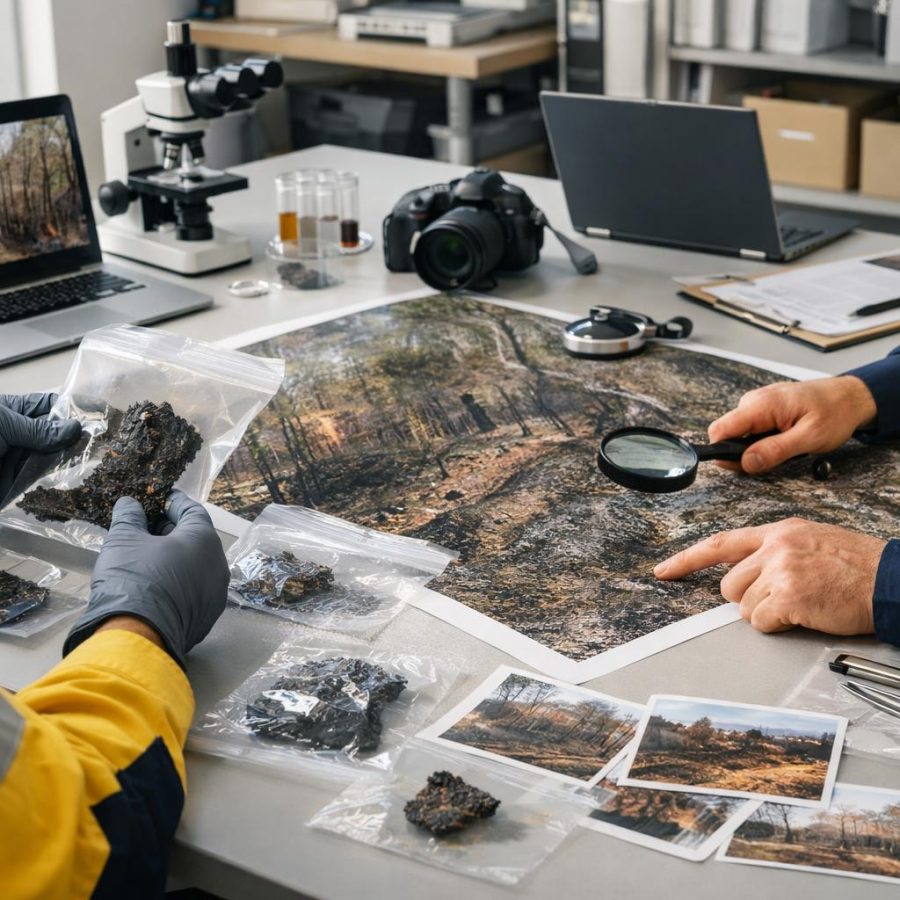
In many cases, police collaborate with fire investigators and insurance assessors to determine the origin and cause of the fire. This multidisciplinary approach ensures that lessons are learned and that any negligence or arson is appropriately addressed.
Additionally, police may coordinate with local authorities to manage public communication during large-scale warehouse fires, providing timely updates and safety instructions to affected communities.
Ambulance and Medical Support
Paramedics provide emergency medical care to injured workers, firefighters, or bystanders. Early medical intervention can be lifesaving in cases of smoke inhalation, burns, or trauma sustained during fire events.
Given the toxic smoke generated by burning plastics and chemicals common in warehouses, paramedics are often prepared to treat respiratory distress and provide oxygen therapy on-site. Coordination with hospitals ensures rapid transfer and specialised care when needed.
Medical teams also play a key role in post-incident care, supporting mental health and rehabilitation for those affected by traumatic fire events. Their involvement is critical in managing both physical and psychological impacts of large-scale warehouse fires.
State Emergency Service (SES)
The SES often supports with evacuation, traffic management, lighting, and logistics. Their role is particularly important in prolonged incidents or when large numbers of people need to be moved to safety.
In addition to logistical support, SES volunteers frequently assist with post-incident recovery efforts, including securing damaged structures and providing community information and support services.
SES also plays a critical role in coordinating volunteer efforts and liaising with local councils to facilitate rebuilding and rehabilitation processes after major warehouse fire incidents.
Practical Implications for Fire Prevention and Response
Warehouse managers and safety officers should prioritise fire prevention by implementing strict storage controls, ensuring clear access routes for firefighting, and maintaining fire detection and suppression systems according to Australian standards.
Regular fire drills and training for warehouse staff can significantly improve preparedness and reduce response times during an actual fire event. Staff trained in the use of fire extinguishers and emergency evacuation procedures contribute to early containment and safer outcomes.
In the event of a warehouse fire, calling triple zero (000) immediately is critical. Providing clear information about the location, nature of the fire, and any hazards present supports a swift emergency response.
Firefighters rely on detailed knowledge of the warehouse layout and stored materials to predict fire spread and select appropriate tactics. Collaboration between warehouse personnel and emergency services before an incident can save valuable time and lives.
Post-incident analysis and debriefings are also vital components of continuous improvement. By reviewing response effectiveness and fire behaviour, agencies and businesses can update risk assessments, enhance training, and strengthen fire prevention measures.
Emerging technologies such as drone surveillance and advanced fire modelling software are increasingly being adopted to improve fire spread prediction and real-time incident management. These tools provide valuable aerial perspectives and data analytics, aiding decision-making in complex warehouse fire scenarios.
Furthermore, integrating Internet of Things (IoT) sensors within warehouses can offer early detection of heat, smoke, or gas anomalies, triggering automated alerts to both staff and emergency services. Such innovations enhance early intervention capabilities and potentially reduce fire impact.
Understanding large warehouse fire spread is a key step toward safer workplaces and more effective emergency responses across Australia.
FireRescue Training Hub
Access practical fire and emergency study support resources, downloads, checklists, audio guides, and member-only course content.
- Course library
- PDF downloads
- Audio guides
- Checklists
Study support only. Not accredited training or a replacement for workplace procedures.
About the author and safety review
Ken Walker
Former Station Officer and fire service educator
Former career firefighter with extensive career and volunteer fire service experience.
Qualifications: Associate Diploma of Applied Science in Fire Technology; Institute of Fire Engineers studies.
Author profilehttps://www.firerescue.com.au/about-us/