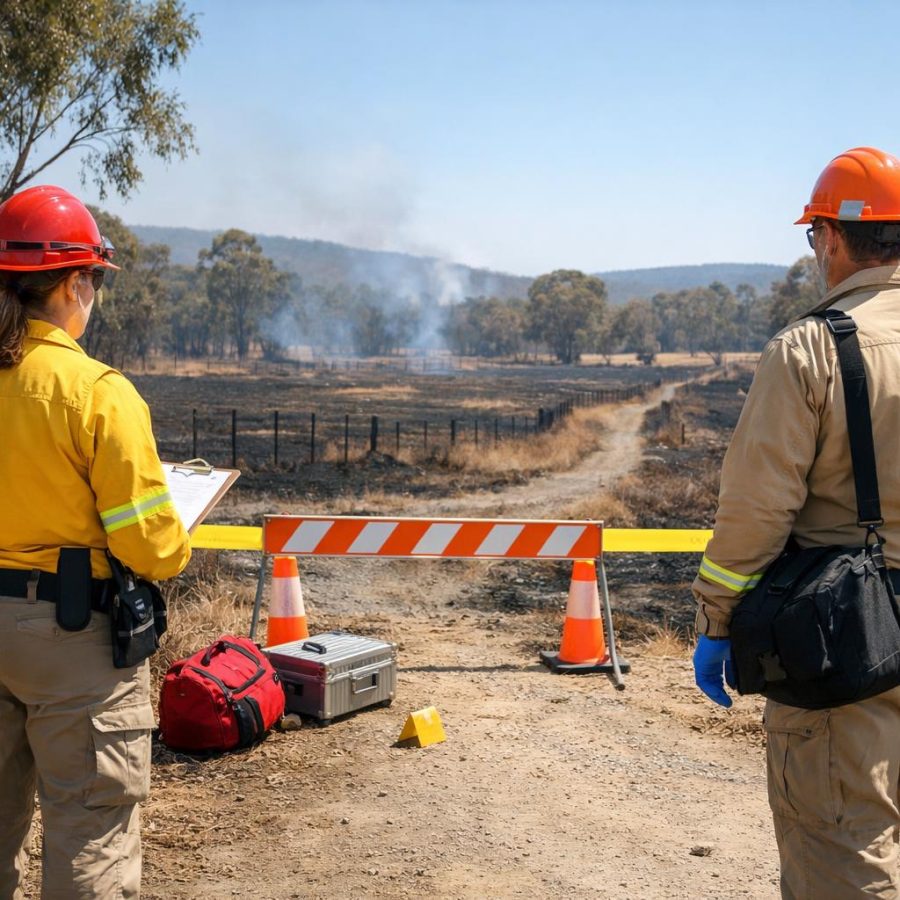
Psychological First Aid Essentials
Key takeaways
Psychological first aid (PFA) is a practical, compassionate approach to supporting people experiencing distress after emergencies or traumatic events. It focuses on providing immediate emotional and physical safety, connection, and basic support without forcing people to talk or relive the trauma.
In Australia, knowing when and how to apply PFA is crucial for first responders, volunteers, and community members alike. The roles of Fire/Rescue, Police, Ambulance, and the State Emergency Service differ but complement each other in ensuring both physical and psychological safety.
If someone is in immediate danger or requires urgent medical or police assistance, calling 000 remains the first step. Psychological first aid then provides a calm, respectful way to help people regain a sense of control and connection while waiting for or alongside professional support.
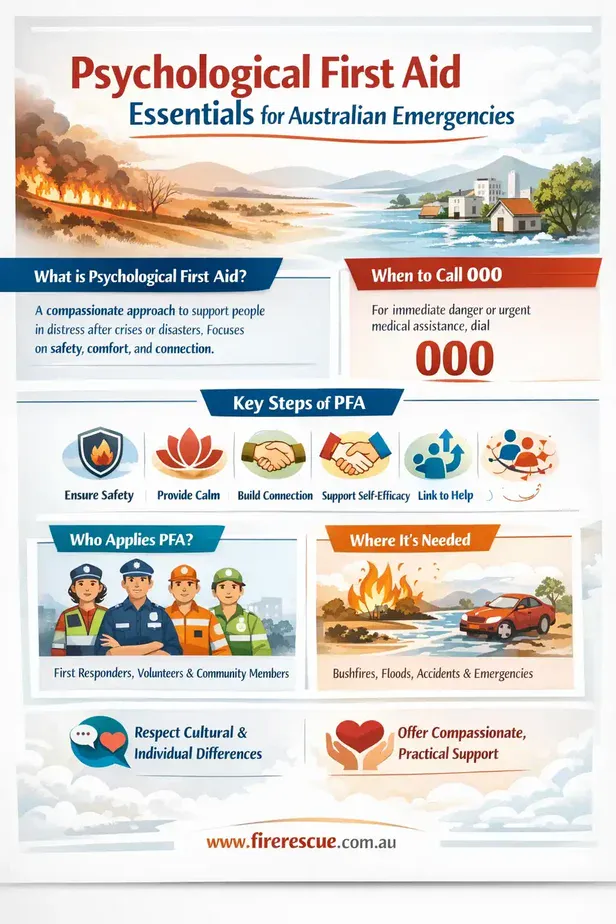
Psychological First Aid Essentials for Australian Emergencies
Learn the core basics of psychological first aid, when to prioritise emergency support, and practical ways to help people stay calm, safe, and connected during stressful events.
- Clear and practical Australian-focused guidance
- Easy-to-follow support steps
- Helpful for households, volunteers, and responders
General information only. In an emergency, call 000.
Understanding Psychological First Aid Basics
Psychological first aid is not professional counselling or therapy. Instead, it involves simple, compassionate actions that anyone can use to help individuals who have experienced or witnessed a crisis. The aim is to reduce initial distress, support coping mechanisms, and facilitate access to further help if needed.
In the Australian context, PFA is especially relevant for natural disasters such as bushfires, floods, and storms, as well as accidents and community emergencies. The response focuses on respecting cultural diversity and individual differences, recognising that everyone experiences trauma in their own way.
Key elements of psychological first aid include establishing safety, fostering calm, encouraging connection, supporting self-efficacy, and linking people to social and professional resources. These steps help prevent further harm and promote resilience in affected individuals.
It is important to understand that psychological first aid is designed to be flexible and adaptable to different situations and individuals. The approach acknowledges that trauma responses can vary widely, from shock and numbness to anxiety and anger. Being sensitive to these reactions without judgement is fundamental to effective support.
Moreover, PFA encourages empowering individuals by recognising their strengths and encouraging their active participation in recovery. This approach not only helps in the immediate aftermath of crisis but also builds longer-term resilience and community cohesion.
Step-by-Step Approach to Psychological First Aid
Ensure Safety
The first priority is to ensure the physical safety of both the person in distress and yourself. If there is an ongoing hazard such as fire, flood, or danger from unstable structures, immediately call emergency services on 000. Fire/Rescue NSW or the local fire authority handle fire emergencies, the State Emergency Service manages flood and storm response, Police respond to law enforcement and security concerns, while Ambulance services provide urgent medical care.
Once the immediate physical danger is addressed or controlled, you can begin to focus on emotional and psychological safety by creating a calm, private space when possible. This might involve moving the person away from crowds or noisy environments to a quieter spot where they feel more secure.
Connect and Listen Without Pressure
Approach the person gently, introduce yourself if appropriate, and offer support. Use open, calm body language and allow them to share what they want without pressuring them to talk. Listening carefully and validating their feelings helps build trust and reduces feelings of isolation.
It is equally important to respect if the individual prefers silence or needs time alone. Psychological first aid is about offering presence and reassurance rather than pushing for disclosure. Simple statements such as “I’m here if you want to talk” or “It’s okay to feel this way” can be comforting.
Stabilise and Calm
Help the person regulate intense emotions by encouraging slow, deep breathing or grounding techniques like focusing on physical sensations or surroundings. Offer reassurance that their reactions are normal responses to a distressing situation.
Grounding exercises might include asking the person to describe objects in the room, feel the texture of an item, or notice their feet on the ground. These techniques help bring their attention back to the present and reduce overwhelming feelings.
Provide Practical Assistance
Assist with immediate needs such as food, water, warmth, or contacting family or support networks. Help problem-solve practical issues without taking over control. For example, guide them to a safe shelter or assist in arranging transport if needed.
Practical assistance also includes helping individuals access information about their situation, such as updates on the emergency or advice on what to expect next. Being an informed and calm presence can reduce uncertainty and fear.
Link to Further Support
Offer information about available community services, mental health support lines, or emergency relief organisations. If the person shows signs of severe distress or risk to self or others, encourage professional help and, if necessary, assist with contacting appropriate services.
It is also important to follow up when possible, ensuring that the person has accessed the recommended supports. Psychological first aid is often the first step in a continuum of care that includes counselling, therapy, and community recovery programs.
Roles of Emergency Services in Psychological First Aid
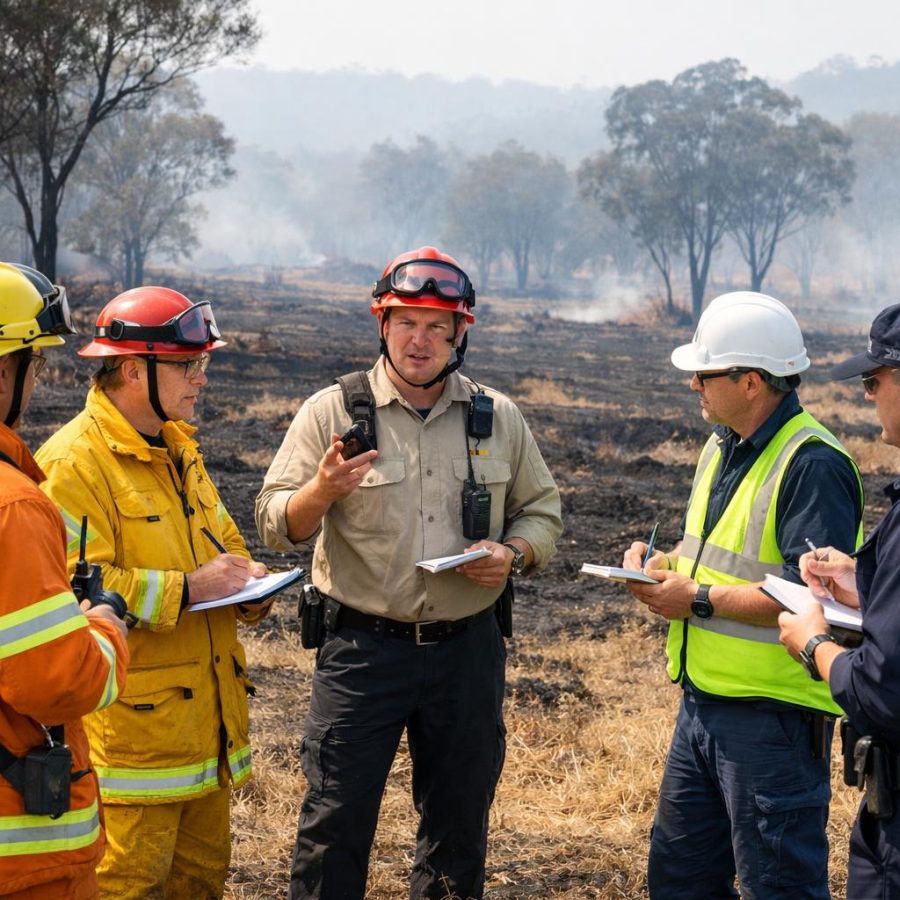
In Australia, different emergency services each have an important role in managing emergencies and providing support. Fire and Rescue services are primarily responsible for fire suppression, rescues, and hazardous materials incidents. They also often provide initial support to affected individuals at scenes.
Police officers maintain public safety, manage security, and coordinate evacuations where necessary. They also support vulnerable people and help link them to appropriate care.
Ambulance paramedics provide urgent medical care and transport, with training to recognise and respond to psychological distress as part of holistic patient management.
The State Emergency Service (SES) specialises in flood, storm, and other natural disaster responses, assisting with evacuations, damage assessments, and community support. SES volunteers often provide emotional support alongside practical help during and after events.
Understanding these roles helps community members know who to contact and what support to expect during emergencies. Calling 000 remains the gateway to accessing all these services quickly.
In addition to their operational roles, many emergency services have integrated mental health professionals and peer support programs within their teams. These specialised supports assist responders themselves in managing the emotional toll of their work, which in turn improves their capacity to provide compassionate psychological first aid in the field.
Community engagement and education initiatives by emergency services also promote awareness of psychological first aid, helping to build a more prepared and resilient population.
Background and Context
Australia’s vast landscapes and climate make it particularly prone to emergencies like bushfires, floods, and severe storms. These events not only cause physical harm but also psychological trauma to individuals, families, and communities. Over recent decades, awareness of mental health impacts and the need for early psychological support has grown within emergency management frameworks.
Psychological first aid was developed as a practical response to this need, emphasising simple, immediate actions that can reduce distress and promote recovery. It complements traditional emergency response by addressing the invisible wounds that often follow disaster.
The increasing frequency and intensity of natural disasters linked to climate change have further underscored the importance of psychological first aid. Communities affected by repeated emergencies face cumulative stress, making timely and sensitive psychological support even more vital.
Incorporating psychological first aid into emergency preparedness plans and training ensures that responders and community members are equipped to handle not only the physical but also the emotional aftermath of crises. This holistic approach contributes to faster individual and community recovery.
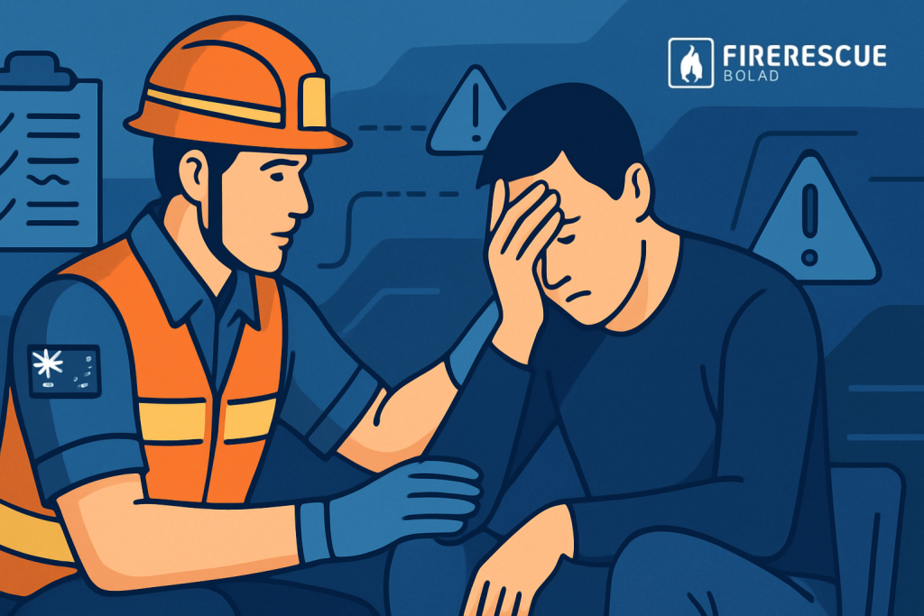
Practical Implications for Community and Responders
Anyone can learn psychological first aid basics to support friends, family, neighbours, or strangers affected by crisis. Whether you are a firefighter, police officer, SES volunteer, paramedic, or concerned community member, the skills involved are practical and accessible.
Training and resources are available through various Australian organisations including Red Cross, Beyond Blue, and government emergency services. Incorporating psychological first aid into preparedness and response plans strengthens community resilience overall.
In practice, remember that safety always comes first. After physical hazards are managed, offering calm, respectful, and non-judgmental support can make a real difference to those experiencing trauma. Encouraging connection, providing practical help, and guiding people towards professional support when needed are key ways to help communities recover.
It is also vital for responders to be aware of their own mental wellbeing. Exposure to traumatic events can impact responders’ psychological health, and accessing peer support, debriefing, and professional help is encouraged. Maintaining resilience among responders ensures sustained capacity to assist others effectively.
Communities benefit greatly when psychological first aid principles are integrated into broader disaster recovery efforts, including ongoing counselling services, community rebuilding activities, and social support programs. This comprehensive approach fosters healing and reduces long-term mental health consequences.
FireRescue Training Hub
Access practical fire and emergency study support resources, downloads, checklists, audio guides, and member-only course content.
- Course library
- PDF downloads
- Audio guides
- Checklists
Study support only. Not accredited training or a replacement for workplace procedures.
About the author and safety review
Ken Walker
Former Station Officer and fire service educator
Former career firefighter with extensive career and volunteer fire service experience.
Qualifications: Associate Diploma of Applied Science in Fire Technology; Institute of Fire Engineers studies.
Author profilehttps://www.firerescue.com.au/about-us/