Home safety essentials
Key takeaways
During a biosecurity emergency, keeping your home clean and hygienic is essential to reduce the risk of contamination. This checklist guides you through simple, effective actions tailored for Australian conditions. Focus on thorough cleaning, proper waste disposal, and careful handling of food and water.
Avoid common mistakes like overlooking frequently touched surfaces or using ineffective disinfectants. Always follow advice from official agencies and local authorities to stay safe and informed.

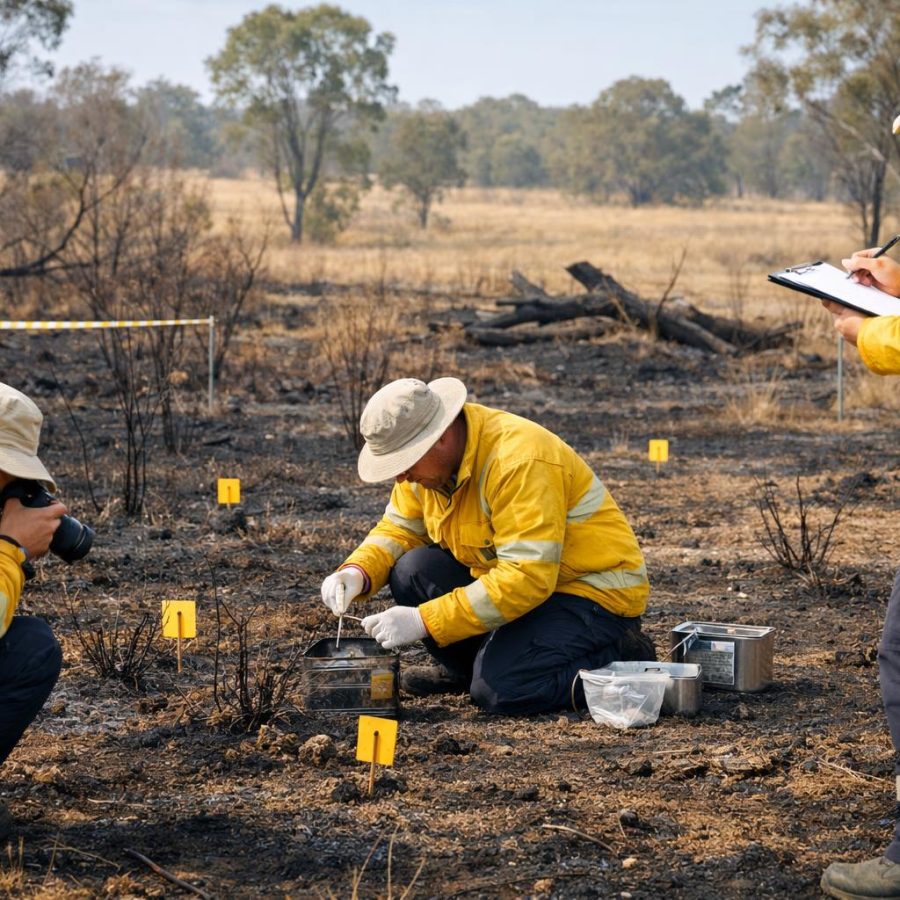
Photo by 11066063 via Pixabay
Understanding Biosecurity Emergencies
Biosecurity emergencies can arise from outbreaks of infectious diseases, pests, or contamination events that threaten human health, agriculture, or the environment. They may result from natural causes or accidental releases. In any case, maintaining good hygiene at home during these times is a key defence to protect yourself, your family, and your community.
Such emergencies often require rapid adaptation of daily routines to mitigate risks effectively. Understanding the nature of the threat, whether viral, bacterial, or pest-related, can help tailor hygiene practices accordingly. For example, certain pathogens may survive longer on surfaces or require specific disinfectants, so staying informed about the specific biosecurity threat is crucial.
Downloadable A4 Checklist
Print this and keep it somewhere visible. Tick items as you go, it helps under pressure.
Moreover, biosecurity emergencies can have cascading effects that go beyond immediate health concerns. Agricultural pests may devastate crops, leading to food shortages, while environmental contamination can disrupt ecosystems. Recognising these broader impacts underscores the importance of home hygiene as part of a community-wide response strategy. By maintaining a clean and safe household, you contribute to limiting the spread and impact of these emergencies.
Preparing Your Home for Biosecurity Emergencies
Before a biosecurity emergency occurs, it is important to prepare your home to reduce contamination risks. Start by identifying high-touch areas like door handles, light switches, and kitchen surfaces. Stock up on cleaning supplies such as disinfectants suitable for viruses and bacteria, disposable gloves, and hand sanitiser containing at least 60% alcohol.
Ensure you have adequate storage for waste and contaminated materials. Make a habit of washing hands frequently and educate family members on proper hygiene practices. Simple preparations help you respond quickly and effectively when an incident occurs.
In addition to physical preparations, it is wise to establish a communication plan amongst household members and with neighbours or community groups. Sharing information about local biosecurity alerts and collective hygiene efforts can strengthen community resilience. Also, consider the needs of vulnerable individuals in your home, such as children, elderly family members, or those with compromised immune systems, to ensure they receive extra care during emergencies.
Another important preparation step is to familiarise yourself with the correct use and disposal of personal protective equipment (PPE). Knowing how to properly don and doff gloves and masks can prevent self-contamination. Additionally, plan for potential disruptions to utilities such as water or electricity, which may affect your ability to maintain hygiene. Having backup water supplies and alternative cleaning methods can be invaluable.
Daily Hygiene Actions During a Biosecurity Emergency
During an emergency, increase the frequency of cleaning and disinfecting. Use approved disinfectants on hard surfaces, focusing on kitchen benches, bathroom fixtures, and any shared equipment. Avoid using fabric sprays or products not designed for biosecurity situations as they may be ineffective or harmful.
Handle waste carefully by sealing rubbish bags and placing them in designated bins. Wash laundry thoroughly with detergent at the hottest water temperature suitable for the fabric. If you care for pets, ensure their living areas are also kept clean and avoid contact with wildlife or stray animals.
It is also important to ventilate your home regularly to reduce airborne contaminants. Open windows when weather permits, or use air purifiers with HEPA filters to improve indoor air quality. Avoid sharing personal items such as towels, utensils, or bedding to minimise the spread of pathogens. Maintaining these daily routines consistently will greatly reduce the risk of contamination within your household.
In addition, monitor the condition of cleaning supplies and replace them as needed, particularly disinfectants that may lose effectiveness over time. Be mindful of the environmental impact of increased chemical use by selecting products that are both effective and environmentally responsible. Regularly cleaning electronic devices with appropriate wipes helps reduce potential contamination points. These additional steps enhance your hygiene routine and support a safer living environment.
Food and Water Safety in Emergencies
Food and water can become sources of contamination if not handled properly. Store food in sealed containers and avoid consuming expired or suspicious items. Wash fresh fruits and vegetables well with clean water. During some biosecurity events, local authorities may issue boil water advisories—always follow them without delay.
Use separate utensils and cutting boards for raw and cooked foods to prevent cross-contamination. Clean kitchen cloths and sponges frequently or replace them. Safe food and water practices support your overall hygiene and reduce the chance of illness.
During prolonged emergencies, consider stocking up on non-perishable food items and bottled water to reduce trips outside and potential exposure. If water supply is affected, besides boiling water, you might also use water purification tablets or filters certified for pathogen removal. Always check the expiry dates and storage conditions of your emergency food and water supplies to ensure they remain safe to consume.
Furthermore, be cautious with food deliveries or donations, which might not always meet strict hygiene standards during emergencies. When receiving such items, inspect packaging and reheat or wash food thoroughly if appropriate. Consider keeping a small emergency kitchen kit with basic utensils and cleaning supplies dedicated to emergency use only, to prevent cross-contamination with everyday kitchenware.
Common Mistakes to Avoid
One common mistake is neglecting the cleaning of often overlooked surfaces such as mobile phones, remote controls, and doorknobs. Another is using household cleaners that do not kill viruses and bacteria effectively. Avoid mixing cleaning products as this can cause harmful fumes.
Failing to wear gloves or wash hands thoroughly after handling waste or contaminated items increases risk. Disposing of rubbish improperly may spread contaminants outside your home. Lastly, ignoring official updates and continuing unsafe behaviours can undermine all your efforts.
Other mistakes include underestimating the importance of proper drying of cleaned surfaces, which can support microbial growth if left damp. Additionally, reusing disposable gloves without changing them between tasks can cross-contaminate areas. Being mindful of these details enhances the effectiveness of your hygiene efforts.
Another frequent error is neglecting the hygiene of personal protective equipment, which should be regularly cleaned or replaced to avoid becoming a source of contamination. Overlooking the safe storage of cleaning chemicals away from children and pets can also pose health risks. Lastly, failing to adapt hygiene routines as the nature of the biosecurity threat evolves may leave gaps in protection, so continual vigilance and adjustment are necessary.

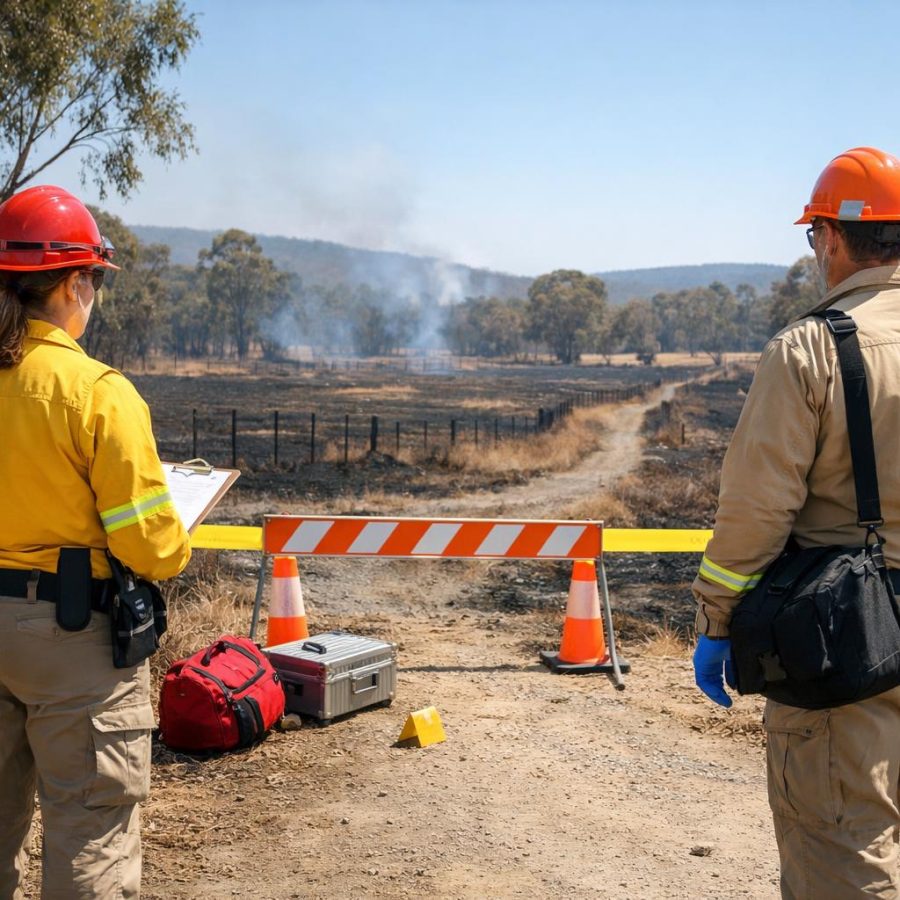
Photo by Fleimax via Pixabay
If You Only Do Five Things
First, wash your hands frequently with soap and water for at least 20 seconds, especially after being outdoors or touching shared surfaces. Second, disinfect high-touch surfaces daily to reduce the chance of contamination. Third, handle and store food safely, following all boil water or food safety advisories from local authorities.
Fourth, dispose of waste carefully by sealing rubbish bags and following local guidelines. Fifth, stay informed by monitoring official updates and warnings, and adjust your hygiene practices accordingly.
By focusing on these five critical actions, you create a strong foundation for protecting your household during biosecurity emergencies. Consistency and attention to detail in these areas will significantly reduce the risk of contamination and illness.
Integrating these five key practices into your daily routine not only protects you during emergencies but also builds lasting habits that improve overall household health. Encourage all family members to understand and participate in these actions, fostering a collective responsibility for safety and wellbeing.
Following Official Advice
Always prioritise information from Australian government agencies, local councils, and health departments. They provide guidance tailored to your area and the specific biosecurity risks present. In case of doubt, contact trusted emergency services or biosecurity officers for advice.
Official sources also offer updates on containment measures, vaccination programs, or pest control efforts that may affect your home and community. Engaging with these communications ensures you are not only protecting your household but also contributing to broader public health and environmental protection goals.
In addition to monitoring official channels, consider subscribing to alerts via apps or SMS services provided by authorities. This real-time information can be critical for responding promptly to changing situations. Participating in community forums or meetings about biosecurity can also enhance your understanding and preparedness, creating a network of informed neighbours ready to support each other.
Summary
Maintaining home hygiene during biosecurity emergencies requires awareness, preparation, and consistent action. The biosecurity emergency home hygiene checklist helps you stay on track with clear steps focused on disinfecting, waste management, food safety, and following official advice. Staying calm and methodical protects your household and supports community resilience in challenging times.
Remember that biosecurity emergencies can be unpredictable, and adapting your hygiene practices as new information emerges is vital. By fostering good habits and remaining vigilant, you contribute to a safer environment not only for your family but for your neighbours and the wider community. Together, these efforts form a robust defence against biosecurity threats.
Ultimately, a proactive approach to home hygiene during biosecurity events is a critical component of public health strategy. By empowering yourself with knowledge and practical steps, you help reduce the spread of harmful agents and protect Australia’s unique environment and communities. Stay informed, prepared, and connected to build resilience that benefits everyone.
FireRescue Training Hub
Access practical fire and emergency study support resources, downloads, checklists, audio guides, and member-only course content.
- Course library
- PDF downloads
- Audio guides
- Checklists
Study support only. Not accredited training or a replacement for workplace procedures.
About the author and safety review
Ken Walker
Former Station Officer and fire service educator
Former career firefighter with extensive career and volunteer fire service experience.
Qualifications: Associate Diploma of Applied Science in Fire Technology; Institute of Fire Engineers studies.
Author profilehttps://www.firerescue.com.au/about-us/