Response Equipment Readiness: The Full Bay Check Challenge
Response equipment readiness is not created by one single check. It is built through a complete chain of actions: inspect, test, clean, maintain, assemble, record, restow and confirm readiness for future use.
Bring it together
The full Bay Check
Ready for future use
What this final learning guide covers
This fifth and final lesson brings the full series together. It turns the unit’s main requirements into one practical readiness challenge: inspect equipment, identify and report issues, test it properly, record results, clean it safely, maintain and assemble it, update records, restow it correctly and confirm it is ready for future operational use.
0 of 6 sections refreshed
Readiness is a chain, not a single task
Across this series, we have explored the major parts of response equipment readiness one step at a time. Part 1 covered inspection and the importance of identifying missing, faulty or damaged equipment. Focused Part 2 on testing equipment and proving whether it is fit for purpose. Part 3 looked at safe cleaning, cleaning agents, Safety Data Sheets, WHS risks and environmental care. Part 4 explained maintenance, assembly and proper restow. This final lesson joins every step together.
The central lesson is simple:
response equipment readiness works as a chain. If one link is weak, the final result is weaker. An item may be clean but not tested. It may be tested but not recorded. May be maintained but not restowed properly. It may be placed back in the correct bay while still carrying an unreported fault. Each of those gaps creates uncertainty. Emergency readiness is strengthened when the whole process is completed properly.
The unit behind this series requires that equipment be inspected, tested, cleaned, maintained, assembled, stowed, recorded and made ready for future use. These are not disconnected chores. They are parts of one professional cycle. The cycle begins when equipment is checked and continues until the equipment has been returned to a reliable, traceable and future-ready state.
This matters because response work depends on trust. Crews trust that gear is where it should be. Trusted that it has been tested where required. They trust that faults have not been hidden. Then trust that cleaning and maintenance have been completed properly. That records reflect the truth. That trust is built during routine work, well before the next emergency begins.
The Full Bay Check: an eight-step readiness cycle
To bring the entire series together, use this memory tool: The Full Bay Check. It is not a replacement for organisational procedures. It is a practical learning framework that helps you remember the full shape of the task. The full process moves from finding problems, to confirming performance, to restoring equipment and leaving a clear record for the next crew.
Inspect
Check the equipment in accordance with organisational procedures.
Identify
Find missing parts, damage, faults or anything unusual that could affect readiness.
Test
Use the correct procedure and standard to determine whether equipment is fit for purpose.
Record
Document test results, equipment status and relevant updates as required.
Clean
Remove contamination safely using approved methods, cleaning agents and SDS guidance.
Maintain
Complete authorised maintenance tasks and report issues that need further action.
Assemble
Return the equipment to its complete and correct operational configuration.
Restow
Place it correctly, secure it properly and make it ready for future use.
This readiness cycle is powerful because it prevents “half-complete” work. A crew may feel like the job is done once equipment is washed or placed back in a compartment, but that may not be true. Was it tested? And was the record updated? or may be the missing part reported? Was the item fully assembled? The Full Bay Check encourages crews to mentally scan the whole task before walking away.
The sequence may vary depending on equipment type and local procedures. Some items may be tested before cleaning. Others may be cleaned before certain checks. The organisation’s process always comes first. The value of this learning framework is that it ensures no important readiness responsibility is forgotten.
Which actions belong in the full readiness cycle?
Select every action that genuinely belongs in a complete response equipment readiness process.
A full scenario: equipment returns from use
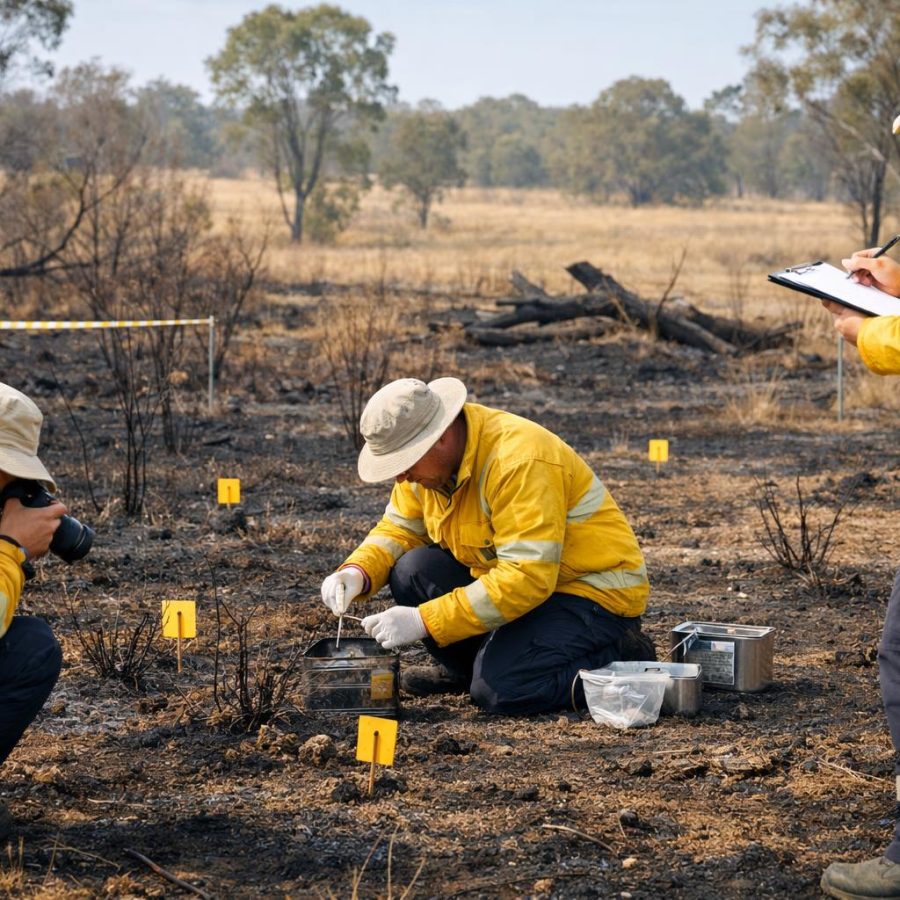
Imagine a crew has just returned from an incident or an operational exercise. A range of response equipment has been used. Some items are dirty. One piece of equipment appears to have a missing attachment. Another item functioned during the job but did not seem to perform as strongly as expected. Several pieces of gear now need cleaning, maintenance, assembly and restow. This is where the full readiness cycle becomes practical.
The first task is not to rush everything back into the bay. The first task is to assess what has returned. Equipment is inspected in accordance with organisational procedure. Missing parts are identified. Faulty or damaged equipment is not silently ignored. It is reported and recorded. This creates a truthful picture of the equipment state before the restoration work begins.
Where testing is required, it must be carried out using the relevant procedure and standard. If the equipment is confirmed as fit for purpose, that outcome can be recorded. If defective equipment or substandard performance is identified, it must also be reported and recorded. This matters because the item may have operated under pressure during the job, but that does not automatically mean it is ready for the next one.
Cleaning then takes place according to procedure.
If cleaning agents or chemicals are used, they should be handled according to manufacturer instructions and relevant SDS guidance. PPE, WHS hazards and environmental issues such as dirty runoff or wastewater are considered. The aim is to remove contamination without creating a new exposure risk or causing avoidable pollution.
After cleaning, the equipment is maintained and assembled according to procedure. Components are returned to their correct positions. Issues that cannot be resolved within routine authorised maintenance are reported. Equipment records are updated where required. Finally, the equipment is recovered, restowed and made ready for future use. This final phrase matters. The task is not finished when something is merely put away. It is finished when it is genuinely ready again.
Equipment comes back
Used items are gathered, checked and separated where required.
Inspect and test
Missing parts, faults and performance issues are identified and handled correctly.
Clean and maintain
Equipment is cleaned safely, maintained appropriately and reassembled correctly.
Record and restow
Records are updated and gear is made ready for future operational use.
The equipment is back, but three issues remain
A crew has returned from an operational task. One item needs cleaning, one item showed substandard performance during testing and one small attachment is missing. What is the best final readiness response?
Records and communication close the readiness loop
One of the most important final-stage responsibilities is updating records. The unit makes this clear: equipment records are to be updated in accordance with organisational procedures. This requirement connects every stage of the process. Records may reflect inspections completed, test outcomes, defects identified, missing parts reported, maintenance completed or the restored status of the equipment. The exact record type will differ by organisation, but the principle is consistent.
Accurate records protect continuity. Emergency services operate across shifts, crews, roles and sometimes multiple locations. The person who finds a fault may not be the person who organises a repair. The person who updates a testing record may not be the one who later confirms a replacement part has arrived. Records allow those tasks to remain connected. They turn individual actions into organisational knowledge.
Communication matters for the same reason.
The assessment requirements linked to this unit specifically include communicating information in accordance with organisational procedures. This is not limited to formal written records. It also includes passing on important information clearly through the appropriate channels. If a fault is present, if an item is unavailable, if a part is missing or if equipment has not been returned to ready status, the right people need to know.
A readiness process that finishes without clear communication can still fail. Equipment may be cleaned, carefully placed in a bay and even partly maintained, but if a remaining concern is not recorded or passed on, the next crew may inherit a hidden problem. Professional equipment readiness requires honesty. If something is ready, make that clear through the expected process. If something is not ready, make that clear too.
What was checked
Document inspections, tests or equipment status where required.
What needs action
Identify faults, missing parts or below-standard performance clearly.
What changed
Reflect maintenance, restow status and any relevant equipment record update.
This is where the quiet professionalism of equipment work becomes obvious. Good records and good communication reduce assumptions. They make follow-up easier. They protect the next crew. They give supervisors and equipment custodians a clearer picture of what is ready and what still requires action.
Six signs equipment is genuinely ready for future use
The unit’s final readiness requirement is that equipment is recovered, restowed and made ready for future use. That phrase should not be passed over quickly. “Future use” means someone may rely on the same item later without warning. The equipment may be needed on the next shift, during the next incident or in the next training evolution. The current crew’s final duty is to leave it in a condition that supports that future use.
So what does genuine future-use readiness look like? It means more than the equipment simply being back in storage. It means the whole readiness chain has been addressed. It means there is no known fault quietly hiding behind a clean surface. It means the right records exist. It means the item is not only present, but complete, assembled, stowed and trustworthy within the organisation’s process.
Inspected
The equipment has been checked according to procedure.
Tested if required
Performance has been confirmed or issues have been identified.
Clean and safe
Contamination has been managed without creating new hazards.
Maintained and assembled
The item has been restored to its correct usable configuration.
Recorded and reported
Relevant information has been updated and concerns communicated.
Restowed for use
The equipment is in the right place and ready for the next operational need.
A useful final question is: “Would a capable crew member who did not complete this task be able to rely on this equipment without being surprised?” If the answer is yes, you are close to the true readiness standard. If the answer is uncertain, the work may not be finished yet.
The Bay Check standard: finish the job properly
This series began with one basic idea: equipment readiness starts before the next job depends on it. Across five parts, that idea has grown into a full practical framework. Inspect before you need it. Test it properly. Clean without creating new risks. Maintain, assemble and restow. Then bring every step together through the Full Bay Check.
The deepest lesson is not only technical. It is cultural. Emergency services have always relied on discipline, order and care. Equipment readiness expresses all three. It shows respect for the role, respect for fellow crew members and respect for the people who may need help during the next emergency. A good readiness routine is one of those quiet practices that rarely attracts attention when done well, yet its absence can be noticed immediately when something goes wrong.
The Bay Check standard is therefore not about perfectionism. It is about reliable completion. It recognises that equipment needs to be handled truthfully. If ready, leave it ready. It’s not ready, report it. Do records need updating, update them. If cleaning or environmental controls are needed, manage them. When assembly or restow is incomplete, finish it properly. That approach is practical, traditional and still essential in modern emergency work.
As a final refresher, the complete readiness mindset can be summed up in one sentence: recover the equipment honestly, restore it carefully, record it clearly and return it ready. That principle captures the full purpose of the unit and the whole Bay Check Series.
Final Bay Check questions
- Was the equipment inspected according to procedure?
- Were missing parts, faults or damage identified and reported?
- Was the equipment tested and identified as fit for purpose where required?
- Were test results, defects and equipment records recorded or updated appropriately?
- Was the equipment cleaned, maintained, assembled and stowed correctly?
- Has it been recovered, restowed and made genuinely ready for future use?
If the answer is yes across that final checklist, the readiness process has been completed to a strong standard. The equipment is not just back. It is restored – is traceable – is ready.
The Complete Full Bay Check
- Inspect: Check the equipment according to organisational procedure.
- Identify: Find missing parts, damage, faults or unusual condition.
- Test: Confirm fitness for purpose where testing is required.
- Record: Capture results, faults and equipment updates accurately.
- Clean: Use safe methods, approved chemicals and SDS guidance.
- Maintain: Complete authorised restoration tasks and report what sits outside your role.
- Assemble: Return equipment to its complete operational configuration.
- Restow: Place, secure and return it ready for future use.
The Bay Check Challenge
1. When is response equipment truly ready for future use?
2. Why are equipment records important?
3. What best describes the Full Bay Check mindset?
FireRescue Training Hub
Access practical fire and emergency study support resources, downloads, checklists, audio guides, and member-only course content.
- Course library
- PDF downloads
- Audio guides
- Checklists
Study support only. Not accredited training or a replacement for workplace procedures.
About the author and safety review
Ken Walker
Former Station Officer and fire service educator
Former career firefighter with extensive career and volunteer fire service experience.
Qualifications: Associate Diploma of Applied Science in Fire Technology; Institute of Fire Engineers studies.
Author profilehttps://www.firerescue.com.au/about-us/