Pandemic Preparedness
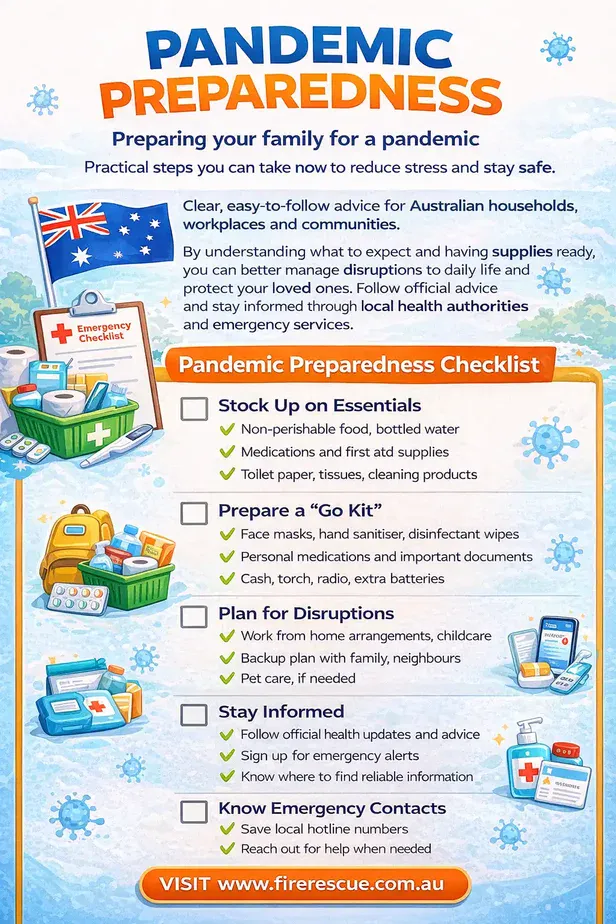
Preparing your family for a pandemic is about practical steps you can take now to reduce stress and stay safe. This guide offers clear, easy-to-follow advice designed for Australian households, workplaces and communities.
By understanding what to expect and having supplies ready, you can better manage disruptions to daily life and protect your loved ones. Follow official advice and stay informed through local health authorities and emergency services.
Why Pandemic Preparedness Matters for Families
Pandemics like COVID-19 remind us how quickly circumstances can change. Access to shops, schools, workplaces and public transport may be affected. Healthcare services can become stretched, and community restrictions might be imposed.
Having a pandemic preparedness checklist for families means you have a plan to maintain safety, health and wellbeing during uncertain times. It helps you avoid last-minute panic and ensures you have essential items and information at hand.
Moreover, preparedness promotes a sense of control and confidence amid uncertainty, which can significantly reduce anxiety for both adults and children. It also supports community resilience, as well-prepared families contribute to the broader public health effort by minimizing strain on medical resources.
In addition to physical health, mental wellbeing is a crucial aspect of pandemic preparedness. Families should consider strategies to manage stress, such as mindfulness practices, regular exercise, and maintaining social connections through safe means. This holistic approach ensures that emotional and psychological needs are addressed alongside physical safety.
Getting Started: The Basics of Pandemic Planning
First, identify reliable sources of information such as state health departments, the Australian Government Department of Health, and trusted emergency services. Regularly check updates and follow local warnings. Avoid misinformation that can cause unnecessary fear.
Next, talk with your family about how you might need to change routines, including school closures and remote work. Discuss what to do if someone becomes ill or if movement is restricted. Having these conversations early can reduce confusion later.
It is also important to designate roles within the household to ensure tasks are managed efficiently. For example, assign someone to monitor news updates and another to manage supplies. This shared responsibility keeps everyone engaged and informed.
Consider also practicing your pandemic plan with your family. Conducting drills or simulations can help everyone understand their roles and identify any gaps in your preparedness. This proactive step can improve confidence and readiness should a real event occur.
Health and Hygiene Essentials
Ensure your home is stocked with soap, hand sanitiser, disinfectant wipes and face masks if recommended. Teach children effective handwashing techniques and the importance of covering coughs and sneezes. Keep tissues and waste bins readily available.
Additionally, consider creating a hygiene station near entrances to your home to encourage hand sanitisation upon arrival. Regularly clean high-touch surfaces such as door handles, light switches and mobile devices to reduce the risk of transmission.
If possible, stock up on thermometers and pulse oximeters to monitor symptoms at home. This early detection can help you seek medical advice promptly and reduce exposure to others.
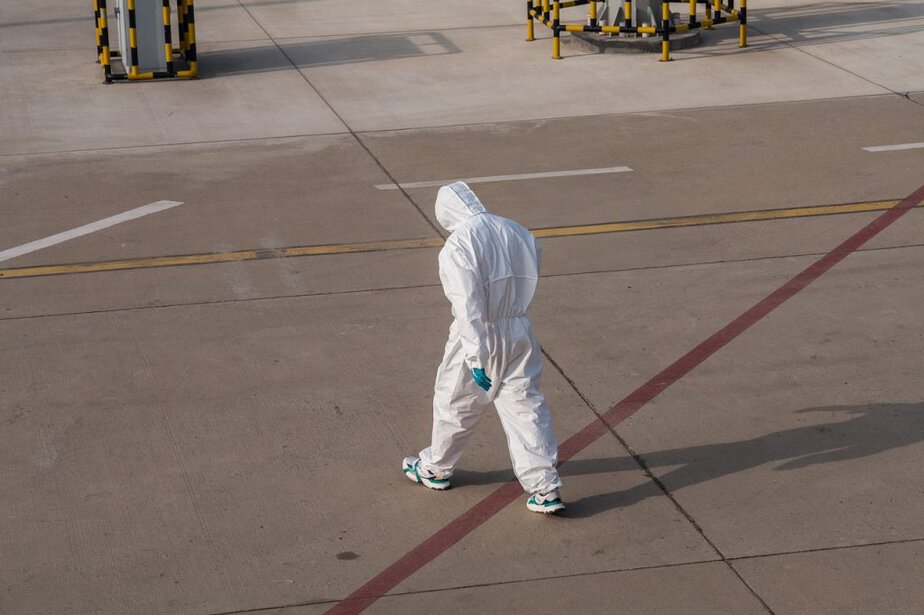
Photo by mariohagen via Pixabay
Don’t forget to include personal protective equipment (PPE) that fits all family members comfortably. This can include gloves and face shields, especially if caring for a sick relative at home. Proper use and disposal of PPE are essential to prevent contamination.
Educate your family about recognising symptoms of common pandemic illnesses and when to seek medical help. Early awareness can reduce the spread within your household and community.
Food, Water and Medication
Store at least two weeks’ worth of non-perishable food and drinking water. Include items suitable for all family members, including infants and those with dietary restrictions. Check expiry dates regularly.
Keep an adequate supply of prescription medicines and over-the-counter remedies. Contact your doctor or pharmacist early if you need refills. Have a basic first aid kit accessible.
Consider meal planning to make the most of your supplies and reduce waste. Stock versatile ingredients that can be used in multiple dishes. Also, include comfort foods and treats to help maintain morale during extended periods at home.
Ensure water storage is sufficient not only for drinking but also for hygiene purposes. If tap water supply might be interrupted, consider alternatives such as bottled water or water purification methods.
Don’t overlook the importance of nutrition during a pandemic. Include a variety of fruits, vegetables, and protein sources to support immune health. If fresh produce is limited, frozen or canned options can be good substitutes.
Also, consider special supplies for pets, including food and medications, as they are part of your family’s wellbeing. Planning ahead for your pets’ needs ensures their health during times of limited access to stores or vets.
Communication and Support Networks
Create a list of emergency contacts including local health services, your GP, and trusted neighbours. Share it with all family members. Establish a communication plan in case normal methods are disrupted.
Stay connected with community groups and support networks. These can provide assistance with supplies, mental health support, and practical advice. Many areas have local SES or community organisations that can help during emergencies.
In addition to physical contacts, set up digital communication channels such as group chats or social media groups with neighbours and friends. These platforms can facilitate quick sharing of information and mutual aid during challenging times.
Don’t hesitate to reach out for mental health support if the stress of pandemic conditions becomes overwhelming. Many Australian services offer telephone and online counselling tailored for families and children.
Consider establishing a buddy system within your community where families can check in on each other regularly. This network can be invaluable for sharing resources, providing emotional support, and assisting those who may be vulnerable or isolated.
Work and School Considerations
Understand your workplace’s pandemic policies, including options for remote work and leave. Check your children’s school arrangements for closures or online learning. Have necessary devices and internet access ready.
Plan for alternative childcare arrangements if needed. Encourage children to maintain routines and stay active while at home. Keep educational and recreational materials available.
It’s beneficial to establish a daily schedule that balances work, study, breaks and physical activity. This structure supports mental wellbeing and productivity for all family members.
For families with multiple children, coordinate learning times and shared use of devices to optimise resources. Explore free or low-cost online educational resources provided by schools and community organisations.
Additionally, consider setting up a dedicated workspace for remote work or study to help separate professional and personal life. This can improve focus and reduce stress for both adults and children.
Keep open communication with employers and educators about your family’s needs and challenges during a pandemic. Many organisations offer flexible arrangements and additional support when informed promptly.
Fire Safety During a Pandemic
While focusing on pandemic safety, do not overlook fire risks. Keep smoke alarms tested and batteries replaced. Maintain clear escape routes and review your family’s fire evacuation plan.
Avoid increased fire hazards from candles, heaters or cooking due to increased time at home. If a fire emergency occurs, call 000 immediately and follow Fire and Rescue NSW or your local fire service advice.
Consider updating your fire plan to include pandemic-related factors such as social distancing and mask use during evacuation. Discuss with your family how to safely evacuate while maintaining hygiene precautions.
Regularly inspect electrical appliances and avoid overloading power outlets, especially if working or studying from home increases usage. These simple checks can prevent fire incidents during stressful periods.
During a pandemic, emergency shelters may have specific protocols to reduce infection risk. Familiarise yourself with these guidelines in your area and prepare any necessary items such as masks or sanitiser to take with you if evacuation is required.
If You Only Do Five Things
Keep a two-week supply of food, water and essential medicines for your family.
Develop a clear communication plan with emergency contacts and share it with everyone.
Maintain good hygiene practices, including regular handwashing and cleaning common areas.
Stay informed from official Australian health authorities and follow local restrictions and warnings.
Ensure your home remains fire safe with working smoke alarms and a family fire plan.
Who Does What in Australia
Fire and Rescue services handle fires, rescues, hazardous material incidents and some medical emergencies. They provide advice on fire safety and prevention.
Police maintain law and order, support community safety, and enforce restrictions during emergencies. They coordinate evacuation and help manage public safety.
Ambulance services deliver urgent medical care and transport patients to hospitals. They provide advice on health emergencies and assist during pandemics.
The State Emergency Service (SES) helps with floods, storms, and other natural disasters. They assist communities with recovery and preparedness efforts.
In life-threatening emergencies, dial 000 immediately to reach Fire, Police or Ambulance.
Final Thoughts
Pandemic preparedness for families is fundamentally about staying calm, informed and ready. By following this checklist and regularly reviewing your plans, you strengthen your household’s resilience and safety. Remember, local conditions and advice can change, so keep monitoring official sources and adapt as needed.
Your preparedness today helps protect your family tomorrow. Taking proactive steps now not only safeguards your immediate household but also contributes to the wider community’s ability to cope with health crises. Together, informed and prepared families build a stronger, safer Australia.
FireRescue Training Hub
Access practical fire and emergency study support resources, downloads, checklists, audio guides, and member-only course content.
- Course library
- PDF downloads
- Audio guides
- Checklists
Study support only. Not accredited training or a replacement for workplace procedures.
About the author and safety review
Ken Walker
Former Station Officer and fire service educator
Former career firefighter with extensive career and volunteer fire service experience.
Qualifications: Associate Diploma of Applied Science in Fire Technology; Institute of Fire Engineers studies.
Author profilehttps://www.firerescue.com.au/about-us/