
June 8, 2026
Why Joining Emergency Services Worldwide Benefits from Leadership Training
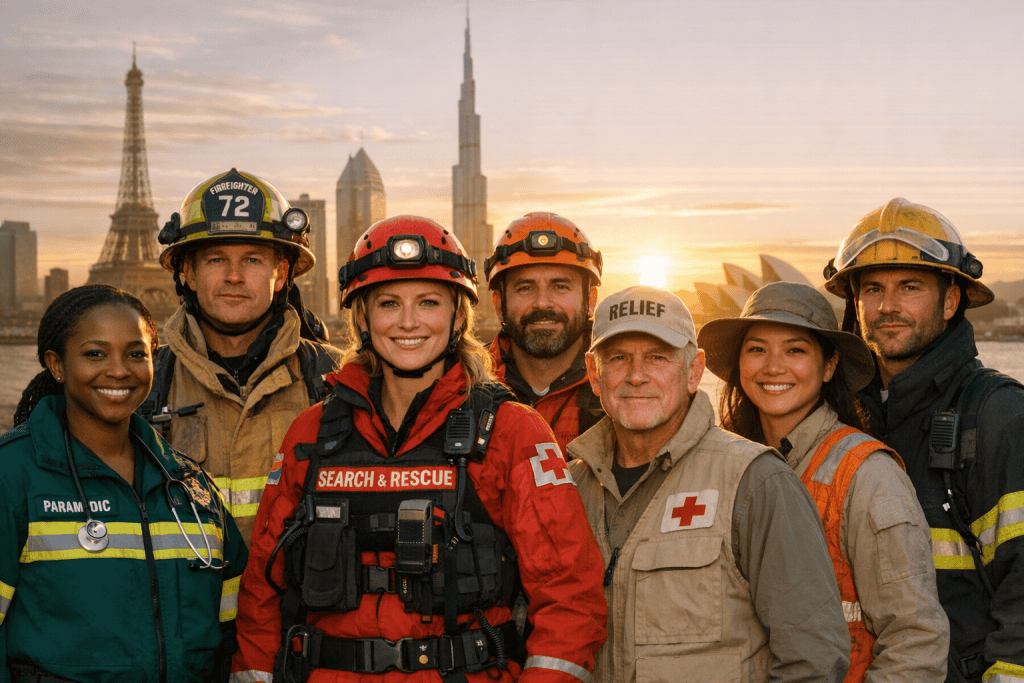
Join Emergency Services: How Leadership Training Shapes Global Responders
Explore why leadership skills are essential for anyone joining emergency services and how training programs improve outcomes, resilience, and career growth across the globe.
Why Leadership Matters in Emergency Services
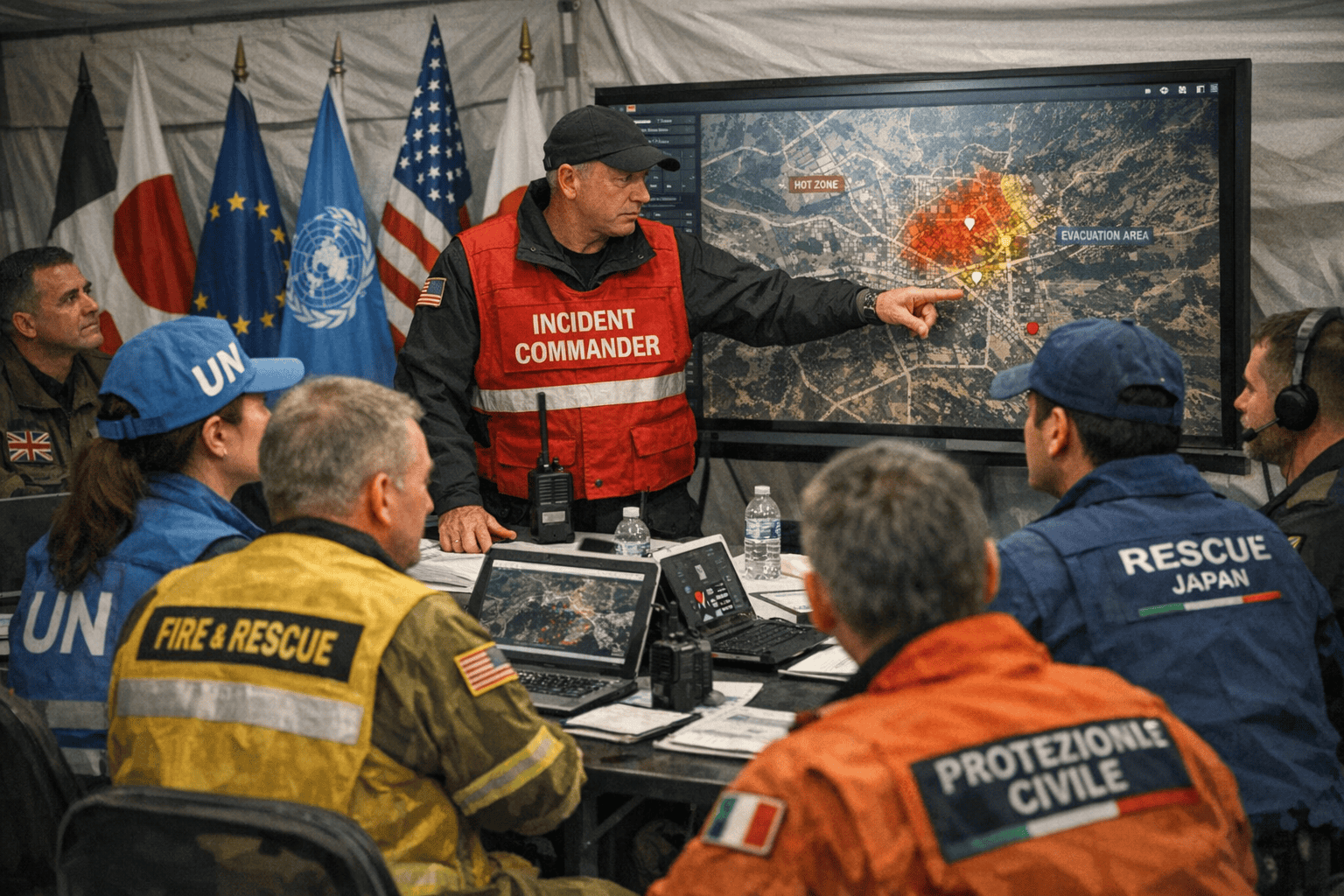
Leadership in emergency services extends far beyond formal rank. In the field — where conditions change in seconds and information is partial — leadership becomes the mechanism that turns competent individuals into coordinated teams. This section explains the observable differences strong leadership makes in operational safety, cross-agency cooperation, and public outcomes.
-
- Decisions that save lives
Quick, accurate decisions under pressure are a hallmark of effective emergency leadership. When leaders can rapidly prioritize tasks, allocate limited resources, and modify plans as events unfold, casualty rates and secondary incidents often decrease.
-
- Coordination across systems
Large incidents require coordination between fire, medical, police, and often international relief teams. Well-trained leaders can bridge agency cultures, align operational language, and create trust — reducing the risk of duplicated effort or missed responsibilities.
-
- Psychological calm and team trust
Leadership sets the tone for emotional regulation during crises. Teams that trust their leaders report higher morale, follow guidance more consistently, and recover faster after traumatic events.
In exercises and real incidents alike, one consistent finding emerges: leadership practices — not just equipment or numbers — are often the decisive factor in whether a response succeeds or fails.
Key takeaways
Leadership affects decision quality, inter-agency cooperation, and team resilience. Investing in leadership training reduces operational errors and improves outcomes during high-stakes incidents.
Benefits of Leadership Training for Individual Responders
Leadership development produces measurable benefits for individual responders — not only in how they perform on scene but in how they sustain a career in demanding roles. Training that combines technical expertise with human-centered skills builds longevity and capability.
- Improved situational awareness and decision-making
Structured training enhances recognition-primed decision models: responders learn to pattern-match rapidly and apply proven options under time pressure. This reduces hesitation and speeds life-saving interventions.
- Emotional intelligence and stress resilience
Responders who receive coaching on emotional regulation, reflective practice, and stress inoculation demonstrate lower rates of burnout and post-incident psychological injury. These skills are vital for repeat deployments and sustained readiness.
- Career mobility and leadership pathways
Competence in leadership competencies opens doors to supervisory, training, and international deployment roles. Agencies increasingly value soft-skill proficiency when selecting candidates for promotion or special assignments.
Across cultures, leadership training also signals professionalism. A responder who can clearly communicate, de-escalate conflict, and teach peers amplifies their impact well beyond their primary technical role.
Organizational Advantages: How Teams and Agencies Gain
When organizations prioritize leadership development, the benefits compound. Teams become more cohesive, retention improves, and agencies gain the institutional agility necessary to adapt to evolving threats and technologies.
- Retention and morale: Agencies that offer clear development pathways and leadership coaching see lower attrition because personnel feel invested in and valued.
- Shared procedures and culture: Standardized leadership frameworks create shared expectations across departments and partner agencies, reducing friction during multi-agency responses.
- Innovation and learning: Leaders trained to model curiosity and after-action learning accelerate the adoption of new tactics, tools, and evidence-based practices.
Because organizational learning is social, leadership development programs that include peer coaching and cross-unit rotations deliver disproportionate returns: one trained leader can uplift multiple teams.
Global Perspectives: Leadership Training for International Deployment
International deployments introduce additional complexity: language differences, legal frameworks, cultural norms, and varied operating procedures. Leadership training tailored for international contexts prepares responders to operate effectively and respectfully in cross-border missions.
Cultural competence and diplomacy
Role-play, cultural briefings, and language-awareness modules help leaders anticipate misunderstandings and craft communication that preserves local dignity while achieving mission goals.
Standardized frameworks
Global leadership frameworks (for example, interoperable incident command models and standardized reporting formats) reduce ambiguity in multinational efforts. Leaders trained in these frameworks can plug into complex structures quickly and reliably.
Networks and partnerships
Exchange programs and joint exercises build leader networks that transcend organizations and borders. These networks enable faster mobilization and smoother coordination when a large-scale event requires pooled international resources.
Leaders who understand local norms and international standards are more likely to secure community trust and sustain long-term recovery efforts after the immediate crisis passes.
Practical Leadership Training Components to Seek
Not all leadership programs are equal. Effective training blends theory, practice, and reflection. Below are components to prioritize when evaluating courses or agency programs.
- Realistic simulations — Live exercises and immersive simulations that replicate operational stress are essential. These should include incident command system (ICS) modules and inter-agency scenarios.
- Crisis communication drills — Messaging under pressure, media interactions, and family liaison protocols are teachable and dramatically improve public safety outcomes.
- Soft-skill modules — Conflict resolution, coaching, and psychological first aid ensure leaders can manage people, not just processes.
- Mentorship and after-action reviews — Mentorship programs and structured reviews reinforce learning and translate classroom concepts into everyday practice.
What to look for in a program
Choose programs that balance scenario-based practice with reflective learning, provide ongoing mentorship, and offer evaluations tied to real-world performance metrics.
How to Join Emergency Services and Access Leadership Training
Entry points into emergency services vary by country and agency, but with research and persistence prospective responders can identify pathways that include leadership development. Below are practical steps and places to look.
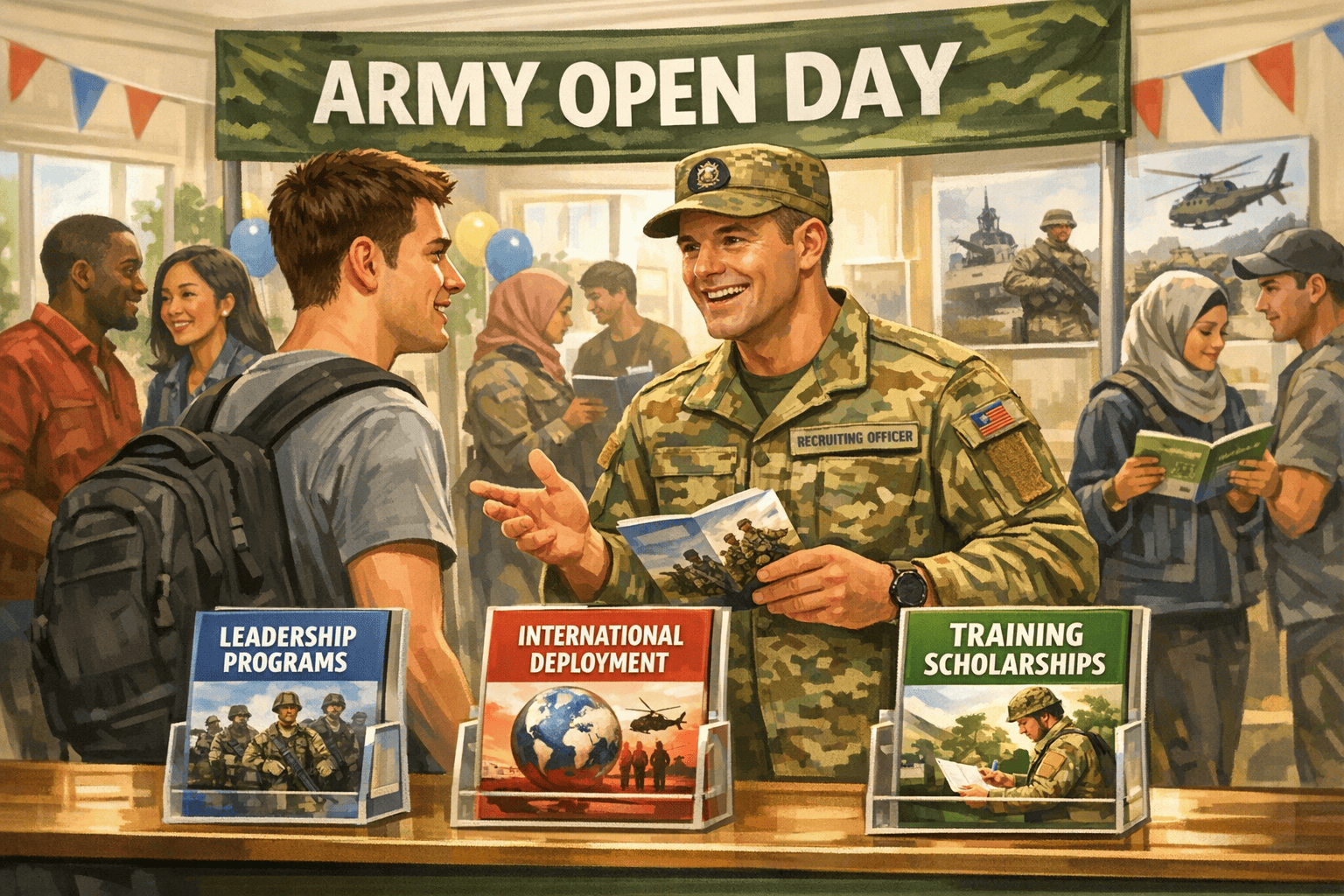
- Map local and national options
Investigate fire services, ambulance trusts, coast guards, civil protection agencies, and NGOs. Note entry requirements, cadet programs, and volunteer pathways — many organizations offer introductory leadership modules for new recruits.
- Seek organizations with development commitments
Look for job postings or recruitment materials that explicitly mention leadership pathways, tuition support for courses, or partnerships with training academies. These are signals an agency values and invests in developing leaders.
- Pursue scholarships and international academies
International bodies — such as the UN, Red Cross/Red Crescent, and select WHO programs — sometimes fund leadership courses and exchange programs. These credentials enhance deployability and often carry international recognition.
Practical preparation also includes building a portfolio of incident experience, participating in local exercises, and completing recognized leadership certifications that align with the agency’s command frameworks.
Take the Next Step: Build Leadership Skills While Serving Others
Whether you’re considering a career or volunteer role in emergency services, prioritize leadership training to increase your impact and readiness for global response work. Leadership competency magnifies technical skills and ensures smoother collaboration in the most challenging environments.
Next steps: Attend a local open day, request program details from agencies of interest, and enroll in an introductory leadership or psychological first aid course to begin building transferable skills.